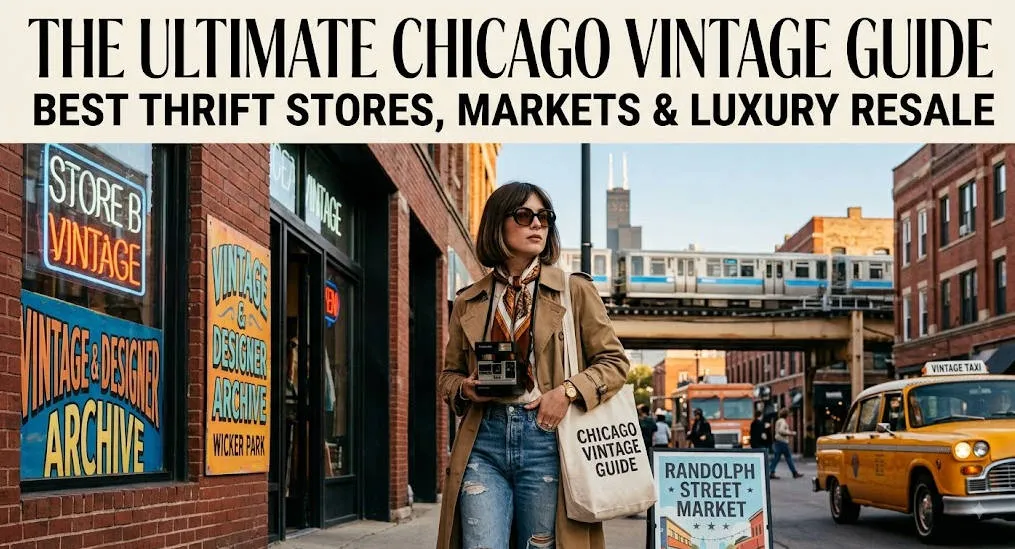
Have you ever looked at a mass-produced outfit and felt a sudden longing for something with a soul? In an era dominated by fast fashion and fleeting TikTok trends, the style world is experiencing a massive counter-revolution. Discerning dresser are turning away from the conveyor belt and looking backward to build wardrobes that truly stand out. But navigating the world of non-contemporary clothing can feel like decoding a secret language. What actually separates a rare 1990s runway piece from a 1920s flapper dress, or a curated thrift find? In this ultimate guide, we'll demystify the distinct realms of retro styling, historical garments, and rare collector's pieces, giving you the ultimate blueprint to sourcing and styling the past.
🧭 The Ultimate Guide to Vintage, Archival, and Antique Fashion
Fashion is often associated with what is new, seasonal, and trending. Yet some of the most desirable garments today are decades old. Across luxury resale platforms, museum collections, auction houses, and independent boutiques, interest in vintage, archival, and antique fashion has grown dramatically.
Collectors pursue rare runway pieces from the 1990s. Designers study historical garments for inspiration. Consumers increasingly seek unique alternatives to mass-produced clothing. Meanwhile, sustainability concerns have pushed many shoppers toward pre-owned fashion.
Despite often being used interchangeably, vintage, archival, and antique fashion are not the same thing. Each category represents a different period, purpose, and collecting philosophy.
This guide explains the differences between these terms, explores their cultural significance, and provides practical advice for buying, authenticating, preserving, and collecting historic fashion.
✦ Understanding the Key Terms
Before diving deeper, it helps to establish clear definitions.
▸ What Is Vintage Fashion?
Vintage fashion generally refers to clothing and accessories that are at least 20 years old but not yet antique.
Most experts classify vintage pieces as items produced between approximately the 1920s and early 2000s, depending on the current year.
Examples include:
-
1970s Yves Saint Laurent jackets
-
1980s Chanel suits
-
1990s Prada nylon bags
-
Early 2000s Dior Saddle Bags
-
Vintage Levi's denim
Vintage clothing was originally produced for everyday use rather than collection purposes.
Characteristics of Vintage Fashion
✔️ Original production from a previous era
✔️ Reflects historical style trends
✔️ Often wearable in modern wardrobes
✔️ Available through resale markets
✔️ May show signs of age and use
▸ What Is Archival Fashion?
Archival fashion refers to historically significant designer pieces that possess cultural, artistic, or design importance.
Unlike vintage fashion, archival pieces are often collected because they represent a specific creative moment.
The term became widely popular among collectors during the rise of Japanese fashion forums and luxury resale communities in the 2000s.
Common archival designers include:
-
Martin Margiela
-
Helmut Lang
-
Raf Simons
-
Yohji Yamamoto
-
Rei Kawakubo
-
Hedi Slimane-era Dior Homme
-
Jean Paul Gaultier
An archival piece may be:
-
10 years old
-
20 years old
-
40 years old
Age alone does not determine archival status.
Characteristics of Archival Fashion
✔️ Historically significant design
✔️ Represents a specific collection or era
✔️ Strong collector demand
✔️ Limited production
✔️ Important within fashion history
▸ What Is Antique Fashion?
Antique fashion generally refers to garments and accessories over 100 years old.
These pieces are often treated similarly to museum artifacts.
Examples include:
-
Victorian dresses
-
Edwardian blouses
-
19th-century military uniforms
-
Antique corsets
-
Early handmade lace garments
Many antique pieces are too fragile for regular wear.
Characteristics of Antique Fashion
✔️ Typically over 100 years old
✔️ Significant historical value
✔️ Rare survival rates
✔️ Delicate construction
✔️ Often preserved rather than worn
✦ Quick Comparison Table
| Category | Typical Age | Main Appeal | Wearability | Collectibility |
| Vintage | 20–100 years | Style and nostalgia | High | Medium to High |
| Archival | Any age | Design significance | Medium to High | Very High |
| Antique | 100+ years | Historical preservation | Low | Extremely High |
▸ Why Vintage, Archival, and Antique Fashion Matter
Fashion is more than clothing.
Historic garments provide insight into:
-
Social history
-
Economic trends
-
Manufacturing techniques
-
Gender roles
-
Cultural movements
-
Technological innovation
A single jacket can reveal how people dressed, worked, and expressed identity during a specific period.
Collectors often view historic garments as wearable cultural artifacts.
✦ The Evolution of Fashion Collecting
Early Collectors
Fashion collecting originally existed mainly within:
-
Museums
-
Historical societies
-
Royal collections
Garments were preserved as historical objects rather than fashion investments.
Rise of Vintage Shopping
The vintage movement gained momentum during the 1960s and 1970s.
Young consumers began embracing second-hand fashion as a rejection of mainstream trends.
Vintage stores emerged in major cities such as:
-
London
-
Paris
-
New York
-
Tokyo
By the 1990s, designer vintage became increasingly collectible.
The Archival Boom
The modern archival market exploded during the 2010s.
Several factors contributed:
-
Social media exposure
-
Celebrity adoption
-
Fashion forums
-
Luxury resale platforms
-
Increased interest in designer history
Rare runway pieces became highly sought after.
Collectors started treating fashion similarly to art, watches, and sneakers.
✦ Most Important Vintage Fashion Eras
Victorian Era (1837–1901)
Key characteristics:
-
Corsetry
-
Heavy fabrics
-
Elaborate embroidery
-
High collars
Today these pieces are primarily museum collectibles.
Edwardian Era (1901–1914)
Known for:
-
Lace details
-
Softer silhouettes
-
Delicate craftsmanship
-
Elegant tailoring
Edwardian garments remain highly collectible.
1920s
The decade of flapper fashion.
Characteristics include:
-
Beading
-
Fringe
-
Dropped waists
-
Art Deco influence
Original 1920s garments are increasingly rare.
1950s
The postwar fashion boom produced:
-
Full skirts
-
Structured tailoring
-
Dior-inspired silhouettes
Many collectors consider the 1950s one of the most wearable vintage periods.
1960s
Known for:
-
Youth culture
-
Mod fashion
-
Space-age design
-
Bold prints
This era remains popular among both collectors and casual vintage shoppers.
1970s
Features include:
-
Bell-bottoms
-
Denim
-
Bohemian styles
-
Disco aesthetics
Vintage denim from this period is particularly desirable.
1980s
Defined by:
-
Power dressing
-
Oversized tailoring
-
Strong shoulders
-
Luxury branding
Designer pieces from this era continue gaining value.
1990s
Often considered the golden age of modern vintage.
Highlights include:
-
Minimalism
-
Grunge
-
Early luxury streetwear
-
Iconic runway collections
Many current archival collectibles originate from the 1990s.
✦ What Makes a Fashion Piece Collectible?
Not every old garment becomes valuable.
Several factors determine collectibility.
▸ Rarity
Low production numbers often increase demand.
Examples include:
-
Limited editions
-
Runway exclusives
-
Sample garments
▸ Historical Importance
Pieces connected to important moments often command premiums.
Examples:
-
Landmark collections
-
Revolutionary designs
-
Designer debuts
▸ Designer Reputation
Certain designers consistently attract collectors.
Popular names include:
-
Martin Margiela
-
Helmut Lang
-
Vivienne Westwood
-
Yohji Yamamoto
-
Rei Kawakubo
-
Azzedine Alaïa
▸ Condition
Condition heavily influences value.
Common grading categories include:
Mint
-
No visible wear
-
Original tags possible
Excellent
-
Minimal signs of use
Very Good
-
Minor wear
-
No major damage
Good
-
Noticeable aging
Fair
-
Repairs required
▸ Provenance
Documented ownership history may increase desirability.
Examples include:
-
Celebrity ownership
-
Runway usage
-
Editorial appearances
✦ Understanding Archival Fashion Collecting
Archival collecting differs significantly from ordinary vintage shopping.
Collectors often focus on:
-
Specific designers
-
Individual collections
-
Historical significance
-
Design innovation
Rather than asking:
"Is this old?"
They ask:
"Why does this piece matter?"
▸ Common Archival Categories
Designer Runway Pieces
Garments featured in original runway presentations.
Sample Pieces
Items produced before commercial release.
Production Variants
Rare differences from retail versions.
Artist Collaborations
Limited projects involving musicians, artists, or cultural figures.
Conceptual Designs
Experimental garments that influenced future fashion.
✦ The Most Collected Archival Designers
Martin Margiela
Known for:
-
Deconstruction
-
Upcycling
-
Conceptual design
Highly sought collections include early Maison Martin Margiela releases.
Helmut Lang
Praised for:
-
Minimalism
-
Industrial aesthetics
-
Military inspiration
Many 1990s pieces now command substantial premiums.
Raf Simons
Collector favorites include:
-
Riot Riot Riot
-
Virginia Creeper
-
Consumed
These collections helped define modern archival fashion culture.
Yohji Yamamoto
Celebrated for:
-
Avant-garde tailoring
-
Oversized silhouettes
-
Timeless black garments
Comme des Garçons
Especially valued are pieces designed by Rei Kawakubo that challenge conventional garment construction.
✦ How to Shop for Vintage Fashion
▸ Where to Buy
Popular sources include:
Physical Stores
Benefits:
-
Inspect condition directly
-
Try garments on
-
Build relationships with dealers
Online Marketplaces
Advantages:
-
Larger selection
-
Global access
-
Price comparison
Auctions
Best for:
-
Rare designer pieces
-
Museum-quality garments
-
Exceptional provenance
Estate Sales
Potential source of undervalued finds.
▸ Questions to Ask Sellers
Before purchasing:
-
Is the item authentic?
-
Are there repairs?
-
Any stains or odors?
-
Has it been altered?
-
Are measurements available?
-
Is the label original?
✦ Authentication Basics
Authenticating vintage fashion can be challenging.
Examine Labels
Labels often reveal:
-
Era
-
Manufacturing location
-
Brand history
Companies frequently changed label designs over time.
Study Construction
Older garments often feature:
-
Hand stitching
-
Metal zippers
-
Union labels
-
Unique seam finishes
Construction methods can help date pieces.
Compare References
Useful sources include:
-
Archive catalogs
-
Museum databases
-
Fashion books
-
Collector communities
Beware of Reproductions
Common warning signs:
❌ Perfectly new condition with suspicious age claims
❌ Incorrect labels
❌ Modern materials
❌ Inconsistent stitching
❌ Missing provenance for supposedly rare items
✦ Caring for Vintage and Antique Clothing
Proper preservation is essential.
▸ Storage Guidelines
Do
✔️ Use padded hangers
✔️ Store in climate-controlled environments
✔️ Use acid-free materials
✔️ Keep away from sunlight
✔️ Handle clean garments only
Don't
❌ Use wire hangers
❌ Store in attics
❌ Use plastic bags long term
❌ Expose to moisture
❌ Fold fragile textiles repeatedly
▸ Cleaning Considerations
Different eras require different approaches.
Modern Vintage
May tolerate careful dry cleaning.
Antique Garments
Often require professional textile conservation.
Improper cleaning can permanently damage fibers.
✦ Sustainability and Vintage Fashion
One reason vintage fashion has grown so rapidly is sustainability.
Potential benefits include:
-
Extending garment lifespan
-
Reducing textile waste
-
Lower manufacturing demand
-
Encouraging mindful consumption
However, sustainability depends on:
-
Long-term use
-
Responsible sourcing
-
Proper care
Simply purchasing vintage does not automatically guarantee environmental benefits.
✦ Common Myths About Vintage Fashion
Myth 1: Older Always Means Valuable
Reality:
Many old garments have little collector demand.
Myth 2: Vintage Is Always Better Made
Reality:
Construction quality varies dramatically across eras and brands.
Myth 3: Archival Means Expensive
Reality:
Some historically important pieces remain relatively affordable.
Myth 4: Antique Clothing Cannot Be Worn
Reality:
Some antique garments remain wearable when properly preserved.
Myth 5: Vintage Fashion Is Only for Collectors
Reality:
Many people simply enjoy unique clothing and personal style.
✦ Building a Vintage or Archival Collection
A focused approach often works best.
▸ Collection Strategies
Era-Based Collection
Examples:
-
1950s fashion
-
1970s denim
-
1990s minimalism
Designer-Focused Collection
Examples:
-
Helmut Lang
-
Martin Margiela
-
Vivienne Westwood
Category-Based Collection
Examples:
-
Leather jackets
-
Denim
-
Military garments
-
Eveningwear
Investment-Oriented Collection
Focus on:
-
Rarity
-
Condition
-
Provenance
-
Historical significance
✦ Structured Checklist Before Buying
✔️ Vintage Fashion Purchase Checklist
Authenticity
-
Original labels present
-
Construction matches era
-
Materials appear period-correct
Condition
-
No hidden stains
-
No severe odor
-
No major tears
-
Zippers functional
Fit
-
Measurements verified
-
Alterations disclosed
Value
-
Comparable sales researched
-
Demand understood
-
Price evaluated objectively
Preservation
-
Storage plan available
-
Cleaning requirements understood
✦ FAQ: Vintage, Archival, and Antique Fashion
Q1: What is the difference between vintage and antique fashion?
Vintage fashion is generally 20–100 years old, while antique fashion is usually over 100 years old.
Q2: Can a piece be both vintage and archival?
Yes. Many important designer garments from the 1980s and 1990s qualify as both vintage and archival.
Q3: Is archival fashion always designer fashion?
Most archival fashion involves notable designers, but historically important non-designer garments can also be considered archival.
Q4: Is vintage clothing a good investment?
Some pieces appreciate significantly, but most should be purchased primarily for personal enjoyment rather than guaranteed financial returns.
Q5: How can I tell if a vintage item is authentic?
Examine labels, materials, construction methods, and documented references. Professional authentication may be worthwhile for expensive purchases.
Q6: Why are some 1990s garments so expensive?
Limited production, historical importance, designer reputation, and strong collector demand have increased prices for many iconic 1990s pieces.
Q7: Is antique fashion wearable?
Some antique garments remain wearable, though many are too fragile for regular use and are better preserved as collectibles.
Q8: What is the safest way to store vintage clothing?
Use padded hangers, climate-controlled storage, acid-free materials, and protection from sunlight and humidity.
Q9: Which fashion eras are most popular among collectors?
The most actively collected periods include:
-
1920s
-
1950s
-
1970s
-
1980s
-
1990s
-
Early 2000s
Q10: Should beginners start with archival fashion?
Most newcomers benefit from learning through vintage fashion first before pursuing higher-value archival pieces.
✦ Final Thoughts
Vintage, archival, and antique fashion occupy different places within the broader world of fashion collecting, yet all share a common connection to history. Vintage pieces offer wearability and nostalgia, archival garments capture important creative moments, and antique clothing preserves centuries of craftsmanship and cultural heritage.
Whether your goal is building a wardrobe, creating a collection, studying design history, or exploring sustainable fashion, understanding these distinctions can help you make smarter purchasing decisions and appreciate garments beyond their labels. The most successful collectors are rarely those who chase trends alone; they are the ones who understand why a piece matters, how it fits into fashion history, and how to preserve it for future generations.
As interest in historical fashion continues to grow worldwide, vintage, archival, and antique garments are likely to remain important not only as collectibles, but also as tangible records of the people, cultures, and creative movements that shaped the way we dress today.