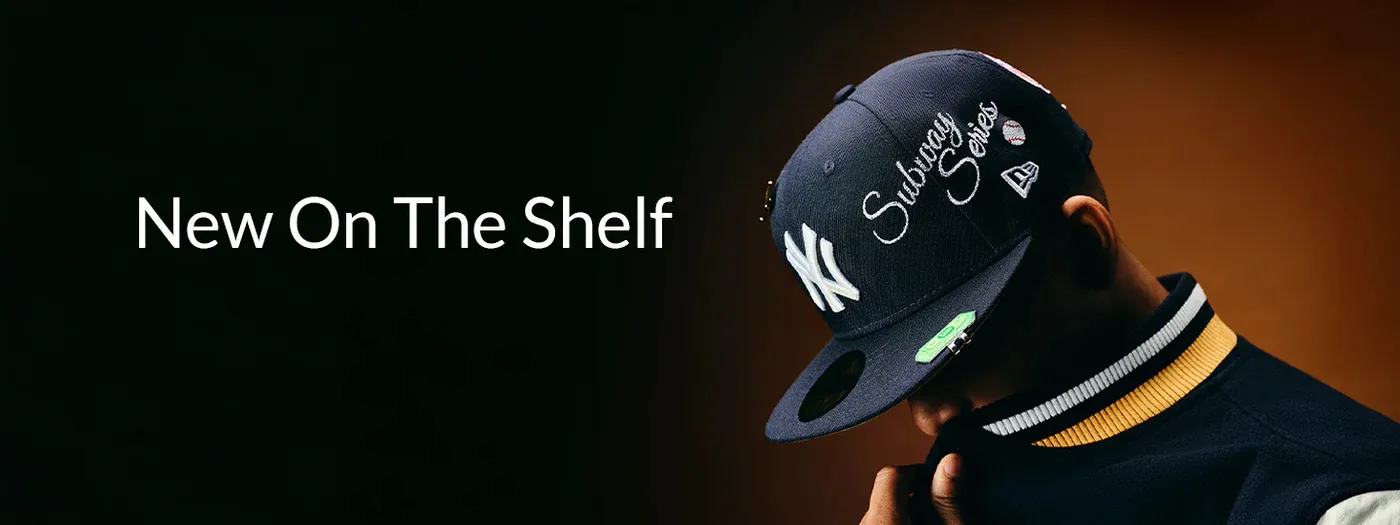
Few things sting more than unboxing a brand-new fitted hat only to realize the quality feels... off. As New Era caps continue to dominate global streetwear culture, the market has been flooded with surprisingly convincing replicas. Whether you are hunting for a rare vintage piece on a resale app or buying from an unverified online store, knowing how to spot a counterfeit hat is essential. This step-by-step guide cuts through the noise to show you exactly how to tell if a New Era hat is real, ensuring your hard-earned cash only goes toward genuine quality.
🧢 New Era Cap Overview
Few headwear brands have achieved the cultural influence of New Era. What began as a small cap manufacturer in the early 20th century has evolved into the world's most recognizable baseball cap company, producing official on-field caps for professional sports leagues and becoming a staple of streetwear, sports culture, music, and fashion.
Today, New Era caps are worn by athletes, celebrities, collectors, and everyday consumers worldwide, with certain models becoming highly collectible and commanding strong resale demand.
1. Brand Background
Founded in 1920 by Ehrhardt Koch in Buffalo, New Era initially focused on manufacturing fashion caps.
The company's breakthrough came when it entered professional baseball, eventually becoming the exclusive on-field cap supplier for Major League Baseball.
Over time, New Era expanded beyond sports into:
-
Streetwear
-
Hip-hop culture
-
Skate culture
-
Fashion collaborations
-
Global sports licensing
Today, New Era remains one of the most influential names in headwear.
2. Why New Era Caps Are Popular
Several factors contribute to the brand's enduring popularity:
✔ Official Sports Heritage
New Era produces official caps for:
-
Major League Baseball
-
National Football League
-
National Basketball Association (licensed collections)
-
Various international sports organizations
For many fans, owning the same style worn by professional athletes adds authenticity.
✔ Wide Variety of Fits
Unlike many cap brands, New Era offers numerous fit profiles, allowing wearers to choose styles that match their preferences.
✔ Strong Streetwear Presence
The brand has become deeply embedded in:
-
Hip-hop fashion
-
Sneaker culture
-
Urban streetwear
-
Contemporary fashion collaborations
Limited-edition releases frequently sell out quickly.
✔ Collectibility
Collectors often seek:
-
Team-exclusive colorways
-
Stadium exclusives
-
Anniversary patches
-
Collaboration releases
-
Discontinued designs
3. Materials Commonly Used
New Era caps may be made from:
Cotton
Most common material.
Advantages:
✔ Breathable
✔ Comfortable
✔ Easy to wear daily
Polyester
Frequently used for official sports caps.
Advantages:
✔ Durable
✔ Moisture resistant
✔ Maintains shape well
Wool Blends
Often found in premium fitted caps.
Advantages:
✔ Traditional appearance
✔ Structured feel
✔ Enhanced durability
4. Key Features
Embroidered Logos
Most New Era caps feature:
-
Raised embroidery
-
Team logos
-
Side patches
-
League insignias
High-quality embroidery is one of the brand's defining characteristics.
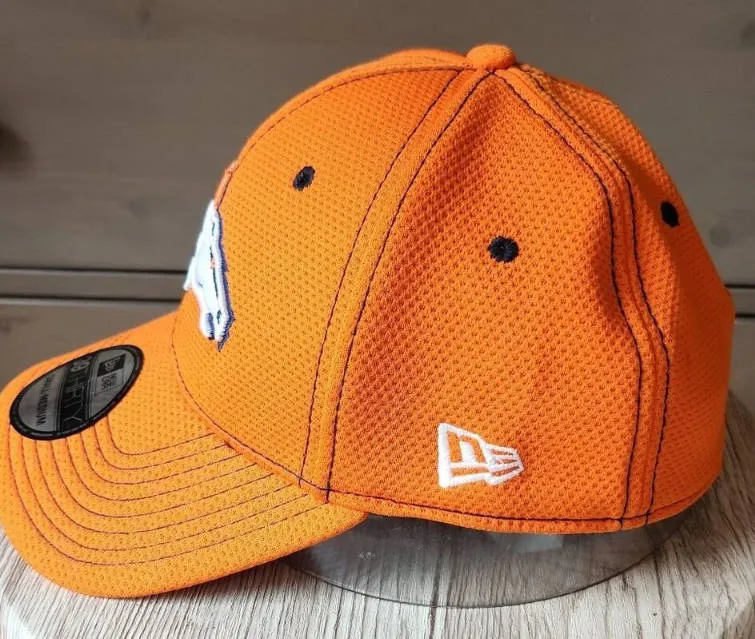
New Era Flag Logo
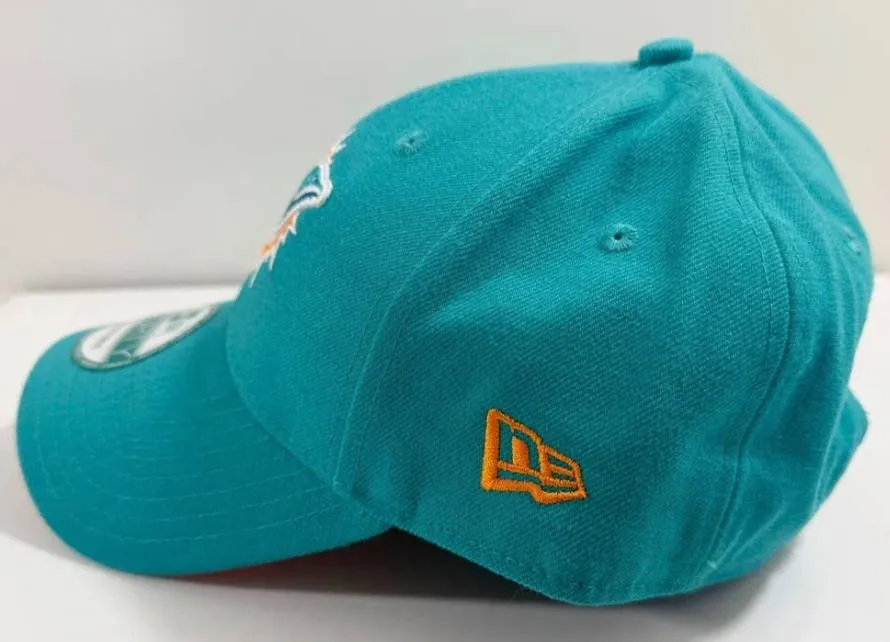
The iconic New Era flag logo is usually embroidered on the left side panel.
It has become one of the most recognizable symbols in headwear.
Licensed Team Graphics
Official licensing ensures:
✔ Accurate logos
✔ Team-approved branding
✔ Authentic designs
Few caps are as recognizable as a New Era fitted or snapback. From MLB clubhouses to streetwear collections, New Era has built a reputation for quality construction, precise embroidery, and officially licensed sports headwear. Unfortunately, that popularity has also made New Era one of the most frequently counterfeited cap brands on the secondary market. Below are the most important details to examine before making a purchase.
🧭 New Era Cap Real vs. Fake Guide
⚡ Quick Comparison Table
| Check Point | Authentic Characteristics | Red Flags |
| New Era Flag Logo | Sharp embroidery and clean proportions | Uneven stitching or distorted shape |
| Team Logo Embroidery | Dense, detailed stitching | Blurry or flat embroidery |
| Crown Construction | Structured and symmetrical | Misshapen or uneven panels |
| Brim Quality | Firm and consistent curvature | Flimsy or warped visor |
| Undervisor | Clean finish and proper color | Cheap material or incorrect color |
| Interior Taping | Precise printing and alignment | Crooked or blurry taping |
| Sweatband | Premium stitching and comfort | Thin or rough material |
| Size Label | Correct formatting and placement | Inconsistent sizing labels |
| Overall Shape | Balanced fit and proportions | Awkward silhouette |
1. New Era Flag Logo Embroidery
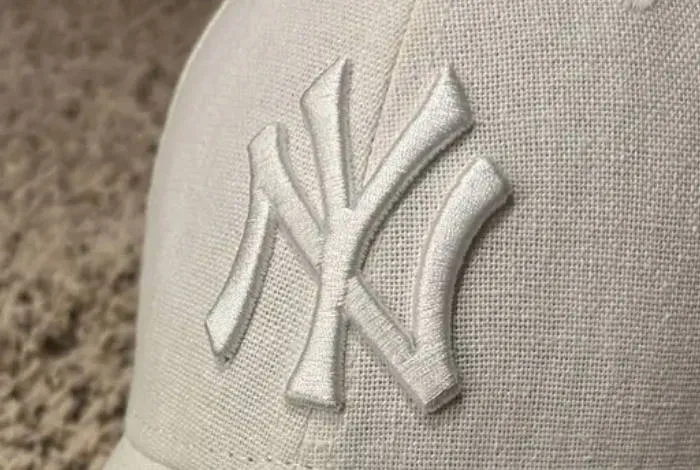
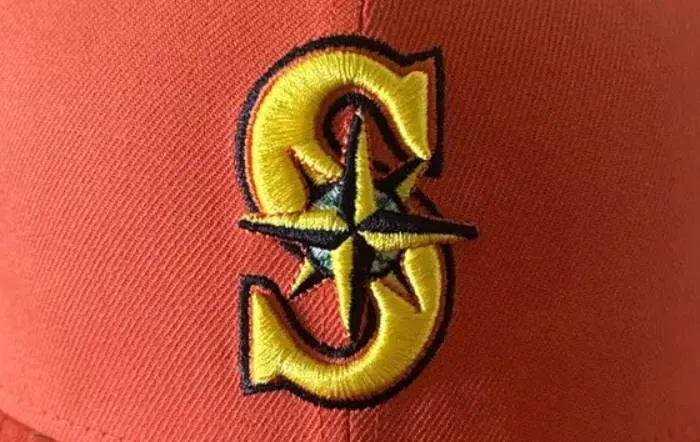
The embroidered New Era flag logo is one of the most important authentication checkpoints.
Authentic New Era caps feature extremely clean embroidery with precise edges and consistent stitch density.
Counterfeit manufacturers often struggle to recreate the logo accurately.
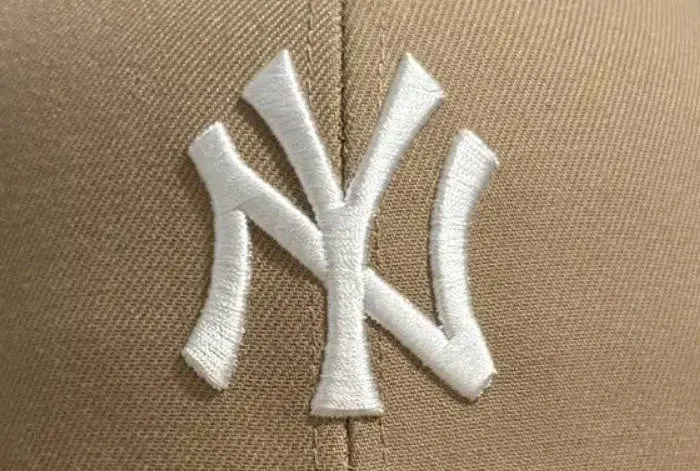
✔️ Real:
-
Sharp embroidery edges
-
Consistent stitch density
-
Balanced proportions
-
Clean outline definition
-
No loose threads
❌ Fake:
-
Uneven stitching
-
Distorted shape
-
Loose thread ends
-
Inconsistent embroidery density
-
Rough outline finishing
💡 The logo should appear crisp even when viewed closely. Any fuzziness or irregular stitching deserves further inspection.
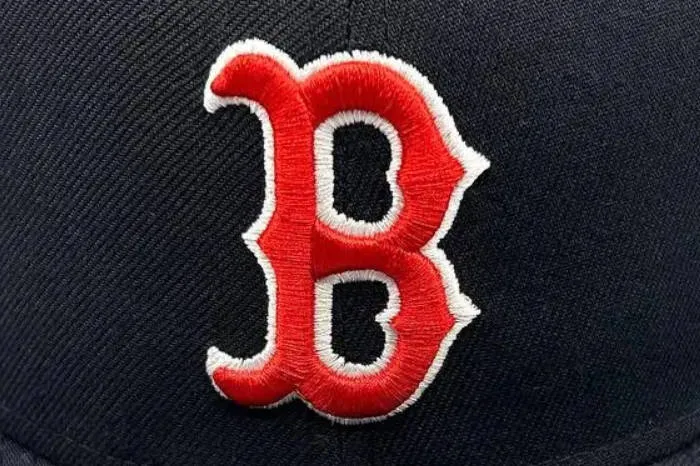
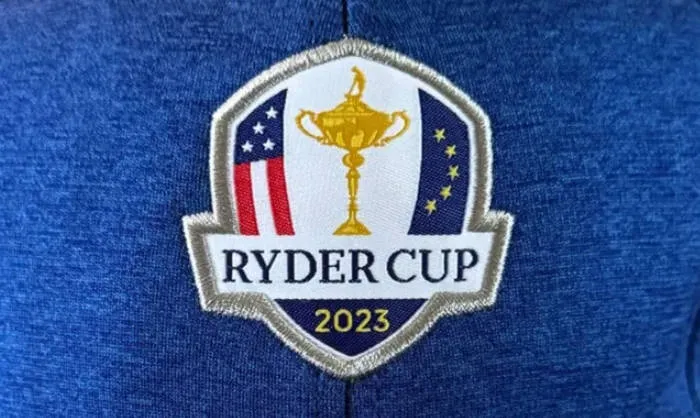
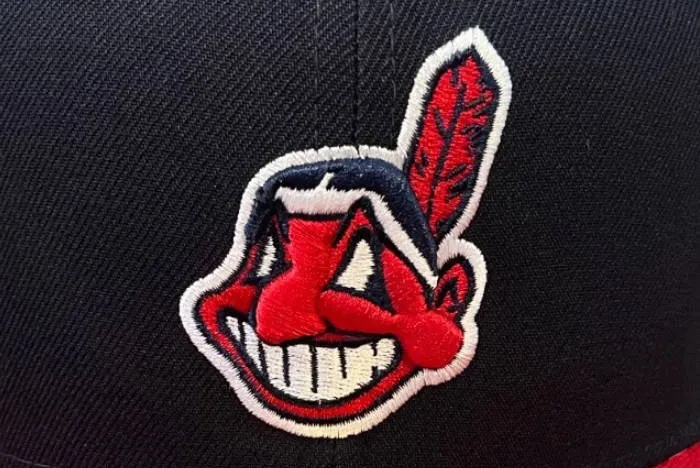
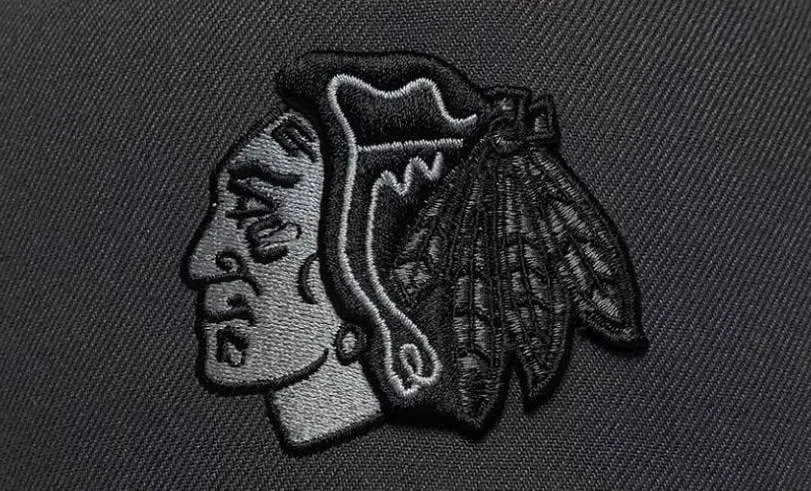
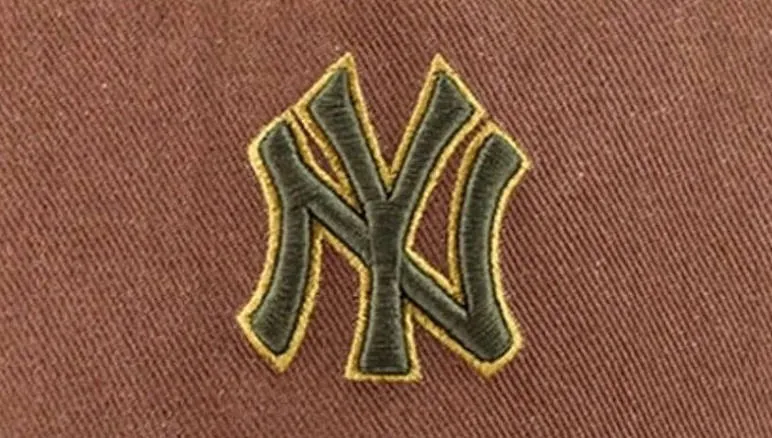
2. Team Logo Embroidery Quality
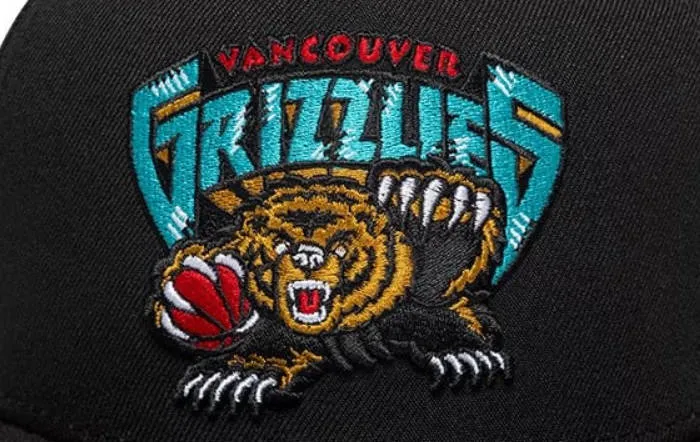
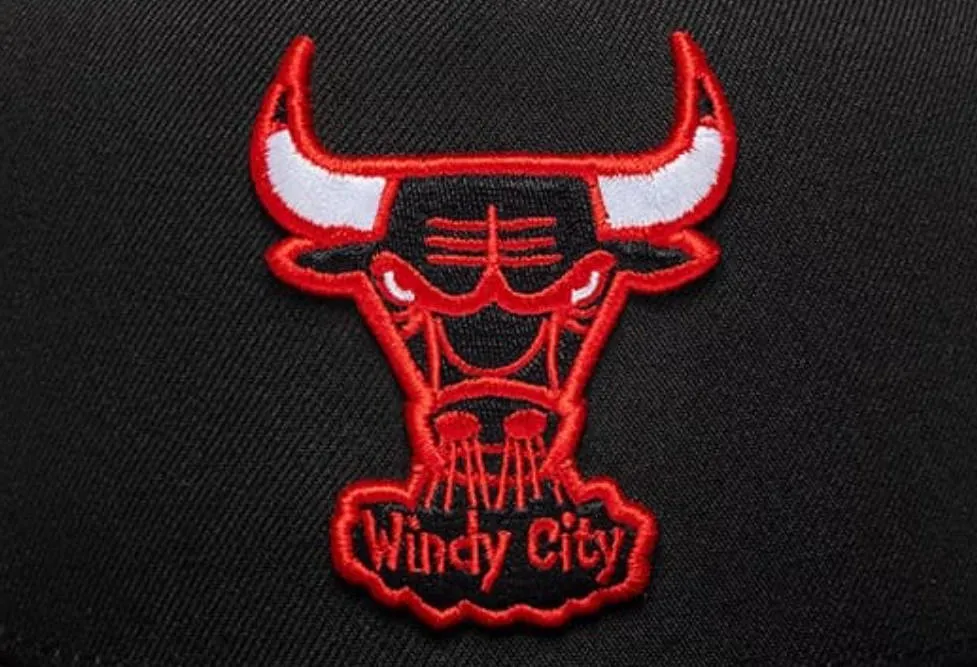
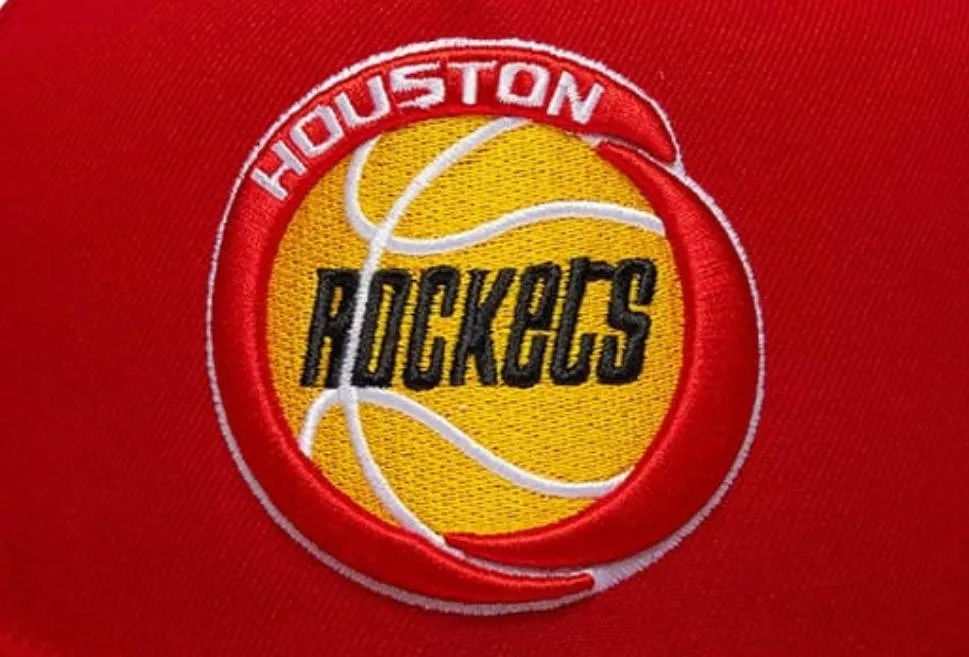
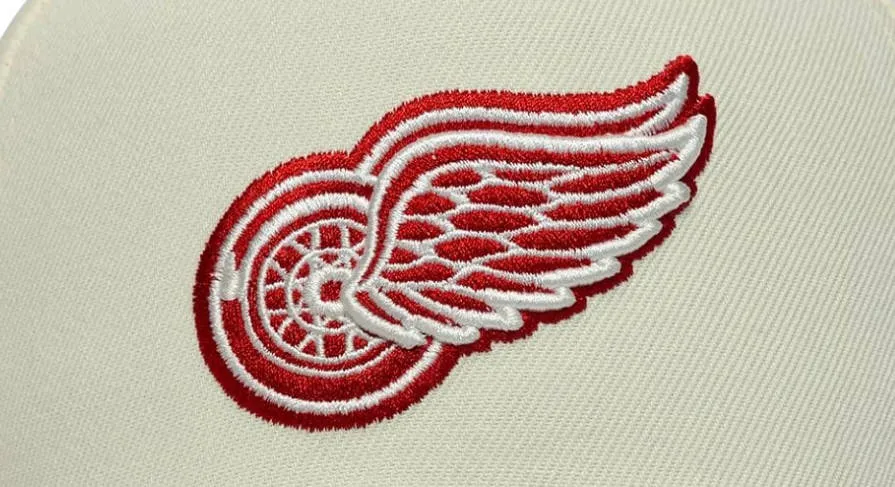
Whether it's MLB, NBA, NFL, or special collaborations, authentic New Era caps are known for high-quality embroidery.
Official team logos contain intricate details that counterfeit factories frequently simplify.
✔️ Real:
-
Dense embroidery
-
Clear logo details
-
Vibrant but controlled colors
-
Clean stitching transitions
-
Strong dimensional appearance
❌ Fake:
-
Flat-looking embroidery
-
Missing details
-
Crooked placement
-
Color inconsistencies
-
Visible thread gaps
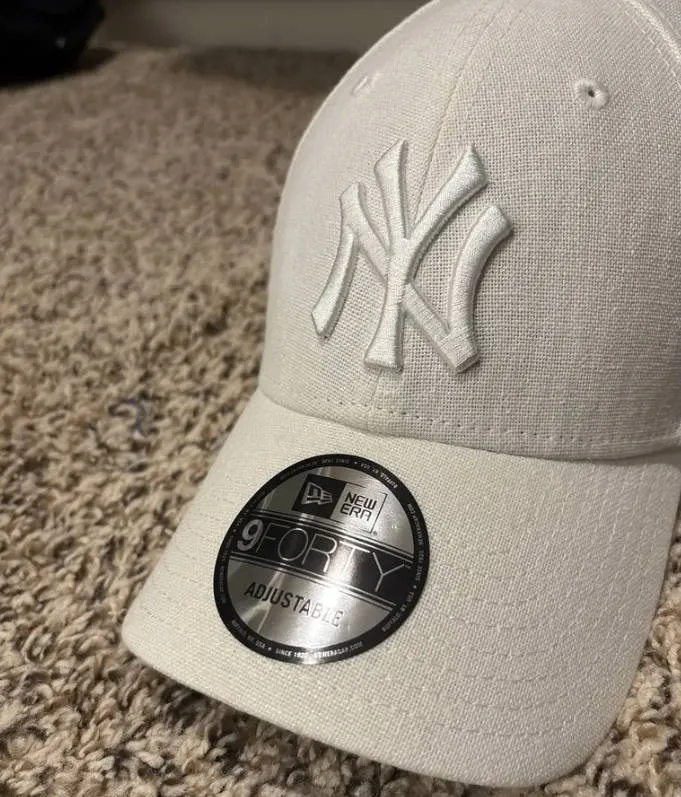
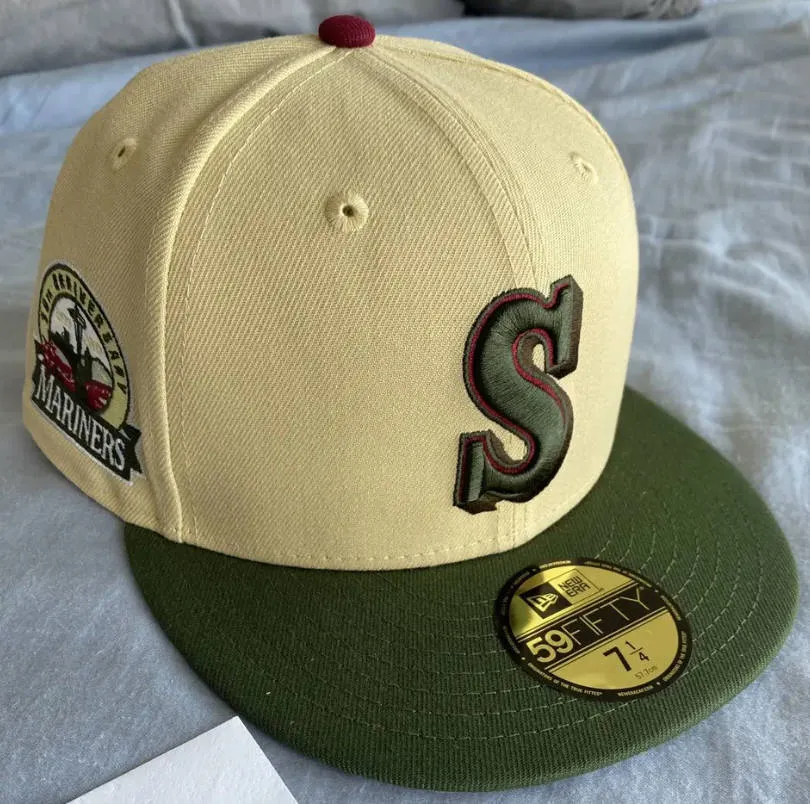
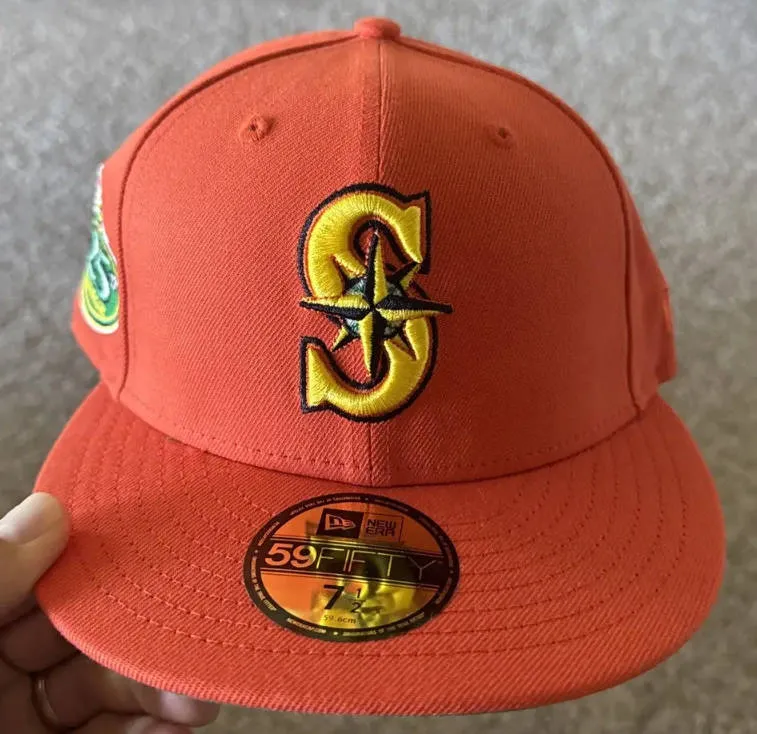
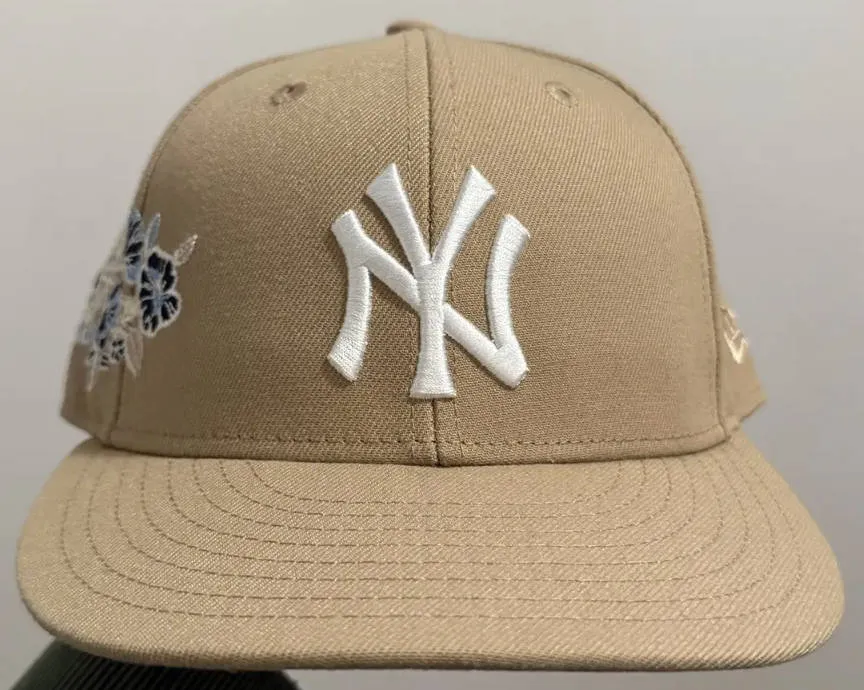
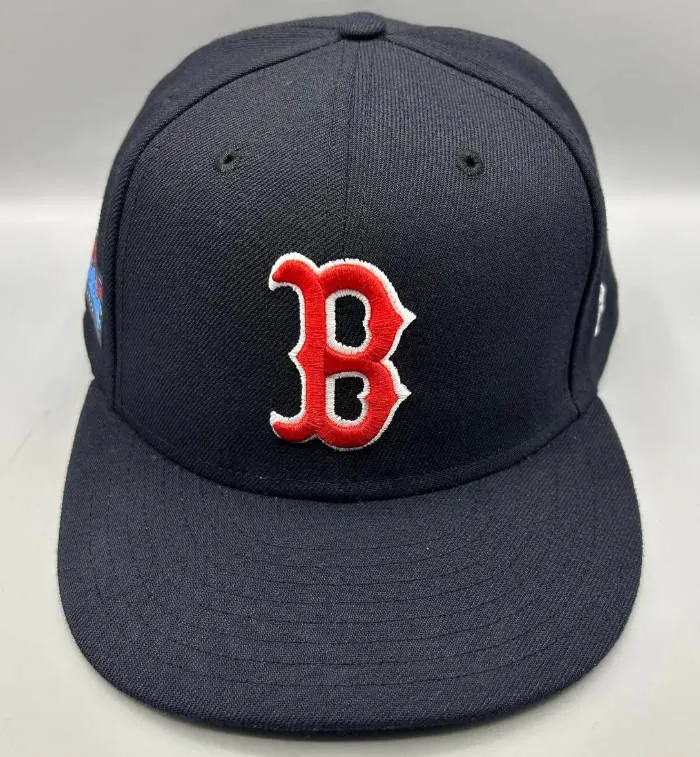
3. Crown Construction & Panel Alignment
New Era caps rely heavily on precise crown construction.
Authentic caps maintain symmetrical panel alignment throughout the entire crown.
✔️ Real:
-
Even panel spacing
-
Symmetrical construction
-
Smooth shape retention
-
Consistent stitching lines
-
Structured appearance
❌ Fake:
-
Crooked panels
-
Uneven seams
-
Distorted crown shape
-
Wrinkled fabric sections
-
Poor structure
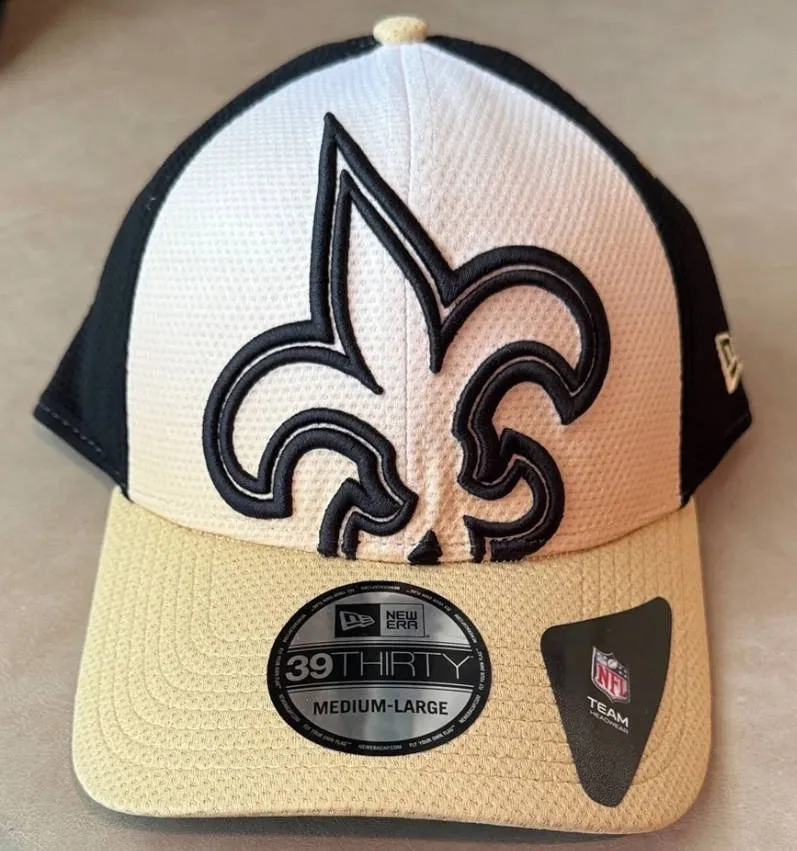
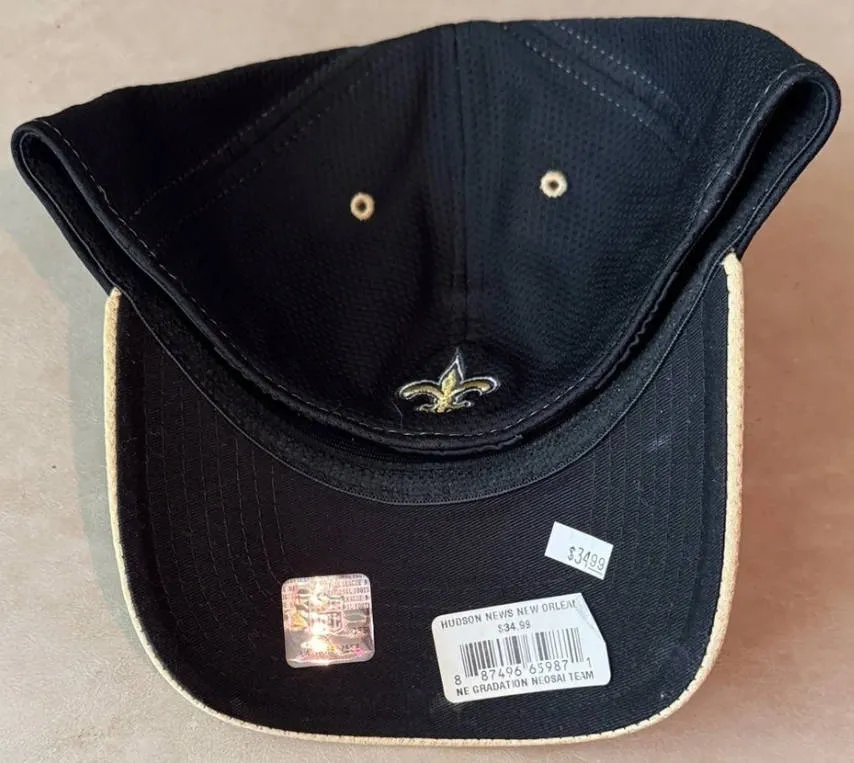
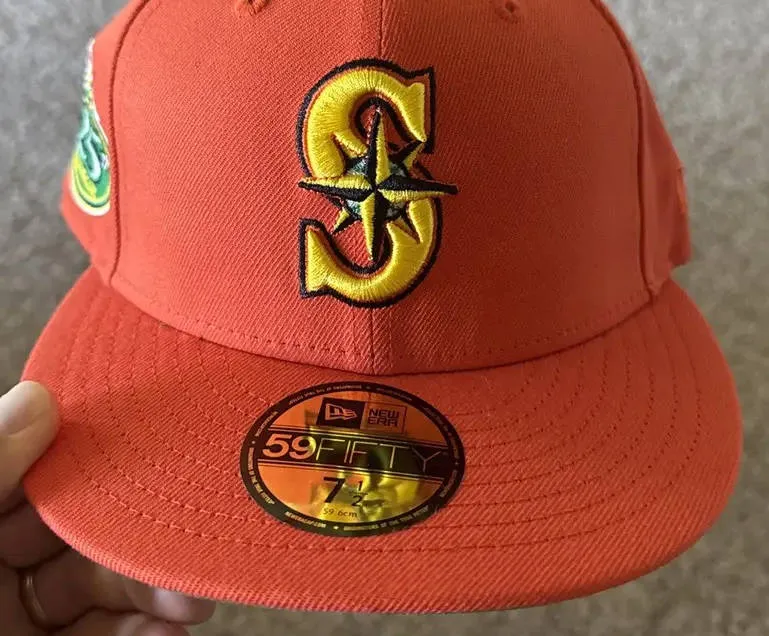
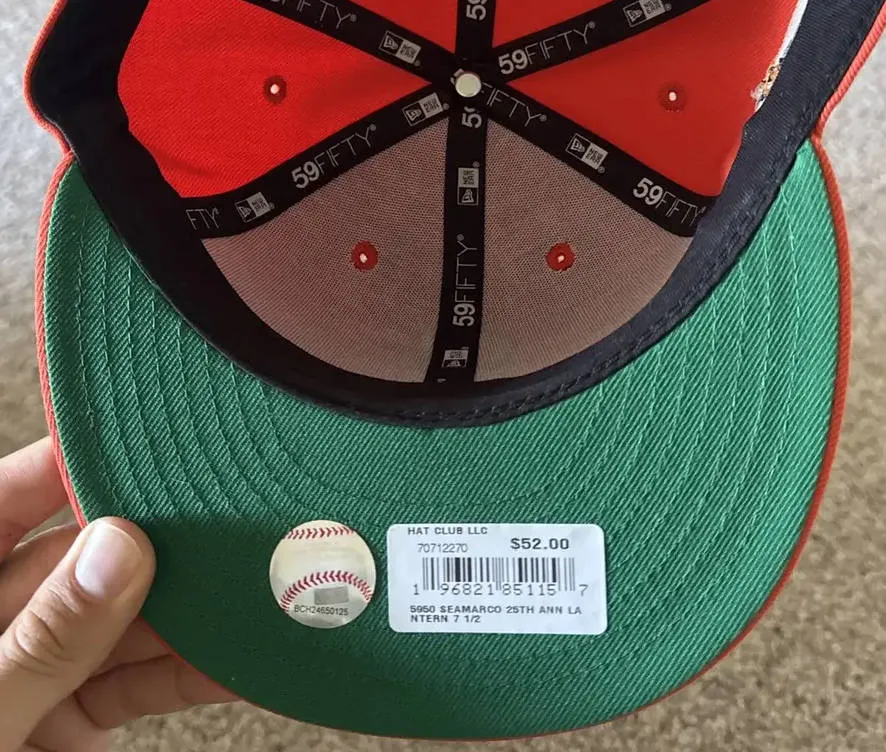
4. Brim Quality & Visor Construction
The visor is another area where counterfeit manufacturers frequently cut costs.
Authentic New Era caps feature a sturdy brim with clean finishing and consistent shaping.
✔️ Real:
-
Firm construction
-
Smooth curvature
-
Consistent stitching
-
Clean edge finishing
-
Durable feel
❌ Fake:
-
Flimsy brim
-
Uneven shape
-
Weak structure
-
Rough stitching
-
Warped appearance
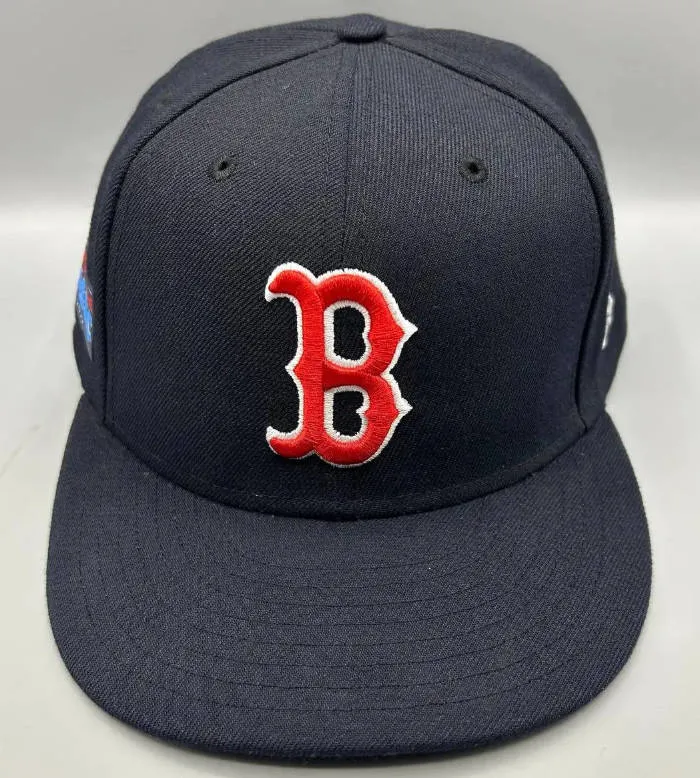
5. Undervisor Material & Finish
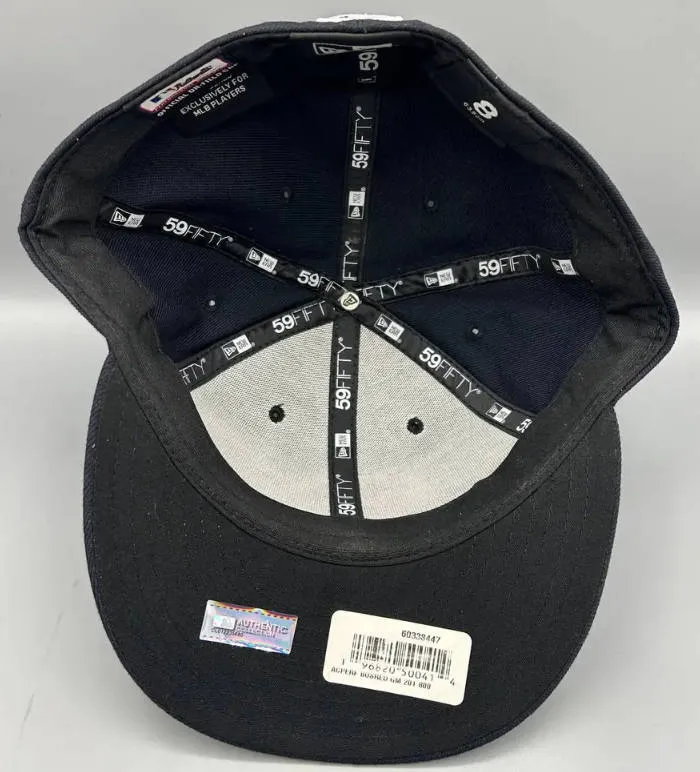
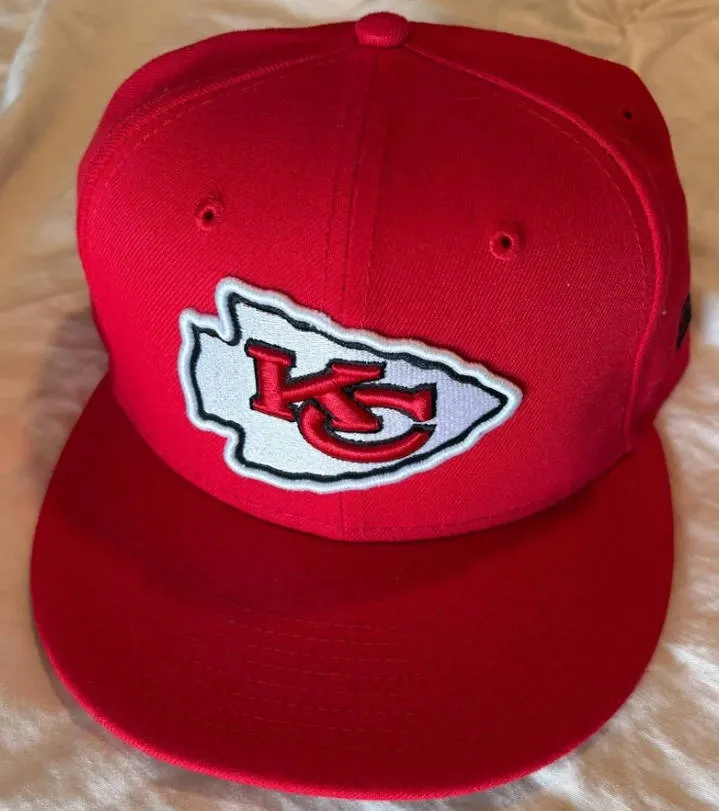
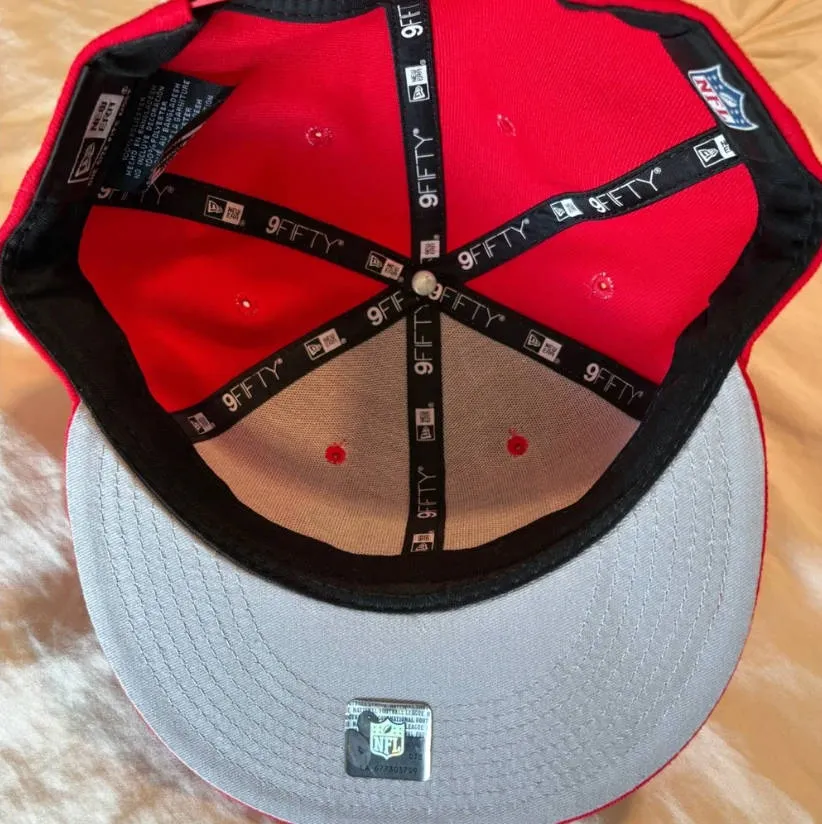
The underside of the brim has changed across different New Era eras and releases, making it a useful authentication checkpoint.
However, the quality should always remain consistent.
✔️ Real:
-
Smooth material finish
-
Clean stitching
-
Proper color matching
-
Consistent texture
-
Professional appearance
❌ Fake:
-
Cheap fabric texture
-
Incorrect color tone
-
Visible glue marks
-
Rough finishing
-
Uneven stitching
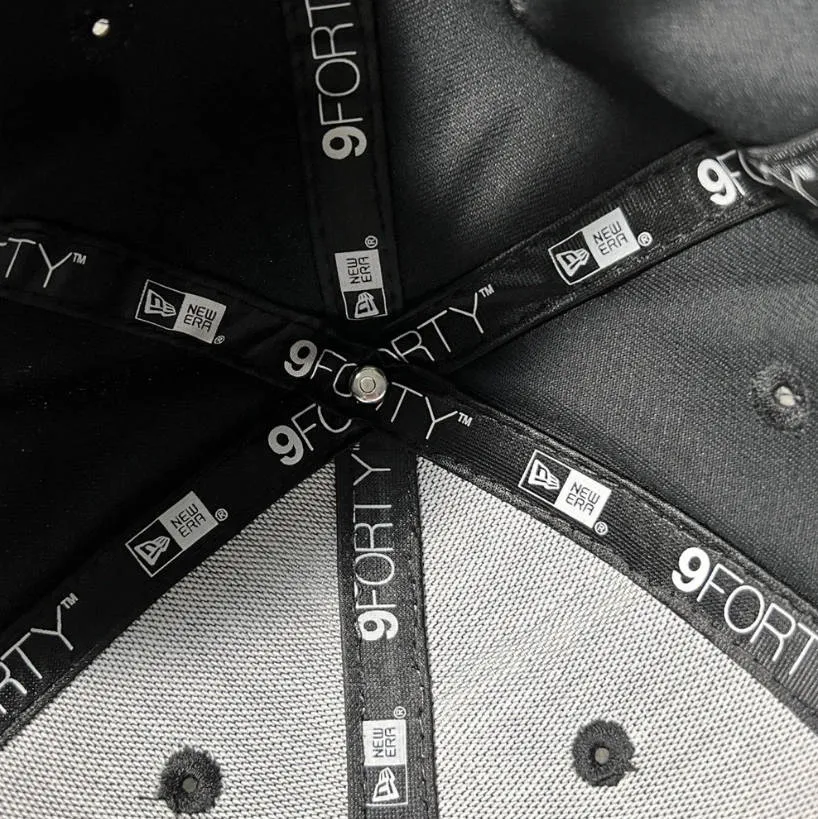
6. Interior Taping
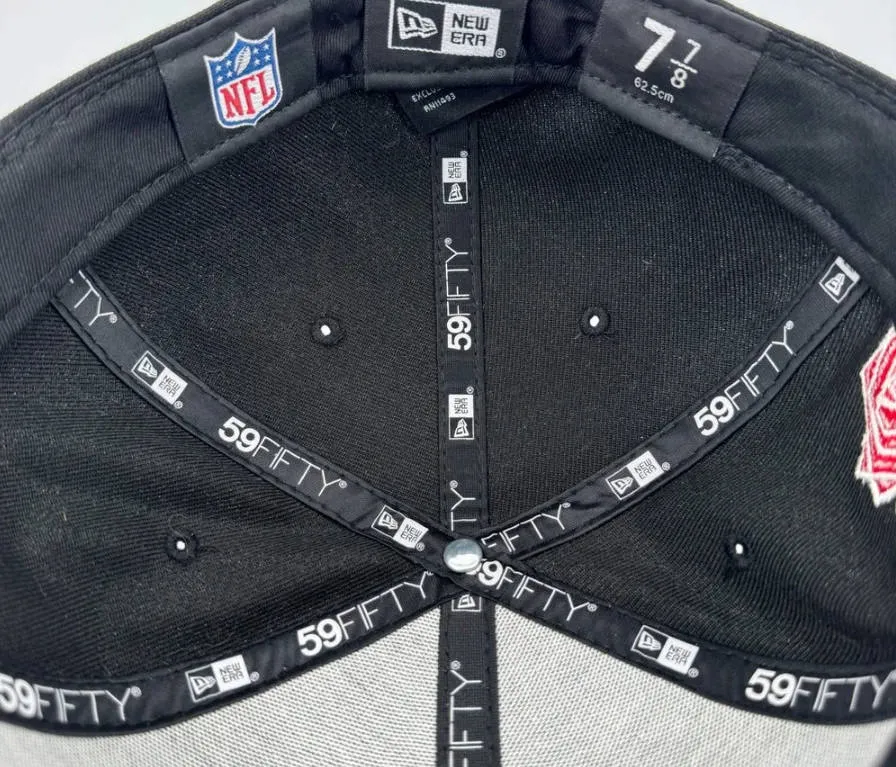
The interior taping inside a New Era cap is often overlooked by casual buyers but remains one of the strongest authentication indicators.
Authentic examples feature precise printing and consistent application.
✔️ Real:
-
Crisp printed branding
-
Straight alignment
-
Clear lettering
-
High-quality tape material
-
Consistent spacing
❌ Fake:
-
Blurry printing
-
Crooked application
-
Misaligned branding
-
Inconsistent spacing
-
Thin tape material
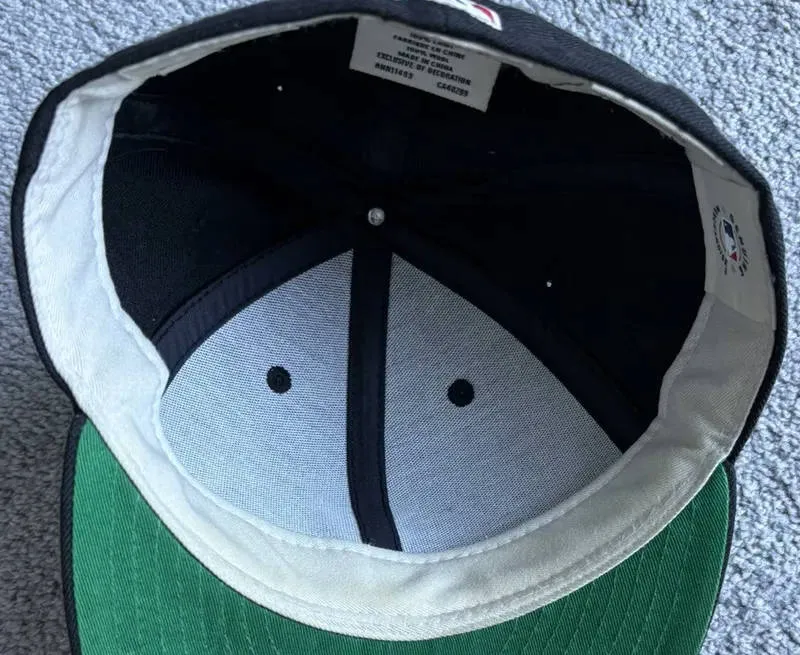
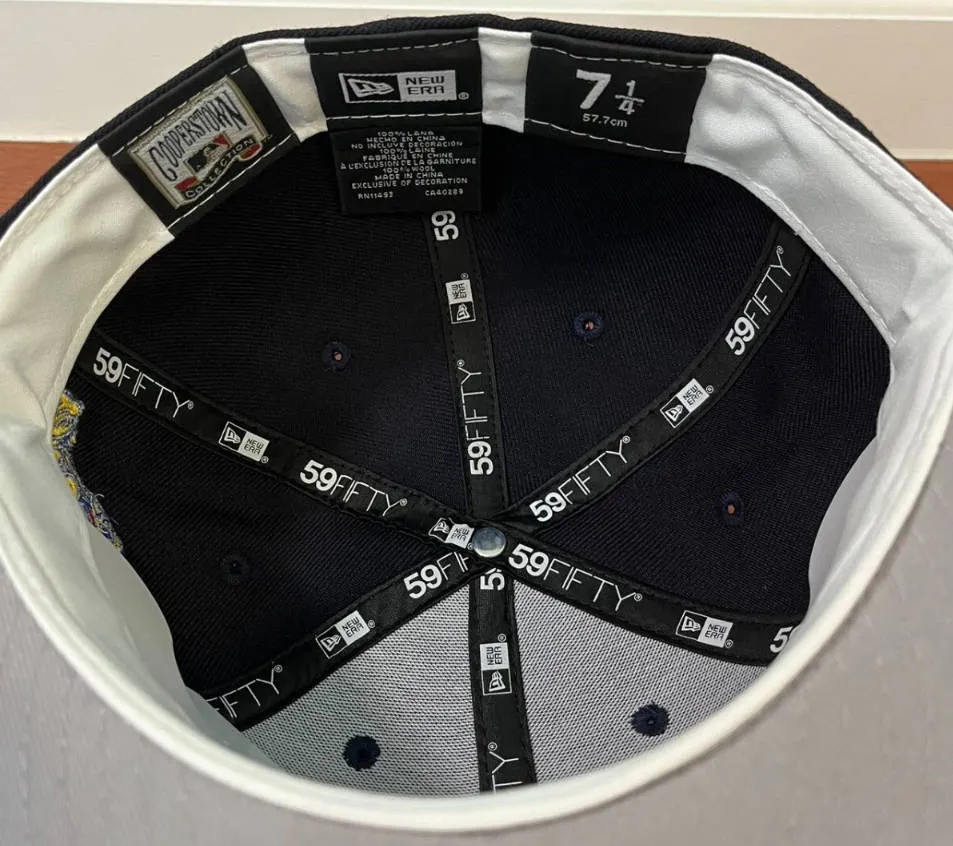
7. Sweatband Construction
Authentic New Era caps use sweatbands that feel comfortable and durable.
Counterfeit versions frequently use cheaper substitutes.
✔️ Real:
-
Soft texture
-
Even stitching
-
Strong attachment
-
Comfortable feel
-
Consistent finishing
❌ Fake:
-
Rough material
-
Thin construction
-
Uneven stitching
-
Loose attachment
-
Poor durability
📌 Examine where the sweatband meets the crown. Authentic stitching is usually very clean and uniform.
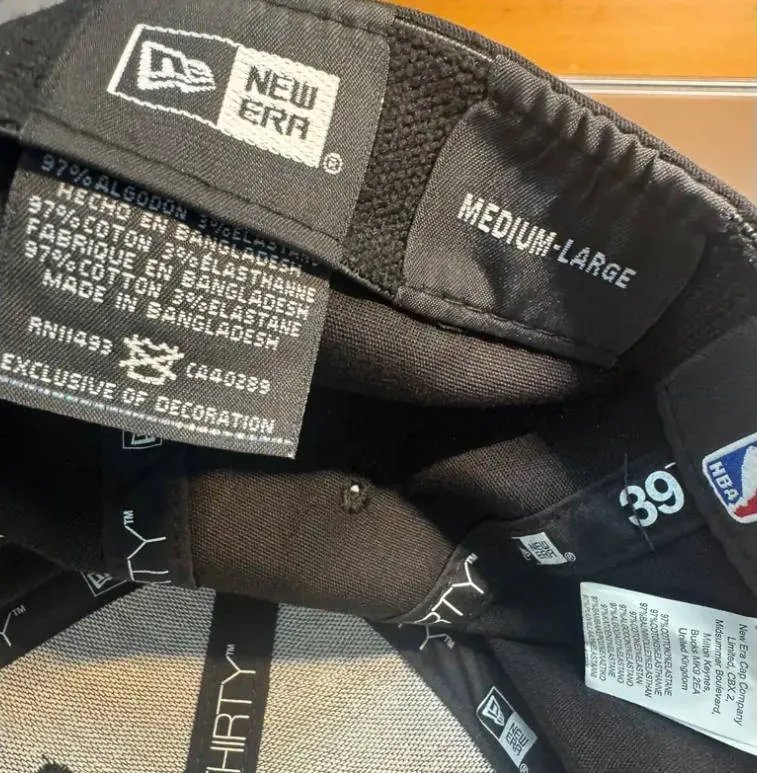
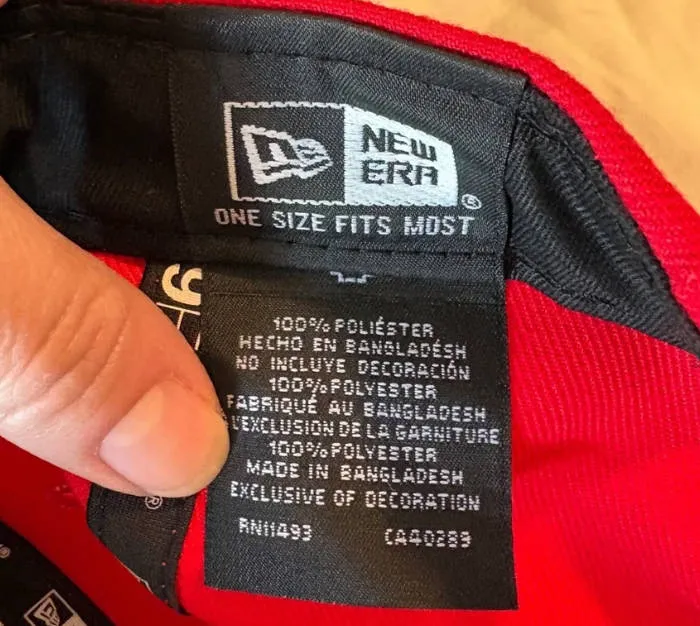
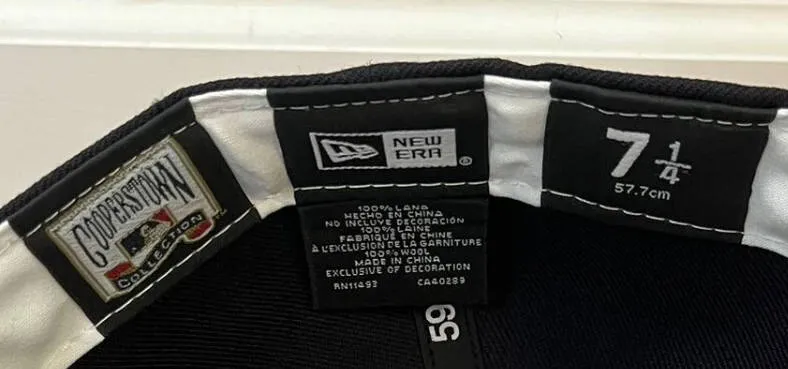
8. Size Label & Interior Tags
New Era sizing labels and interior tags contain important manufacturing information.
Many counterfeit products contain formatting errors or poor print quality.
Key Areas To Inspect
✧ Size Sticker
Usually Includes:
-
Size information
-
New Era branding
-
Style references
✧ Interior Size Tag
Typically Contains:
-
Manufacturing details
-
Size designation
-
Production information
✧ Care Label
Includes:
-
Fabric content
-
Care instructions
-
Country of manufacture
✔️ Real:
-
Clear printing
-
Proper alignment
-
Consistent fonts
-
High-quality labels
-
Accurate information
❌ Fake:
-
Blurry text
-
Misaligned labels
-
Incorrect formatting
-
Low-quality printing
-
Spelling mistakes
⚠️ Never rely on a single tag. Always compare all labels together.
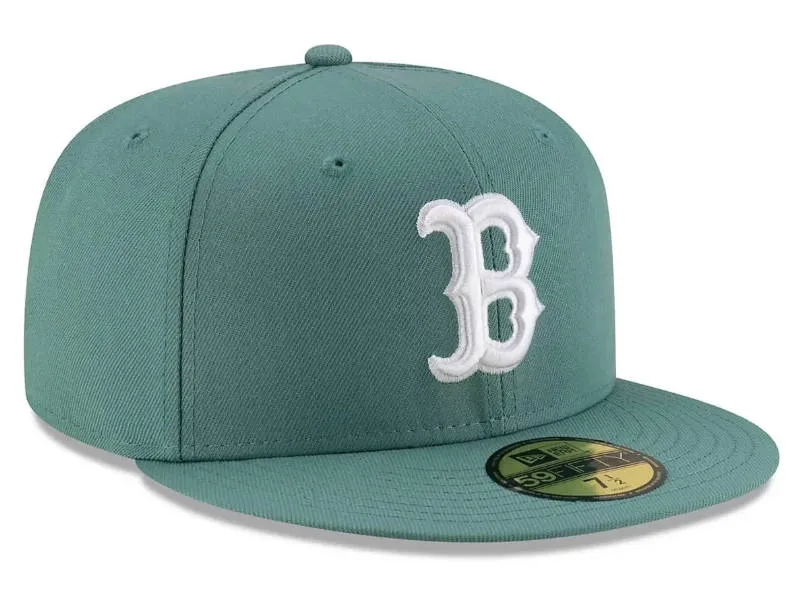
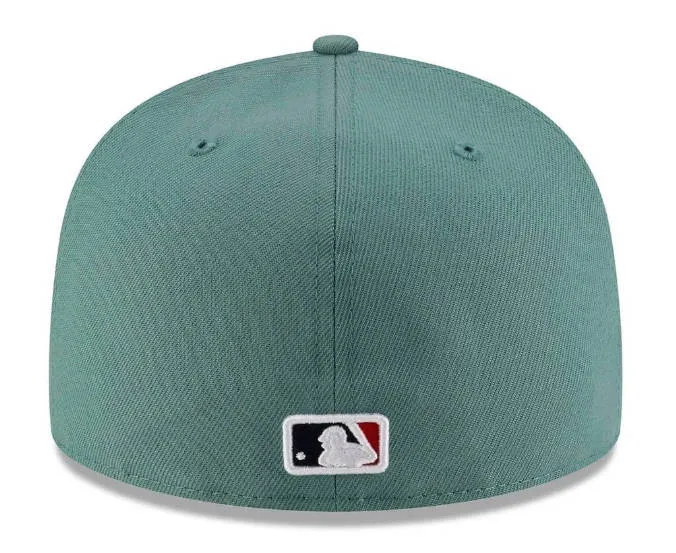
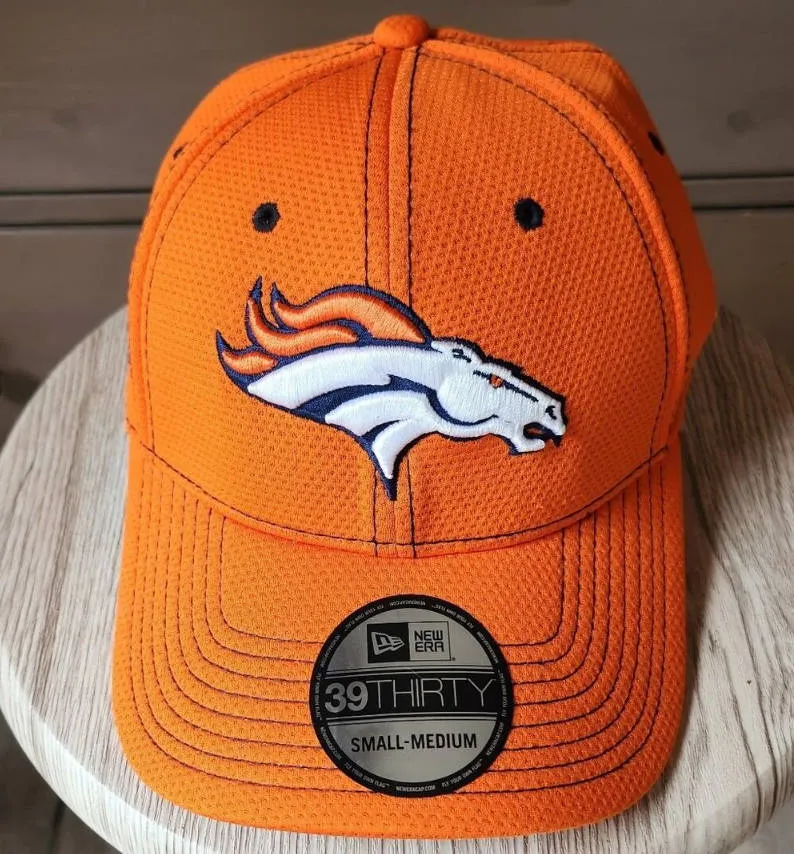
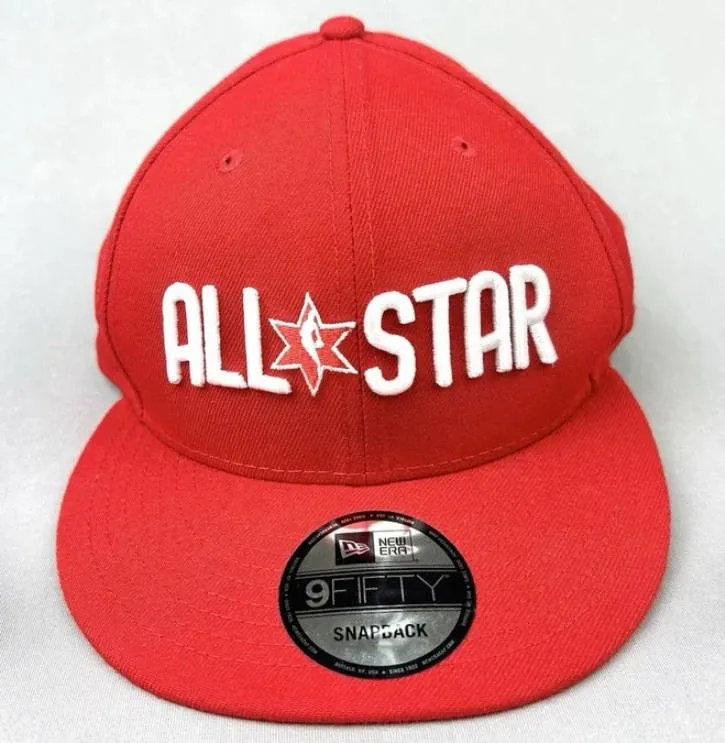
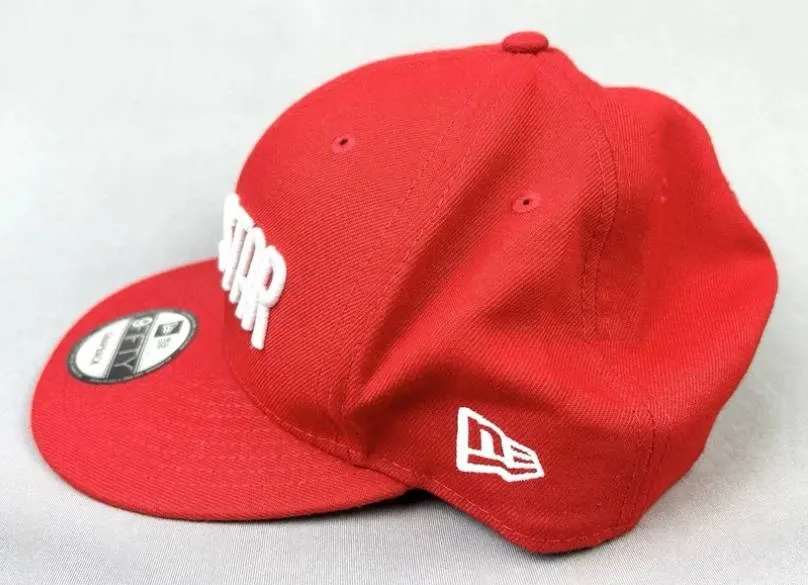
9. Overall Shape & Fit
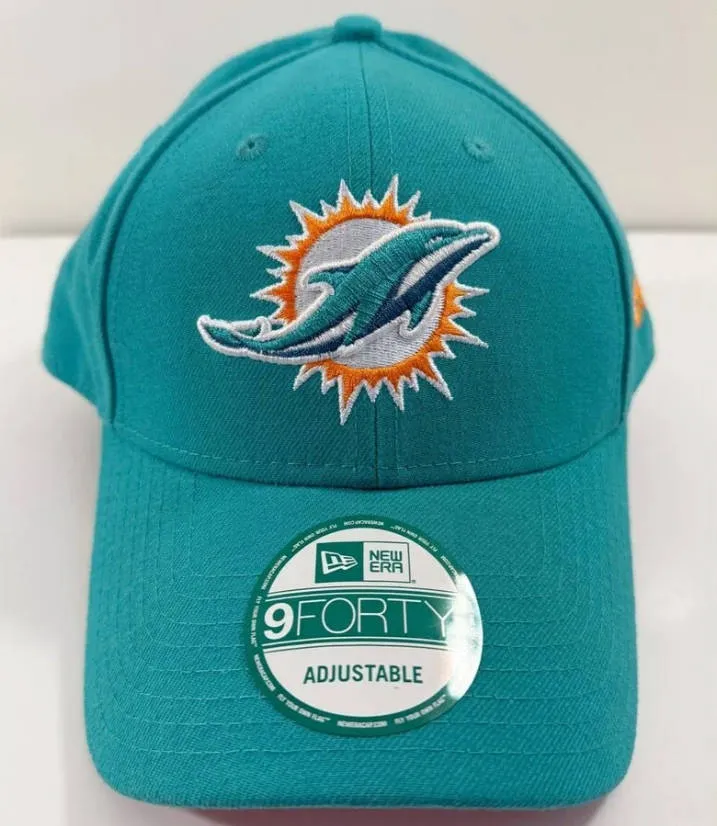
One of the most difficult details for counterfeit manufacturers to replicate is the overall silhouette.
Authentic New Era caps maintain a recognizable structure depending on the model.
Popular silhouettes include:
-
59FIFTY
-
9FIFTY
-
9FORTY
-
39THIRTY
Each model has distinct proportions and fit characteristics.
✔️ Real:
-
Balanced profile
-
Consistent shape
-
Proper crown height
-
Structured fit
-
Clean proportions
❌ Fake:
-
Awkward crown shape
-
Poor fit
-
Uneven profile
-
Strange proportions
-
Unnatural appearance
🧠 Pro Tips For Buyers
When Shopping Online
Always:
-
Request close-up photos
-
Inspect interior taping
-
Verify sweatband construction
-
Check licensing details
-
Compare embroidery quality
Avoid listings that:
-
Use only stock photos
-
Hide interior labels
-
Blur important areas
-
Refuse additional pictures
-
Offer prices far below market value
When Buying In Person
Check:
-
Crown symmetry
-
Embroidery density
-
Sweatband quality
-
Interior taping
-
Brim construction
-
Overall weight and feel
❓ FAQ: New Era Cap Authentication
Q1. Are all New Era caps made in the same country?
No. Manufacturing locations vary depending on the model, release year, and production batch. Construction quality is usually more important than country of manufacture.
Q2. Does the gold size sticker guarantee authenticity?
No.
Counterfeit manufacturers often copy size stickers. A sticker alone should never be used as proof of authenticity.
Q3. Are fitted caps more commonly counterfeited than adjustable caps?
Generally yes.
Popular fitted models, especially MLB team caps and limited-edition releases, are among the most heavily replicated.
Q4. Can fake New Era caps have convincing embroidery?
Yes.
Some higher-quality counterfeits feature decent embroidery, which is why buyers should inspect multiple authentication points rather than relying on one detail.
Q5. Is a missing holographic sticker a sign of a fake?
Not necessarily.
Sticker designs have changed over time, and some authentic releases may differ depending on region and production year.
Q6. Are collaboration releases more likely to be counterfeited?
Absolutely.
Limited-edition collaborations and exclusive colorways often attract counterfeit production because of their higher resale values.
Q7. Is a low resale price always suspicious?
Not always.
Some sellers simply want a quick sale. However, unusually low prices combined with poor photos or missing details should raise concern.
📝 Final Thoughts
Authenticating a New Era cap is rarely about one single detail. The most reliable approach is to evaluate the cap as a whole and compare multiple authentication checkpoints together.
While counterfeit manufacturers can imitate the general appearance of a New Era cap, they often struggle to reproduce the consistent craftsmanship found in authentic products. Details such as embroidery precision, crown symmetry, visor construction, interior taping, sweatband quality, and official licensing information usually reveal the difference between a genuine cap and a counterfeit one.
If you remember just three things:
✔️ Inspect The New Era Flag Logo Carefully
✔️ Check The Interior Taping And Labels
✔️ Evaluate The Overall Shape And Construction
—you will eliminate the majority of counterfeit caps immediately.
For rare fitted releases, limited-edition collaborations, exclusive team colorways, or high-value resale purchases, it is always wise to compare several authentication points before making a decision. A single detail can sometimes be copied successfully, but replicating every aspect of an authentic New Era cap remains extremely difficult.
The more areas you inspect, the easier it becomes to separate genuine New Era craftsmanship from counterfeit shortcuts. A careful examination of construction quality, embroidery accuracy, and licensing details will help you buy with confidence and avoid costly mistakes.