Investing in a designer handbag is no longer just about style—it's about understanding the secondary market's fluctuations. While Gucci remains a titan of Italian craftsmanship, not every silhouette carries the same weight on the resale floor. Whether you are looking to liquidate your collection or hunt for a "forever piece" that holds its worth, knowing which models are "liquid gold" and which lose value the moment they leave the boutique is essential. In this comprehensive breakdown, we analyze the current pre-owned luxury market to identify the Gucci icons that promise the best return on investment and the trend-heavy styles that might leave you in the red.
🧭 Gucci Resale Guide: Bags Ranked from Best Investments to Fastest Depreciating
When discussing luxury resale, Gucci occupies a very different position from brands like CHANEL or Hermès. Gucci is highly influential, trend-driven, and culturally dominant—but not every Gucci bag performs well financially on the secondary market.
Some Gucci bags maintain impressive resale strength due to iconic status and timeless appeal. Others lose value quickly because of seasonal hype cycles and rapid product turnover.
This guide ranks Gucci bags from:
✔ Best long-term investments
✔ Strong resale performers
✔ Moderate depreciators
✔ Fastest-dropping styles
Whether you're buying, selling, or collecting, this guide explains which Gucci bags are financially smarter—and which are primarily fashion purchases.
🔍 Why Gucci's Resale Market Works Differently
Unlike Chanel's controlled scarcity model, Gucci operates on a more fashion-forward, high-volume release structure.
Under creative eras led by figures like Tom Ford and Alessandro Michele, Gucci became known for:
✔ Trend acceleration
✔ Bold branding
✔ Seasonal experimentation
✔ Rapid cultural relevance
This creates a resale market that is:
-
Faster-moving
-
More trend-sensitive
-
Less stable long-term
As a result, Gucci bags typically fall into two categories:
-
Timeless logo classics → stronger retention
-
Trend-era statement bags → faster depreciation
📊 How Gucci Resale Value Is Measured
To evaluate Gucci bags fairly, we look at:
Key Resale Factors
✔ Value retention percentage
✔ Demand consistency
✔ Liquidity (speed of sale)
✔ Long-term cultural relevance
✔ Trend dependence
Example
Retail Price: $3,500
Average Resale: $2,800
👉 Retention = 80%
💎 Tier 1 — Best Gucci Investment Bags (80–100%+ Retention)
These are Gucci's strongest long-term resale performers.
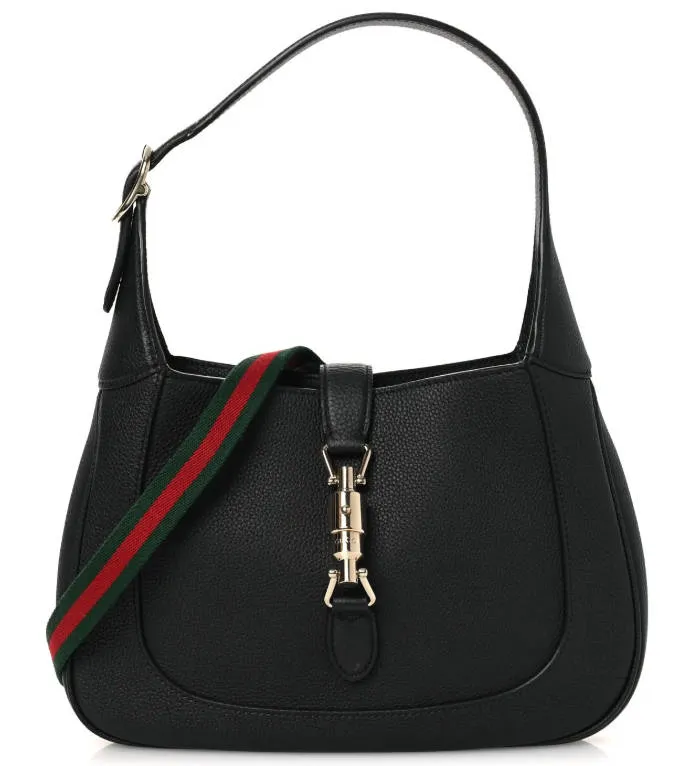
👜 Gucci Jackie 1961
Overview
Originally associated with Jacqueline Kennedy Onassis, the Jackie is one of Gucci's most enduring silhouettes.
The modern revival transformed it into a quiet luxury staple.
Resale Performance
-
Retention: 85–100%
-
Neutral colors often retain the highest value
Why It Performs So Well
✔ Heritage-driven design
✔ Less trend-dependent than logo-heavy bags
✔ Elegant minimalist silhouette
✔ Strong cross-generational appeal
Risks
-
Seasonal colorways depreciate faster
-
Canvas versions underperform leather models
Best For
✔ Long-term ownership
✔ Quiet luxury styling
✔ Stable resale expectations
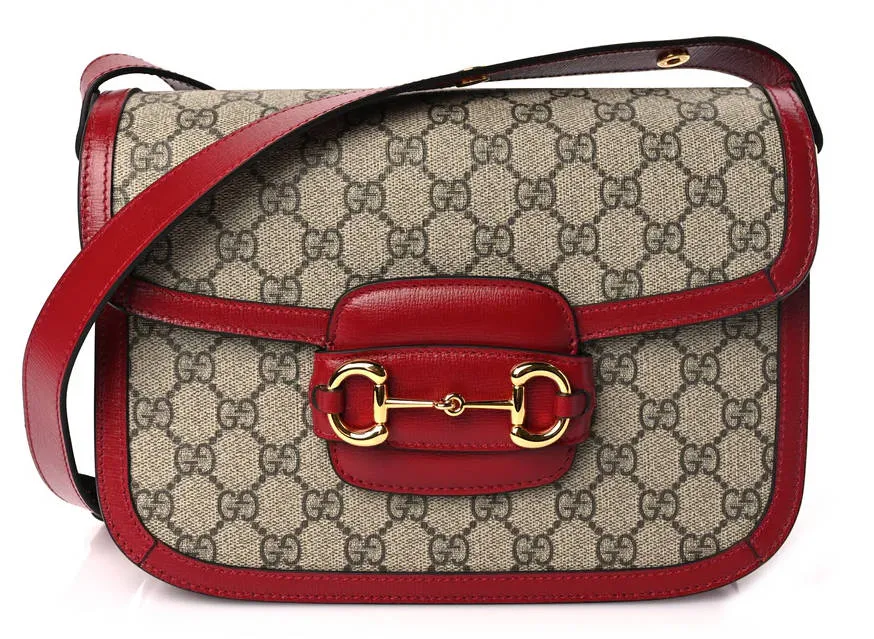
👜 Gucci Horsebit 1955
Overview
A structured heritage bag inspired by Gucci's equestrian roots.
Resale Performance
-
Retention: 80–95%
Why It Holds Value
✔ Timeless horsebit hardware
✔ Strong vintage-inspired appeal
✔ Less dependent on fashion cycles
Best For
✔ Everyday luxury
✔ Buyers wanting lower volatility
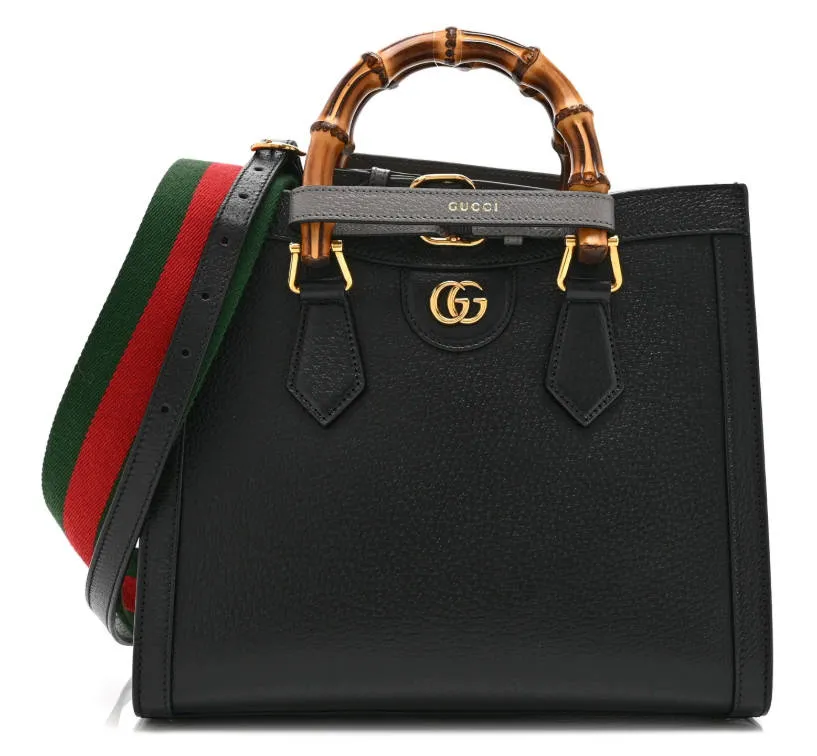
👜 Gucci Diana Bag
Overview
Recognizable by its bamboo handles and structured shape.
Associated historically with Princess Diana.
Resale Performance
-
Retention: 80–90%
Why It Performs
✔ Heritage bamboo detailing
✔ Strong storytelling value
✔ Balanced modern-vintage appeal
Considerations
Bright colors and embellished editions depreciate faster.
🔥 Tier 2 — Strong Resale Performers (65–85%)
These bags retain value reasonably well but rarely appreciate.
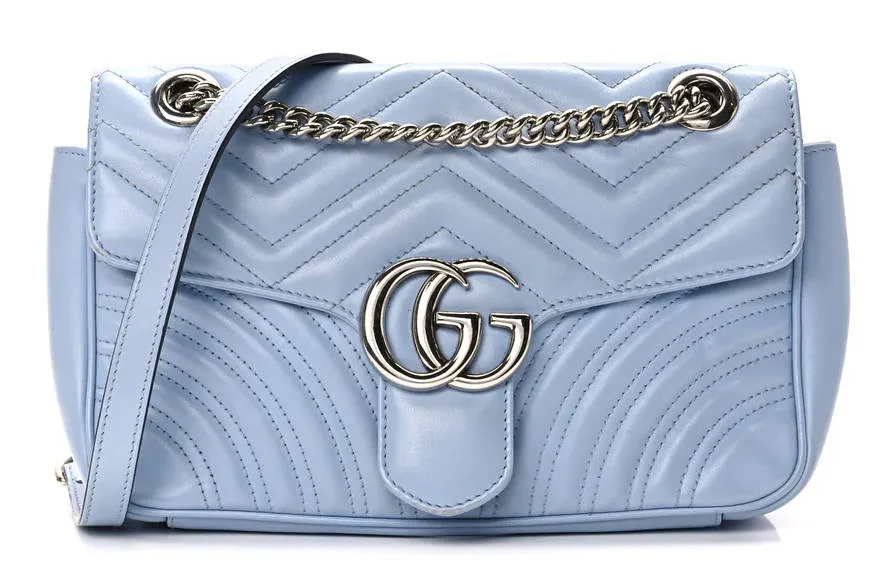
👜 Gucci Marmont Bag
Overview
One of Gucci's defining bags of the late 2010s.
Known for:
-
Chevron quilting
-
Double G hardware
-
Soft structure
Resale Performance
-
Retention: 65–80%
Market Reality
The Marmont was once everywhere, which created:
✔ Strong recognition
❌ Market saturation
Key Issue
Resale value depends heavily on:
-
Color
-
Size
-
Condition
-
Hardware finish
Black leather models outperform trend colors significantly.
Best For
✔ Daily use
✔ Accessible luxury styling
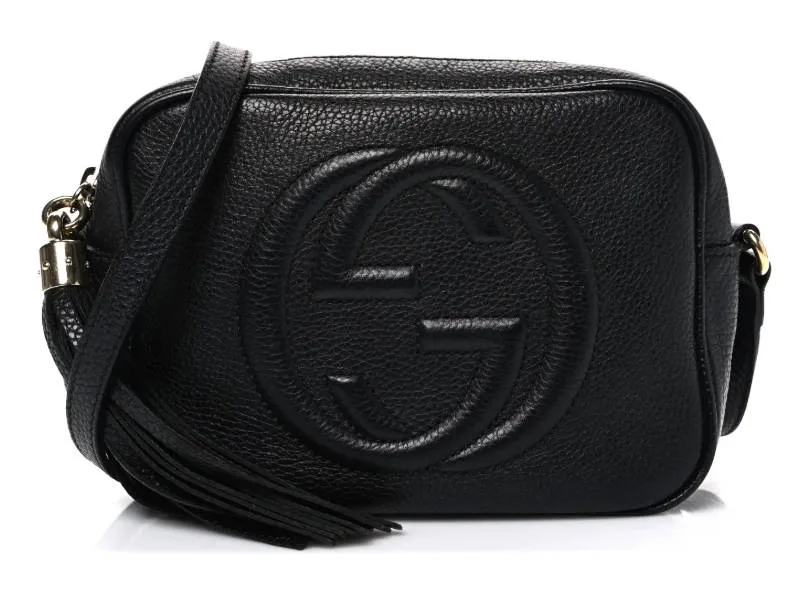
👜 Gucci Soho Disco Bag
Overview
Compact crossbody with embossed logo detailing.
Resale Performance
-
Retention: 70–85%
Why It Performs
✔ Lightweight practicality
✔ Casual versatility
✔ Lower retail entry point
Weakness
Less aspirational than Gucci's newer heritage lines.
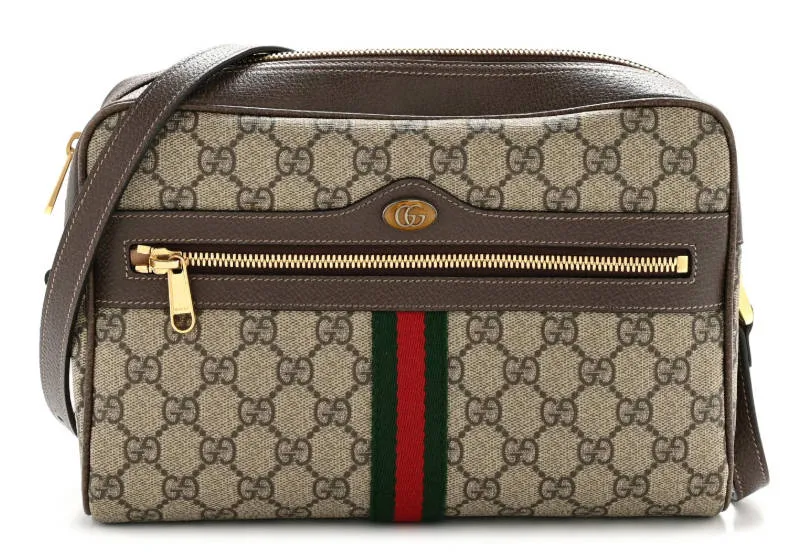
👜 Gucci Ophidia Collection
Overview
Vintage-inspired GG canvas line featuring web stripes.
Resale Performance
-
Retention: 70–85%
Why It Holds Up
✔ Recognizable Gucci DNA
✔ Durable coated canvas
✔ Broad market appeal
Downside
High production volume limits rarity.
⚖️ Tier 3 — Moderate Depreciation (50–70%)
These are fashion-oriented pieces with weaker long-term stability.
👜 Gucci Dionysus Bag
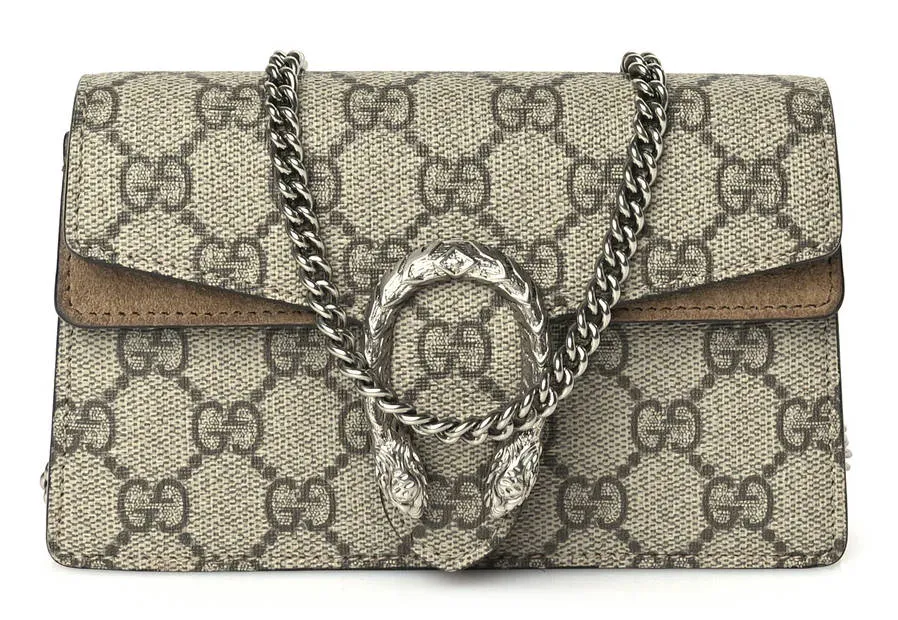
Overview
Structured bag with tiger-head closure.
One of Alessandro Michele's signature designs.
Resale Performance
-
Retention: 55–70%
Why It Slowed Down
✔ Heavy hardware aesthetic
✔ Peak hype cycle has passed
✔ More trend-era association
Verdict
Still stylish, but no longer a resale powerhouse.
👜 Gucci Padlock Bag
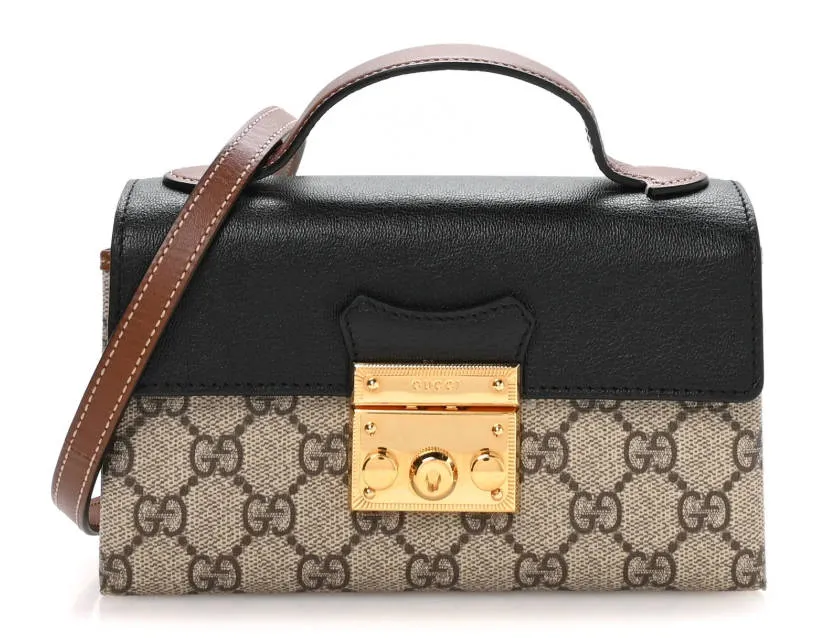
Overview
Structured silhouette with lock closure.
Resale Performance
-
Retention: 50–65%
Why It Underperforms
✔ Less iconic identity
✔ Competitive overlap with many luxury brands
👜 Seasonal Collaboration Pieces
Overview
Limited capsules, bold prints, logo-heavy experiments.
Resale Performance
-
Retention: 50–70%
Key Problem
Trend cycles move extremely fast.
What feels exclusive today may feel outdated within 2–3 years.
📉 Tier 4 — Fastest Depreciating Gucci Bags (30–50%)
These lose value the quickest after purchase.
👜 Oversized Logo Totes
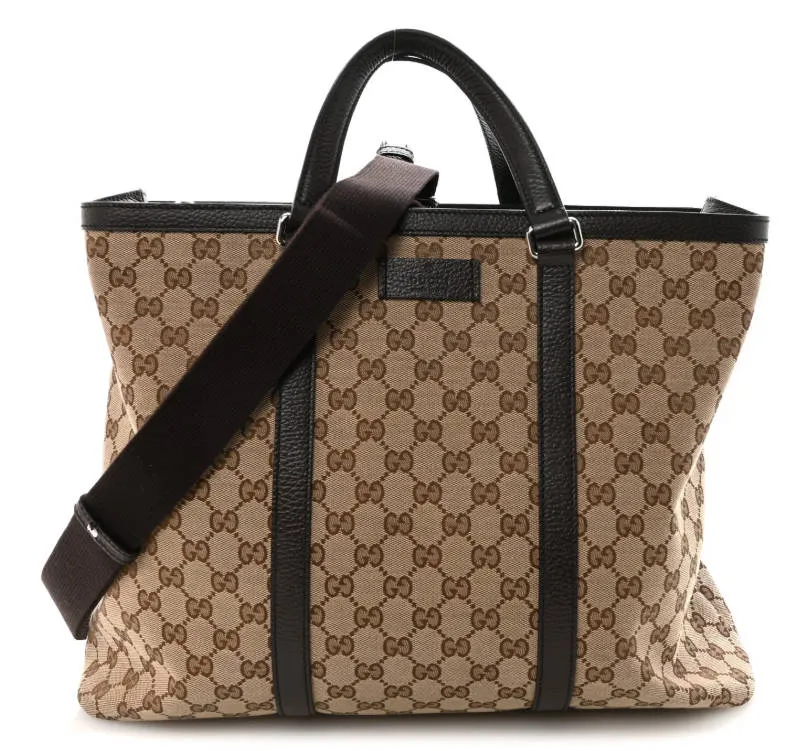
Overview
Large monogram-heavy totes produced in high quantities.
Resale Performance
-
Retention: 35–50%
Why They Drop Fast
✔ Heavy wear visibility
✔ Oversupply on resale platforms
✔ Less collector demand
👜 Trend-Driven Belt Bags & Mini Shapes
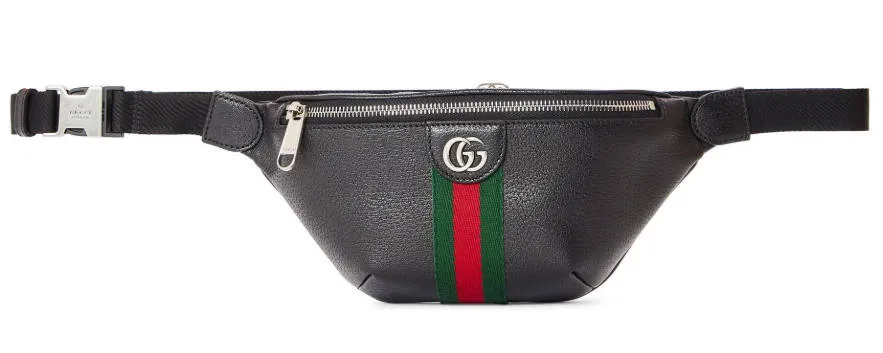
Overview
Fashion-forward silhouettes tied to specific trends.
Resale Performance
-
Retention: 30–50%
Why They Struggle
✔ Short trend lifespan
✔ Limited practicality
✔ Small buyer pool after hype fades
👜 Highly Embellished Runway Bags
Overview
Crystal-covered, embroidered, or maximalist runway pieces.
Resale Performance
-
Retention: 30–45%
Main Issue
The more specific the aesthetic, the narrower the resale audience.
📊 Gucci Bag Ranking Summary
| Tier | Bag Type | Retention | Investment Rating |
| Tier 1 | Jackie 1961 / Horsebit 1955 / Diana | 80–100% | ⭐⭐⭐⭐⭐ |
| Tier 2 | Marmont / Soho Disco / Ophidia | 65–85% | ⭐⭐⭐⭐ |
| Tier 3 | Dionysus / Padlock / Seasonal | 50–70% | ⭐⭐⭐ |
| Tier 4 | Logo Totes / Belt Bags / Runway Pieces | 30–50% | ⭐⭐ |
💡 Smart Gucci Resale Strategy
For Buyers
✔ Prioritize heritage-inspired lines
✔ Stick to neutral leather colorways
✔ Avoid overly trend-specific editions
✔ Buy classics instead of seasonal hype
For Sellers
✔ Sell trend-driven bags early
✔ Keep packaging and receipts
✔ Photograph condition carefully
✔ List before trend saturation peaks
⚠️ Common Gucci Resale Mistakes
❌ Buying logo-heavy pieces purely for hype
❌ Assuming limited edition always means appreciation
❌ Ignoring market saturation
❌ Overestimating runway piece demand
❓ FAQ — Gucci Resale Value
1. Which Gucci bag holds value best?
👉 Jackie 1961 currently ranks among Gucci's strongest resale performers.
2. Do Gucci bags appreciate like Chanel?
Generally, no.
Most Gucci bags:
-
retain value,
-
depreciate slowly,
-
or stabilize over time,
rather than significantly appreciating.
3. Is Gucci worth buying for investment?
Some heritage models are relatively stable, but Gucci is primarily:
💬 a fashion purchase first, investment second.
4. Why do some Gucci bags depreciate quickly?
Because Gucci operates on:
-
faster fashion cycles,
-
higher production volume,
-
stronger trend dependency.
5. Which Gucci materials perform best?
✔ Smooth leather
✔ Structured leather
✔ Neutral-tone coated canvas
These outperform:
-
satin,
-
embellished fabric,
-
or novelty finishes.
🧠 Final Thoughts
The Gucci resale market rewards heritage, restraint, and timeless design far more than short-term hype.
At first glance, it may seem like Gucci's loudest, most trend-driven bags would dominate resale forever. But over time, the market consistently gravitates back toward styles rooted in the brand's historical identity.
That's why bags like the Jackie 1961, Horsebit 1955, and Diana continue to outperform many louder seasonal releases.
💡 The Core Rule of Gucci Resale
💬 The more timeless and heritage-focused the bag, the stronger the long-term resale performance.
Gucci's strongest performers are usually:
✔ Understated rather than flashy
✔ Historically connected to the brand
✔ Less dependent on seasonal fashion cycles
Meanwhile, highly trend-driven pieces often experience:
-
Rapid popularity spikes
-
Fast resale cooling
-
Increased market saturation
🛍️ Investment vs. Fashion
Unlike Chanel or Hermès, Gucci is rarely a pure investment brand.
Instead, Gucci occupies a middle ground:
✔ More fashion-driven
✔ More culturally experimental
✔ More trend-sensitive
That's not necessarily negative—it simply changes the buying strategy.
📊 Condition Matters More Than Many Buyers Expect
Because Gucci resale prices are generally lower than ultra-luxury competitors, condition becomes even more important.
A heavily worn Gucci bag can lose value quickly due to:
-
corner wear,
-
canvas cracking,
-
hardware fading,
-
strap deformation.
Meanwhile, a pristine full-set bag may outperform market averages significantly.
⏳ Timing Is Critical
Gucci trends move faster than most luxury brands.
That means:
✔ buying too late into a trend cycle can hurt value,
✔ while selling before saturation peaks can preserve much more equity.
For many Gucci bags, the first 1–3 years are the most important resale window.
🏁 Final Verdict
If your priority is:
-
long-term value,
-
lower depreciation,
-
and easier resale,
focus on:
✔ Jackie 1961
✔ Horsebit 1955
✔ Diana
If your priority is:
-
fashion experimentation,
-
statement styling,
-
or trend participation,
then styles like the Marmont or Dionysus can still be excellent purchases—just without the expectation of strong appreciation.
In the end, the smartest Gucci strategy is simple:
💬 Choose timelessness when you want security. Choose trends when you want excitement. Know which one you're paying for.