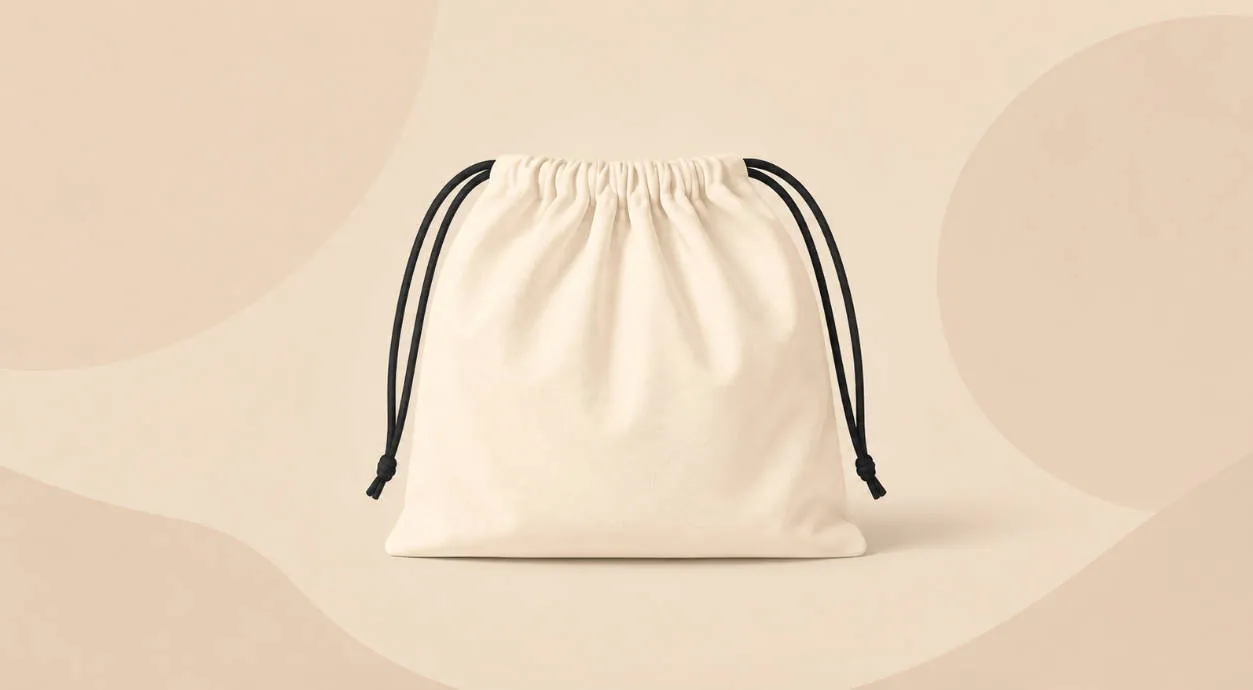
When investing in a luxury piece like a Gucci bag, every detail counts—right down to the packaging. While many counterfeiters focus on replicating the handbag itself, they often overlook the humble dust bag, leaving behind telltale signs of a replica. Whether you're browsing the pre-loved market or just want to verify your latest purchase, our comprehensive breakdown covers the subtle nuances of fabric texture, logo typography, and stitching that separate authentic Gucci packaging from high-quality knockoffs.
🧵 Gucci Dust Bag Overview
Gucci dust bags are more than just protective covers; they are a critical component of the brand's packaging and a primary tool for authenticating luxury items. Over the decades, these bags have evolved in material, color, and branding to reflect the era of the creative director in charge.
1. What Is a Gucci Dust Bag?
A Gucci dust bag is a soft fabric pouch (usually with a drawstring closure) designed to store and protect luxury items when not in use. It’s typically included with purchases and is considered part of the full packaging set.
Its main purpose is to shield items from:
-
Dust and dirt
-
Sunlight (which can cause fading)
-
Scratches and friction
-
Humidity and mold
Luxury brands use dust bags not just for practicality, but also to reinforce brand identity and perceived value.
2. Why It Matters
Even though it looks basic, a Gucci dust bag is important for:
✔️ Long-term Care
Leather and canvas materials are sensitive to environmental conditions. Breathable dust bags help preserve:
-
Shape
-
Color
-
Texture
✔️ Resale Value
Having the original dust bag can increase resale value by 5–15% in the secondary market.
✔️ Authentication Clues
Dust bags are often used in real vs. fake checks, since counterfeit items frequently include incorrect versions.
3. Common Materials
Gucci dust bags vary depending on the product and era, but typical materials include:
-
Cotton (most common) – breathable and durable
-
Microfiber / flannel – soft, slightly plush feel
-
Satin / silk-like fabric – used for shoes or premium items
-
Nylon – modern, lightweight, sometimes water-resistant
All authentic versions are soft, non-abrasive, and breathable.
A Gucci dust bag might seem like a simple accessory, but it plays a crucial role in authentication, resale value, and overall buyer trust. Counterfeiters know this. That’s why fake Gucci dust bags are increasingly convincing—and often used to make replica items appear legitimate. Below are the most important details to examine before making a purchase.
🧭 Gucci Dust Bag Real vs. Fake Guide
⚡ Quick Comparison Table
| Check Point | Authentic Characteristics | Red Flags |
| Fabric | Soft cotton or linen, breathable | Polyester-like, shiny, rough |
| Color | Consistent cream, brown, or dark tones | Off-tone, too bright, inconsistent |
| Logo Print | Sharp, centered, correct font | Blurry, faded, misaligned |
| Drawstrings | Thick cotton cords, durable | Thin, synthetic, fraying |
| Stitching | Even, tight, clean finish | Loose threads, uneven seams |
| Label Tag | High-quality, stitched neatly | Cheap tag, glued or crooked |
| Size & Shape | Structured, proportional | Odd sizing, misshaped |
| Font Accuracy | Correct Gucci serif font | Wrong spacing or thickness |
| Overall Feel | Premium, soft, weighty | Cheap, flimsy |
1. Fabric Quality & Material
The first thing you should notice is how the dust bag feels.
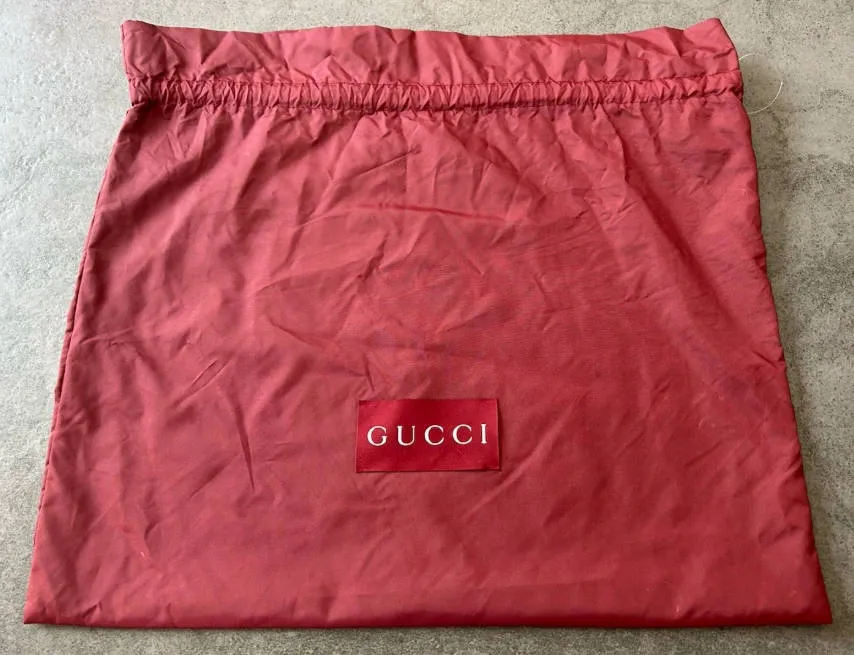
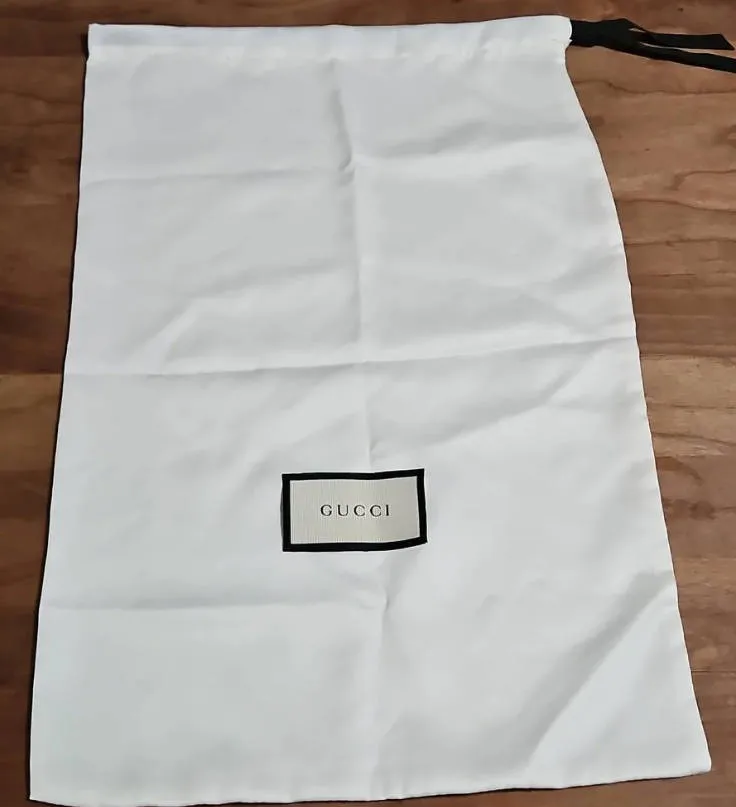
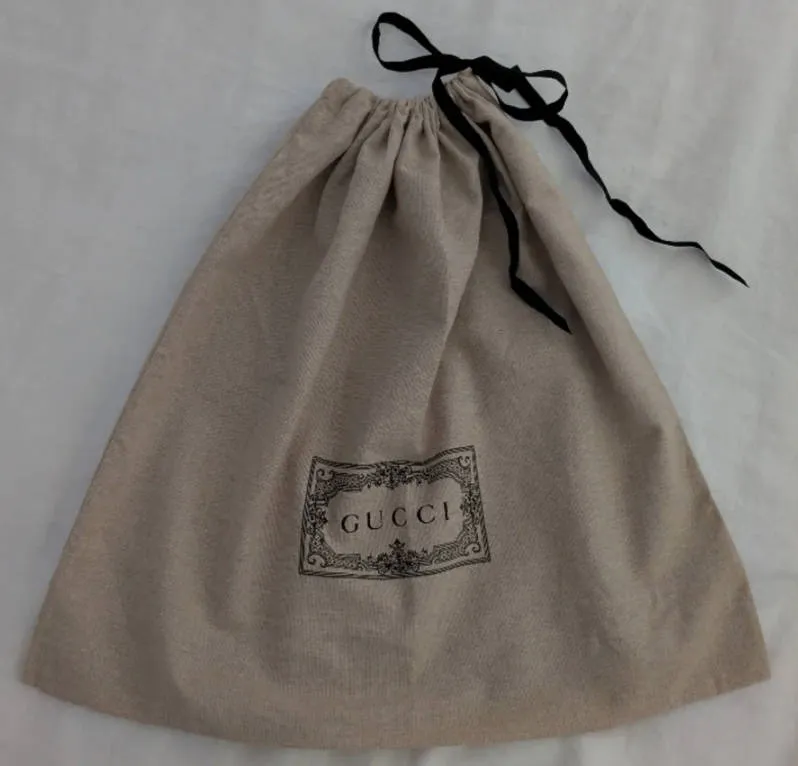
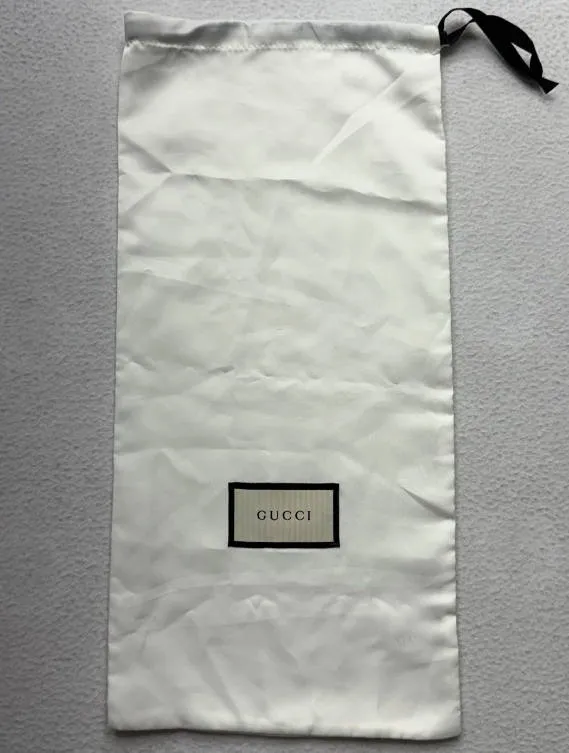
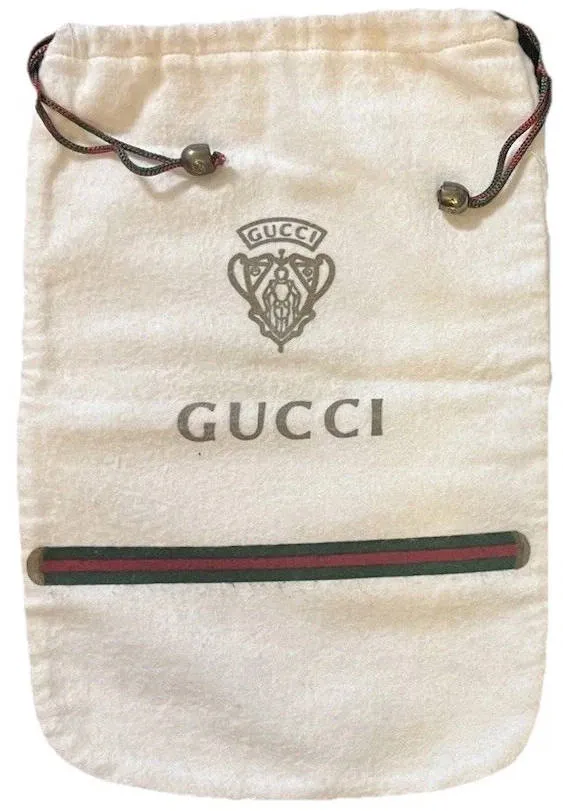
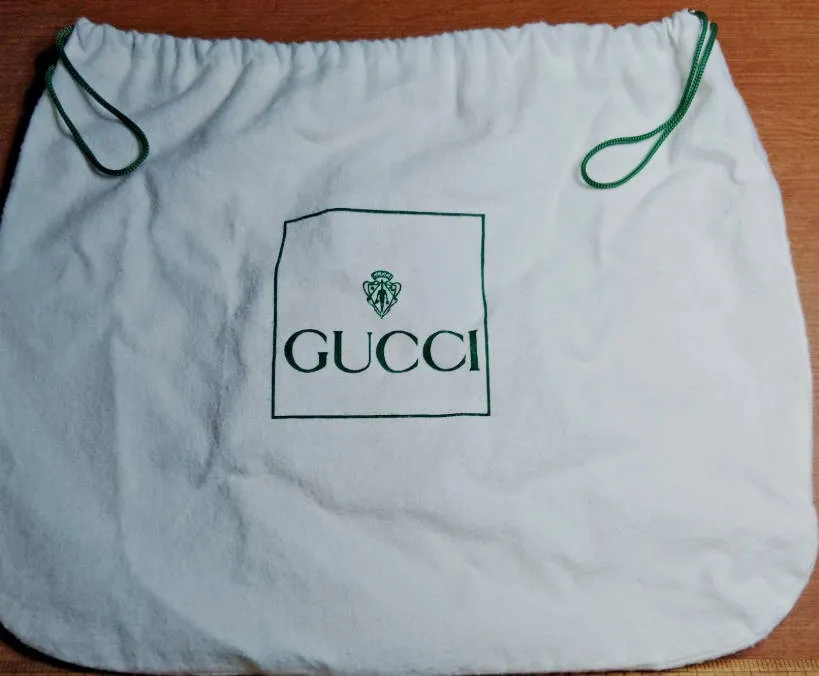
✔️ Real:
-
Made from high-quality cotton or linen blend
-
Soft, breathable, slightly textured
-
Matte finish (never shiny)
-
Durable yet flexible
❌ Fake:
-
Feels like polyester or nylon
-
Slick or plastic-like texture
-
Too thin or overly stiff
-
Cheap, mass-produced feel
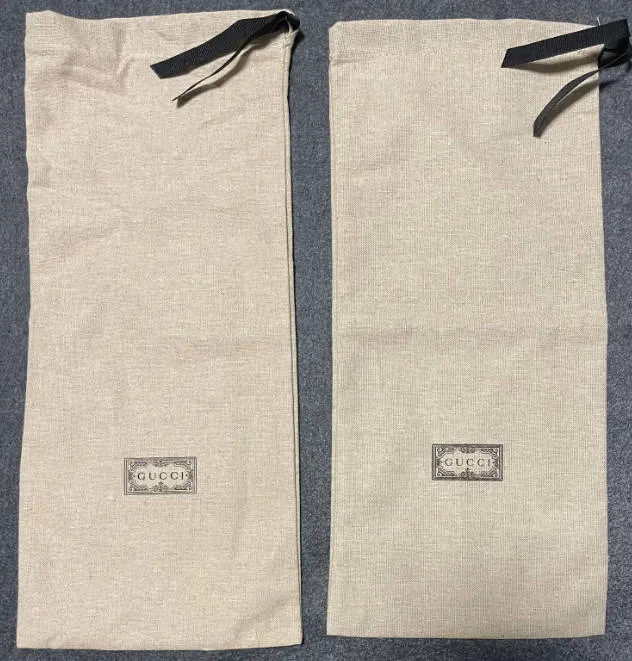
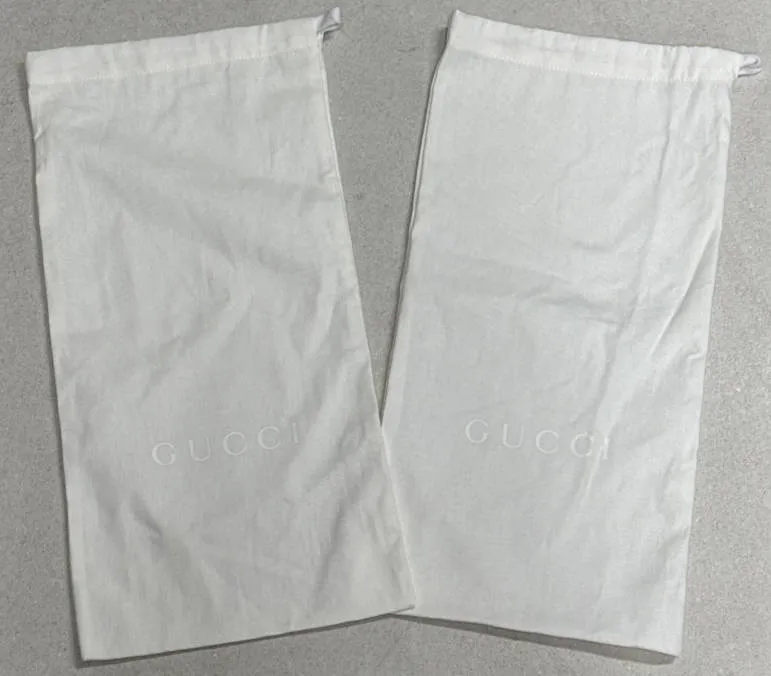
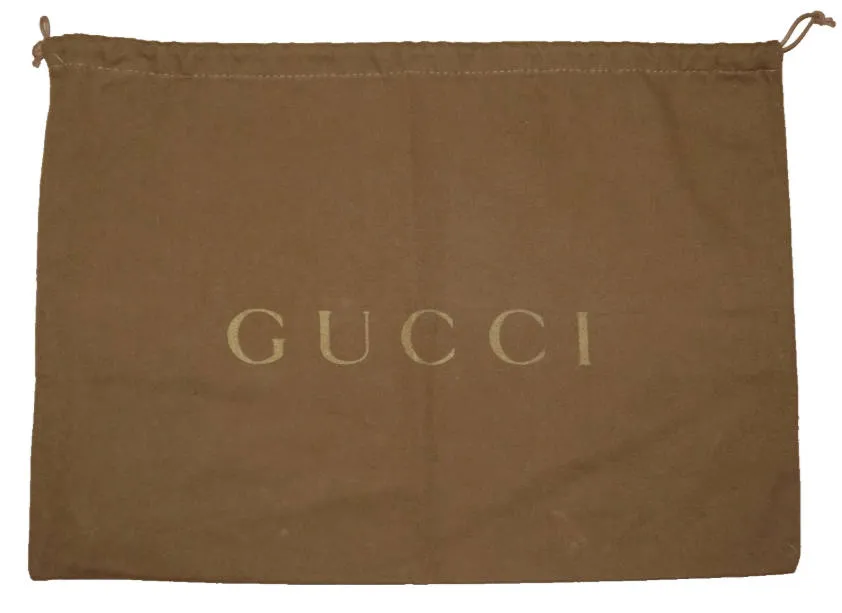
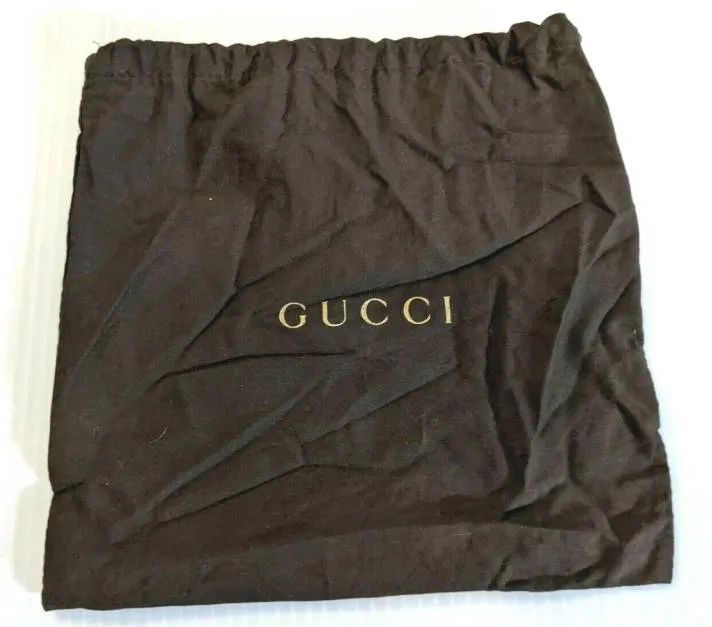
2. Color Accuracy
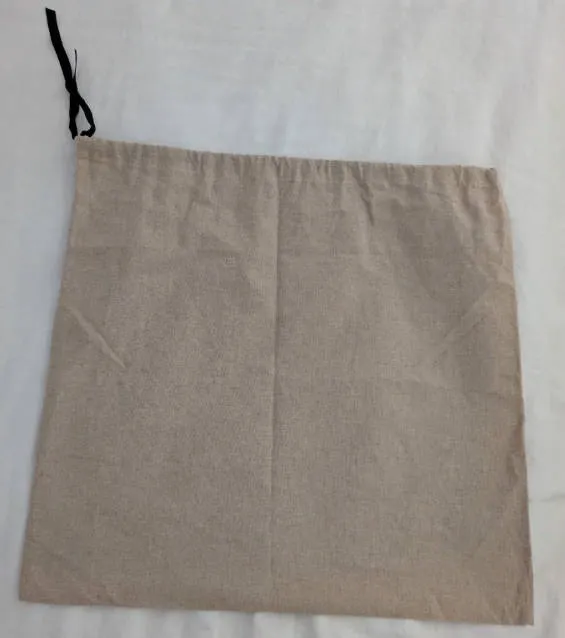
Gucci uses a range of neutral tones, depending on the collection year.
✔️ Real:
-
Cream / off-white (most common)
-
Deep brown (older styles)
-
Occasionally dark grey or black
-
Even, consistent dye
❌ Fake:
-
Yellowish or overly bright white
-
Uneven coloring or discoloration
-
Incorrect shade for the product era
💡 Always compare with official packaging from the same collection.
3. Logo Print Quality
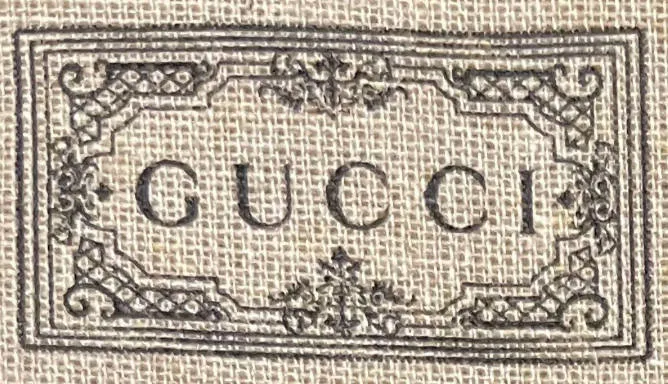
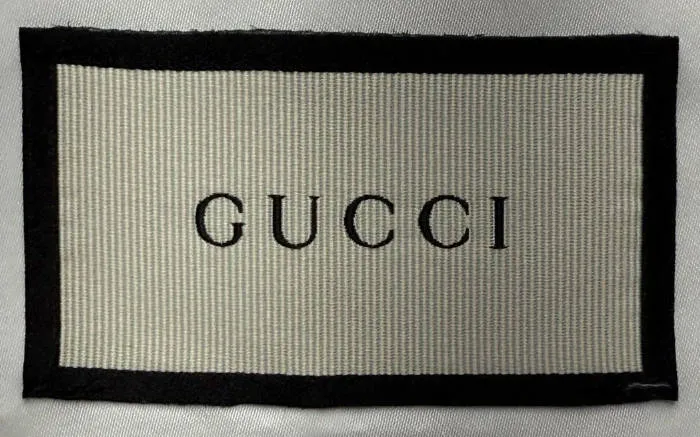
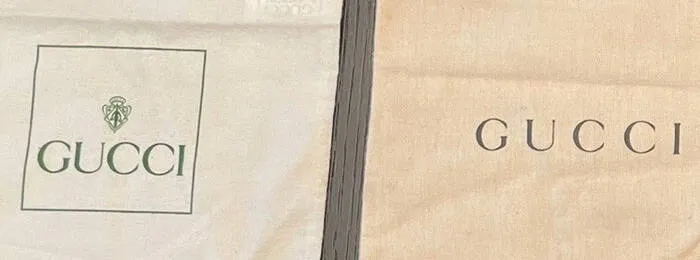
The Gucci logo is one of the easiest ways to spot a fake.
✔️ Real:
-
Clean, sharp print
-
Proper serif font (thin + elegant)
-
Even spacing between letters
-
Centered and proportionate
❌ Fake:
-
Blurry or faded ink
-
Thick or uneven lettering
-
Misaligned placement
-
Incorrect font style
📌 If the logo looks "off" at a glance—it probably is.
4. Font & Typography Details
Authentic Gucci typography is extremely precise.
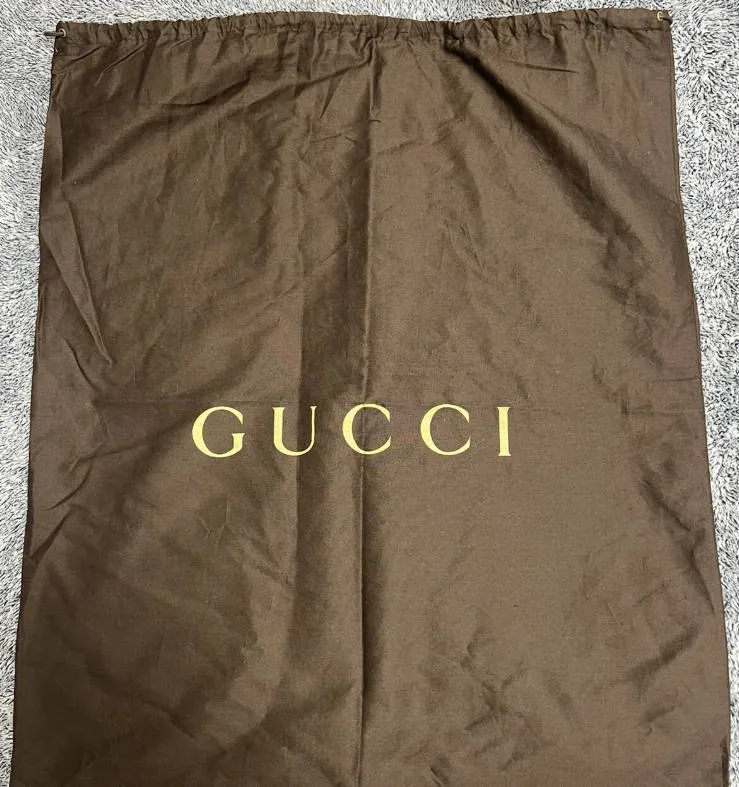
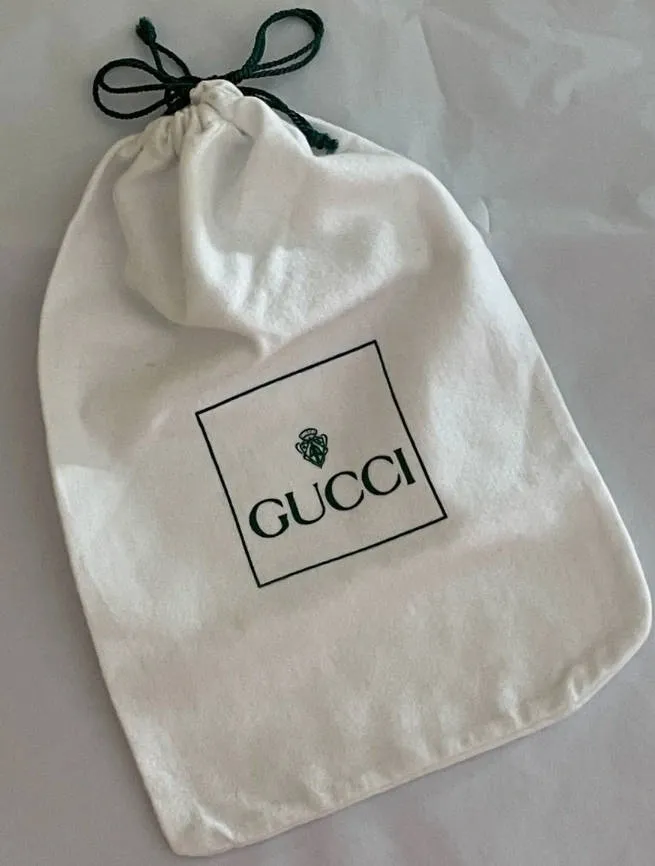
✔️ Real:
-
Balanced letter spacing
-
Distinct serif details (especially "G" and "U")
-
Consistent thickness across letters
❌ Fake:
-
Letters too close or too far apart
-
Rounded or distorted edges
-
Inconsistent font weight
5. Drawstring Construction
Drawstrings are a subtle but telling detail.
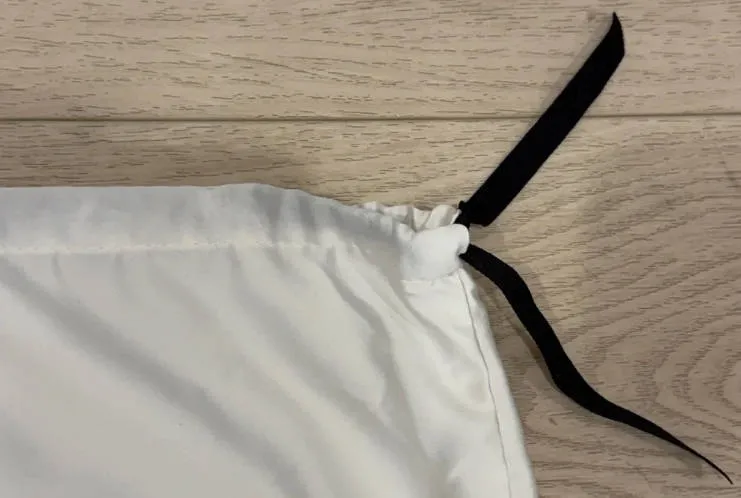
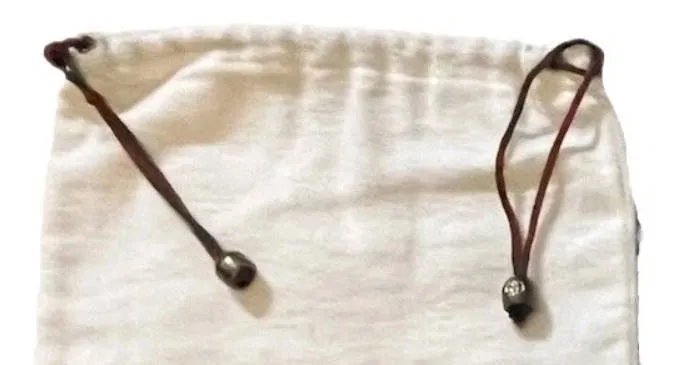
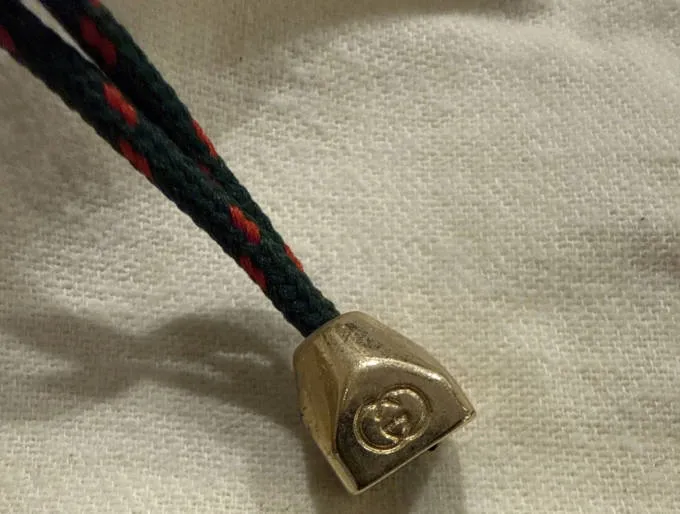
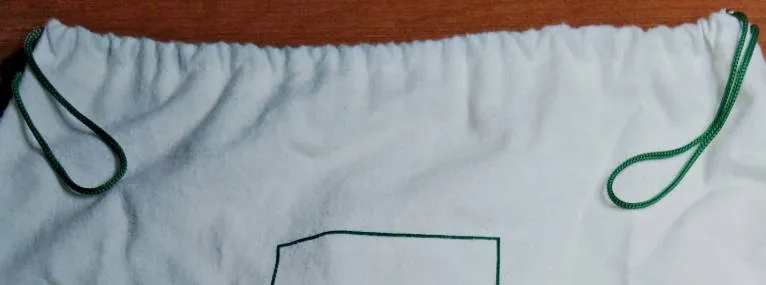
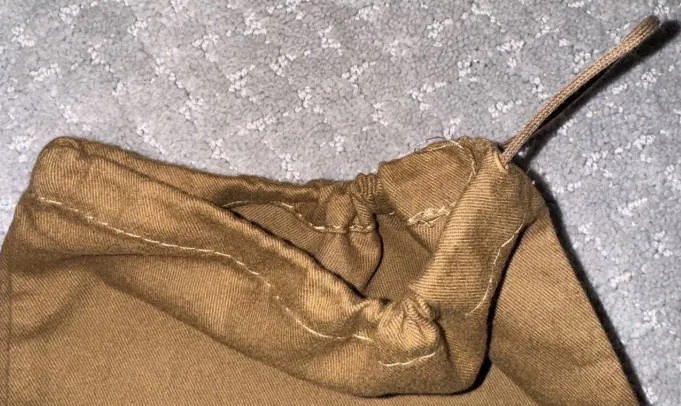
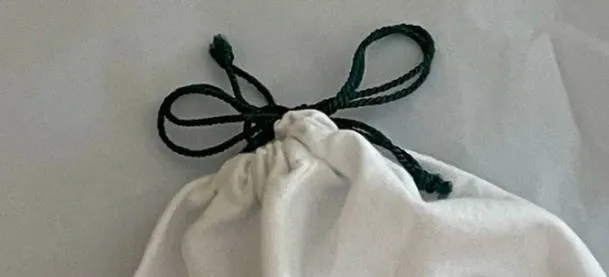
✔️ Real:
-
Thick, woven cotton cords
-
Strong, tightly braided
-
Ends are cleanly finished
-
Smooth opening/closing
❌ Fake:
-
Thin, synthetic strings
-
Fraying ends
-
Feels weak or slippery
-
Poor functionality
6. Stitching Quality
Luxury brands never compromise on stitching—even for dust bags.
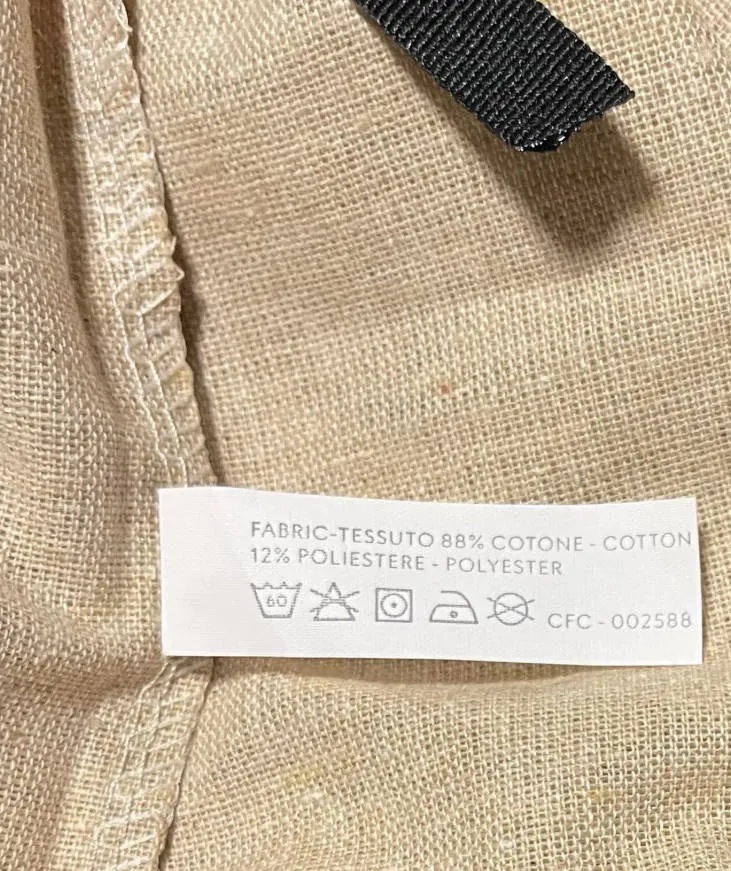
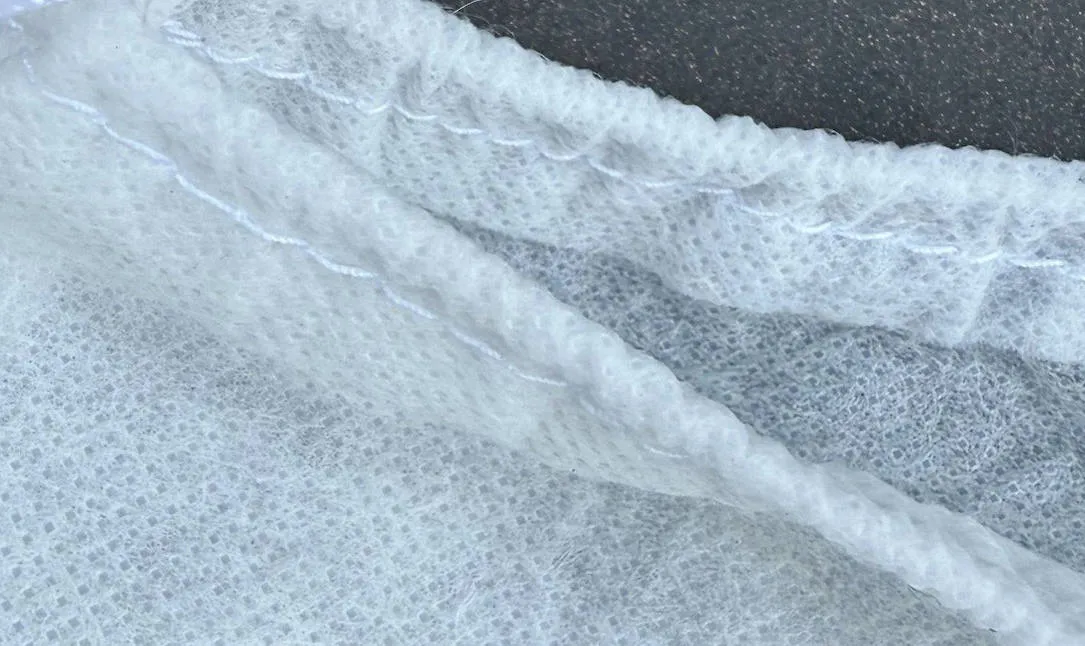
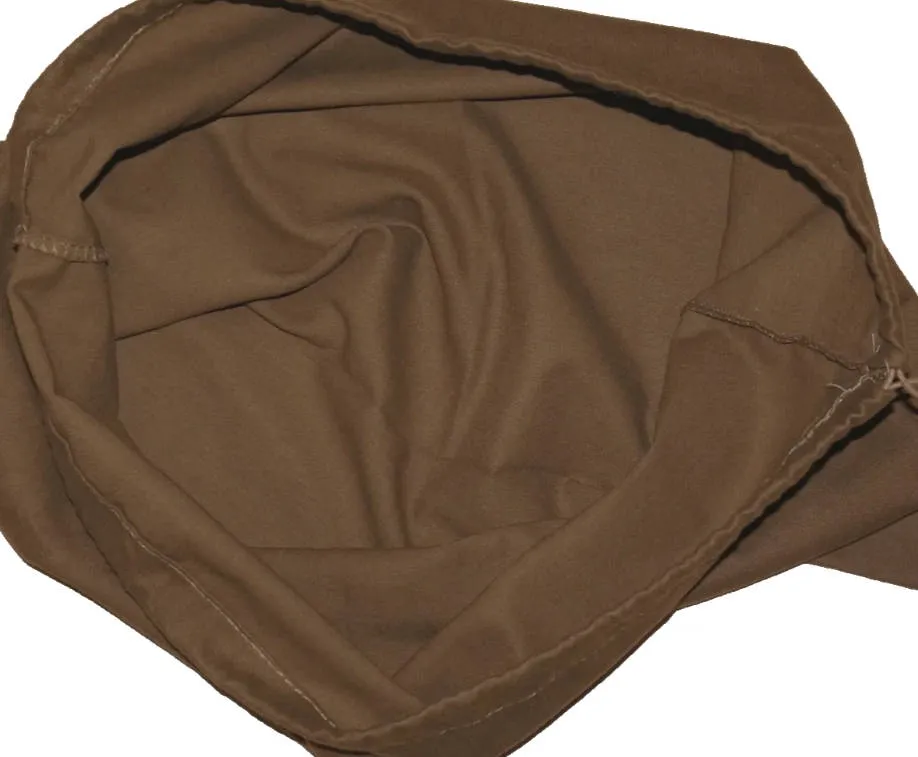
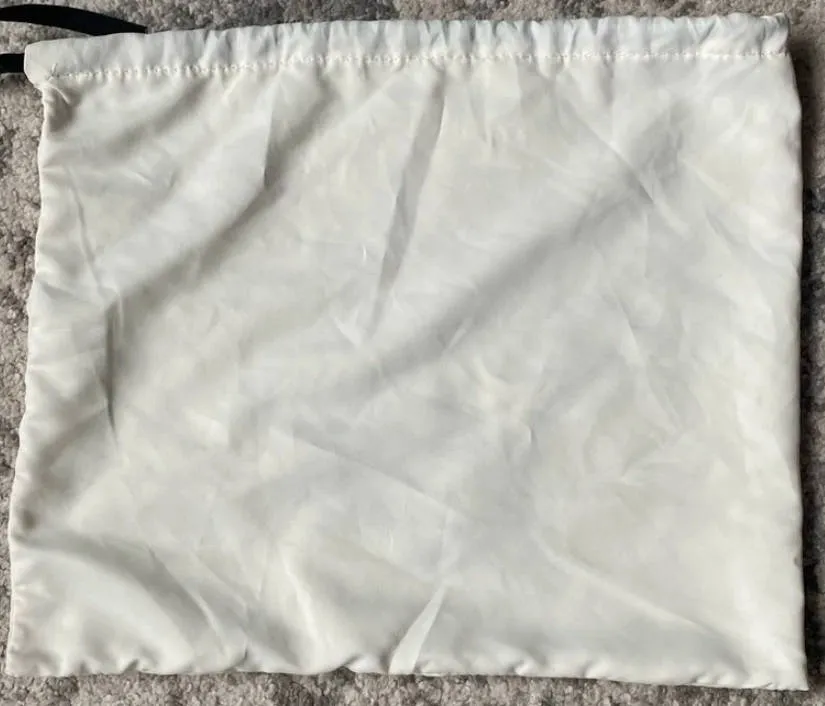
✔️ Real:
-
Tight, straight stitching lines
-
No loose threads
-
Reinforced seams
-
Symmetrical construction
❌ Fake:
-
Uneven stitching
-
Loose or hanging threads
-
Crooked seams
-
Inconsistent spacing
💡 Flip the bag inside out if possible—authentic stitching is clean inside too.
7. Interior Label Tag (If Present)
Not all dust bags have tags, but when they do—they matter.
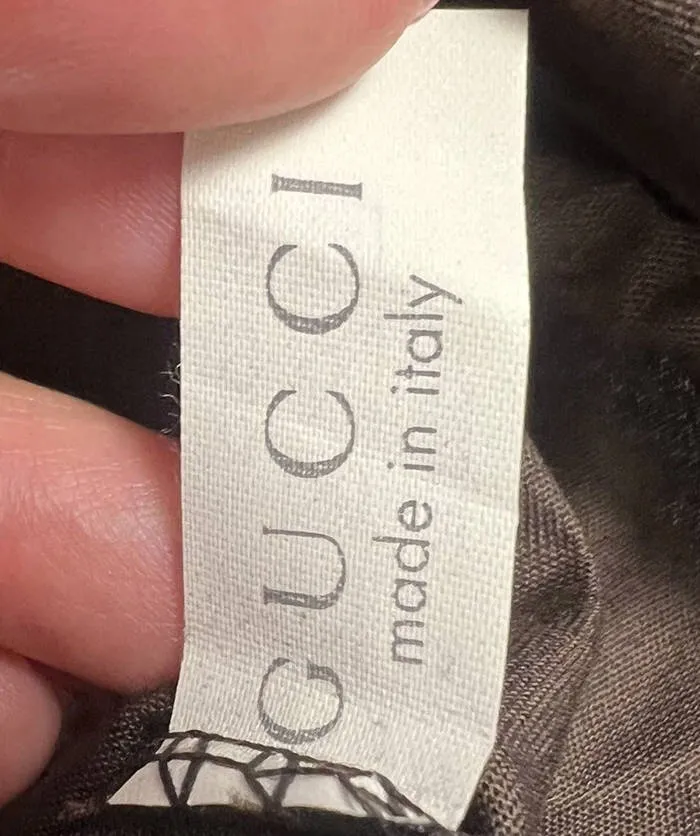
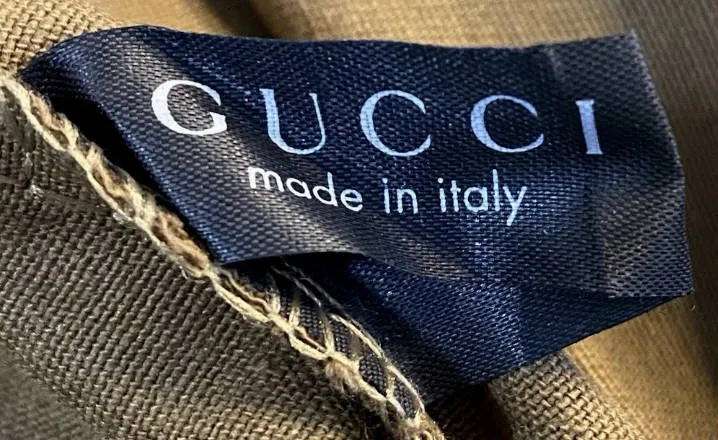
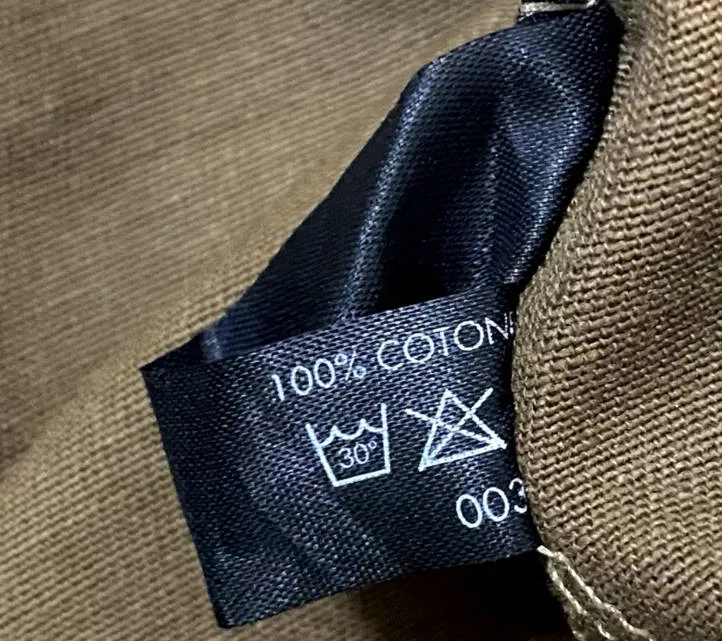
✔️ Real:
-
Fabric label (not paper-like)
-
Clearly printed text
-
"Made in Italy" is common
-
Neatly stitched into seam
❌ Fake:
-
Glued or poorly attached tag
-
Faded or blurry text
-
Spelling mistakes
-
Cheap material
8. Packaging Consistency by Era
Gucci has evolved its packaging over time.
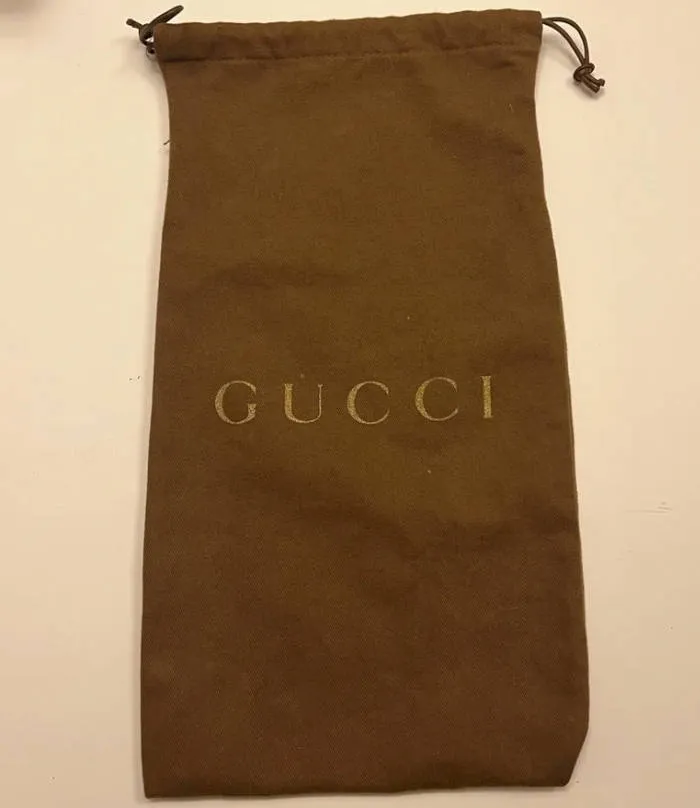
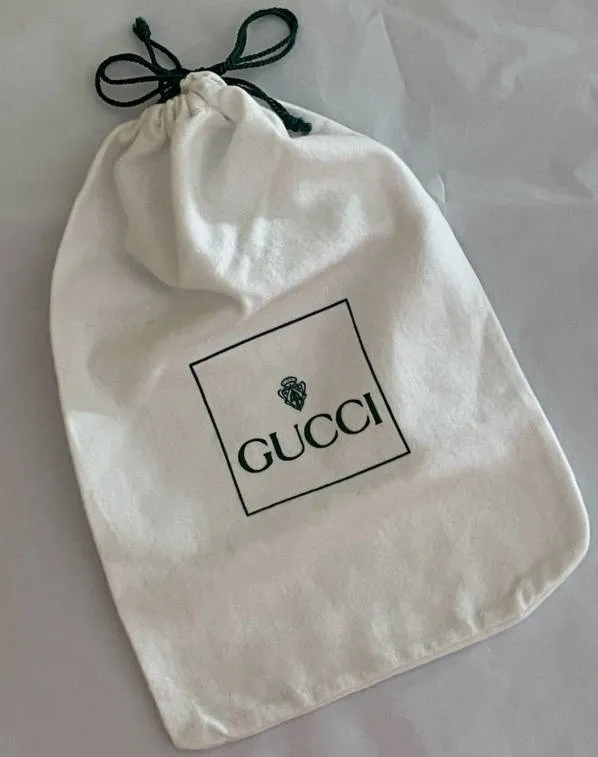
✔️ Real:
-
Older items: darker brown dust bags
-
Newer items: cream/off-white with minimalist branding
-
Matches box, ribbon, and era
❌ Fake:
-
Random combinations
-
New dust bag with vintage item (or vice versa)
-
No consistency across packaging
📌 Research the product's release period before judging.
9. Overall Feel & Craftsmanship
Sometimes, authenticity comes down to intuition backed by experience.
✔️ Real:
-
Feels premium immediately
-
Balanced weight and softness
-
Clean finishing details
❌ Fake:
-
Feels cheap or disposable
-
Poor construction overall
-
Lacks refinement
🧠 Pro Tips for Buyers
When Shopping Online:
-
Ask for close-up photos of logo and stitching
-
Avoid listings using stock images only
-
Check seller reviews and history
-
Compare with verified listings on resale platforms
When Buying In Person:
-
Feel the material carefully
-
Inspect stitching under good lighting
-
Check logo alignment and clarity
-
Compare with a known authentic example if possible
❓ FAQ: Gucci Dust Bag Authentication
Q1. Do all Gucci products come with a dust bag?
Most do—especially handbags, shoes, and accessories—but not all items include one, particularly small accessories.
Q2. Are all Gucci dust bags the same color?
No. Gucci has used:
-
Brown (older styles)
-
Cream/off-white (modern)
-
Occasionally dark tones
Color alone is not enough to determine authenticity.
Q3. Can a real Gucci item come with a fake dust bag?
Yes. In resale markets, items and packaging are often mixed.
Always authenticate the product separately.
Q4. Do fake dust bags ever look high quality?
Some replicas are convincing at first glance—but usually fail in:
-
Font accuracy
-
Stitching precision
-
Fabric quality
Q5. Is the dust bag alone proof of authenticity?
No. A dust bag is supporting evidence, not definitive proof.
Always combine multiple authentication points.
📝 Final Thoughts
Authenticating a Gucci dust bag is about detail, consistency, and quality awareness.
While counterfeiters can replicate the general look, they often miss the subtle elements—especially in:
-
Fabric quality
-
Logo typography
-
Stitching precision
✔️ If you remember just three things:
-
Check the logo clarity
-
Feel the fabric quality
-
Inspect the stitching
—you'll eliminate most fakes instantly.
For high-value purchases, never rely on a single checkpoint. Combine multiple indicators and, when in doubt, consult professional authentication services.