🏬 Top 8 Vintage Stores to Visit in Japan
1. KINJI
Store Overview:
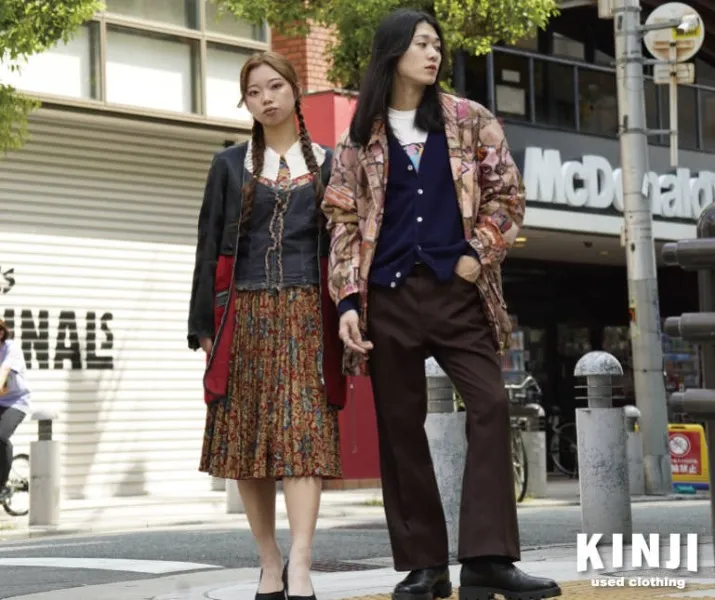
KINJI (キンジ古着屋) is one of Japan‘s most popular and largest affordable vintage clothing chains. Founded in Osaka’s Amerikamura (American Village), it also has branches in Tokyo and Kyoto.
KINJI is known for its "variety, affordability, and accessibility", offering a huge selection of secondhand and vintage fashion. Its range spans American streetwear, Y2K, girly, retro, and gothic styles — perfect for both beginners and experienced vintage shoppers.
Store Information:
☑ KINJI Harajuku (Tokyo, Shibuya-ku)
Address: 4-31-10 Jingumae, Shibuya-ku, Tokyo YM Square Harajuku B1F
Opening hours: 11:00 AM – 8:00 PM daily
Phone: 03-6406-0505
☑ KINJI Osaka Amerikamura Main Store
☑ KINJI Kyoto Shinkyogoku Store
Addresses and hours for other branches can be found on the official website. Visit the KINJI Official Website for store details.
Shopping Tips:
-
Browse online first:
KINJI has an online shop where you can preview styles and prices before visiting in person. This helps you save time when searching in-store. -
Go early or during off-peak hours:
Popular stores like Harajuku can get crowded; visit right after opening or on weekdays for a better browsing experience. -
Bring your size reference:
Vintage sizing often differs from modern standards. Bring a tape measure or a reference garment to compare. -
Check item condition:
Examine stitching, zippers, color fading, worn areas, and odor. If unsure, ask the staff whether an item has been repaired or if returns are possible. -
Watch for deals:
Some stores offer discounts during grand openings or seasonal events — check the official website or Instagram for updates. -
Bring both cash and card:
Most stores accept credit cards, but some smaller sections or flea market areas may prefer cash. -
Consider alteration costs:
If you find something you love but the fit isn’t perfect, estimate potential tailoring or dyeing costs before buying.
Pros & Cons:
| Category | Pros | Cons |
| Price | Affordable — most items range between ¥1,000–¥5,000, great value for money | Some items may show minor wear or aging due to low prices |
| Product Variety | Wide style range: streetwear, girly, vintage American, retro, gothic | More mainstream selection; limited high-end or luxury brands |
| Store Environment | Spacious stores, clear displays, relaxed try-on policy | Crowded during peak hours (especially Harajuku & Osaka) |
| Stock Rotation | New arrivals daily; high inventory turnover with hidden gems | Popular pieces sell out quickly — best to act fast |
| Location & Convenience | Branches in major shopping districts (Harajuku, Osaka, Kyoto) with easy access | Some stores don't offer tax-free shopping or accept all payment types |
| Shopping Experience | Fun "treasure-hunting" experience with great finds | Densely packed racks — requires patience and attention to detail |
2. RAGTAG
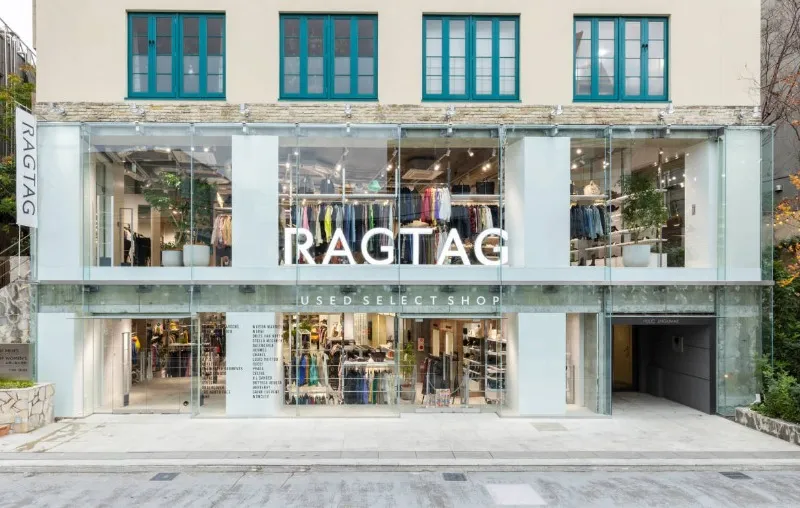
Store Overview:
RAGTAG is one of Japan's most reputable secondhand designer and luxury fashion chains, founded in the Harajuku area of Tokyo. It specializes in authentic, high-quality pre-owned clothing and accessories from luxury maisons, Japanese designers, and contemporary streetwear brands.
The stores are known for their clean layouts, careful authentication, and professional product maintenance. RAGTAG's concept is "trusted, accessible designer resale," balancing quality assurance with reasonable prices.
Today, RAGTAG operates stores in major cities including Tokyo, Osaka, and Fukuoka, and also runs an international online store, RAGTAG Global.
Store & Online Information:
-
Official Website / Online Store: RAGTAG Global (includes store directory & online inventory)
-
Popular Branches: Harajuku, Shibuya, Shinjuku, and Ginza (opening hours typically 11:00–20:00; check the website for holiday schedules)
-
Product Range: Men's and women's clothing, shoes, bags, and accessories, including designer, streetwear, and luxury labels.
-
Language & Payment: Major city stores usually have English signage or English-speaking staff. Online shopping supports international shipping. Most stores accept credit cards and mobile payment methods.
Shopping Tips:
-
Check Online First: Use RAGTAG Global to view real-time store inventory. You can plan your visit and avoid missing out on desired brands or sizes.
-
Understand Condition Tags: Every item is tagged with a condition grade (e.g., slight wear, small stain). Most items have been professionally cleaned or repaired.
-
Try Before Buying: Japanese and international brands have varying sizing — always try items on, especially jackets or shoes.
-
Pricing & Returns: Prices are fixed (no bargaining). Refund or exchange policies differ by store; ask staff for details before purchasing.
-
Timing & Restocks: High-demand items and rare finds move fast. Follow RAGTAG's newsletter or social media for sale announcements and restock alerts.
-
Authenticity: RAGTAG's authentication process is rigorous, and most luxury items are verified in-house. For rare or ultra-high-value items, it's still wise to cross-check with brand certificates or reference photos.
Pros & Cons:
| Category | Pros | Cons |
| Authentication & Trust | Systematic authentication and inspection process — very low counterfeit risk. | For ultra-rare pieces, external verification is still recommended. |
| Selection & Quality | Wide variety — from luxury to streetwear. Items are usually in excellent condition and well-organized. | Prices for highly desirable pieces can be close to retail. |
| In-store Experience | Spacious flagship stores with neat displays; easy to browse and try on. | Smaller locations have limited inventory; can get crowded during tourist seasons. |
| Pricing Value | Great value for certain designer items, with occasional big discounts. | Some luxury pieces remain pricey depending on rarity and demand. |
| Online / Global Access | International website ships abroad and lists global stock availability. | Shipping fees, customs duties, and limited return options increase total cost. |
3. AMORE Vintage
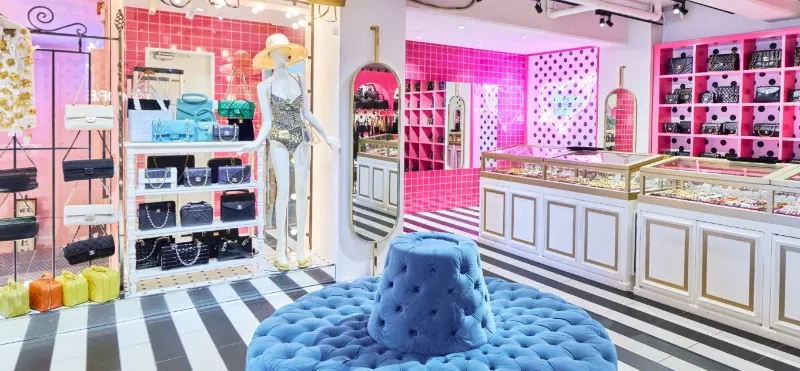
Store Overview:
AMORE is a renowned Tokyo-based vintage and pre-owned luxury boutique chain specializing in high-end designer pieces such as Chanel, Hermès, Louis Vuitton, Dior, Celine, and Gucci.
Known for its curated selection of authentic, high-quality vintage and deadstock items, AMORE attracts both collectors and first-time vintage buyers. The brand operates several physical boutiques in Tokyo as well as an official online store that offers worldwide shipping.
Store & Online Information:
Main Flagship Stores (as listed on AMORE's official website and Instagram):
-
Omotesando Store
Address: 1F–2F, 5-1-15 Jingumae, Shibuya, Tokyo
Hours: 10:00 – 21:00 (may vary; check the official site or IG before visiting)
This is the main location and often carries the newest arrivals and limited vintage pieces. -
Aoyama / Wardrobe / Gentleman / Archive Stores
AMORE operates multiple themed boutiques —
-
✧ Wardrobe: focuses on women's wear and classic pieces
-
✧ Gentleman: focuses on men's luxury vintage
-
✧ Archive: showcases rare or collector-grade pieces
Check the Store Locations page on the website or their official Instagram for the latest address and operating hours.
-
Online Store
AMORE's official online shop lists thousands of authenticated luxury vintage items and ships internationally.
Shopping Tips:
-
Check availability or book in advance
Some stores operate by appointment or have limited entry due to popularity—confirm hours and appointments via the website or IG before visiting. -
Ask for item details
For designer pieces like Chanel or Hermès, always ask for the serial number, authenticity card, care record, or detailed images before purchase. -
Inspect craftsmanship
Look closely at stitching, hardware engraving, lining, and leather condition. For online shopping, request additional photos if needed. -
Clarify return & authenticity policies
Refund, exchange, and authenticity dispute policies may differ between physical and online stores—confirm before paying, especially for high-value items. -
Understand condition grading
Prices vary greatly based on condition, rarity, and production year. "Deadstock" or "like-new" items are ideal for collectors. -
Compare prices
Vintage luxury prices vary across stores and online platforms. Always compare listing sources and proof of authenticity. -
Language & payment
Most Tokyo stores accept major credit cards and some staff can assist in English. If unsure, message the shop on Instagram in advance.
Pros & Cons:
| Category | Pros | Cons |
| Product Selection | Focuses on top luxury brands (Chanel, Hermès, LV, etc.); many well-preserved or deadstock items available. | Price range is generally high compared to regular thrift stores. |
| Online + Offline Access | Official website and stores operate together; global shipping available. | Some rare items are only available in-store and not listed online. |
| In-store Experience | Multiple themed shops (Omotesando, Aoyama, Wardrobe, Gentleman) help you find items by category; knowledgeable staff. | Popular stores may be crowded during weekends; reservations may be required. |
| Authenticity & Transparency | Provides detailed product descriptions and close-up photos—generally reliable for authenticity. | As with any secondhand luxury, independent verification is still recommended for peace of mind. |
| New Concepts / Expanding Stores | AMORE continues to expand (e.g., AMORE Wardrobe & Archive), showing diversity in product offerings. | Store lineup and hours may change—always confirm via the official site or Instagram. |
4. VINTAGE QOO
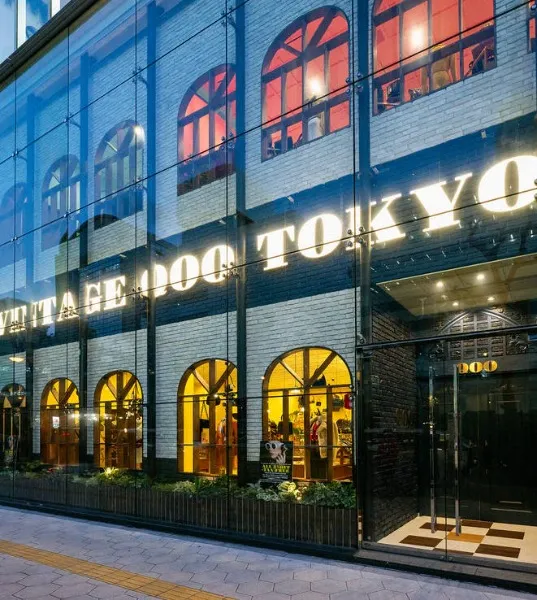
Store Overview:
VINTAGE QOO is a renowned Japanese vintage and pre-owned luxury boutique chain originally established in Tokyo. The store specializes in high-end designer brands such as Chanel, Hermès, Louis Vuitton, Rolex, and Cartier, offering a wide selection of bags, jewelry, watches, and clothing.
Known for its elegant presentation and extensive inventory, Vintage Qoo blends the feel of a “vintage theme park” with a focus on sustainable luxury fashion and authentic heritage pieces.
Store & Online Information:
-
Omotesando Flagship Store (Tokyo)
Located in Jingumae, Shibuya (B1–2F, 5-2-6 Jingumae, Tokyo), this is the brand's main and largest branch. The flagship has been expanded recently with a dedicated Vintage Chanel Section and beautifully curated displays.
Hours: 11:30 AM – 8:00 PM (open daily except during New Year holidays). -
Shinsaibashi Store (Osaka)
A major location in the Kansai region, known for its large floor space and rich selection of designer vintage items. -
Online Store
The official website — VINTAGE QOO offers a global shopping option, including detailed product listings, membership programs, and FAQs about international shipping.
(Note: Always confirm current addresses and business hours via the official website, as locations and hours may change.)
Shopping Tips:
-
Check Inventory Online First – Many hot items appear online before hitting the shelves. Bookmark or contact the store in advance to confirm stock.
-
Ask About Authenticity Certificates – For luxury items (especially Chanel, Hermès, Rolex), request authentication documents, serial numbers, stamps, or maintenance records. If unavailable, ask staff about their authentication process and return policy.
-
Inspect Condition Carefully – Examine leather wear, stitching, zippers, hardware engravings, and any repairs. Check for odors, discoloration, or signs of restoration.
-
Ask About Discounts or Membership Benefits – Some stores offer promotions, point systems, or limited-time discounts—especially for members or during holidays.
-
Understand Shipping & Taxes – When purchasing internationally, check shipping fees, customs duties, and return conditions in advance.
-
Walk-in vs. Appointment – Walk-ins are welcome, but for rare or high-value pieces, it's wise to inquire about VIP services or make an appointment.
Pros & Cons:
| Category | Pros | Cons |
| Product Range | Huge selection of luxury and vintage brands (bags, watches, jewelry, clothing). Inventory often exceeds thousands of items across stores and online. | Highly sought-after items sell quickly; some sizes/styles are one-of-a-kind. |
| Pricing | Pre-owned vintage pieces can be more affordable or collectible than new retail. | Prices vary significantly depending on age and condition—requires price comparison. |
| Authenticity & Trust | Well-established, reputable flagship stores with media coverage and industry recognition. | Not every item includes a brand certificate; confirm details and authenticity verification with staff. |
| Shopping Experience | Beautifully themed interiors and curated displays—especially the Omotesando flagship, often described as a "vintage paradise." | Large store with massive selection—can be overwhelming for first-time visitors. |
| After-Sales & Returns | Official site provides clear purchase guides and customer service support. | Secondhand items usually have strict return policies; confirm before purchase. |
5. KOMEHYO
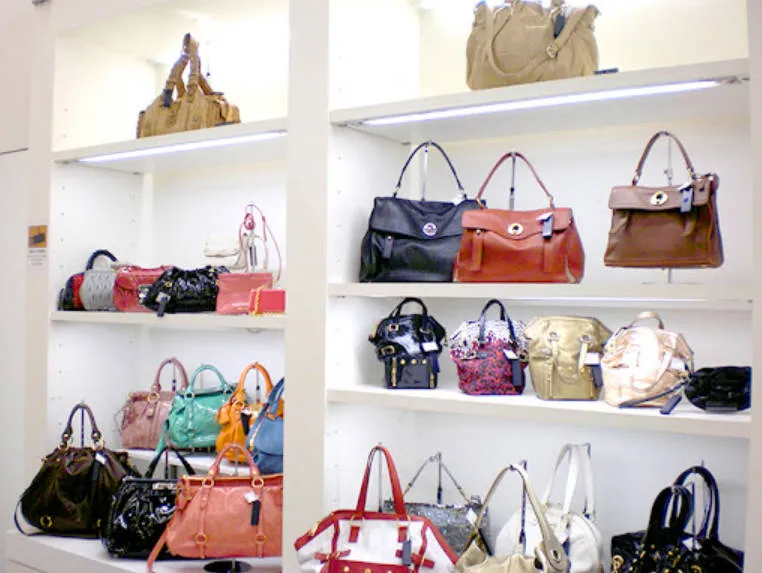
Store Overview:
KOMEHYO (コメ兵) is one of Japan's largest and most reputable secondhand and pre-owned luxury retailers. Founded in Nagoya, it has expanded nationwide with flagship stores in Tokyo, Osaka, Kyoto, and other major cities.
KOMEHYO specializes in the buying and selling of high-end secondhand goods, including luxury bags, watches, jewelry, apparel, cameras, and musical instruments. The brand is known for its transparent pricing, in-house authentication, and trustworthy warranty services, making it a popular choice among both domestic and international shoppers.
Store & Online Information:
- Hybrid Shopping System: KOMEHYO operates both physical stores across Japan and an official online platform, KOMEHYO ONLINE, where customers can browse, reserve, or purchase items for in-store pickup or home delivery.
-
Major Store Locations:
✧ Nagoya Main Store (flagship)
✧ Tokyo – Shinjuku, Ginza, and Harajuku
✧ Osaka – Shinsaibashi / Namba
- (Exact addresses and hours may vary — check the official website before visiting.)
-
After-Sales Service: KOMEHYO provides warranty and authenticity guarantees on select items such as luxury watches, jewelry, and cameras. Some purchases may include return or exchange options within a limited period (usually a few days after delivery for online orders).
Shopping Tips:
-
Check Stock Before Visiting:
Inventory may differ between online listings and physical stores. For high-value items like watches or handbags, it's best to reserve and view the item in person before purchase. -
Confirm Authenticity & Certificates:
Ask whether the product includes its original box, warranty card, or KOMEHYO's in-house authentication documents. These significantly affect resale value and buyer confidence. -
Understand Return Policies:
Online orders usually must be returned within 3 days after delivery if you wish to cancel. In-store returns may have different terms, so check conditions carefully before purchase. -
Use Member Points & Promotions:
KOMEHYO has a membership and point system, occasional discounts, and "buyback guarantee" campaigns. Keeping receipts helps you earn or redeem future credits. -
Compare Prices:
KOMEHYO's pricing is transparent but not always the lowest. Compare similar listings across multiple secondhand platforms (e.g., auctions, smaller shops) and review product condition ratings. -
Language & Tax-Free Support:
The website supports English, Simplified and Traditional Chinese. Many stores offer tax-free shopping for tourists—check eligibility when you pay.
Pros & Cons:
| Category | Pros | Cons |
| Product Range | Extensive selection of luxury handbags, watches, jewelry, cameras, instruments, and apparel. Large stores with diverse stock. | Rare or highly sought-after items may be priced higher than at small boutiques or auctions. |
| Authenticity & Trust | In-house authentication, clear warranty policies, and reliable corporate reputation. | Even with internal checks, extremely high-value items may still require third-party verification. |
| Shopping Convenience | Physical + online integration; supports store pickup and nationwide delivery. Multilingual website. | Strict return deadlines (typically within 3 days) and varying conditions for exchanges. |
| Pricing & Promotions | Frequent campaigns, point programs, and trade-in guarantees for regular customers. | Slightly higher prices than private resale or peer-to-peer platforms; discounts change periodically. |
| Service Quality | Professional staff, established procedures, and solid after-sales support. | Busy stores (like Shinjuku or Osaka) can have long waiting times during peak hours. |
6. 2nd STREET
Store Overview:
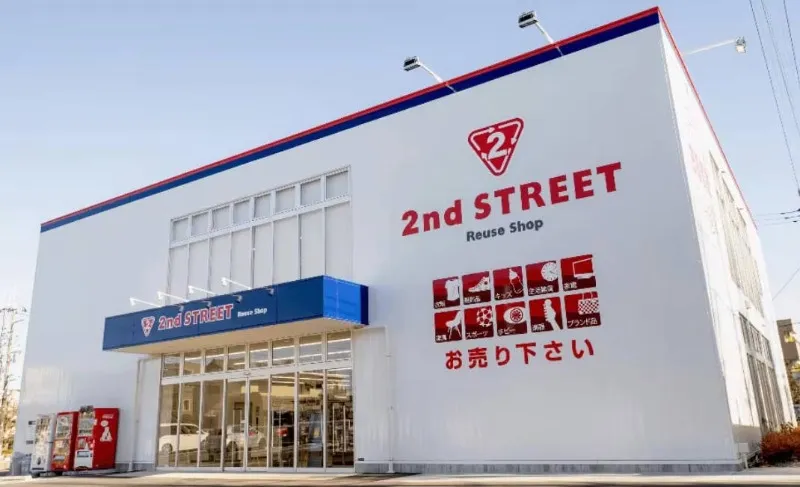
2nd STREET is one of Japan's largest and most popular secondhand and vintage retail chains, operated by GEO Holdings Co., Ltd. Established in 1996 and headquartered in Nagoya, Aichi Prefecture, the brand has expanded to over 800 stores across Japan and multiple international locations, including the U.S., ChineseTaiwan, and Malaysia.
2nd STREET offers a wide range of pre-owned goods — not only clothing, shoes, and accessories, but also furniture, home appliances, outdoor gear, and musical instruments.
It's widely known as a "clean, well-organized thrift store", offering transparency and accessibility that make it a great starting point for anyone new to Japanese secondhand shopping.
Store Information:
| City | Store | Address | Highlights |
| Tokyo | 2nd STREET Shimokitazawa | 2-30-2 Kitazawa, Setagaya-ku, Tokyo | Trendy area; rich selection of designer and streetwear pieces |
| Tokyo | 2nd STREET Harajuku | 6-14-2 Jingumae, Shibuya-ku, Tokyo | Youth-oriented street style and American vintage |
| Osaka | 2nd STREET Amerikamura | 1-6-14 Nishishinsaibashi, Chuo-ku, Osaka | Spacious store with diverse price range and abundant stock |
| Kyoto | 2nd STREET Teramachi | 482 Nakasuji-cho, Nakagyo-ku, Kyoto | Calm shopping environment with vintage clothing and Japanese-style goods |
| Fukuoka | 2nd STREET Tenjin | 2-4-31 Tenjin, Chuo-ku, Fukuoka | Representative Kyushu branch; focuses on apparel and accessories |
| Overseas | 2nd STREET USA (Los Angeles) | 131 N La Brea Ave, Los Angeles, CA | Flagship overseas location; mirrors the Japanese store layout |
Official site for store search: https://www.2ndstreet.jp/
Shopping Tips:
-
Clear Pricing & Labels
Each item includes a detailed tag listing the price, brand, product type, and condition rating (S/A/B/C). -
Beginner-Friendly
Compared to shops like Kinji or Chicago, 2nd STREET stores are cleaner, brighter, and easier to navigate — perfect for newcomers to vintage shopping. -
Online Shopping Available
✧ The official site supports online purchases and in-store pickup.
✧ Overseas buyers can access selected items via international platforms or the U.S. website.
✧ Official online store: https://www.2ndstreet.jp/
4. Authentication & Pricing
All branded goods are inspected by professional staff before being listed. Luxury items (e.g., Louis Vuitton, Chanel, Supreme) are highly reliable.
5. Discounts & Trade-In
✧ Occasional seasonal sales (especially on coats and summer T-shirts).
✧ Customers can sell or trade in used clothes for store credit or cash.
Pros & Cons:
| Category | Pros | Cons |
| Price Range | Broad spectrum — from budget pieces (¥1,000–¥3,000) to designer labels | Premium brands like Supreme or Yohji Yamamoto can be pricey |
| Product Variety | Huge range — apparel, bags, shoes, accessories, furniture, appliances | May feel "too mainstream" for hardcore vintage enthusiasts |
| Condition | Most items are well-maintained with clear grading | Some older items show signs of refurbishment |
| Shopping Experience | Clean, organized, polite staff, easy to browse | Less curated; lacks the "treasure hunt" vibe of smaller vintage stores |
| Online Platform |
Well-designed website, high-quality photos, smooth UX | Some items sell out quickly or take time to restock |
| Authenticity Guarantee | Professionally authenticated; low risk of counterfeits | No official certificate for luxury items (buyer must verify independently) |
7. Brand OFF
Store Overview:
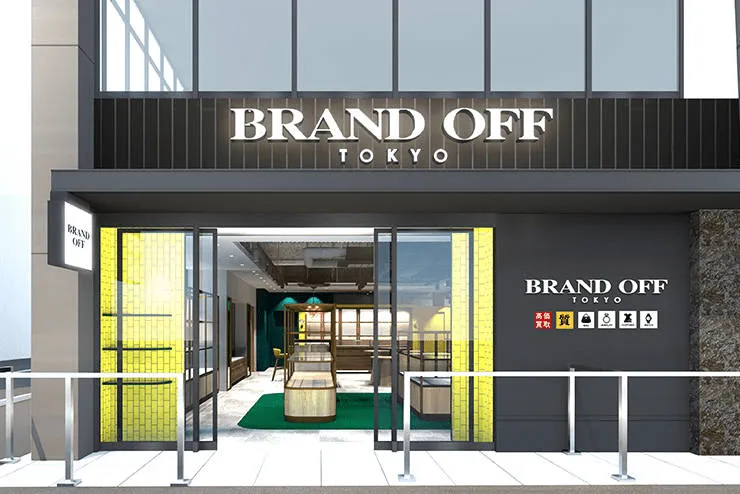
Brand OFF (ブランオフ) is one of Japan's leading luxury resale chains, owned by KOMEHYO Co., Ltd. Established in 1993 and headquartered in Kanazawa, Ishikawa Prefecture, the brand specializes in pre-owned luxury handbags, watches, jewelry, and accessories.
Known for its professional authentication, guaranteed quality, and transparent pricing, Brand OFF is highly trusted by both domestic and international customers. In addition to its physical stores, it also sells through its official online shop and major resale platforms such as Rakuten, Yahoo! Auction, and eBay.
Store Information:
- Domestic network:
- Online & international expansion:
Brand OFF runs an official multilingual online store (with English and international pages) and sells on eBay and other global channels. It also has branches in Hong Kong with local promotions and events. For overseas customers, the online store provides international shipping and return/warranty information.
Tip: All stores offer tax-free shopping, accept UnionPay, Alipay, and WeChat Pay, and some locations have Chinese-speaking staff.
Shopping Tips:
1. Price Comparison & Authentication
✧ All Brand OFF items are professionally authenticated — you can shop with confidence.
✧ For price comparison, check both the official website and Rakuten listings for the same model.
2. Discounts & Membership Points
✧ Members can accumulate loyalty points (redeemable as discounts).
✧ Special sales are held during holidays such as New Year and Golden Week.
3. For International Shoppers
✧ Tax-free shopping available for purchases over ¥5,000.
✧ Accepts Alipay, WeChat Pay, and international credit cards.
✧ The website supports multiple languages, including English and Chinese.
4. Online Shopping Tips
✧ Both the official website and official eBay store support international shipping.
✧ Popular items sell out quickly — consider subscribing to restock notifications or checking frequently.
Pros & Cons:
| Category | Pros | Cons |
| Authentication Reliability | Official chain with certified appraisal processes; long-term presence on eBay and international markets; strong "zero counterfeit" policy. | No authentication system is 100% error-free; extra caution needed for vintage watches or jewelry with replaced parts. |
| Store Coverage & Experience | Stores in major Japanese cities and overseas (Hong Kong, Taiwan, Shanghai); allows in-person fitting/appraisal; easy to compare online and offline prices. | Stock rotates quickly in popular stores; high-demand items may sell out fast — requires frequent checks or phone inquiries. |
| Product Range | Wide selection from top luxury brands to affordable secondhand items; sells both pre-owned and new goods. | Condition and authenticity levels vary — buyers must rely on product descriptions and photos. |
| Pricing / Value | Japanese resale market often offers competitive prices (especially for overseas buyers); frequent promotions and store events. | International shipping and customs fees may add cost; resale values fluctuate with market trends. |
| After-Sales & Returns |
Official channels offer return policies (depending on product and platform) and online customer service. | International returns can be costly and complicated; final authenticity decisions rest with the store's appraisal. |
8. Chicago
Store Overview:
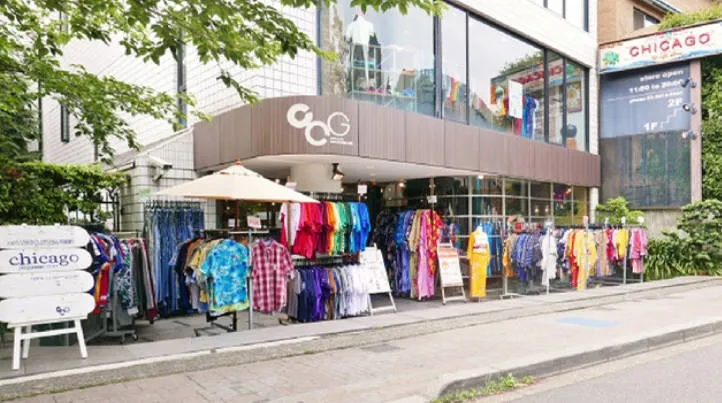
Chicago (シカゴ) is one of Japan’s most iconic and long-established vintage clothing chains, founded in the late 1980s. Known for being diverse, affordable, and beginner-friendly, the store’s name was inspired by the American city “Chicago,” reflecting its dedication to authentic American vintage culture.
Chicago specializes in retro clothing, secondhand kimonos, student-style casual wear, military pieces, Levi’s denim, and classic American collegiate items. Its style is characterized by being versatile, budget-friendly, and mix-and-match oriented. Loved by local youth and international visitors alike, Chicago has become a must-visit vintage destination in Tokyo.
Store Information:
-
Harajuku / Jingumae Store (原宿 / 神宮前店)
✧ Address: 6-31-15 Jingumae, Shibuya-ku, Tokyo (near Meiji-Jingumae / Harajuku Station)
✧ Opening Hours: Around 11:00–20:00 (may vary by location and holidays)
✧ Phone: Some branches list direct contact numbers on their info pages; you can call to confirm opening hours or check stock availability.
-
Other Branches: Shimokitazawa / Kichijoji / Takeshita Street / Kyoto, etc.
As a chain, Chicago has branches throughout Tokyo (including Shimokitazawa, Koenji, and Kichijoji) and the Kansai area (e.g., Kyoto).
Each store's inventory and vibe differ slightly depending on the neighborhood—Shimokitazawa and Koenji stores lean toward bohemian and street vintage, while Harajuku and Takeshita Street locations cater more to youth and pop-culture fashion.
Before visiting, check the official website or social media for up-to-date details on locations and business hours.
Note: Most stores offer tax-free shopping and accept credit cards. Some also support Alipay/WeChat Pay. If you plan to visit, check the latest updates on the Chicago website or Instagram the day before, as hours may change unexpectedly.
Shopping Tips:
-
Go early and take your time:
Chicago stores are spacious and densely packed with clothing—hidden gems are often tucked away or buried under piles. Morning visits are quieter, allowing a more relaxed browsing experience. -
Take detail photos and ask staff:
If you plan to compare prices online or consult a reseller, photograph the brand tag, stitching, and worn areas. Some stores do not ship overseas, so ask if they allow resellers or provide after-sale support. -
Check sizing carefully:
Vintage sizing often differs from modern standards. Try items on or measure actual dimensions (shoulder width, sleeve length, chest, length) instead of relying solely on the label size. -
Inspect for common issues (moth holes, odor, wear):
Examine seams, buttons, zippers, and areas like underarms or collars for damage. Ask staff whether minor flaws can be repaired or if the price is negotiable. -
Clarify return/exchange policies:
Most vintage stores (especially small ones) have strict return rules. Confirm whether returns are accepted and keep the receipt in case you need aftercare. -
Explore each store's character:
Inventory varies by branch—some focus on workwear or Americana, while others highlight Japanese retro or pop styles. Researching in advance helps you find the branch that suits your taste best.
Pros & Cons:
| Category | Pros | Cons |
| Product Variety | Large stores with a wide range (American, street, vintage, kimono, etc.); great for treasure hunting. | High volume means mixed quality; finding gems requires patience. |
| Price | Generally affordable, ideal for budget shoppers. | Rare or branded vintage pieces may be pricey; authenticity and condition must be checked carefully. |
| Shopping Experience | Experienced staff; allows fitting and instant advice. | Gets very crowded on weekends/holidays; fitting rooms often have long lines. |
| Best For | Vintage lovers, casual shoppers, and those seeking affordable classic American pieces. | Those wanting luxury-brand authenticity guarantees or global shipping may prefer upscale stores (e.g., Amore, Ragtag). |
| Tourist-Friendliness |
Multilingual support, tax-free, credit card accepted. | Some smaller stores have limited English-speaking staff. |
💻 Top 3 Japanese Online Secondhand / Vintage Platforms
| Platform | Suitable For | Advantages | Notes / Considerations |
| Mercari | General second-hand items, individual sellers | Highly active, wide variety of categories, low barrier to entry | International shipping / language support may require extra tools |
| Rakuma | Flea market-style, light buying & selling | Strong user base, simple to use | Fewer options for luxury or high-end second-hand items |
| KOMEHYO | Branded second-hand goods, luxury seekers | Reliable authentication, brand-focused selection | Higher prices, purchase process (especially international) requires attention to English version |
1. Mercari(メルカリ)
Platform Overview:
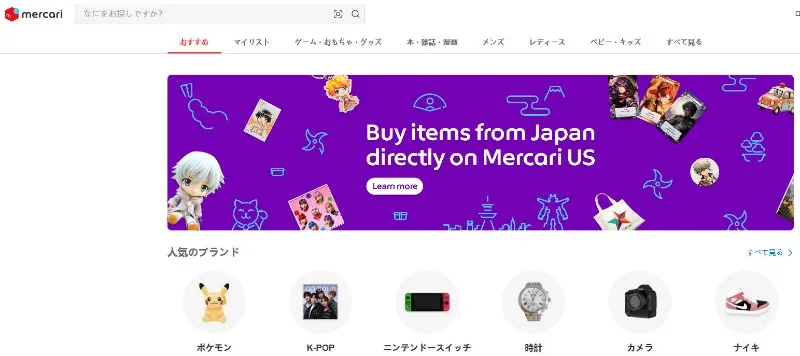
Mercari is a Japan-originated C2C (consumer-to-consumer) secondhand and resale marketplace operated by Mercari, Inc. It allows individuals to buy and sell pre-owned or unused goods easily through its app or website.
Key facts:
-
Users can act as both buyers and sellers within the same account.
-
Listing items is simple — take a photo, add a short description, and set a price.
-
It's one of Japan's largest peer-to-peer marketplaces, often compared to eBay or Poshmark.
-
Services have also expanded to the U.S. and U.K., though local rules and fee systems differ.
In short, Mercari is designed as an easy-entry platform for casual sellers and bargain-seeking buyers.
How It Works
☞ Buyer Flow
-
Register an account: Sign up via app or website and verify your information.
-
Browse listings: Search by keyword, brand, or category to find secondhand or unused items.
-
Purchase: Tap "Buy" and complete payment through the available methods.
-
Shipping & delivery: The seller ships the product; the buyer confirms receipt once it arrives.
-
Leave a rating: Both parties rate each other to build marketplace trust.
-
For overseas buyers: If you live outside Japan, you’ll typically need a proxy shopping service to buy, receive, and forward the item internationally.
☞ Seller Flow
-
Sign up / log in to your account.
-
List an item: Upload photos, write a title and description, set a price, and choose a shipping method.
-
Receive an order: Once a buyer pays, pack and ship the item as instructed.
-
Get paid: After the buyer confirms receipt, you can withdraw earnings to your bank account.
-
Consider fees: Platform commissions or transfer fees may apply (see below).
Shopping Tips:
To make safer and smarter purchases on Mercari:
-
Read the full description carefully. Secondhand items vary in condition — good sellers describe scratches or flaws clearly.
-
Check seller ratings. Choose sellers with consistent positive feedback and completed transactions.
-
Ask questions. Clarify details like condition, authenticity, packaging, or shipping before buying.
-
Overseas buyers: Confirm whether the seller ships internationally or use a trusted proxy forwarding service.
-
Negotiate politely. Many listings allow offers — you can try to bargain or wait for discounts.
-
Be mindful of total cost. Include shipping, platform, and transaction fees in your budget.
-
Request extra photos. Especially for fashion, collectibles, or luxury items.
-
Track your shipment. Always check tracking and confirm receipt promptly to complete the transaction.
Pros & Cons:
| Advantages | Disadvantages |
| Low entry barrier – easy to list or buy items with just a smartphone. | Product quality can vary; secondhand items may have undisclosed wear or defects. |
| Huge active user base and wide product range. | Fees (10% seller fee + payment/shipping fees) can add up. |
| Simple and intuitive app interface; quick photo listing. | International purchases can be complicated — proxies, customs, and shipping add extra cost. |
| Great place to find rare, vintage, or discontinued goods at reasonable prices. | Dispute resolution or buyer protection is weaker than major retail sites. |
| No listing fees (for most categories). | High competition; prices for popular brands or collectibles can be inflated. |
2. Rakuten Rakuma
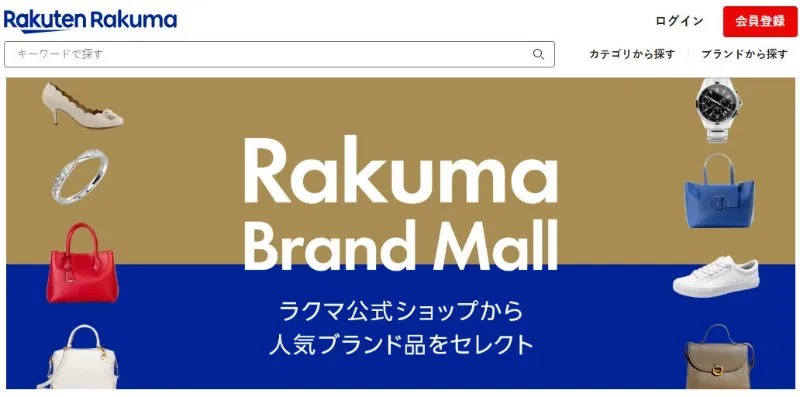
Platform Overview:
Rakuten Rakuma is a C2C (consumer-to-consumer) secondhand marketplace app owned by Japan's tech giant Rakuten Group. Often referred to as a "flea market app," it allows users in Japan to easily buy and sell pre-owned items, providing a safe and convenient environment for transactions.
Buyer Flow:
-
Register/Login: Download the app or access via browser. Rakuten ID login is supported for convenience.
-
Search and Browse: Filter by category, keyword, brand, item condition (new/used), or seller. You can also follow favorite sellers or bookmark items.
-
Check Item Details: Examine photos, descriptions, seller ratings, shipping method (whether "Kantan Rakuma Pack/anonymous"), and who pays shipping. Check previous buyer reviews for reliability.
-
Purchase & Payment: Click "Buy" → select a payment method (credit card, convenience store, FamiPay, ATM, Rakuten Points/Rakuma Points, or deferred payment). Some methods may have small fees. After payment, the transaction status changes to "Waiting for Shipment."
-
Shipping & Receipt: The seller ships via the chosen method (recommended: "Kantan Rakuma Pack" for tracking, anonymity, and protection). Buyer confirms receipt and leaves feedback; funds (minus platform fees) are released to the seller.
Shopping Tips:
-
Check Seller Ratings and History: Prefer sellers with high ratings and many transactions.
-
Use Kantan Rakuma Pack / Anonymous Shipping: Protects privacy and provides transaction protection.
-
Confirm Item Details and Photos: Request detailed photos of defects, labels, or brand markings.
-
Use Rakuten Points/Coupons: Can reduce purchase costs.
-
Consider Payment Method Fees: Credit card or Rakuten Points is usually cheapest.
-
Overseas Buyers: Must use a forwarding/agent service like ZenMarket or FromJapan; consider extra service fees and customs duties.
-
Be cautious with extremely low-priced items or new sellers: May be counterfeit or risky; always use protected payment.
-
Check Promotions: Rakuma sometimes offers fee rebates or point-back campaigns.
Pros & Cons:
| Category | Pros | Cons |
| Fees (Seller) | Variable rate decreases with volume (can reach 4.5%), good for frequent sellers | New/low-volume sellers pay higher default rates (up to 10%); may have slower sales vs. larger platforms |
| Safety / Protection | Kantan Rakuma Pack provides anonymity, tracking, and compensation | Not using anonymous shipping exposes personal info; disputes may take time |
| Rakuten Ecosystem Integration | Can use/earn Rakuten Points, easy login, participate in Rakuten campaigns | Non-Japanese/foreign users cannot fully benefit from points; international shipping requires a forwarding service |
| Items / User Base | High-quality Japanese used goods (clothing, toys, collectibles); polite buyer community | Smaller user base than Mercari; some items may take longer to sell |
| International Accessibility | Select items have been listed on eBay; provides access for overseas buyers | Most items are Japan-only; international purchase requires proxy/shipping service |
3. KOMEHYO
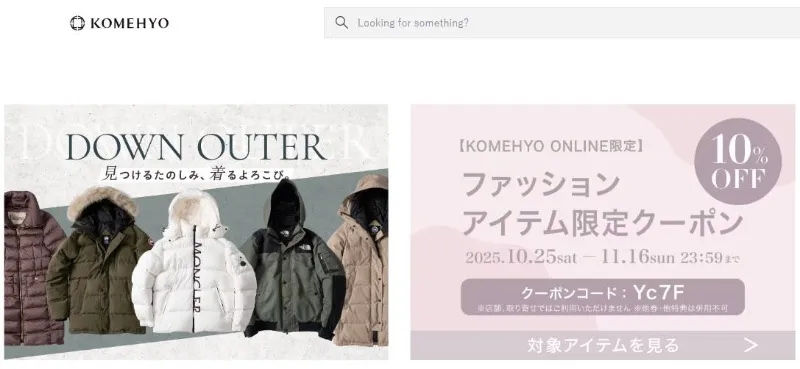
Platform Overview:
KOMEHYO is one of Japan's largest and most reputable second-hand luxury goods retailers. Founded in Nagoya, it has grown to operate multiple large-scale physical stores across Japan, including Tokyo and Osaka. The brand is known for its strict authentication process and extensive inventory of high-quality second-hand items, ranging from designer bags and watches to vintage clothing and accessories.
The official online store provides a multilingual interface, including Chinese and English, although payment and shipping options are primarily geared toward Japanese domestic customers.
Main Categories:
-
Designer Bags & Wallets
-
Watches & Jewelry
-
Clothing & Accessories
-
Vintage Items
-
Sale & Clearance Items
Buyer Flow:
-
Browse Products: Navigate categories or use the search bar to find specific brands or items.
-
Check Product Details: Each item includes photos, condition ratings, size/specifications, and sometimes authentication details.
-
Add to Cart: Select quantity and add to your cart.
-
Register / Login: Create an account to proceed with checkout.
-
Checkout: Payment options include credit card, convenience store payment, and other Japan-focused methods.
-
Shipping: Orders are shipped domestically within Japan. International shipping may require third-party forwarding services.
Shopping Tips:
-
Authentication Assurance: KOMEHYO performs professional authentication for all luxury items, making it a safer choice compared to individual sellers.
-
Check Item Condition: Condition ratings are detailed, but inspect product photos carefully for scratches, wear, or defects.
-
Language Tools: Use the website's English or Chinese interface, or a browser translator, to navigate categories more easily.
-
Shipping Outside Japan: Consider using a reliable package forwarding service if you are shopping from outside Japan.
-
Sales & Promotions: Keep an eye on clearance sections and seasonal sales for discounted items.
Pros & Cons:
| Category | Pros | Cons |
| Authentication | Professional authentication reduces risk of buying fakes. | Limited details for certain items may require additional research. |
| Product Range | Extensive inventory of luxury, vintage, and designer items. | Some highly sought-after items sell quickly. |
| Website | Multilingual interface with detailed product info. | Payment options mainly limited to Japan-based methods. |
| Shopping Experience | Trusted brand with long-standing reputation in Japan. | International shipping requires third-party services. |
| Condition Transparency | Items are rated and photographed in detail. | Slightly used items may have minor wear that needs careful inspection. |
✅ Authentication & Condition Checklist
When buying pre-owned items, especially high-end luxury goods, authentication and condition inspection are crucial.
1. Key Points for Luxury Bag Authentication
-
Hardware Engravings: Check the brand logo, font, depth, and spacing to ensure consistency with genuine items. Note that older models may have variations due to production year differences.
-
Stitching Quality: Inspect whether the stitching is neat and uniform, and whether stitch angles match brand-specific standards (e.g., Chanel's quilted stitch pattern).
-
Leather Material: Assess the feel, smell, and sheen of the leather. For example, pre-owned LV monogram leather may differ in stiffness and color from modern versions.
-
Serial Numbers / Chips: Verify that serial number cards or interior tags match the bag's internal code (for older models), or check for anti-counterfeit chips in newer pre-owned items.
2. Condition Checklist for Clothing
-
Stains & Damage: Carefully examine collars, cuffs, and underarms for visible stains, yellowing, or holes.
-
Fabric Wear: Look at high-friction areas (elbows, seat area) for pilling, fading, or thinning of the material.
-
Zippers & Buttons: Ensure zippers operate smoothly and buttons are all present and secure.
-
Pre-Owned Odor: Many pre-owned garments have a storage or vintage smell, usually not a quality issue, but consider whether it's acceptable to you.
🔔 Safety Tips
To minimize risk when buying pre-owned, follow these guidelines:
-
Photo Quality: Always request clear, multi-angle photos with good lighting. Focus on flaws, logos, linings, and serial numbers. If the seller refuses to provide detailed images, be cautious.
-
Price Reasonableness: If the price is far below the market average, the item may be fake, severely damaged, or have hidden defects.
-
Online Platform Communication:
✧ Polite Inquiry: Ask about usage history, maintenance, and size details (note: Japanese sizing tends to run small).
✧ Seller Ratings: On platforms like Mercari or Rakuma, choose sellers with a large number of positive reviews. Avoid new or poorly rated sellers.
-
Return & Exchange Policies:
✧ Physical Stores: Confirm whether returns or exchanges are allowed; most pre-owned stores do not accept returns.
✧ Online Platforms: Many individual sellers do not offer returns, so confirm all details before purchase.
-
Professional Authentication: For high-value items, it's recommended to have a third-party authentication service (Japan-based or international) check the item after purchase for peace of mind.