
🧭 Ultimate Pokémon Card Real vs. Fake Guide
The global popularity of Pokémon cards has created one of the largest collectible markets in the world. Rare cards now sell for hundreds, thousands, or even millions of dollars, attracting not only collectors but also counterfeiters.
Fake Pokémon cards have become increasingly sophisticated. Some are obviously poor-quality replicas, while others imitate authentic cards closely enough to fool casual buyers. Whether you are purchasing singles, sealed booster boxes, vintage collections, or graded cards, knowing how to identify counterfeit Pokémon cards is essential.
This guide explains the most important differences between real and fake Pokémon cards, including printing quality, textures, holo patterns, fonts, materials, grading issues, and packaging mistakes. It is designed for collectors, resellers, parents, investors, and casual fans who want a practical authentication reference.
🔍 Why Fake Pokémon Cards Are Everywhere
Several factors contribute to the growing counterfeit market:
-
Rising prices of rare cards
-
Increased online marketplace activity
-
Social media hype around collecting
-
Demand for vintage products
-
Difficulty verifying cards through photos alone
High-value cards from sets like:
-
Base Set
-
Skyridge
-
EX Series
-
Gold Stars
-
Neo Destiny
-
Evolving Skies
-
Special Illustration Rares
-
Trophy cards
are commonly counterfeited.
Even modern cards are frequently copied because many buyers are unfamiliar with newer textures and holo patterns.
⚡ Quick Comparison Table
| Check Point | Authentic Characteristics | Red Flags |
| Print Quality | Sharp text and clean details | Blurry, pixelated, or faded printing |
| Card Back Color | Balanced medium-blue color | Dark blue, purple, or washed-out back |
| Holographic Pattern | Consistent official holo effect | Random rainbow shine or flat foil |
| Texture | Precise textured surface | Missing, fake, or uneven texture |
| Card Thickness | Firm layered cardstock | Thin, flimsy, or papery feel |
| Light Test | Limited soft light passes through | Too much light passes through |
| Font & Text Layout | Correct font spacing and alignment | Incorrect fonts or uneven spacing |
| Borders & Centering | Clean edges and balanced borders | Rough cuts or crooked borders |
| Spelling & Grammar | No spelling mistakes | Typos or incorrect wording |
| Official Set Details | Matches official database info | Wrong numbering or mismatched details |
| Graded Card Verification | Valid certification and slab quality | Fake labels or incorrect cert numbers |
| Sealed Product Quality | Tight factory wrapping | Loose plastic or blurry packaging |
| Era-Specific Features | Correct holo and cardstock for era | Inaccurate materials or holo styles |
| Seller & Pricing | Trusted seller and realistic pricing | Suspiciously cheap or unreliable seller |
| Magnification Inspection | Clean print dots and sharp lines | Pixel grids or printer artifacts |
🧩 Understanding How Real Pokémon Cards Are Made
Authentic Pokémon cards use layered cardstock construction.
A genuine card typically contains:
-
Front printed layer
-
Inner core layer
-
Back printed layer
This structure creates the proper thickness, rigidity, and durability collectors recognize.
Fake cards often use:
-
Single-layer paperboard
-
Incorrect glue
-
Inferior coatings
-
Poor lamination
As a result, counterfeit cards frequently feel:
-
Too thin
-
Too slippery
-
Too glossy
-
Too soft
-
Too stiff
Experienced collectors often identify fakes immediately through touch alone.
1️⃣ Examine the Print Quality Carefully
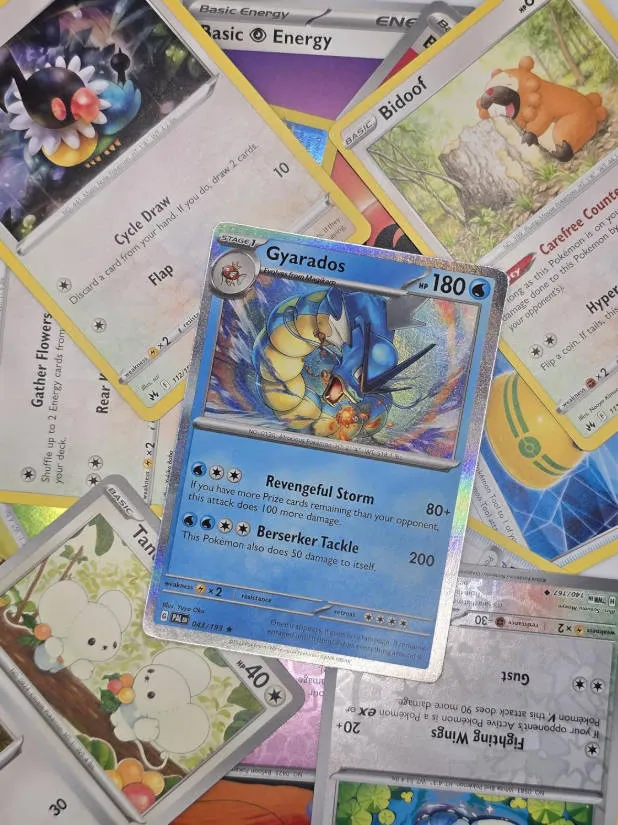
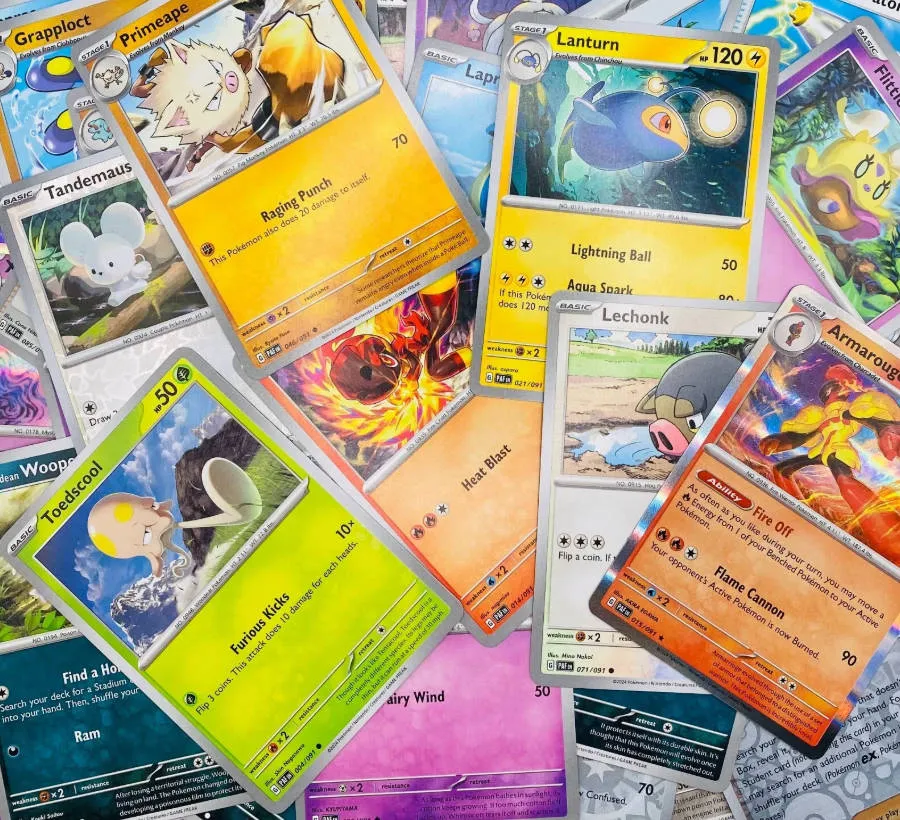
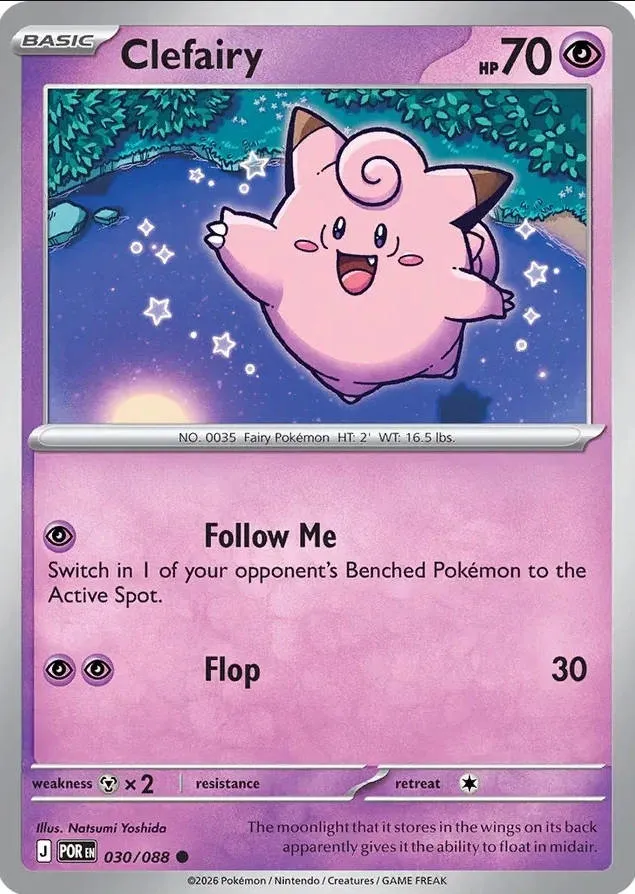
One of the fastest ways to detect fake Pokémon cards is by inspecting print quality.
Authentic Pokémon cards are manufactured with extremely precise commercial printing standards.

✔️ Real
-
Sharp outlines
-
Clean attack text
-
Smooth gradients
-
Crisp energy symbols
-
Balanced saturation
-
Consistent alignment
Text should appear readable even under magnification.
❌ Fake
Counterfeit cards often show:
-
Fuzzy text
-
Ink bleeding
-
Pixelation
-
Over-sharpened outlines
-
Incorrect spacing
-
Misaligned layers
Many fake cards are scanned reproductions rather than original print files.
This results in:
-
muddy details
-
low-resolution artwork
-
blurry micro-text
⚠️ Important Areas to Inspect
Focus on:
-
HP numbers
-
Weakness icons
-
Attack descriptions
-
Copyright text
-
Set symbols
-
Energy symbols
These tiny details usually expose low-quality replicas quickly.
2️⃣ Check the Card Back Color
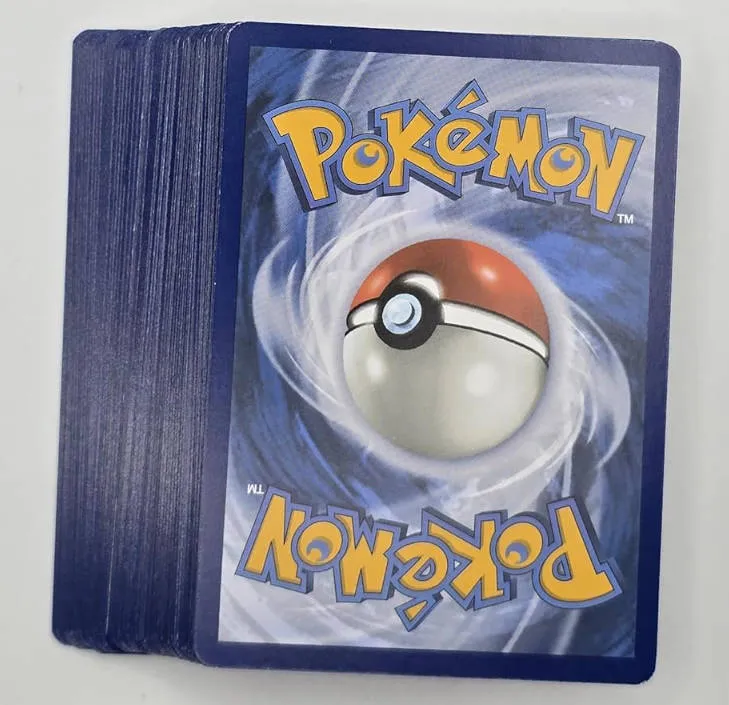
The back of a Pokémon card is one of the most overlooked authentication areas.
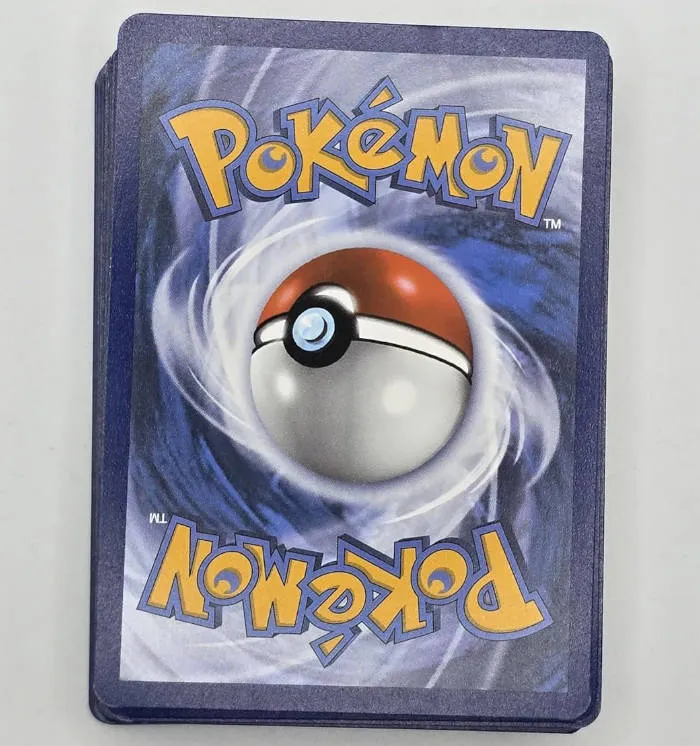
Authentic cards maintain highly consistent coloring.
✔️ Real
Real card backs usually feature:
-
Rich medium-blue borders
-
Balanced yellow Pokémon logo
-
Clean white swirl effect
-
Proper color saturation
The colors should look neither too dark nor too faded.
❌ Fake
Counterfeit cards often appear:
-
overly dark blue
-
purple-tinted
-
faded
-
grayish
-
extremely saturated
Some fake cards also show:
-
blurry Poké Ball details
-
incorrect swirl placement
-
uneven border thickness
When possible, compare suspicious cards directly beside verified authentic cards from the same era.
3️⃣ Inspect the Holographic Pattern
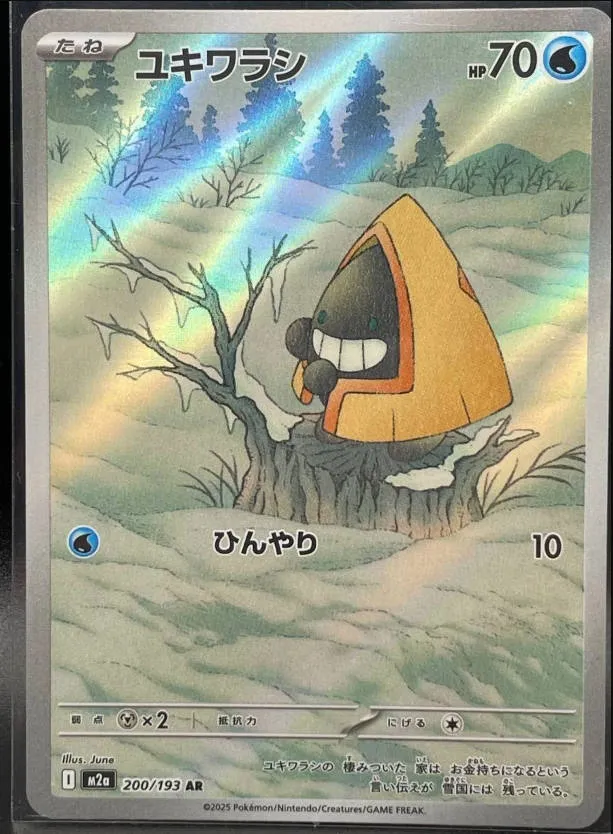
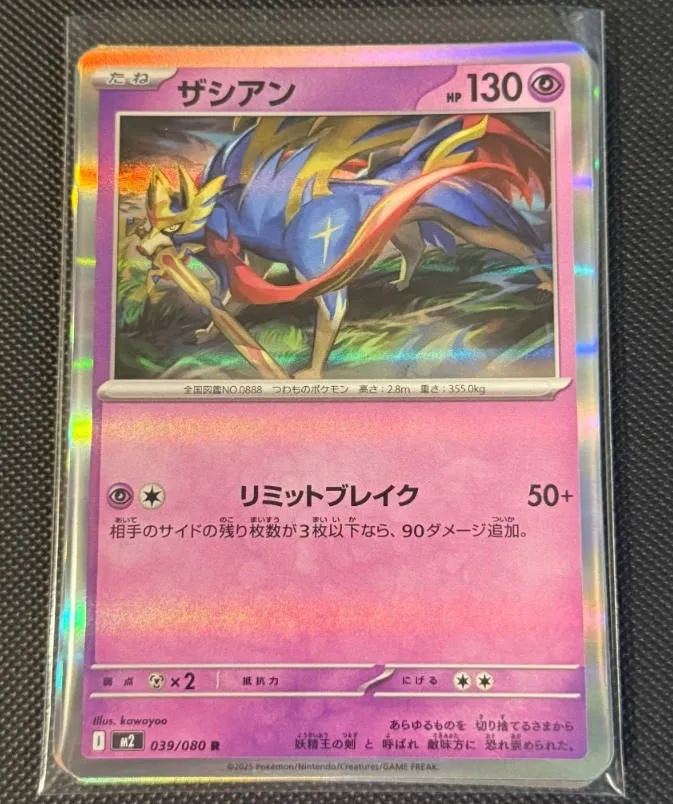
Holographic patterns are among the most important authentication indicators.
Different Pokémon eras use different holo technologies.
Counterfeit manufacturers often fail to reproduce them accurately.
✔️ Real
Vintage Holo Patterns
Older Pokémon cards generally use:
-
galaxy holo
-
cosmos holo
-
starburst foil patterns
Real vintage holo cards usually display:
-
depth
-
controlled shine
-
detailed layering
Fake vintage holos often look:
-
excessively rainbow
-
flat
-
overly reflective
Modern Holo Patterns
Modern Pokémon cards use highly complex holo systems.
Examples include:
-
diagonal holo lines
-
fingerprint textures
-
etched surfaces
-
layered foil effects
-
directional shine
Counterfeit versions frequently miss:
-
the correct angle behavior
-
texture alignment
-
reflective precision
❌ Fake
Rainbow Wash
Many fake cards reflect a full rainbow across the entire card.
Authentic Pokémon holos usually contain more controlled reflective regions.
Incorrect Shine Direction
Modern Pokémon cards often have directional holo patterns.
Fake cards may reflect light randomly.
Flat Appearance
Real cards typically have layered visual depth.
Counterfeit holos may appear flat or plastic-like.
4️⃣ Feel the Texture
Texture is extremely important for modern ultra-rare Pokémon cards.
Many expensive modern cards feature textured surfaces.
Examples include:
-
VMAX cards
-
Alternate Arts
-
Secret Rares
-
Full Arts
-
Illustration Rares
-
Special Illustration Rares


✔️ Real
Real Pokémon textures are:
-
subtle
-
precise
-
evenly distributed
-
integrated into artwork details
Texture lines often follow:
-
clothing
-
backgrounds
-
Pokémon outlines
-
energy effects
❌ Fake
Counterfeit textures are often:
-
too deep
-
randomly embossed
-
repetitive
-
completely absent
Some fake cards apply generic crosshatch patterns unrelated to official printing.
Others attempt "pressed" textures that feel unnatural.
5️⃣ Check Card Thickness and Flexibility
Authentic Pokémon cards have a recognizable balance between stiffness and flexibility.
✔️ Real
Genuine cards:
-
bend slightly without creasing
-
maintain structure
-
feel dense
❌ Fake
Counterfeits often feel:
-
papery
-
overly bendable
-
brittle
-
laminated
Some cheap replicas feel almost like cereal-box cardboard.
Should You Use the Bend Test?
Most collectors do NOT recommend aggressive bend testing.
While real cards are durable, expensive vintage cards can still become damaged.
Safer alternatives include:
-
flashlight tests
-
texture inspection
-
magnification
-
side-by-side comparisons.
6️⃣ Use the Light Test Carefully
The flashlight test is one of the oldest Pokémon authentication methods.
Because authentic Pokémon cards contain layered construction, light passes through them differently than fake cards.
How the Light Test Works
Hold a flashlight behind the card.
✔️ Real
Authentic cards usually allow:
-
limited
-
diffused
-
soft light transmission
❌ Fake
Counterfeit cards often allow:
-
excessive light
-
uneven transparency
-
obvious paper thinness
However, modern printing variations mean this test should NEVER be used alone.
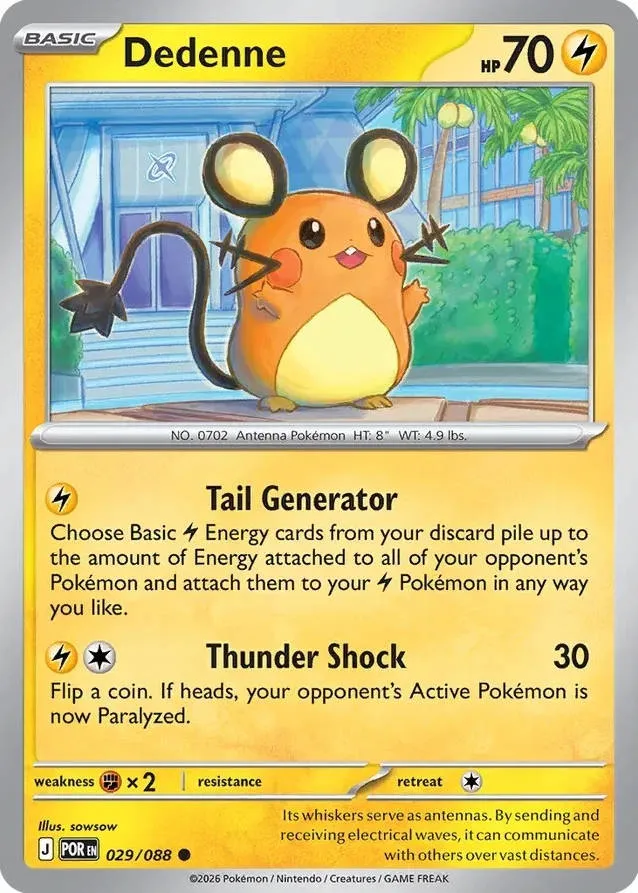
7️⃣ Compare Fonts and Text Layout
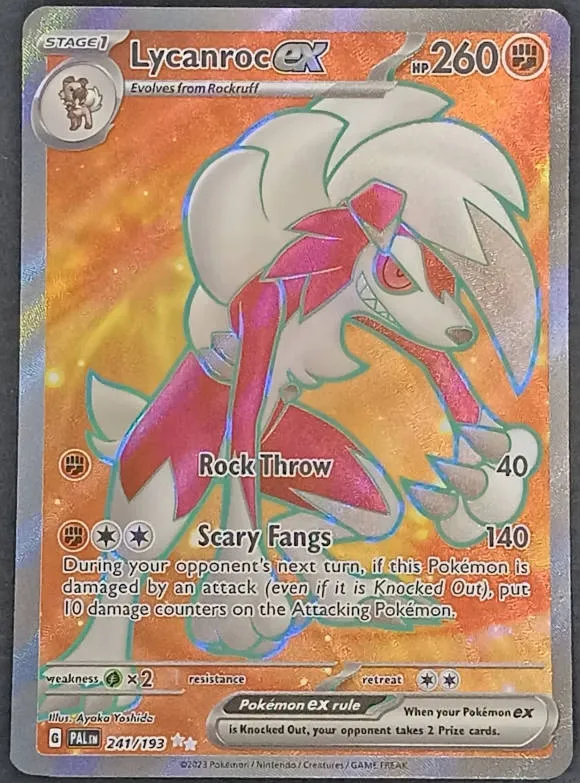
Pokémon uses extremely consistent typography.
Counterfeit cards commonly fail to match official spacing and font weight.
Areas Where Fake Fonts Appear
Check:
-
HP text
-
Attack names
-
Damage numbers
-
Evolution labels
-
Trainer descriptions
-
Energy symbols
Common Counterfeit Font Issues
❌ Wrong Boldness
Fake cards may use text that is:
-
too thick
-
too thin
-
blurry
❌ Spacing Errors
Look for:
-
uneven gaps
-
crowded lines
-
shifted alignment
❌ Incorrect Symbols
Energy icons and rarity symbols are often poorly recreated.
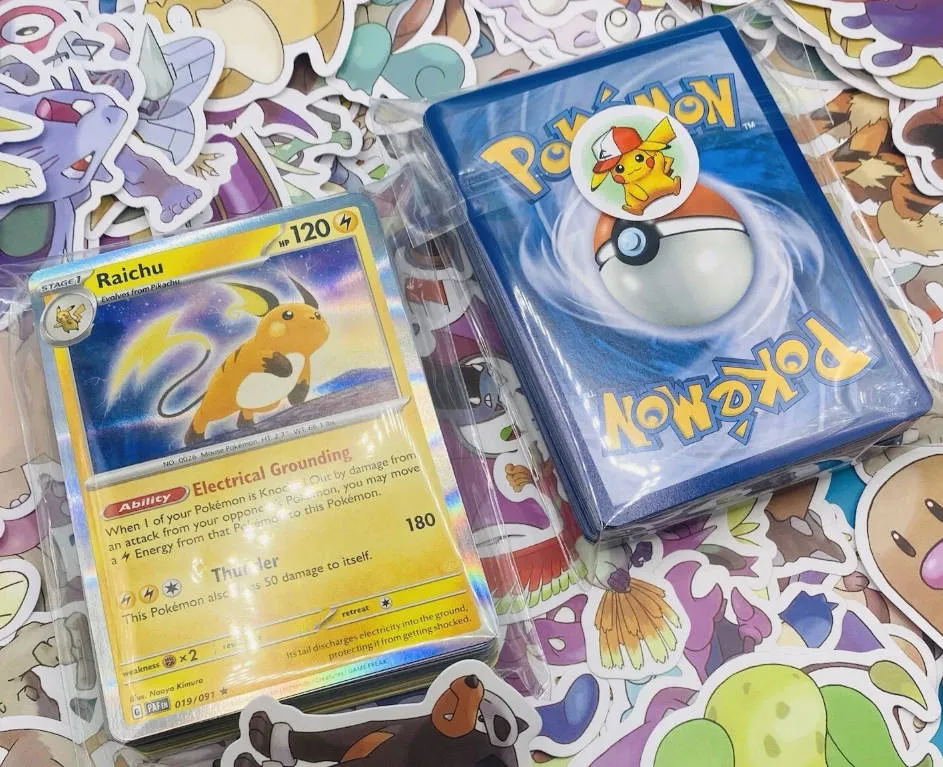
8️⃣ Inspect the Borders and Centering
Authentic Pokémon cards are machine-cut with consistent borders.
While real cards can have imperfect centering, they usually remain precise.
✔️ Real
Authentic borders should appear:
-
smooth
-
balanced
-
sharply cut
❌ Fake
Counterfeit cards often show:
-
uneven cutting
-
rough edges
-
irregular corners
-
inconsistent yellow borders
Some fake cards even display visibly crooked artwork.
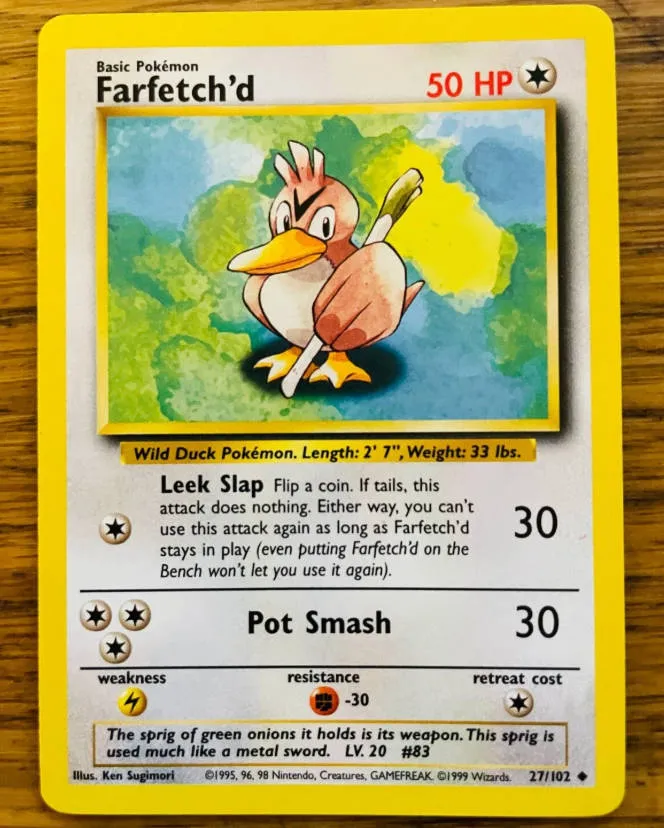
9️⃣ Check Spelling and Grammar
Spelling errors remain one of the clearest counterfeit indicators.
The Pokémon Company maintains extremely high editing standards.
Common Fake Mistakes
Examples include:
-
incorrect attack names
-
missing punctuation
-
strange capitalization
-
awkward grammar
Some fake cards even feature:
-
impossible HP values
-
nonexistent abilities
-
incorrect Pokémon types
Examples of Suspicious Details
❌ "Pikachuu"
Misspelled Pokémon names immediately indicate counterfeits.
❌ Incorrect Energy Costs
Fake cards sometimes use impossible attack requirements.
❌ Unrealistic HP
A vintage Base Set card claiming 500 HP is clearly fake.
🔟 Compare Against Official Set Information
One of the smartest authentication methods is cross-checking official card databases.
Verify:
-
set number
-
rarity
-
holo version
-
release year
-
artwork
Useful Information to Compare
Check whether the suspicious card matches:
-
official artwork
-
correct rarity
-
legal move set
-
proper numbering
-
known holo patterns
Counterfeit cards often mix details from multiple versions incorrectly.
1️⃣1️⃣ Watch for Fake Graded Cards
As Pokémon card prices increased, counterfeit graded slabs also became common.
Fake slabs imitate companies such as:
-
PSA
-
Beckett
-
CGC
Signs of Fake Graded Pokémon Cards
❌ Incorrect Labels
Fake labels may feature:
-
wrong fonts
-
poor spacing
-
blurry printing
❌ Missing Security Features
Authentic grading companies use:
-
QR codes
-
certification numbers
-
holograms
-
embedded security elements
❌ Cheap Plastic Cases
Counterfeit slabs often feel:
-
lightweight
-
cloudy
-
poorly sealed
Verify Certification Numbers
Always search certification numbers directly through official grading databases.
If the certification:
-
does not exist
-
matches a different card
-
shows mismatched images
the slab may be fake.
1️⃣2️⃣ Be Careful with Sealed Products
Counterfeit sealed Pokémon products are increasingly common.
This includes:
-
booster boxes
-
Elite Trainer Boxes
-
tins
-
packs
-
collection boxes
Fake Booster Box Warning Signs
❌ Loose Plastic Wrap
Authentic factory wrap is usually tight and clean.
❌ Incorrect Logos
Counterfeit shrink wrap often uses:
-
blurry Poké Ball logos
-
wrong font sizing
-
missing trademark symbols
❌ Low Print Quality Packaging
Fake boxes may show:
-
dull colors
-
blurry artwork
-
inaccurate set logos
Fake Booster Pack Signs
Watch for:
-
jagged crimps
-
resealed edges
-
glue marks
-
unusually easy opening
Authentic packs typically have consistent machine crimps.
1️⃣3️⃣ Learn Era-Specific Differences
Pokémon cards vary dramatically across generations.
Authentication standards differ depending on the era.
Vintage WOTC Era
Common fake indicators include:
-
glossy cardstock
-
incorrect holo stars
-
thin materials
EX Era
Watch for:
-
incorrect foil layering
-
fake reverse holo patterns
-
wrong card stock
Modern Sword & Shield / Scarlet & Violet Era
Common fake issues include:
-
missing texture
-
incorrect sparkle effects
-
poor silver borders
1️⃣4️⃣ Buy from Trusted Sources
The safest way to avoid fake Pokémon cards is purchasing through reputable sellers.
Safer Buying Options
Consider:
-
established hobby stores
-
reputable auction houses
-
major grading platforms
-
trusted collectors
-
verified online marketplaces
Higher Risk Buying Situations
Exercise caution with:
-
random social media sellers
-
flea markets
-
suspicious livestreams
-
unusually cheap bulk listings
Price Can Be a Huge Warning Sign
If a seller offers:
-
a rare Charizard
-
vintage booster box
-
expensive alternate art
for dramatically below market price, caution is warranted.
"Too good to be true" deals are often fake, resealed, or stolen.
1️⃣5️⃣ Use Magnification Tools
Many advanced collectors use jeweler's loupes or digital microscopes.
Magnification reveals:
-
print dot patterns
-
ink quality
-
texture precision
-
edge layering
✔️ Real
Authentic Pokémon cards typically display:
-
clean rosette print patterns
-
sharp linework
-
controlled ink placement
❌ Fake
Counterfeit cards may reveal:
-
pixel grids
-
blurry scans
-
uneven dots
-
cheap printer artifacts
🎴 Common Types of Fake Pokémon Cards
Understanding counterfeit categories helps collectors recognize risks faster.
Proxy Cards
These are unofficial reproductions intended for casual play.
Some proxies are openly labeled.
Others are deceptively sold as authentic.
Bootleg Mass-Produced Fakes
Usually found in:
-
online bulk lots
-
discount stores
-
fake booster packs
Quality is often very poor.
Custom Fantasy Cards
These feature:
-
unofficial artwork
-
impossible HP
-
fan-made holographics
They are collectibles only if clearly disclosed.
Fake Vintage Reprints
These target expensive older sets.
Common targets include:
-
Base Set Charizard
-
Gold Stars
-
Crystal cards
-
Trophy Pikachu cards
🚩 Red Flags When Buying Pokémon Cards Online
Online purchases create additional authentication risks.
Be Careful If Listings Have:
-
blurry photos
-
heavy filters
-
poor lighting
-
stock images
-
missing close-ups
Suspicious Seller Behavior
Warning signs include:
-
refusing extra photos
-
rushing buyers
-
avoiding authentication questions
-
hiding card backs
Safe Online Buying Habits
Always request:
-
front/back photos
-
angled holo shots
-
close-up texture images
-
certification verification if graded
🧰 Authentication Tools Collectors Commonly Use
Many serious collectors rely on:
-
LED flashlights
-
digital microscopes
-
jeweler's loupes
-
precision scales
-
PSA verification databases
-
centering tools
These help confirm suspicious details more objectively.
🚫 Beginner Mistakes When Authenticating Pokémon Cards
New collectors often focus on only one test.
That can lead to mistakes.
Common Errors
❌ Relying Only on the Bend Test
Not reliable enough alone.
❌ Assuming All Glossy Cards Are Fake
Some real sets are naturally glossy.
❌ Trusting Packaging Alone
Fake sealed products are increasingly sophisticated.
❌ Ignoring Seller Reputation
Seller history matters significantly.
💡 Best Authentication Strategy
The most reliable method combines multiple checks:
① Print quality
② Texture
③ Holo pattern
④ Font consistency
⑤ Card thickness
⑥ Light test
⑦ Official database comparison
⑧ Seller reputation
No single method is perfect by itself.
❓ FAQ — Pokémon Card Authentication
Q1. Are fake Pokémon cards illegal?
Selling counterfeit cards as authentic products is generally illegal in many countries because it violates trademark and intellectual property laws.
Q2. Can fake Pokémon cards be valuable?
Most counterfeit cards have little collector value. However, some openly labeled proxy or fan-made cards may hold novelty interest within small communities.
Q3. Do fake Pokémon cards work in tournaments?
Official tournaments typically require authentic cards.
Counterfeit cards are not tournament legal.
Q4. Are all textured Pokémon cards real?
No. Many counterfeiters now imitate texture. However, fake textures are often inaccurate or poorly aligned.
Q5. Is the rip test safe?
No. Destroying a card should only be considered for extremely suspicious low-value cards.
Most collectors avoid it entirely.
Q6. Can grading companies accidentally grade fake cards?
Major grading companies occasionally make mistakes, though advanced authentication procedures reduce the risk significantly.
Q7. Why do fake cards feel lighter?
Counterfeit cards often use cheaper single-layer materials rather than authentic layered cardstock construction.
Q8. Are Amazon and marketplace cards always safe?
Not necessarily.
Third-party marketplace sellers can still distribute fake products.
Always verify seller reputation carefully.
Q9. What Pokémon cards are most commonly faked?
Frequently counterfeited cards include:
-
Charizard cards
-
Gold Stars
-
Trophy cards
-
Alternate Arts
-
Vintage holographics
-
High-value modern chase cards
Q10. How can beginners avoid fake cards?
The safest approach is:
-
buying from trusted sellers
-
learning official print characteristics
-
comparing cards carefully before purchasing
📝 Final Thoughts
Pokémon card counterfeits continue to evolve alongside the growing trading card market. While some fake cards are easy to spot, others can appear surprisingly convincing in online photos or casual transactions.
The best defense is developing familiarity with authentic cards over time. Experienced collectors usually rely on multiple indicators simultaneously rather than one single "magic test." Print quality, texture accuracy, holo behavior, cardstock feel, typography, packaging, and seller reputation all work together to reveal whether a card is genuine.
For beginners, direct comparison is often the fastest learning method. Holding a suspicious card beside a verified authentic example can quickly expose inconsistencies in color, texture, thickness, and holo reflection.
When purchasing expensive Pokémon cards:
-
slow down
-
inspect carefully
-
ask questions
-
request detailed photos
-
verify certification data whenever possible
Counterfeiters often rely on buyer excitement and urgency. Careful collectors usually avoid the majority of scams simply by taking extra time before purchasing.
As Pokémon collecting continues to grow globally, authentication knowledge becomes increasingly important—not only for protecting your money, but also for preserving trust within the hobby itself.