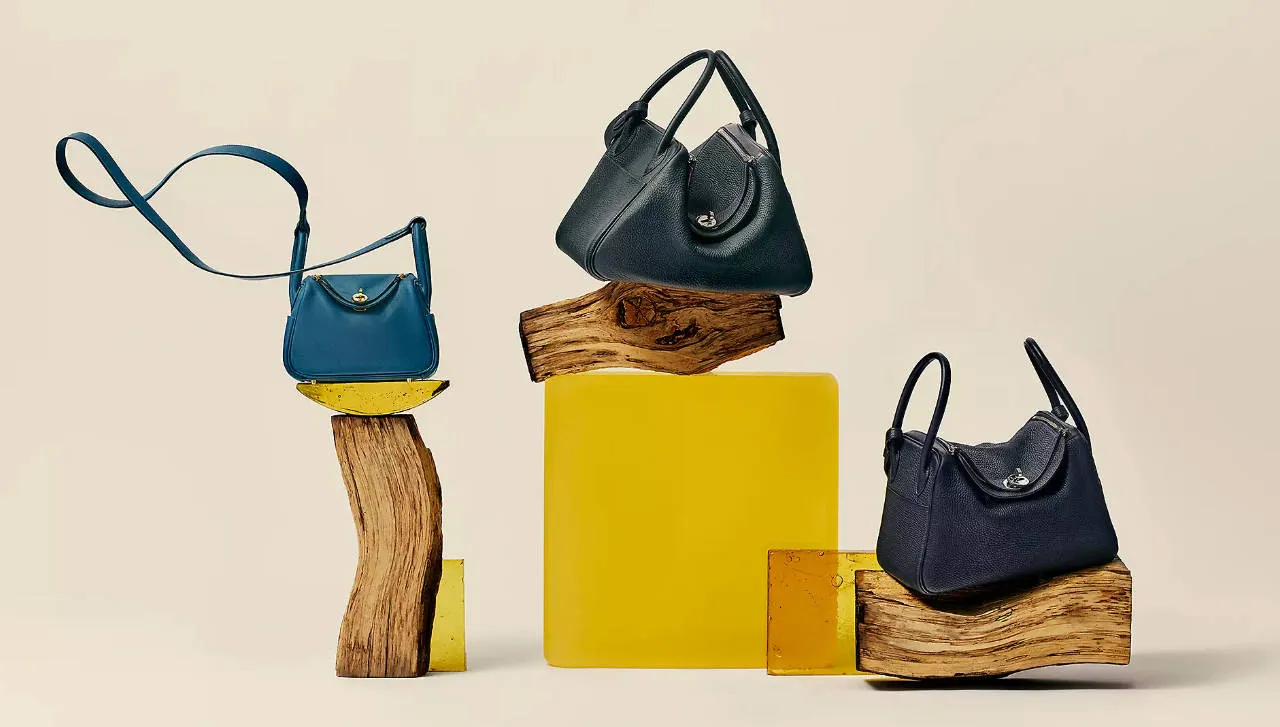
The Hermès Clic H bracelet is more than just a piece of jewelry; it's a coveted fashion statement and, for many, a significant investment. Its instantly recognizable "H" clasp and sleek enamel band have made it a favorite among luxury enthusiasts worldwide. Unfortunately, this popularity has led to a market saturated with convincing counterfeits. When purchasing an authentic Hermès bangle, especially from the secondary market, the risk of acquiring a sophisticated imitation is dangerously high. Don't let a deceptive deal tarnish your luxury experience. Our comprehensive guide will equip you with the essential knowledge to scrutinize these accessories and confidently distinguish a genuine Clic H piece from a cleverly manufactured fake, ensuring your peace of mind and protecting your valuable purchase.
💎 About The Hermès Clic H bracelet
Design and construction
-
Material: The bracelet is made of gold-plated or palladium-plated hardware with a lacquered enamel inlay.
-
H clasp: The iconic "H" clasp is the functional part of the bracelet, featuring a beveled edge and a push-and-twist opening mechanism.
-
Appearance: It's known for its sleek design, with a variety of colors available, from classic white to vibrant seasonal hues and scarf prints.
Sizes and widths
-
Widths: The bracelet comes in a narrow version (sometimes called Clic H) and a wider version (Clic Clac H).
-
Sizes: It is available in two sizes, PM (Petit Modèle) and GM (Grand Modèle), to fit different wrist circumferences.
-
Fit: The GM size is generally for medium-to-large wrists, while the PM is for small-to-medium wrists.
Opening and closing
-
Mechanism: To open, you push the sides of the H clasp together and then twist it to release the lock.
-
Closing: To close, align the two sides, push them together, and rotate the "H" until it clicks into place.
Wear and care
-
Care: It's recommended to avoid submerging the bracelet in water to prevent tarnishing.
-
Maintenance: Store the bracelet in its dust bag when not in use.
-
Wear: Over time, the metal parts may show signs of wear, such as scratches or a slight bronze/copper tone, especially on the outer edges and back of the bracelet.
🧭 Clic H Bracelet Real vs. Fake Guide
Quick Authenticity Checklist:
| Check Point | Real | Fake |
| Shape | Oval | Round |
| Enamel | Glass-like, smooth | Plastic-like, uneven |
| Weight | Heavy & premium | Light |
| "H" Clasp | Slim, clean | Thick, large gaps |
| Engravings | Sharp, aligned | Blurry or uneven |
| Screws | Flat/star; flush | Wrong type, sloppy |
| Hinge | Smooth tension | Loose / stiff |
| Box | Correct orange, brown text | Off-color, black text |
The Hermès Clic H (also known as Clic-Clac H) bracelet is one of the most commonly counterfeited pieces of fashion jewelry. Although replicas are getting better, there are still reliable physical details and small construction cues that consistently distinguish an authentic piece from a fake. This guide combines expert criteria with practical, real-world tips frequently used by experienced buyers.
1. Shape & Overall Proportions
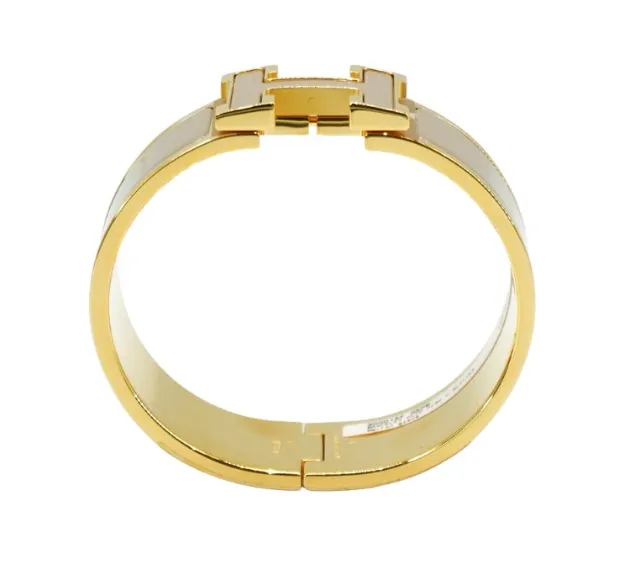
Authentic:
-
Always oval-shaped, never perfectly round.
-
Designed to ergonomically fit the wrist.
-
Symmetrical curvature and clean lines from all angles.
Counterfeit:
-
Often round, because manufacturing oval metal forms is more expensive.
-
Slightly distorted shapes or uneven proportions are common.
2. Enamel Construction & Quality
Authentic:
-
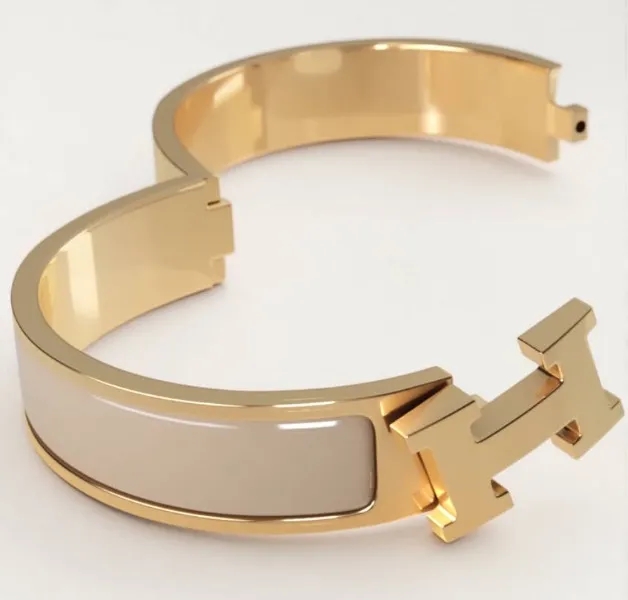
Hermès uses a solid, high-quality enamel with a glossy, glass-like feel.
-
Enamel edges are smooth and slightly rounded, not perfectly flat.
-
No bubbles, pits, or uneven texture.
-
Color appears deep and rich rather than "painted on."
Counterfeit:
-
Plastic-looking or overly shiny/dull enamel.
-
Sharp or uneven edges.
-
Micro-bubbles, waves, dents, or texture inconsistencies.
-
Enamel sometimes sits slightly off-center or sits too high/low.
Experienced buyers often request close-up photos of the enamel edge because this detail exposes most replicas immediately.
3. Weight & Metal Finish
Authentic:
-
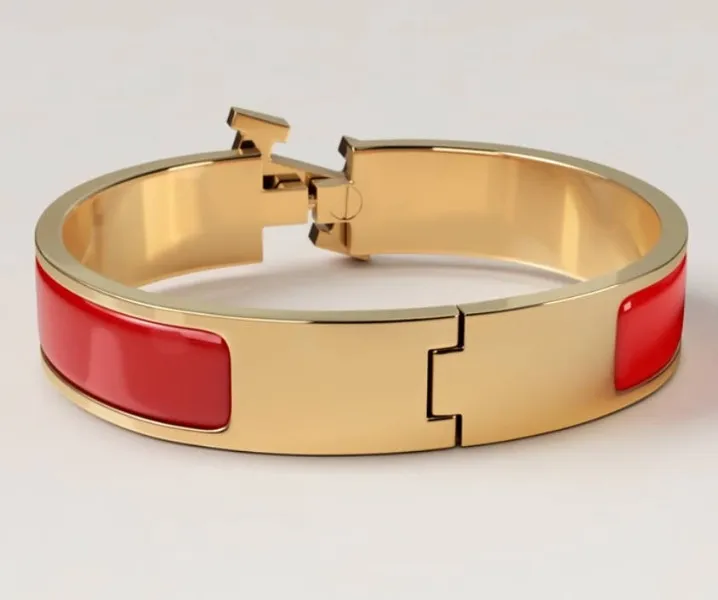
Feels substantial and weighty, never hollow or tinny.
-
Mirror-like polish with no cloudy patches or roughness.
-
Metal and enamel transitions are seamless.
Counterfeit:
-
Noticeably lighter.
-
Overly shiny "chrome-like" finish or dull plating.
-
Micro-scratches, rough edges, or uneven polishing are common signs.
4. The "H" Clasp
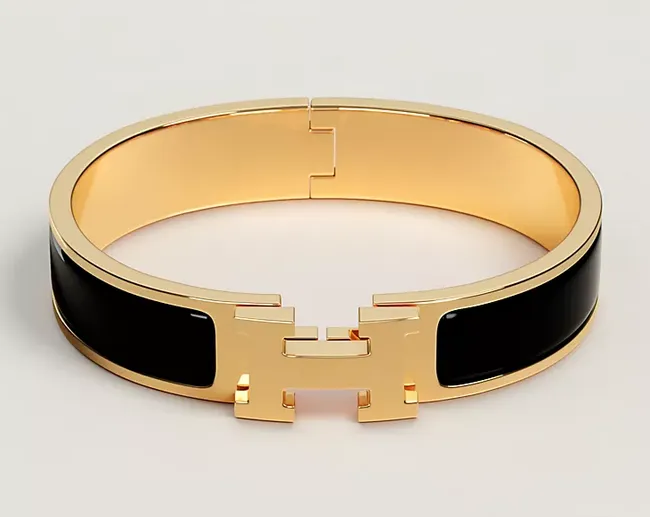
Authentic:
-
The two vertical legs of the H are slim and elegant.
-
The horizontal bar is sharp, straight, and proportionate.
-
The gaps beside the H are narrow and consistent.
-
The twist-lock mechanism moves with smooth, controlled tension.
Counterfeit:
-
Chunky, thick, or distorted H shape.
-
Oversized side gaps—one of the most common red flags.
-
Mechanism feels too loose, too tight, gritty, or noisy.
-
The clasp may not align perfectly when closed.
🔔 Many seasoned shoppers request a video of the seller opening and closing the bracelet to check the hinge tension and clasp action.
5. Engravings & Hallmarks
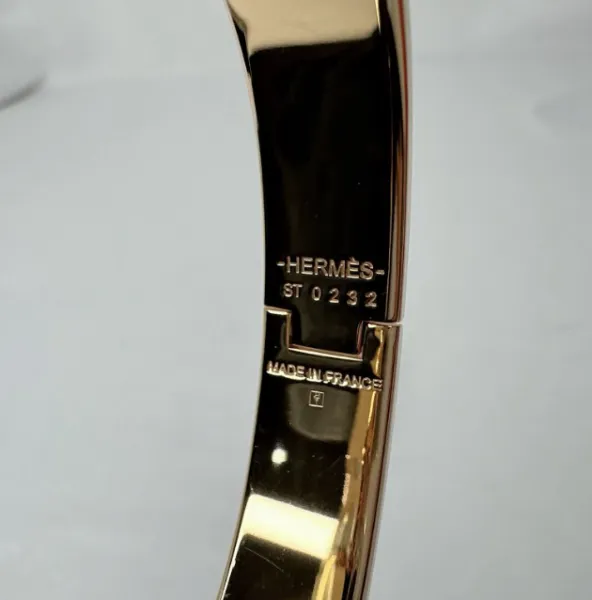
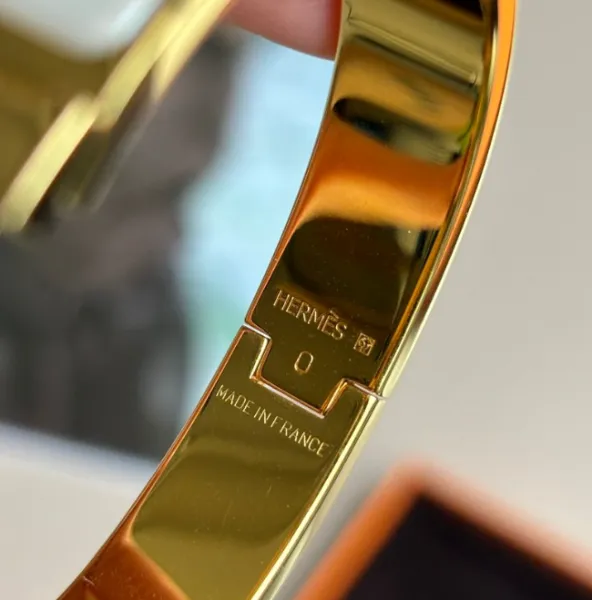
Authentic bracelets typically feature:
-
HERMÈS engraved clearly in crisp, sharp uppercase letters.
-
A date stamp or production mark.
-
"MADE IN FRANCE", centered and evenly spaced.
-
Sometimes a size indicator (PM, GM).
Counterfeit pieces often have:
-
Faint, shallow, or overly bold engraving.
-
Incorrect spacing or mismatched fonts.
-
No production stamp, or a random/incorrect code.
-
Engravings that rub off or appear laser-etched poorly.
🔔 Buyers often inspect this area under bright lighting or request macro photos.
6. Screws & Hardware Details
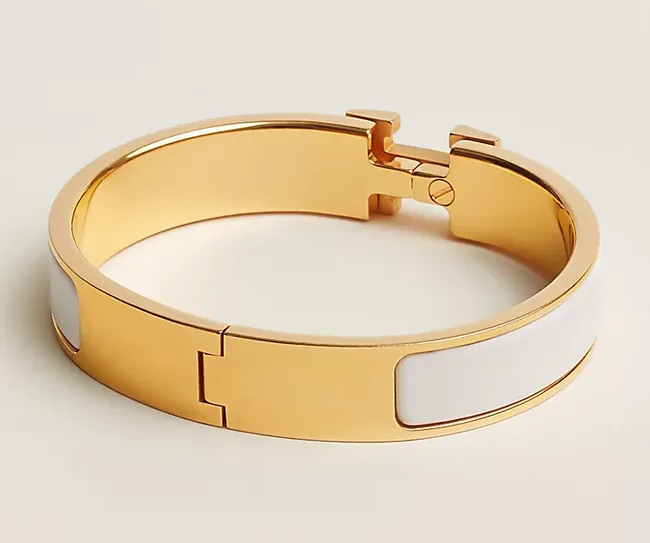
Authentic:
-
Uses flathead screws (PM/GM sizes) or star-shaped screws on wider models.
-
Screws sit perfectly flush with the metal.
-
Hardware is consistent across both sides.
Counterfeit:
-
Wrong screw type, mismatched screws, or screws sitting at an angle.
-
Tool marks or rough edges inside the hinge.
-
Screws that look cheap or misaligned.
7. Hinge Mechanism & Feel
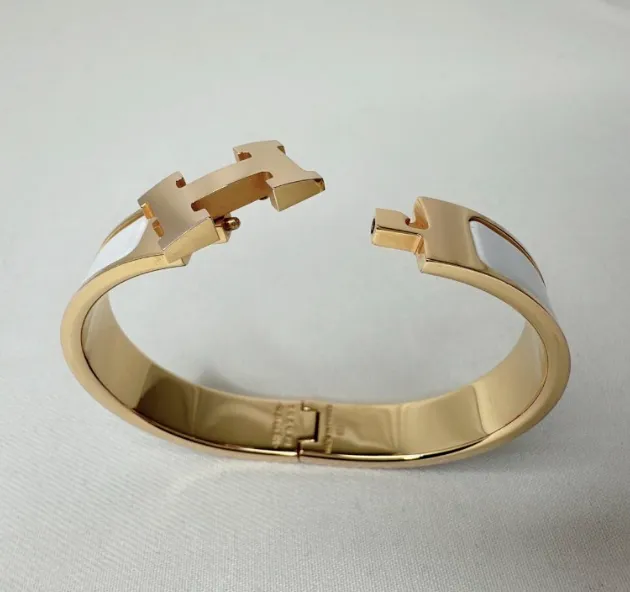
Authentic:
-
Opens with a soft, firm twist and closes with smooth precision.
-
No rattling, wobbling, or resistance.
-
Bracelet halves align perfectly when closed.
Counterfeit:
-
Stiff, squeaky, gritty, or overly loose motion.
-
Misalignment where the two halves meet.
-
The "click" may sound harsh or metallic.
8. Packaging Signs
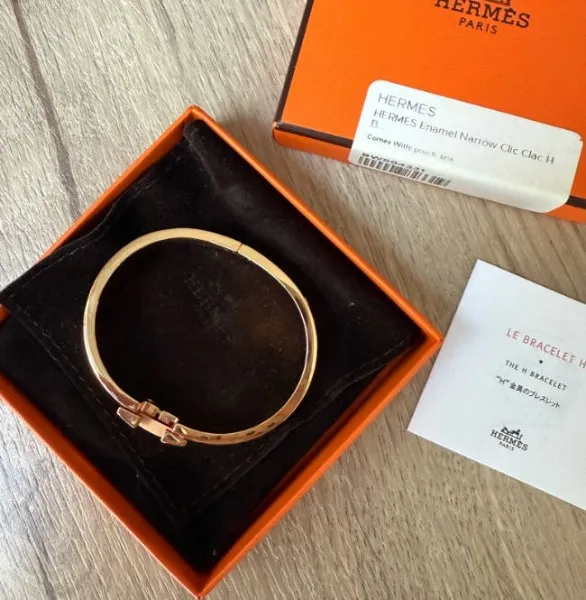
Authentic packaging:
-
Box color is close to Pantone 165C, not neon or dull orange.
-
Logo printed in dark brown, not black.
-
High-quality felt or velvet pouch.
Known red flags:
-
Black-logo boxes.
-
Cheap cardboard.
-
An "authenticity card" — Hermès does not include authenticity cards with Clic H bracelets.
🔔 Packaging alone should never determine authenticity, but it can help confirm inconsistencies.
9. Pricing & Seller Behavior Clues
Experienced collectors share similar warnings:
-
“Too low to be true” pricing is almost always a problem.
-
Sellers who refuse to provide clear interior-hinge photos or clasp videos should be avoided.
-
Authentic items usually come with confidence — counterfeit sellers frequently rush buyers.
10. Community-Proven Photo & Video Checklist
To authenticate a bracelet remotely, many buyers ask sellers for:
-
Macro shot of enamel edge
-
Head-on shot of the H clasp (to evaluate proportions/gaps)
-
Inside hinge engravings (HERMÈS / date stamp / MADE IN FRANCE)
-
Photo of screws
-
Video of opening/closing the bracelet slowly
-
Full daylight photos showing metal shine and enamel consistency
These requests catch the vast majority of counterfeits.
💡 Final Thoughts
Authenticating a Hermès Clic H bracelet is all about precision: the enamel, hinge feel, proportions of the H, engravings, and overall finishing quality. Even high-grade replicas fail in one or more of these areas under close inspection. With the detailed checks above and the photo/video request list, you can confidently evaluate most bracelets — even from online listings.