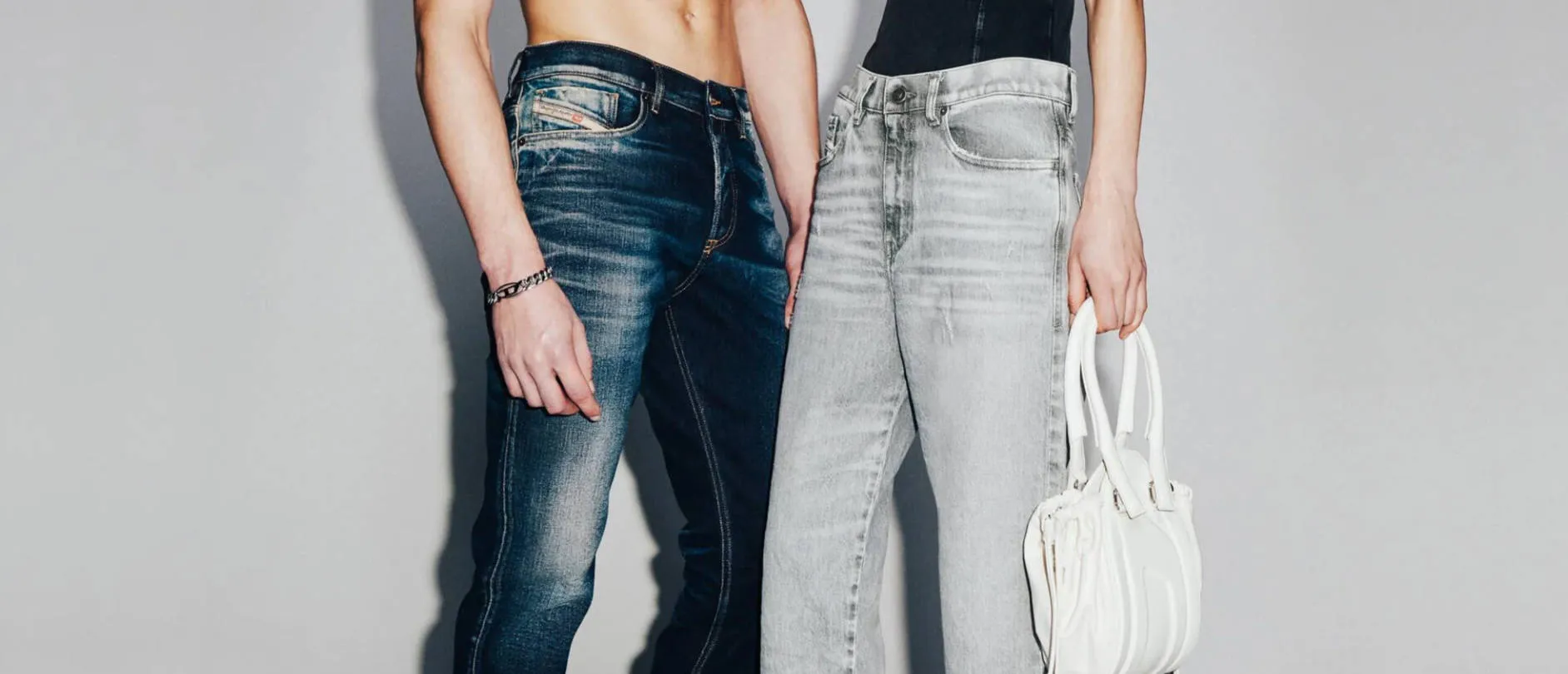
Finding a perfect pair of Diesel denim is a win for any wardrobe, but with the rise of high-quality replicas, telling the difference between a masterpiece and a knockoff has become a challenge. Whether you're scouting for a vintage pair on eBay or shopping from a third-party seller, knowing the subtle markers of genuine Italian craftsmanship is essential. Don't let a "good deal" turn into a counterfeit regret; here is how to spot fake Diesel jeans in minutes.
👖 Diesel Jeans Overview
Diesel is an innovative international lifestyle company founded by Renzo Rosso in 1978. Originally positioned as an "alternative energy" in the fashion world, the brand has evolved from a denim specialist into a premium fashion leader under the creative direction of Glenn Martens (since 2020).
1. Brand Heritage & Philosophy
-
The "Alternative" Spirit: Founded during a global oil crisis, the name "Diesel" was chosen because it was an alternative fuel and a word pronounced the same in every language.
-
For Successful Living: This iconic 1991 campaign established Diesel's reputation for provocative, ironic, and high-concept marketing that treats the consumer as an intelligent, culturally aware individual.
-
The Mohawk Logo: Representing the brand's rebellious "Only The Brave" spirit, the Mohawk-wearing figure has become a global symbol for individuality and youth culture.
2. Key Highlights
-
Italian Heritage – Combines craftsmanship with edgy, global street style
-
Innovative Washes – Distressed, faded, coated, and treated denim
-
Wide Fit Range – Skinny, slim, regular, relaxed, bootcut
-
Signature Details – Logo patch, contrast stitching, unique distressing
-
Rebellious Aesthetic – Often bold, experimental, and trend-driven
Since 2020, creative director Glenn Martens has revitalized the brand with Gen Z-focused designs and runway innovation.
3. Materials & Construction
- Denim Types:
✧ Stretch denim (comfort + mobility)
✧ Raw denim (less common in Diesel)
✧ Treated/washed denim (brand signature)
- Fabric Composition:
✧ Cotton or organic cotton blends
✧ Elastane for stretch (1–3%)
- Finishing Techniques:
✧ Hand-sanding
✧ Whiskering
✧ Distressing & patch repair effects
Diesel is especially known for "lived-in" finishes, making jeans look worn-in from day one.
4. Quality & Production Mastery
Diesel distinguishes itself from "fast fashion" through a labor-intensive finishing process:
-
Multi-Stage Washes: While standard jeans might undergo 1-2 wash stages, a single pair of Diesel "DNA" denim can go through 4–6 processes, including enzyme washes, stone washes, and resin treatments.
-
Hand-Finishing: Many distressed details (whiskering, fraying, and "scratched" effects) are applied by hand using sandpaper and laser technology.
-
Lower-Impact Denim: The brand's "For Responsible Living" strategy has introduced Ozone technology (to reduce water/chemical use) and Regenerative Cotton into their core lines.
When it comes to premium denim, Diesel stands out for its bold designs, innovative washes, and signature detailing. But with popularity comes imitation—and today's counterfeit Diesel jeans can look surprisingly convincing at first glance. Below are the most important details to examine before making a purchase.
🧭 Diesel Jeans Real vs. Fake Guide
🔍 Why Diesel Jeans Are Frequently Counterfeited
Diesel jeans are a prime target for counterfeiters because they combine:
-
Mid-to-high price range (accessible luxury)
-
Strong global demand
-
Distinctive washes and branding
-
High resale value in vintage markets
Fake versions often mimic popular models like D-Strukt, Thommer, and Sleenker, making it harder for casual buyers to tell the difference.
⚡ Quick Comparison Table
| Check Point | Authentic Diesel Characteristics | Red Flags |
| Stitching | Clean, tight, consistent | Loose, uneven, fraying |
| Back Patch Logo | High-quality leather/rubber, embossed | Cheap material, flat print |
| Diesel Branding | Sharp, correct font | Distorted, incorrect spacing |
| Interior Tags | Multi-layer, detailed, QR/ID codes | Missing info, typos |
| Hardware | Heavy, engraved | Lightweight, plain |
| Denim Quality | Premium, structured, softens over time | Thin, stiff, synthetic feel |
| Country Label | Tunisia, Italy, Morocco, etc. | Random/missing |
| Pocket Design | Balanced, symmetrical | Crooked, inconsistent |
| Style Code | Matches official format | Random/inconsistent |
| Wash & Distressing | Natural, intentional | Artificial, messy |
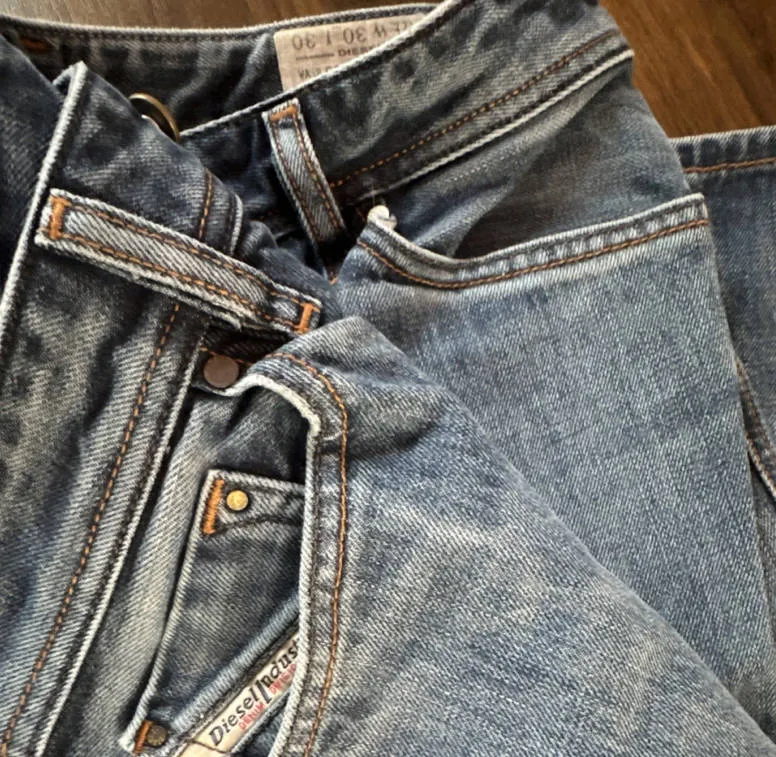
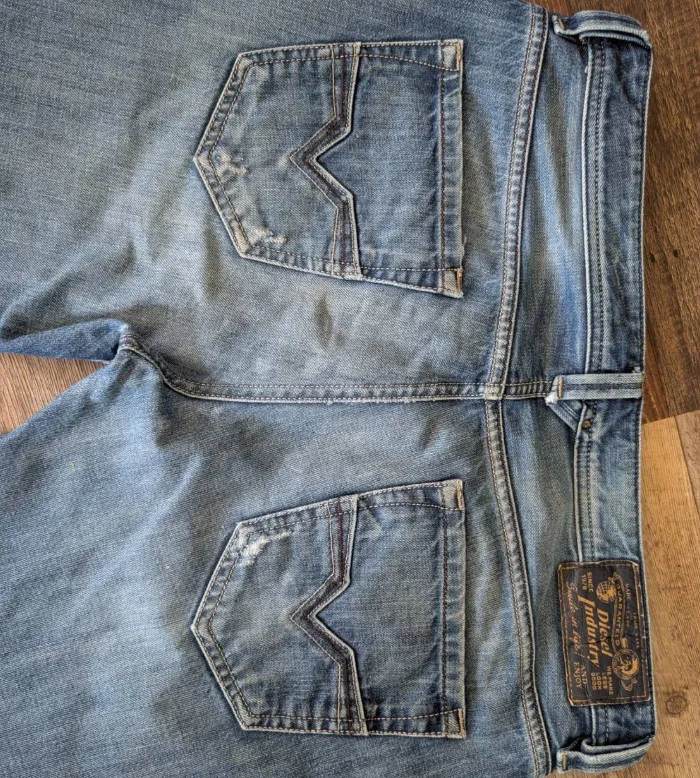
1. Signature Stitching
Diesel focuses on precision stitching rather than flashy contrast, making flaws easier to detect.
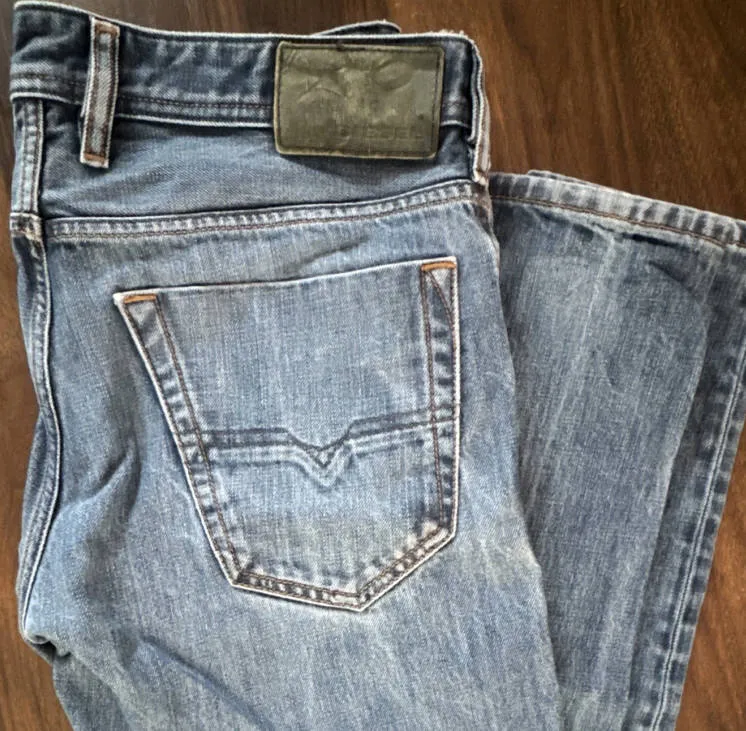
✔️ Real:
-
Tight, high-density stitching
-
Clean seams with no loose threads
-
Even spacing throughout
-
Reinforced stress points (crotch, pockets)
❌ Fake:
-
Uneven or wavy stitching
-
Loose threads or fraying
-
Skipped stitches or inconsistent tension
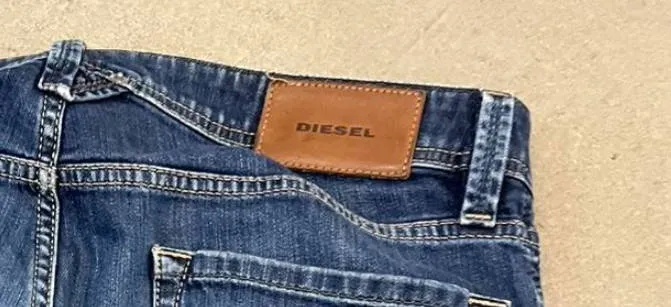
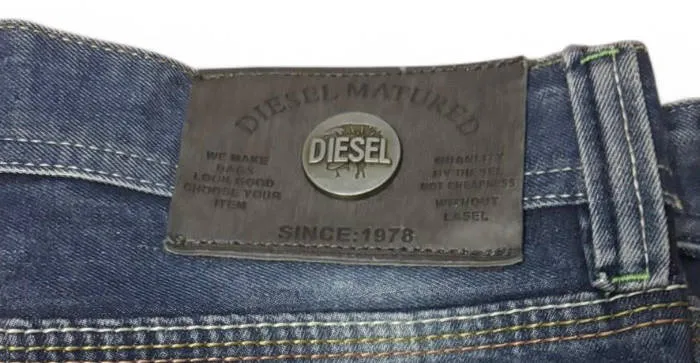
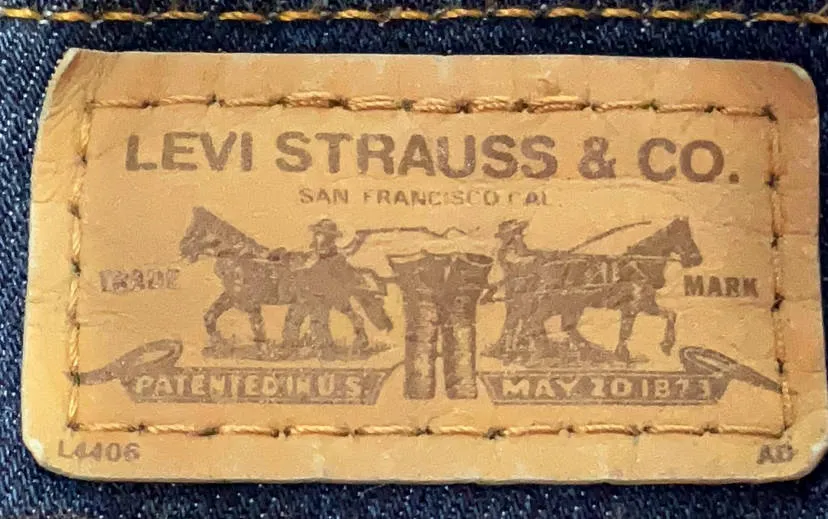
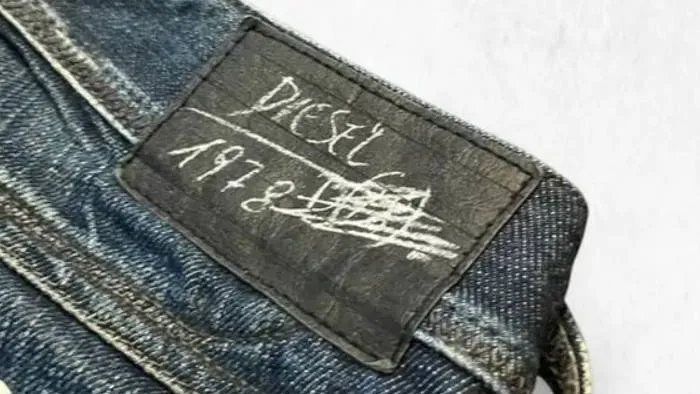
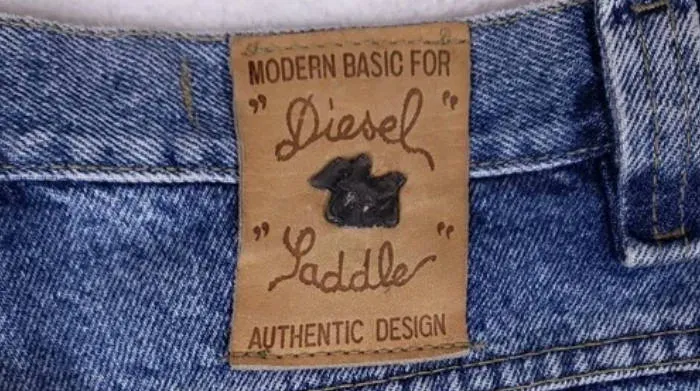
2. Back Patch Logo (Leather / Rubber Patch)
The back patch is one of Diesel's most recognizable features.
✔️ Real:
-
Made of genuine leather or high-quality rubber
-
Embossed or debossed logo (not just printed)
-
Clean edges and precise detailing
-
Strong attachment to waistband
❌ Fake:
-
Thin, plastic-like material
-
Flat printed logo
-
Faded or peeling edges
-
Misaligned placement
💡 Check texture: Real patches feel premium and slightly textured—not smooth plastic.
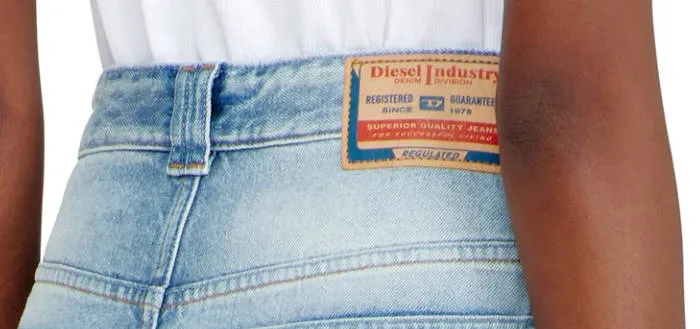
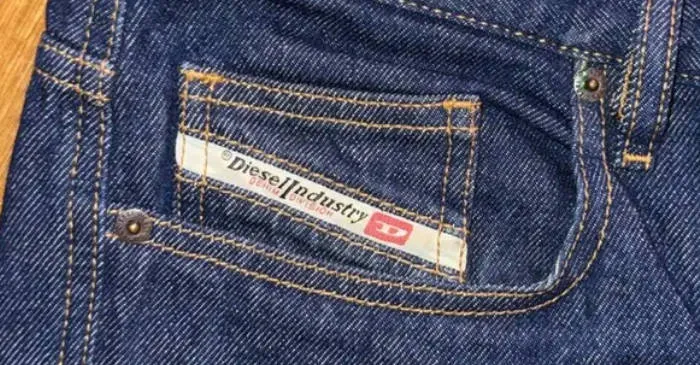
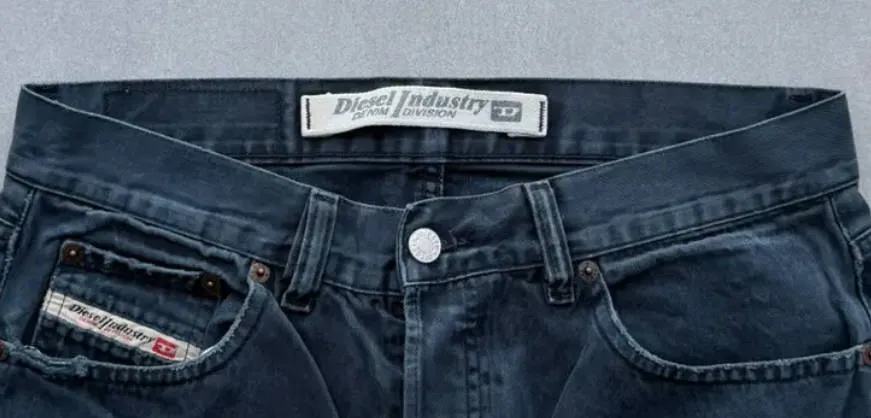
3. Diesel Logo & Typography
Diesel branding is consistent across all products.
✔️ Real:
-
Correct font spacing and proportions
-
Clean, sharp lettering
-
Logos aligned properly on tags and hardware
❌ Fake:
-
Slight font inconsistencies
-
Letters too close/far apart
-
Blurry or poorly printed branding
⚠️ Even small font differences are a major red flag.
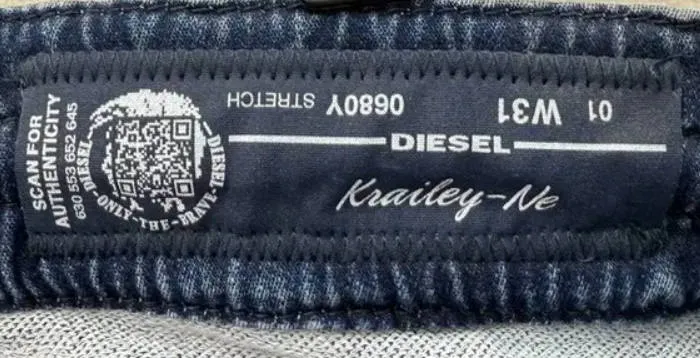
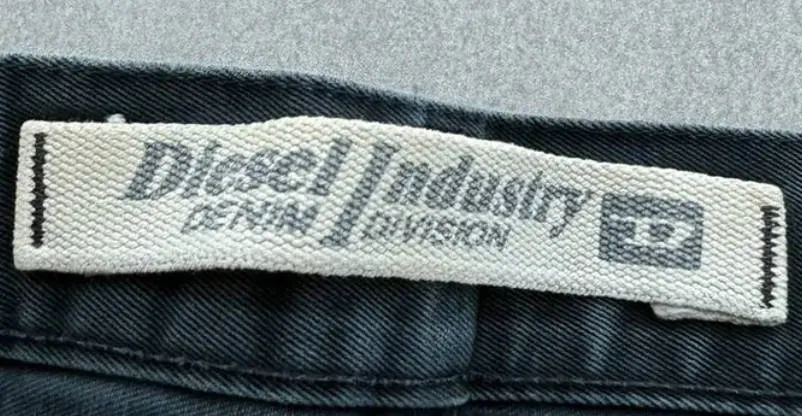
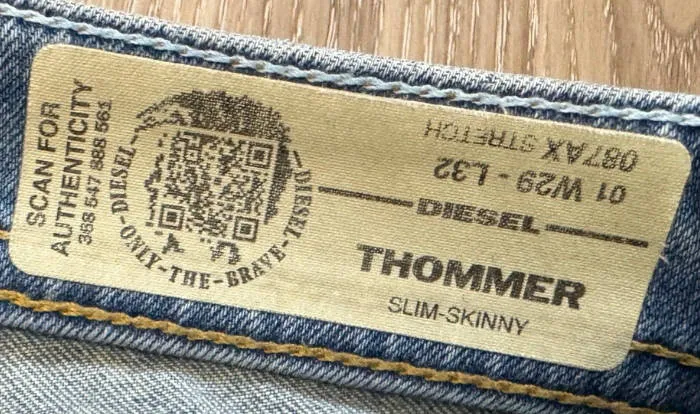
4. Interior Tags & Labels
Diesel jeans typically include multiple internal labels, often with modern tracking features.
Key Tags to Examine:
-
Waistband brand tag
-
Fabric composition label
-
Care instructions label
-
QR code / authenticity label (on newer pairs)
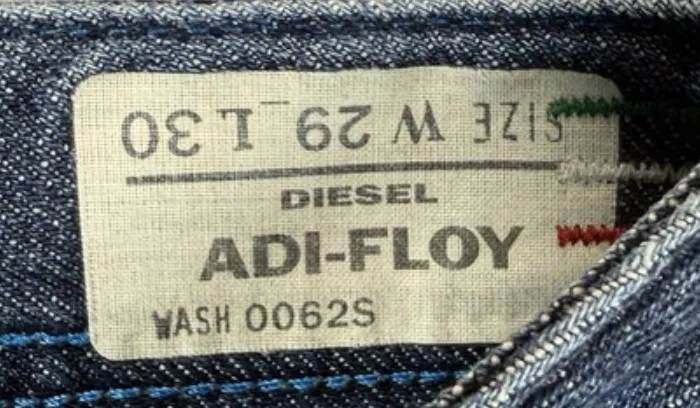
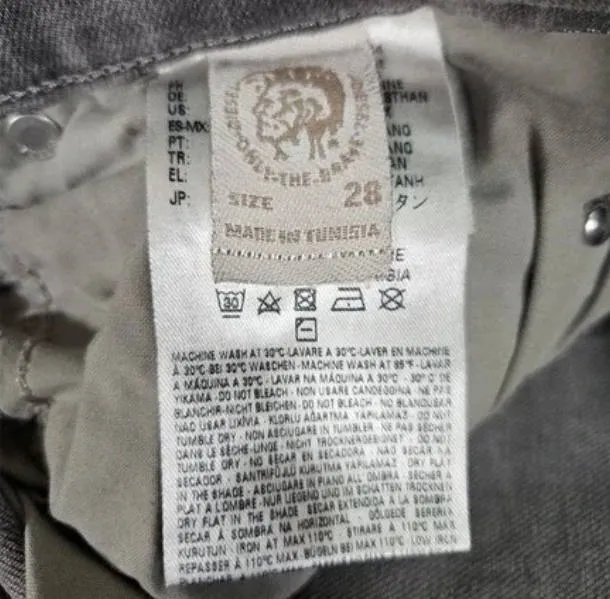
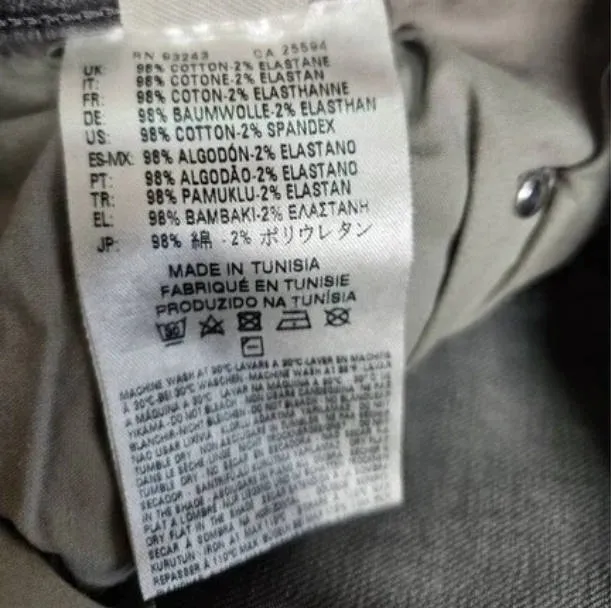
✔️ Real:
-
Durable fabric tags (not paper-thin)
-
Crisp, readable text
-
No spelling errors
-
QR codes or numeric product IDs
❌ Fake:
-
Thin, cheap labels
-
Faded or blurry printing
-
Typos or inconsistent fonts
-
Missing QR/ID details
💡 Important: Newer Diesel jeans often include digital authentication elements—fakes usually skip this.
5. Hardware (Buttons, Rivets, Zippers)
Diesel uses premium metal hardware with subtle branding.
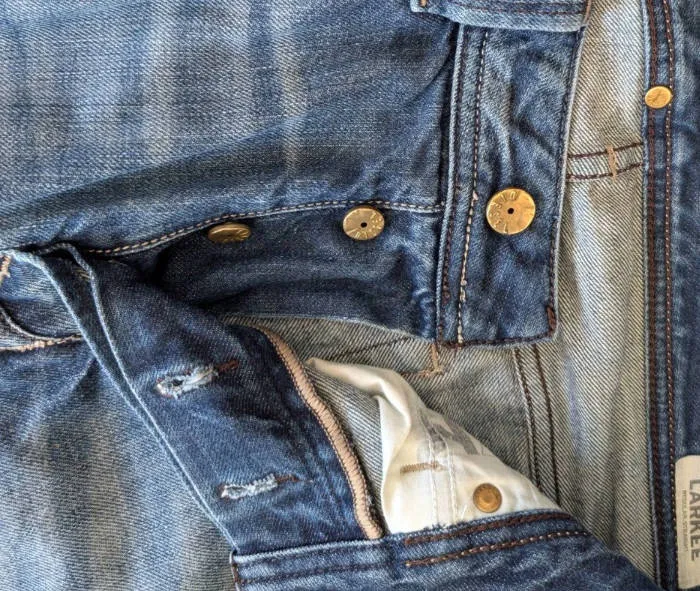
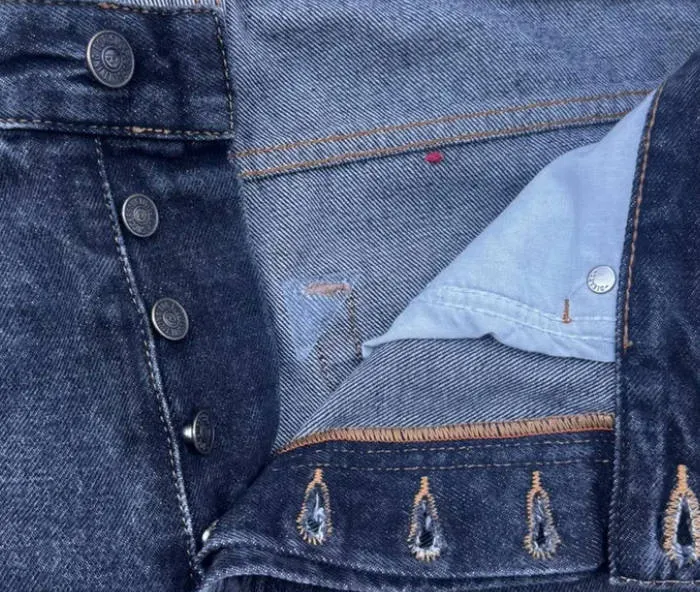
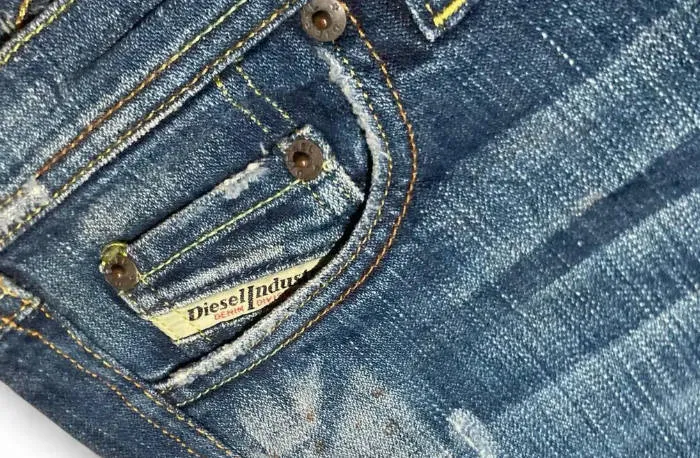
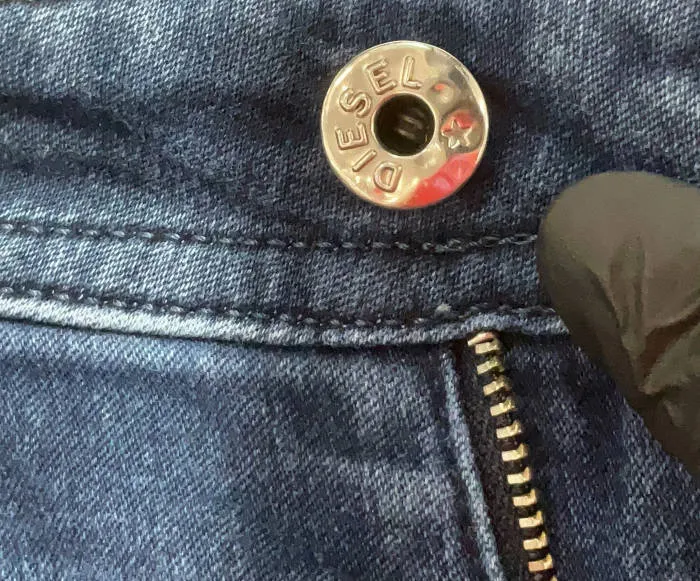
✔️ Real:
-
Heavy, solid metal feel
-
Engraved branding (e.g., "Diesel")
-
Smooth zipper operation (often YKK)
❌ Fake:
-
Lightweight or hollow hardware
-
No engravings or incorrect logos
-
Rough or sticky zipper movement
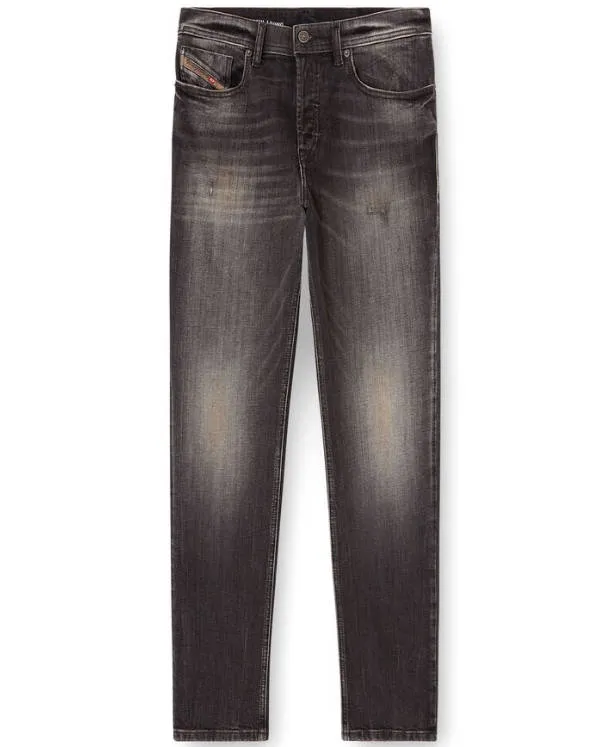
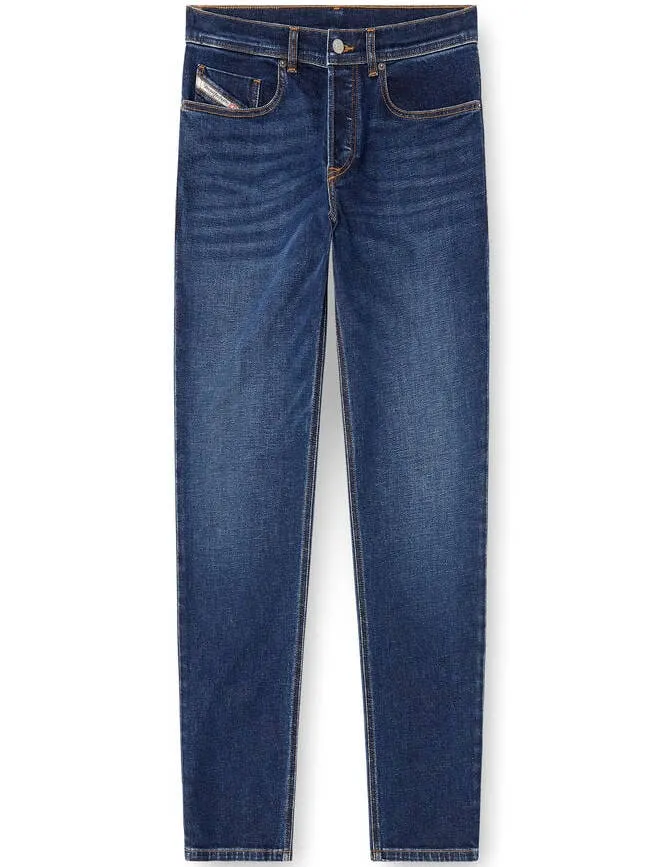
6. Denim Quality & Feel
Diesel is known for innovative, high-quality denim fabrics.
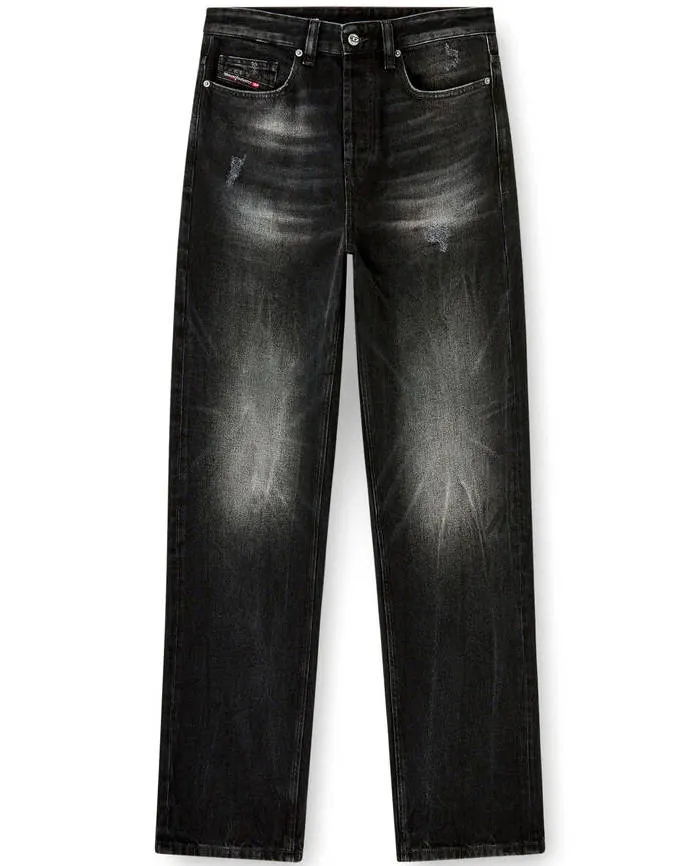
✔️ Real:
-
Medium-to-heavy weight denim
-
Softens naturally over time
-
Balanced structure (not overly stiff)
-
Premium wash consistency
❌ Fake:
-
Thin or overly stiff fabric
-
Synthetic or plasticky feel
-
Uneven dye or color patches
⚠️ If it feels cheap—it probably is.
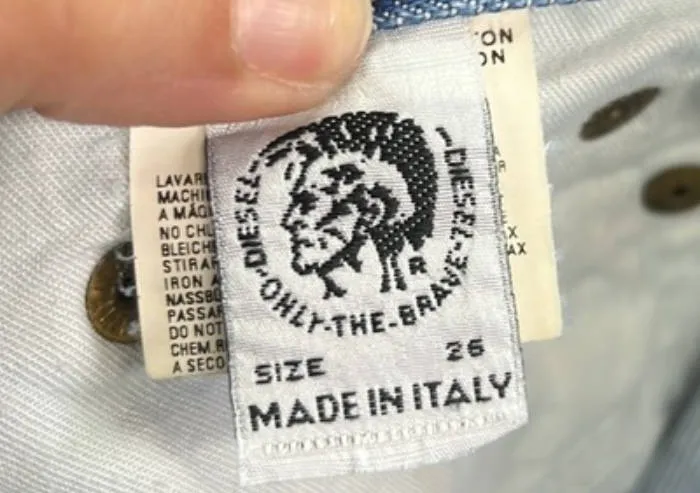
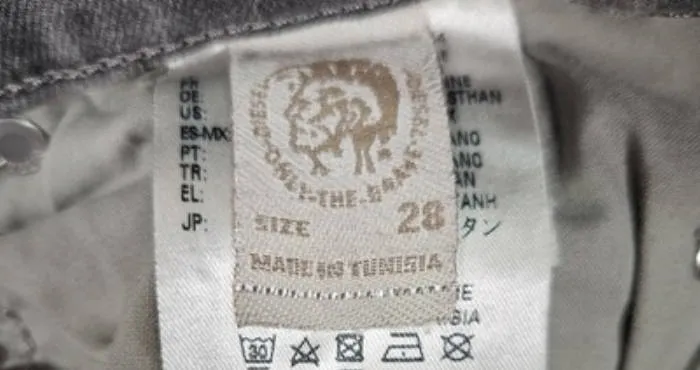
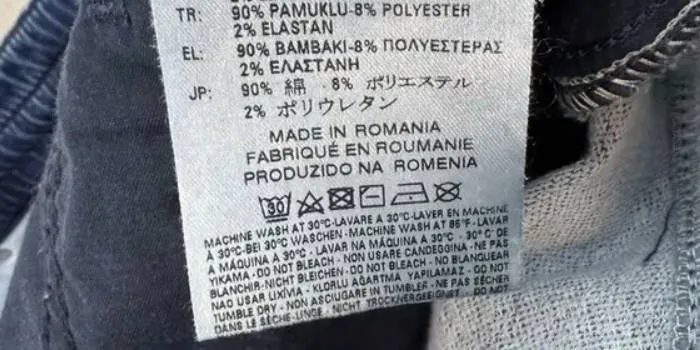
7. Country of Manufacture
Diesel jeans are made in several countries, including:
✔️ Real:
-
Tunisia 🇹🇳
-
Italy 🇮🇹
-
Morocco 🇲🇦
-
Romania 🇷🇴
❌ Fake:
-
Missing country label
-
Random or inconsistent origins
📌 Note: Country alone doesn't confirm authenticity—always cross-check other details.
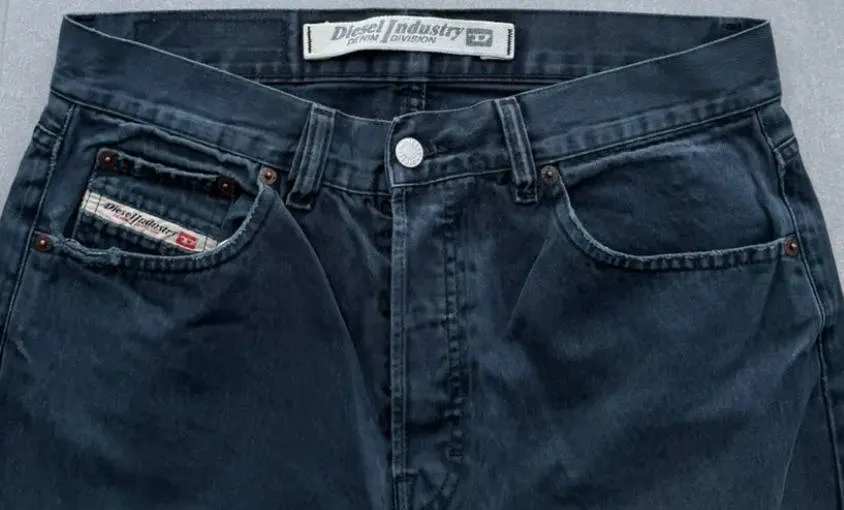
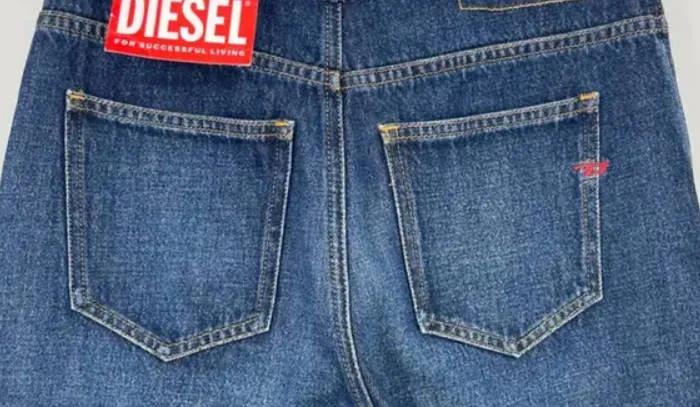
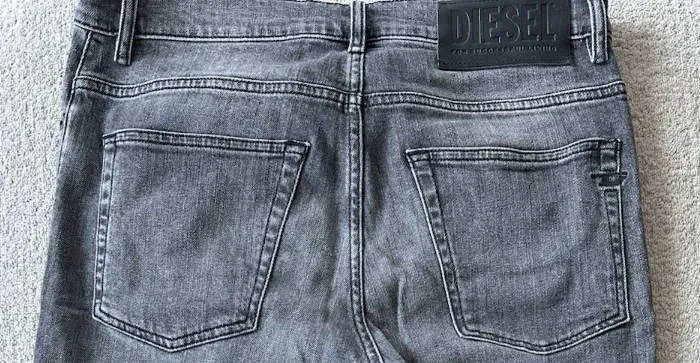
8. Pocket Design & Alignment
Diesel pocket construction is minimal but precise.
✔️ Real:
-
Symmetrical pocket placement
-
Clean stitching around edges
-
Subtle branding (not oversized)
❌ Fake:
-
Crooked or uneven pockets
-
Poor alignment between left/right
-
Sloppy stitching
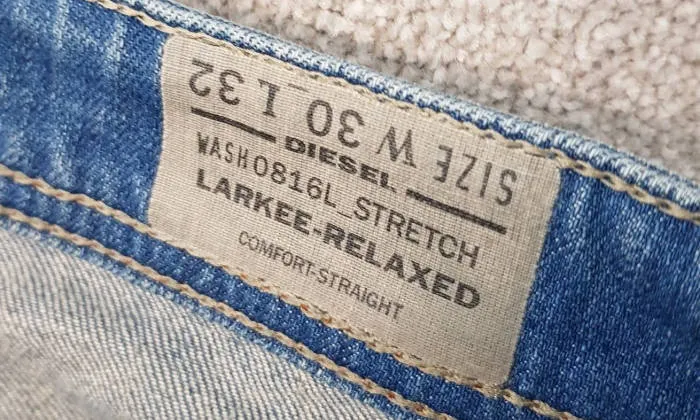
9. Style Number & Product Code
Every authentic Diesel jean has a style code (e.g., D-Strukt, Thommer).
✔️ Real:
-
Consistent format across all tags
-
Matches product model and wash
-
Can often be verified online
❌ Fake:
-
Random numbers or letters
-
Missing codes
-
Inconsistent across labels
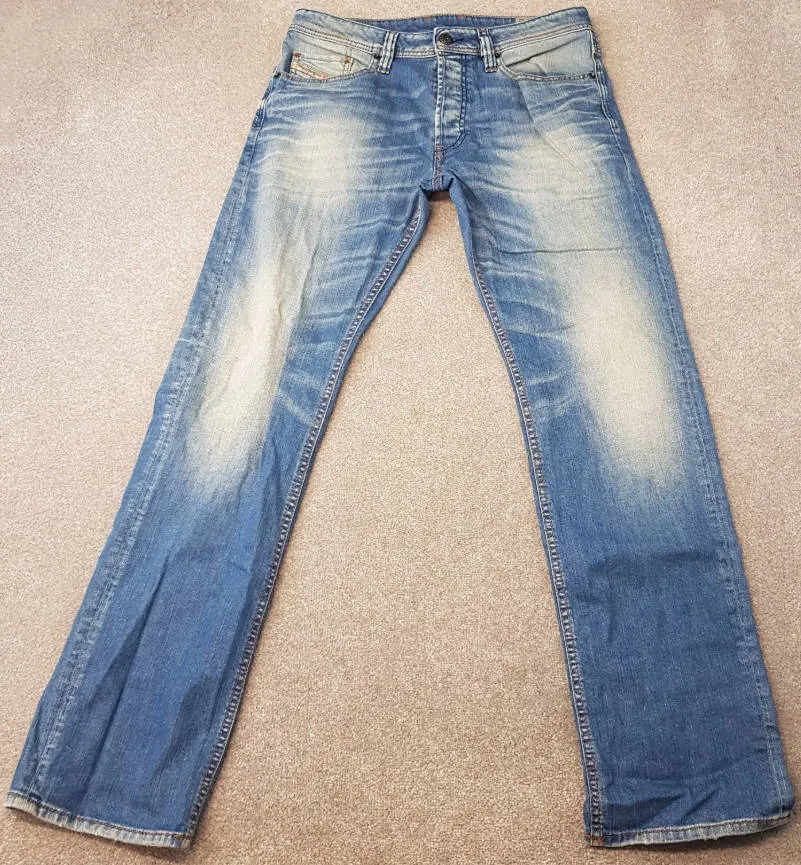
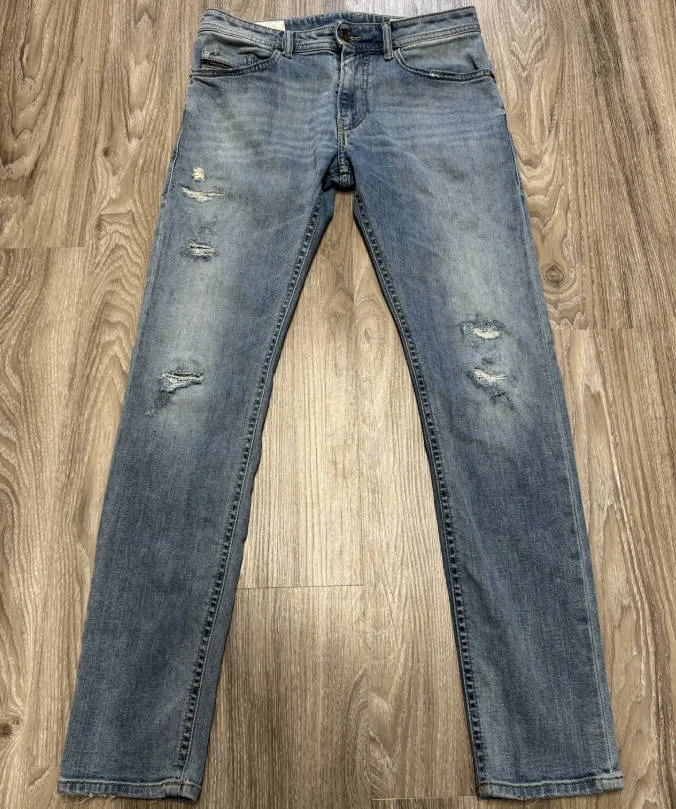
10. Wash & Distressing Details
Diesel is famous for advanced wash techniques.
✔️ Real:
-
Natural fading patterns
-
Strategically placed distressing
-
Clean cuts and subtle abrasions
-
Consistent color gradients
❌ Fake:
-
Artificial-looking wear
-
Overdone or random distressing
-
Uneven or blotchy fading
🧠 Pro Tips for Buyers
When Shopping Online:
-
Request close-up photos of tags, stitching, and patch
-
Avoid listings with stock images only
-
Check seller reviews and history
When Buying In Person:
-
Feel the denim weight and texture
-
Inspect stitching under good lighting
-
Compare both pockets and internal tags
❓ FAQ: Diesel Jeans Authentication
Q1. Are all Diesel jeans made in Italy?
No. While Diesel is an Italian brand, production often takes place in Tunisia, Morocco, and other regions. Quality consistency matters more than location.
Q2. Do Diesel jeans have QR codes?
Many newer models include QR codes or digital authentication tags—but not all older pairs have them.
Q3. Are Diesel jeans heavily counterfeited?
Yes—especially popular fits like D-Strukt and Sleenker, and heavily distressed styles.
Q4. Can fake Diesel jeans look very real?
High-quality r-eplicas can mimic appearance, but usually fail in:
-
Stitching precision
-
Tag quality
-
Hardware weight
Q5. Is price a reliable indicator?
Not always. Some fakes are priced close to retail to appear authentic.
📝 Final Thoughts
Authenticating Diesel jeans comes down to detail and consistency. While counterfeiters can replicate the look, they often miss the craftsmanship behind it.
If you remember just three things:
✔️ Check stitching quality
✔️ Inspect the back patch
✔️ Verify interior tags
—you'll eliminate most fakes instantly.
For higher-value purchases, always combine multiple checkpoints rather than relying on a single detail.