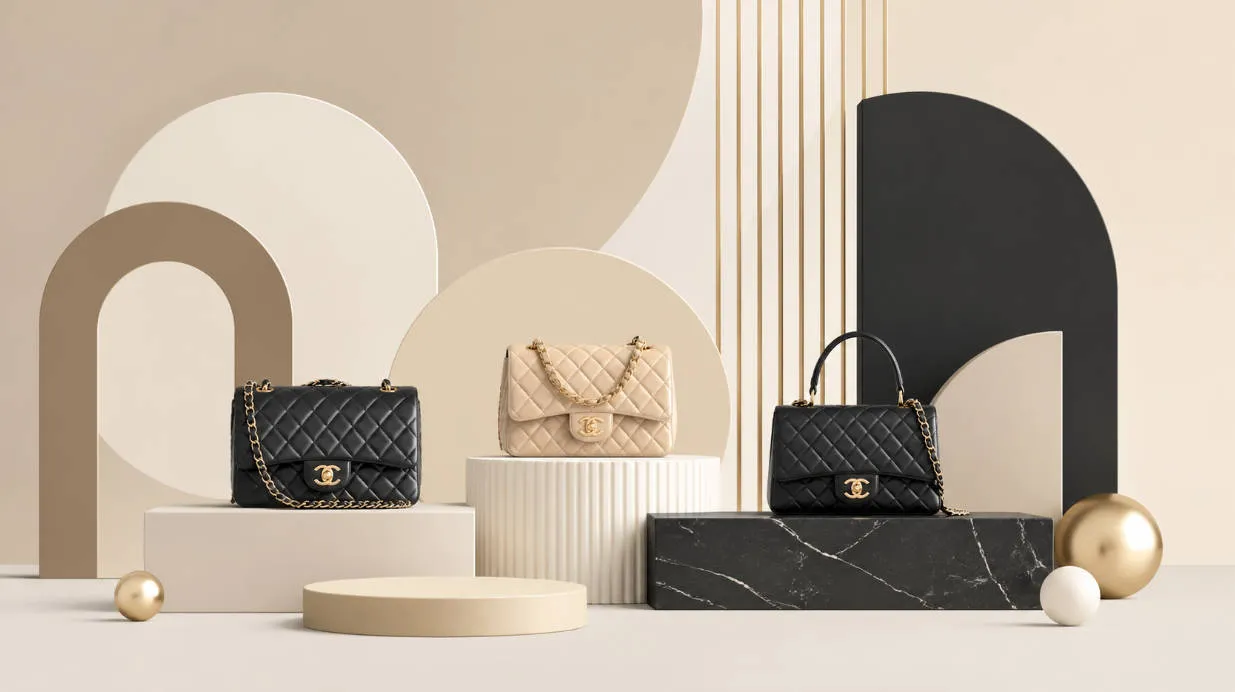
In the volatile world of luxury fashion, few names hold their weight quite like Chanel. While most high-end purchases lose value the moment you leave the boutique, certain 'Double C' masterpieces have historically outperformed even the S&P 500. However, not every quilted treasure is created equal. Navigating the secondary market requires a keen eye for which iconic silhouettes are currently seeing rapid price appreciation and which seasonal trends are losing steam. In this comprehensive guide, we peel back the curtain on luxury market trends to reveal which Chanel pieces are true 'holy grails' for your portfolio and which ones might be better left on the shelf.
🧭 CHANEL Resale Guide: Bags Ranked from Best Investments to Fastest Depreciating
When it comes to luxury resale, few brands command the same level of trust, prestige, and price stability as CHANEL. Whether you're buying your first designer bag or building a curated collection, understanding which Chanel bags hold value—and which don't—can save (or earn) you thousands of dollars.
🔍 Why Chanel Bags Dominate the Resale Market
Unlike most luxury brands, Chanel has created a controlled scarcity model:
✔️ Frequent global price increases (often 1–3 times per year)
✔️ Limited production on core styles
✔️ No e-commerce for handbags (drives in-store exclusivity)
✔️ Strong brand heritage tied to Coco Chanel
This combination leads to a powerful resale dynamic:
💬 Demand stays high while supply remains constrained.
As a result, certain Chanel bags behave more like financial assets than accessories.
📊 How Chanel Resale Value Is Measured
Before diving into rankings, it's important to understand how resale value works.
Key Metrics
-
Value Retention (%) = Resale Price ÷ Retail Price
-
Liquidity = How fast the bag sells
-
Volatility = Price fluctuation over time
-
Collector Demand = Long-term desirability
Example
-
Retail: $10,000
- Resale: $11,500
👉 Value Retention = 115% (Appreciation)
Tier 1 — Best Chanel Investment Bags (90–120%+ Retention)
These are Chanel's highest-performing assets, often appreciating over time.
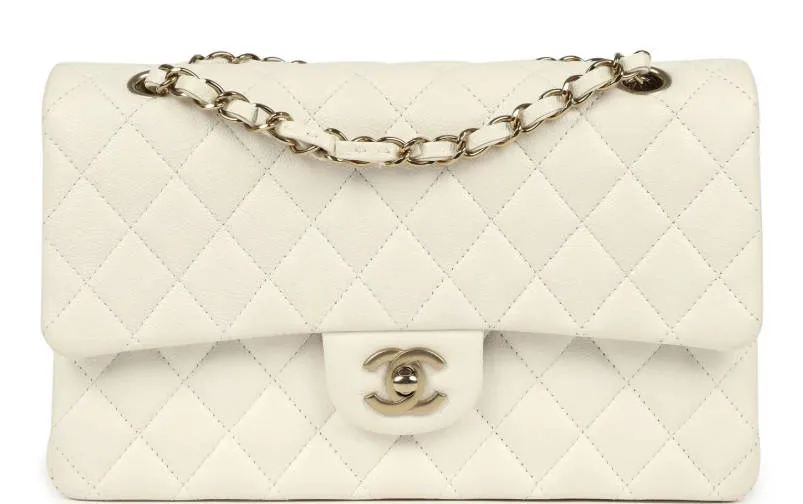
📍 Classic Flap Bag (Medium, Jumbo)
🧾 Overview
The Chanel Classic Flap is arguably the most recognizable luxury handbag in the world. Featuring quilted leather, interlocking CC turn-lock, and leather-threaded chain, it defines Chanel's identity.
💰 Resale Performance
-
Retention: 95–120%+
-
High-demand colors (black, beige): often exceed retail
📈 Why It Appreciates
✔️ Continuous retail price increases (sometimes annually)
✔️ Global demand across all age groups
✔️ Timeless design (unchanged for decades)
✔️ Strong presence on resale platforms
⚠️ Risks & Considerations
-
Lambskin scratches easily → lower resale vs. caviar
-
Heavily used bags drop to ~75–85% retention
-
Counterfeit market is saturated → authentication matters
🎯 Best For
✔️ First-time luxury investors
✔️ Long-term collectors
✔️ Low-risk resale strategy
🧠 Insider Insight
Many collectors treat the Classic Flap as a "wearable savings account" due to its consistent appreciation trend.
📍 Chanel 2.55 Reissue
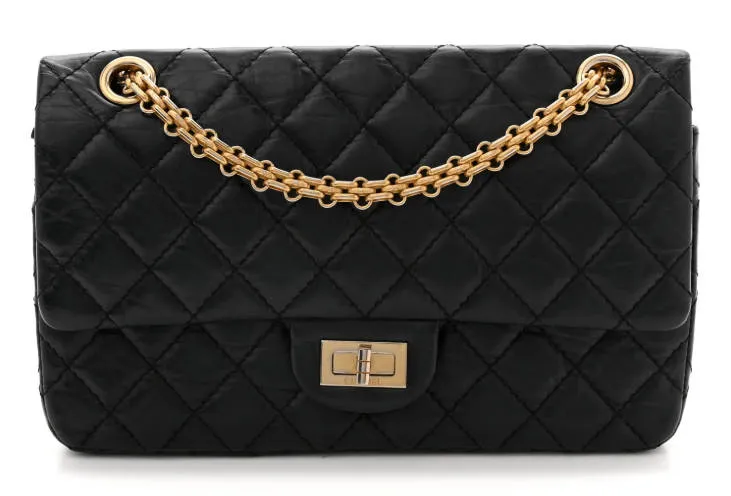
🧾 Overview
Originally designed in 1955 by Coco Chanel, the Reissue features the rectangular Mademoiselle lock and all-metal chain strap.
💰 Resale Performance
-
Retention: 90–110%
📈 Why It Holds Value
✔️ Historical significance
✔️ Understated, logo-minimal design
✔️ Appeals to collectors over trend-driven buyers
⚠️ Downsides
-
Less mainstream demand than Classic Flap
-
Slower liquidity
🎯 Best For
✔️ Vintage lovers
✔️ Minimalist luxury buyers
✔️ Long-term investment strategy
📍 Mini Flap Bags (Square & Rectangular)
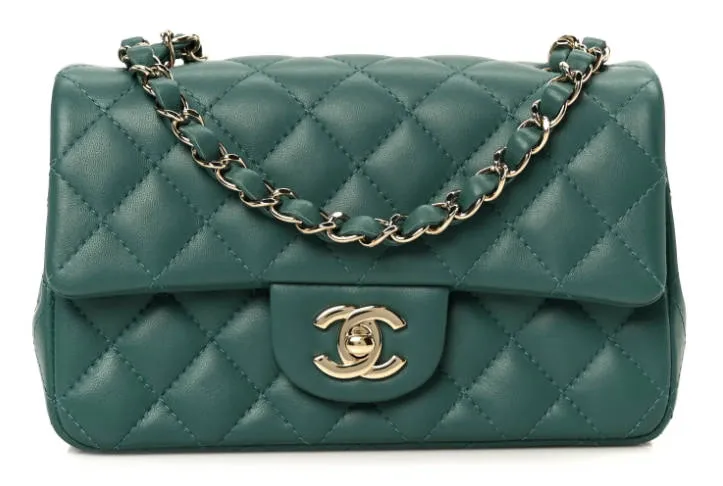
🧾 Overview
Mini versions of the Classic Flap, often worn crossbody.
💰 Resale Performance
-
Retention: 95–115%
📈 Why They Perform So Well
✔️ Scarcity (hard to find in boutiques)
✔️ Strong Gen Z & millennial demand
✔️ Lower retail entry point → wider buyer pool
⚠️ Considerations
-
Limited storage capacity
-
Seasonal color volatility
🎯 Best For
✔️ Fast resale turnover
✔️ Entry-level Chanel investment
Tier 2 — Strong Performers (75–95% Retention)
These bags hold value well but typically don’t appreciate.
📍 Chanel Boy Bag
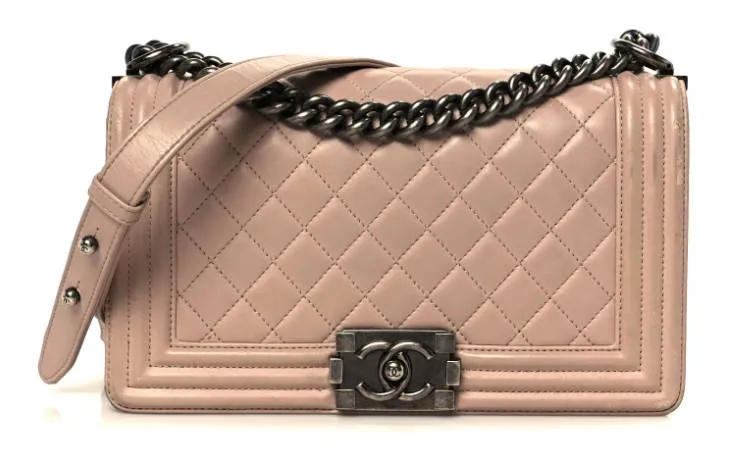
🧾 Overview
Launched under Karl Lagerfeld, the Boy Bag features a boxy silhouette and bold hardware.
💰 Resale Performance
-
Retention: 75–90%
📉 Market Trend
Once a top-tier investment, demand has softened as trends shift toward classic styles.
🎯 Best For
✔️ Everyday use
✔️ Edgy / modern styling
⚠️ Investment Verdict
💬 Solid but no longer a growth asset.
📍 Chanel Coco Handle
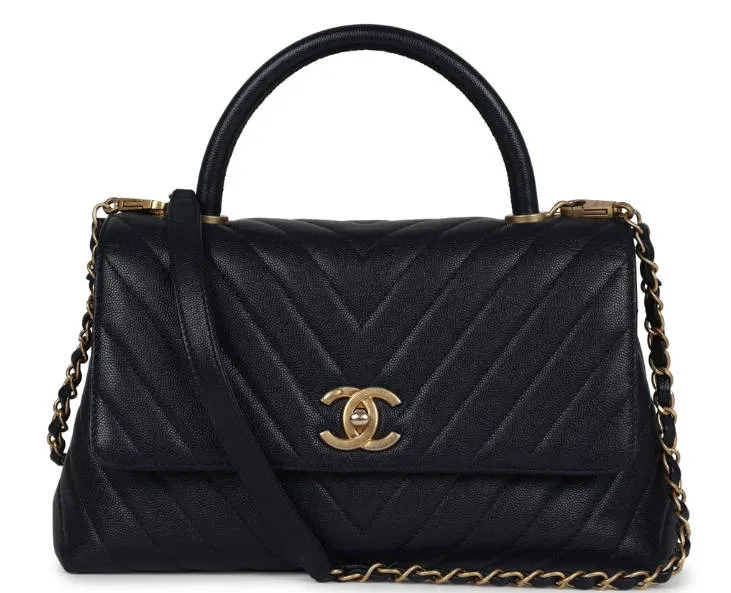
🧾 Overview
A structured top-handle bag with classic Chanel elements.
💰 Resale Performance
-
Retention: 80–95%
📈 Why It Performs
✔️ Limited releases increase desirability
✔️ Elegant, semi-formal positioning
🎯 Best For
✔️ Workwear luxury
✔️ Occasion styling
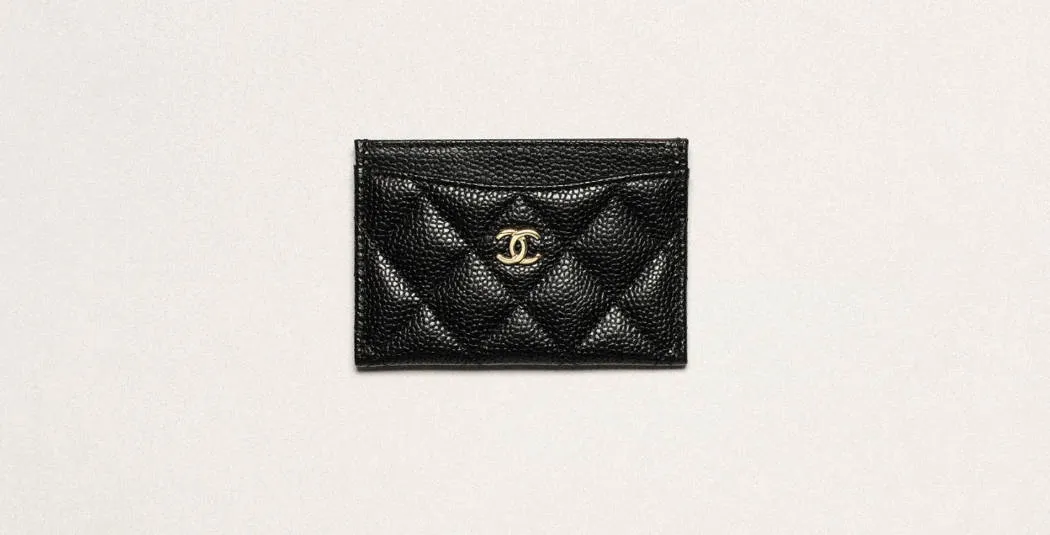
📍 Chanel Wallet on Chain (WOC)
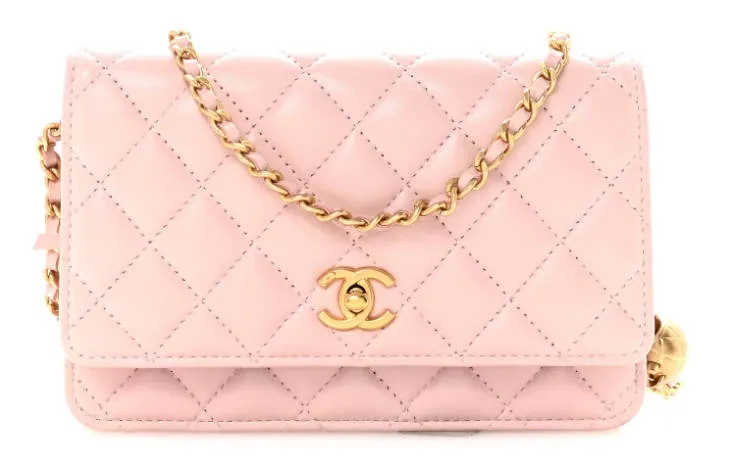
🧾 Overview
A compact hybrid between wallet and mini bag.
💰 Resale Performance
-
Retention: 80–90%
📈 Strengths
✔️ Affordable Chanel entry point
✔️ High resale liquidity
⚠️ Limitation
Lower absolute profit margin due to lower retail price.
Tier 3 — Moderate Depreciation (60–75%)
📍 Chanel Gabrielle Bag
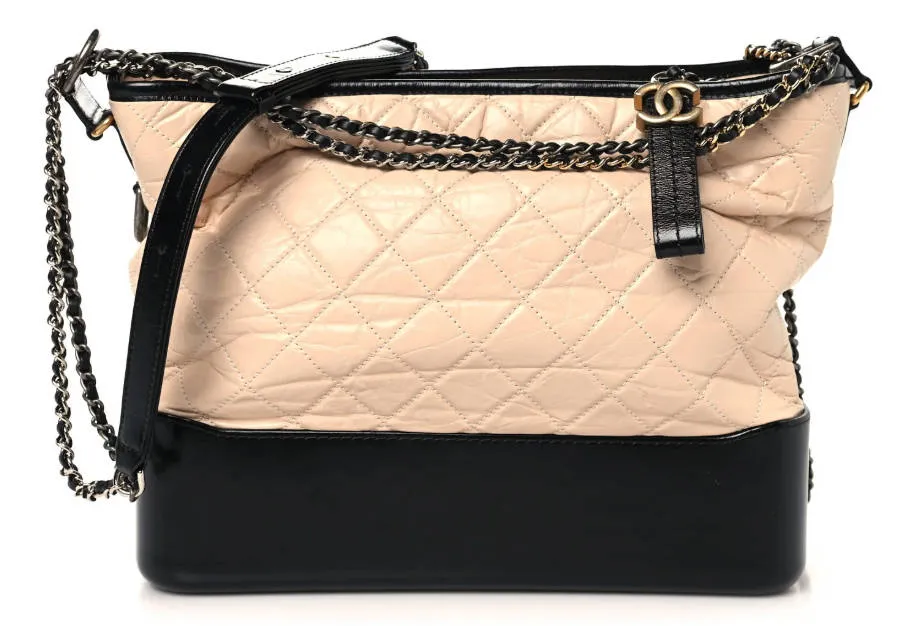
🧾 Overview
Soft, slouchy silhouette with dual-chain straps.
💰 Resale Performance
-
Retention: 65–75%
📉 Why It Underperforms
✔️ Less timeless design
✔️ Polarizing aesthetic
📍 Seasonal Flap Variations
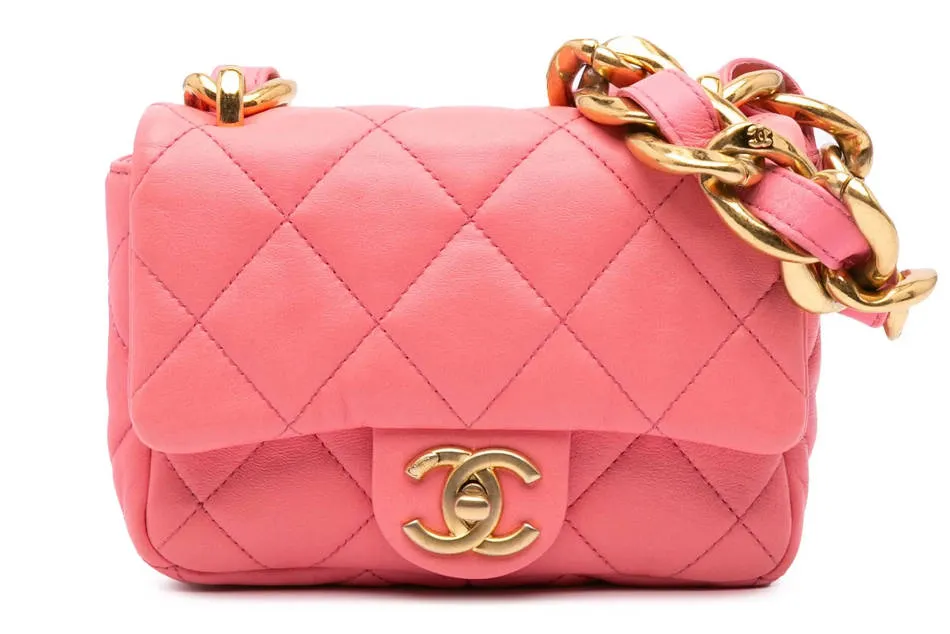
🧾 Overview
Limited-edition colors, tweed fabrics, and novelty designs.
💰 Resale Performance
-
Retention: 60–75%
📉 Key Issue
Trend dependency → value drops once season passes.
Tier 4 — Fastest Depreciating Chanel Bags (40–60%)
📍 Chanel 19 Bag
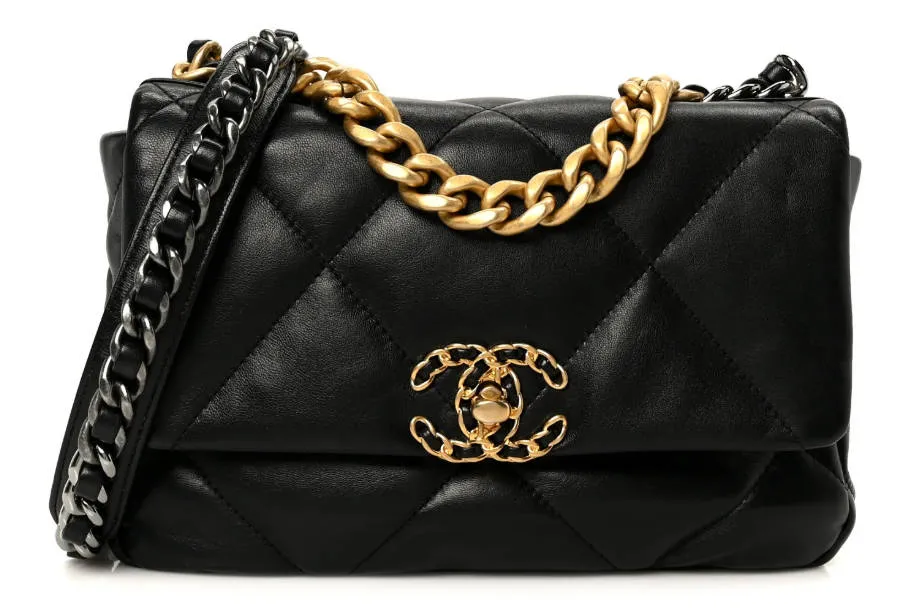
🧾 Overview
Oversized, soft bag with chunky chain.
💰 Resale Performance
-
Retention: 45–65%
📉 Why It Drops
✔️ Trend-driven popularity
✔️ Bulky and less versatile
📍 Chanel Trendy CC
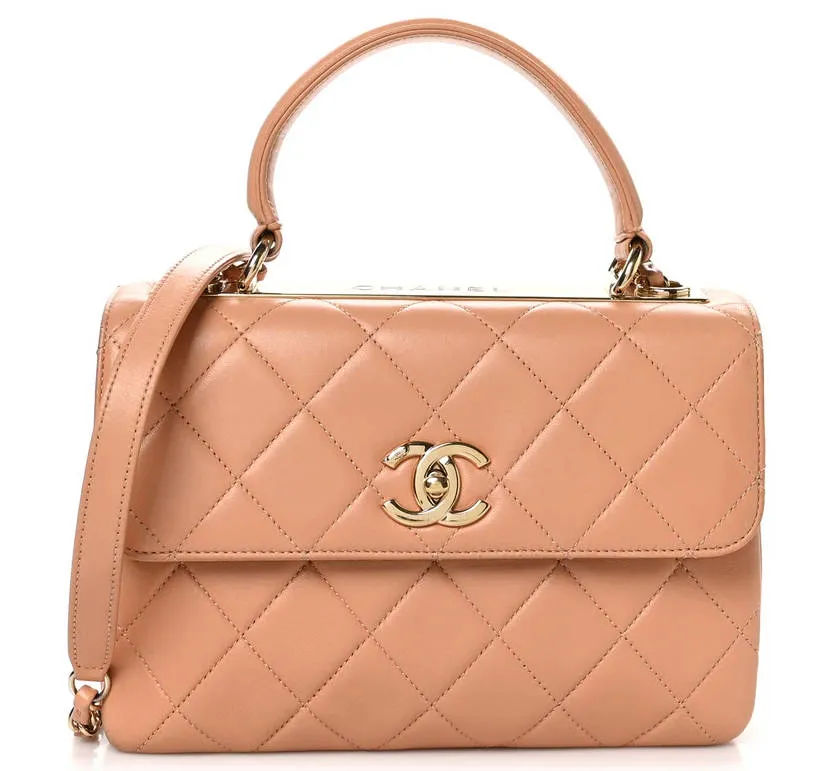
🧾 Overview
Structured flap with top handle and metal branding plate.
💰 Resale Performance
-
Retention: 50–65%
📉 Weaknesses
✔️ Heavy design
✔️ Narrow use-case
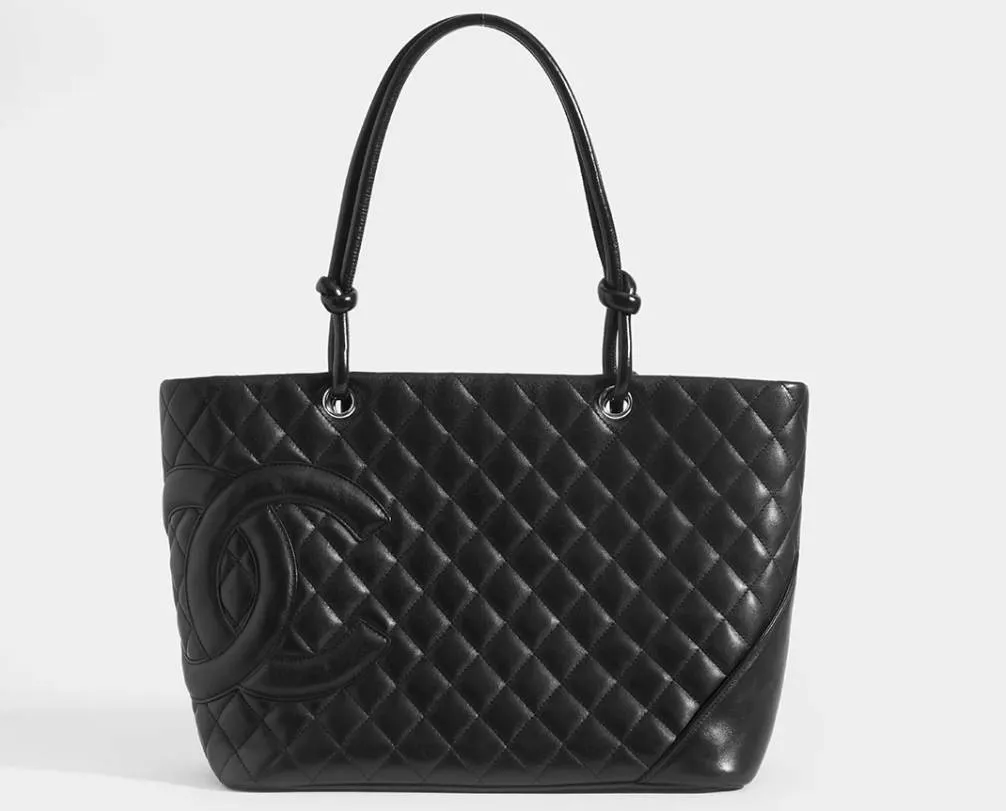
📍 Chanel Tote Bags / Shoppers
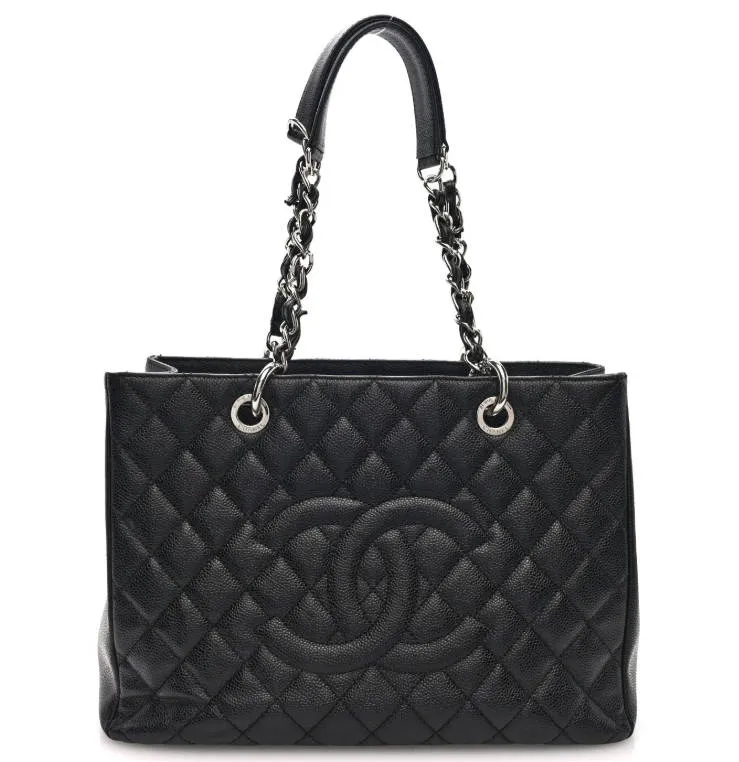
🧾 Overview
Large canvas or leather carryalls.
💰 Resale Performance
-
Retention: 40–60%
📉 Why They Depreciate
✔️ High wear-and-tear
✔️ Less "iconic" perception
📊 Chanel Bag Ranking Summary
| Tier | Bag Type | Retention | Investment Rating |
| 💎 Tier 1 | Classic Flap / 2.55 / Mini | 90–120%+ | ⭐⭐⭐⭐⭐ |
| 🔥 Tier 2 | Boy / Coco Handle / WOC | 75–95% | ⭐⭐⭐⭐ |
| ⚖️ Tier 3 | Gabrielle / Seasonal | 60–75% | ⭐⭐⭐ |
| 📉 Tier 4 | Chanel 19 / Trendy CC / Totes | 40–65% | ⭐⭐ |
💡 Chanel Resale Strategy
🛍️ For Buyers
✔️ Stick to classic colors (black, beige)
✔️ Choose caviar leather over lambskin
✔️ Avoid trend-heavy seasonal designs
✔️ Buy during retail price dips (rare but possible)
💸 For Sellers
✔️ Sell before trend peaks fade
✔️ Include full set (box, receipt, dust bag)
✔️ Use trusted platforms (Fashionphile, Sotheby's, etc.)
✔️ Time listings before holiday demand spikes
⚠️ Common Mistakes to Avoid
❌ Buying based on hype instead of longevity
❌ Ignoring condition (corners, hardware, interior)
❌ Overpaying for seasonal pieces
❌ Selling at the wrong time (market cycles matter)
❓ FAQ — Chanel Resale Value
Q1. Which Chanel bag has the best resale value?
👉 Classic Flap consistently ranks #1 due to demand and price increases.
Q2. Do Chanel bags always go up in value?
No. Only timeless models appreciate. Trend-driven bags often depreciate.
Q3. Is Chanel better than Hermès for investment?
Hermès generally outperforms Chanel at the very top (e.g., Birkin), but Chanel offers lower entry cost + higher liquidity.
Q4. What condition affects resale the most?
Corners, scratches, and hardware wear have the biggest impact.
Q5. Where should I sell my Chanel bag?
Top platforms include:
-
Fashionphile
-
Sotheby's
-
Vestiaire Collective
📝 Final Thoughts
The Chanel resale market isn't random—it follows a predictable hierarchy shaped by design, scarcity, and cultural relevance. Once you understand that system, it becomes much easier to make confident buying or selling decisions.
At its core, the rule still holds true:
💬 The closer a bag is to Chanel's heritage DNA, the stronger its resale performance.
Timeless icons like the Classic Flap, Mini Flap, and 2.55 Reissue aren't just popular—they're structurally protected in value. Frequent price increases by CHANEL effectively raise the resale floor each year, while global demand ensures liquidity remains high. In practical terms, this means you’re not just buying a bag—you’re buying into a stable luxury asset class.
On the other hand, trend-driven designs—no matter how hyped at launch—tend to follow a familiar lifecycle:
📈 Rapid rise in popularity
📉 Market saturation
💸 Gradual resale decline
This applies to styles like the Chanel 19 or seasonal statement pieces. They can absolutely be worth owning—but from a financial perspective, they behave more like fast-fashion within the luxury tier, rather than long-term investments.