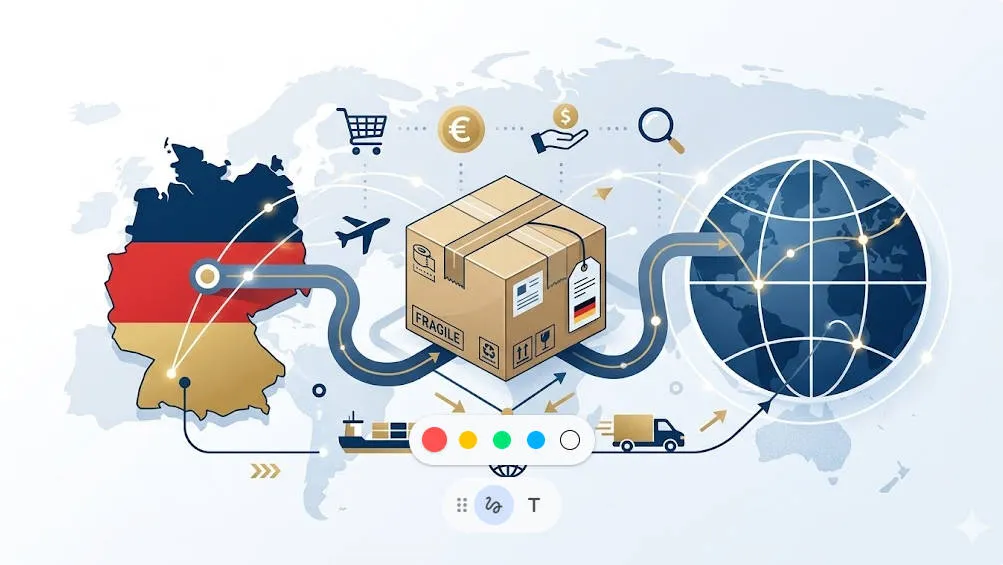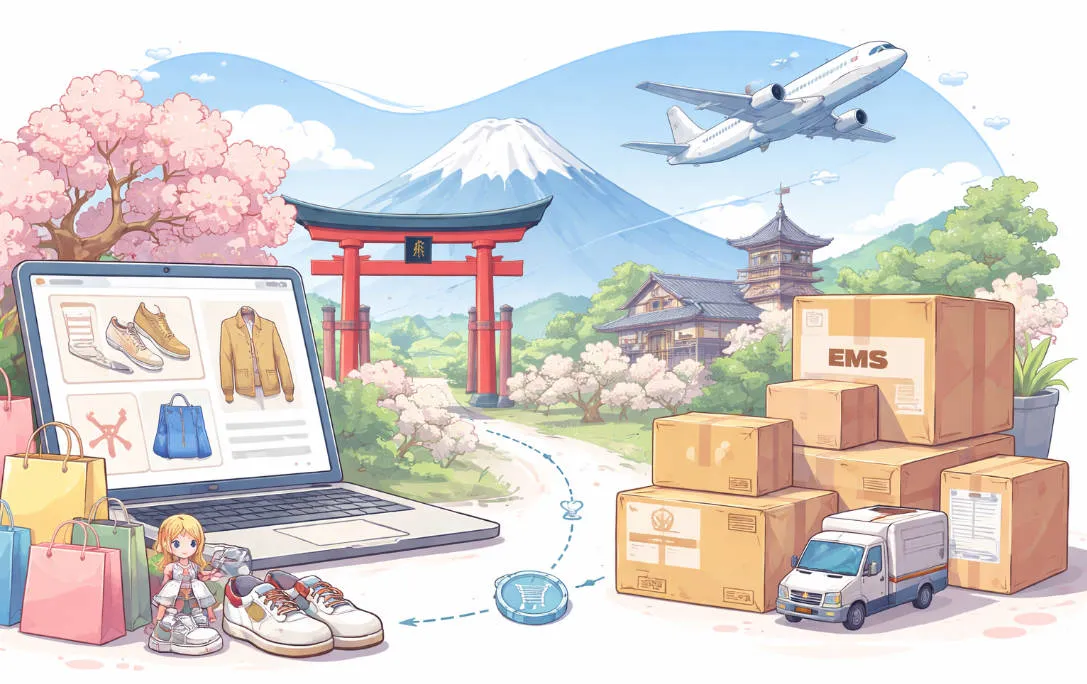
Unlock the best of Tokyo's retail scene without ever leaving your couch. From exclusive anime collectibles and high-end tech to vintage designer finds on Mercari, Japan offers a treasure trove of products that are often difficult to source internationally. However, navigating domestic-only checkouts and complex logistics can be a challenge for overseas shoppers. In this guide, we'll break down exactly how to use Japanese proxy services to bridge the gap, compare the most reliable shipping methods, and share insider tips to help you save on fees while getting your favorite J-culture goods delivered straight to your door.
🧭 The Complete Proxy Service & Shipping from Japan Guide
Buying directly from Japan has become increasingly popular among international shoppers—especially for vintage fashion, luxury resale, anime goods, and rare collectibles. However, many Japanese platforms do not offer international shipping, which creates a barrier for overseas buyers.
That’s where proxy services and forwarding services come in.
This comprehensive guide will walk you through everything you need to know—from understanding how proxy services work, to choosing the right platform, calculating total costs, and avoiding common mistakes.
1. Why Buy from Japan?
Japan is one of the most unique resale markets in the world, known for its strict quality standards, transparent descriptions, and vast inventory.
✨ Key Advantages
✔️ Exceptional product condition
Japanese sellers tend to maintain items carefully. Even "used" items are often in near-new condition.
✔️ Authenticity culture
Strict laws and social norms discourage counterfeit goods, especially on major platforms.
✔️ Massive variety
From luxury brands to Y2K streetwear, rare archives, and niche designers.
✔️ Competitive pricing
Due to high supply and frequent resale culture, prices are often lower than Western markets.
✔️ Unique domestic items
Japan-exclusive releases and vintage pieces are much easier to find locally.
2. What Is a Proxy Service?
A proxy service is a middleman that buys items from Japanese websites on your behalf and ships them internationally.
🧩 How It Works (Simple Flow)
① You find an item on a Japanese site
② You place an order through a proxy
③ The proxy purchases the item domestically
④ Item is shipped to the proxy warehouse
⑤ You choose international shipping
⑥ Item is delivered to you
3. Proxy vs Forwarding Service
Understanding the difference is crucial.
🔄 Proxy Service
✔️ They buy the item for you
✔️ Handle payment, communication, and checkout
✔️ Ideal for sites that don’t accept foreign cards
Best for: Mercari, Yahoo Auctions, Rakuma
📬 Forwarding Service
✔️ You buy the item yourself
✔️ Use a Japanese warehouse address
✔️ They only ship internationally
Best for: Sites that accept international payments (e.g., brand stores)
⚖️ Quick Comparison
| Feature | Proxy Service | Forwarding Service |
| Purchase handled | ✅ Yes | ❌ No |
| Language support | ✅ Yes | ❌ Limited |
| Payment handling | ✅ Yes | ❌ No |
| Fees | Higher | Lower |
| Ease of use | Beginner-friendly | Intermediate |
4. Popular Japanese Shopping Platforms
🛍️ C2C Resale Platforms
-
Mercari Japan
-
Rakuma
-
Yahoo Auctions Japan
🏬 Retail & Brand Stores
-
ZOZOTOWN
-
Uniqlo Japan
-
Beams
🧸 Niche & Specialty
-
Surugaya (anime goods)
-
Mandarake (collectibles)
-
Book Off (media & vintage)
5. Full Cost Breakdown
One of the biggest mistakes beginners make is underestimating the total cost.
💰 Typical Cost Structure
1. Item Price
→ Listed price on Japanese platform
2. Proxy Service Fee
→ Usually $3–$10 per item
3. Domestic Shipping (Japan)
→ Seller → warehouse (~$2–$10)
4. Warehouse Fees (optional)
→ Storage / consolidation
5. International Shipping
→ Biggest cost factor ($15–$80+)
6. Customs & Duties
→ Depends on your country
💸 Example Total Cost
| Item | Cost |
| Jacket | $60 |
| Proxy fee | $5 |
| Domestic shipping | $6 |
| International shipping | $35 |
| Total | $106 |
👉 The item price is only ~56% of the final cost.
6. International Shipping Methods
Choosing the right shipping method is critical.
📦 EMS (Express Mail Service)
✔️ Fast (3–7 days)
✔️ Reliable tracking
❌ More expensive
Best for: High-value items
✈️ Air Mail
✔️ Moderate speed (7–14 days)
✔️ Cheaper than EMS
Best for: Mid-range purchases
🚢 Surface Mail (Sea Freight)
✔️ Cheapest option
❌ Very slow (1–3 months)
Best for: Bulk / low urgency
7. Package Consolidation Strategy
Shipping is expensive—so smart buyers bundle items.
📦 Why Consolidate?
✔️ Save on shipping
✔️ Reduce per-item cost
✔️ Minimize packaging waste
🎯 Example
| Scenario | Cost |
| 3 items shipped separately | $75 |
| Combined shipment | $40 |
👉 You save almost 50%.
8. Understanding Japanese Listings
Japanese product descriptions often use specific terms.
🔍 Common Keywords
| Japanese | Meaning |
| 未使用 | Unused |
| 美品 | Excellent condition |
| やや傷あり | Slight damage |
| ジャンク | Junk / for parts |
⚠️ Pro Tips
✔️ Always check photos carefully
✔️ Read condition notes (Google Translate helps)
✔️ Look at seller ratings
9. Common Mistakes to Avoid
❌ 1. Ignoring total cost
→ Always calculate full landed price
❌ 2. Buying single low-value items
→ Shipping will kill the deal
❌ 3. Not checking size differences
→ Japanese sizing runs smaller
❌ 4. Skipping seller reviews
→ Avoid low-rating sellers
❌ 5. Overpaying via impulse
→ Compare across platforms
10. Payment Methods
💳 Most proxy services support:
✔️ Credit cards (Visa / MasterCard)
✔️ PayPal
✔️ Apple Pay / Google Pay (some platforms)
🔒 Security Tip
Always use trusted proxies with:
✔️ Buyer protection
✔️ Transparent fee structure
✔️ Order tracking system
11. Advanced Buying Strategies
🧠1. Cross-Search Platforms
The same item may appear on multiple sites at different prices.
✔️ Compare before buying
✔️ Use proxy search tools
💸 2. Negotiate Prices
Some platforms allow offers.
✔️ Especially on Mercari
✔️ Try 10–20% lower
⏰ 3. Timing Matters
✔️ Late-night listings often cheaper
✔️ Auctions end at odd hours
🔍 4. Look for Misspelled Listings
Hidden deals often come from:
✔️ Wrong brand spelling
✔️ Poor English tags
12. Customs & Import Duties
This varies by country.
🇺🇸 United States
✔️ Generally duty-free under $800
✔️ Above that → duties may apply
🌍 Other Regions
-
EU: VAT applies
-
UK: VAT + customs possible
-
Asia: varies by country
⚠️ Tips
✔️ Keep package value realistic
✔️ Avoid splitting shipments unnaturally
✔️ Understand local thresholds
13. Best Proxy Services
🧩 Common Features
✔️ Multi-site support
✔️ Warehouse storage
✔️ Consolidation options
✔️ International shipping choices
💡 What to Look For
✔️ Transparent fees
✔️ Fast processing time
✔️ Good customer support
✔️ Insurance options
14. Step-by-Step Buying Guide
Step 1: Find Item
Search on Japanese platforms
Step 2: Add to Proxy Cart
Paste URL into proxy system
Step 3: Pay
Include item + service fee
Step 4: Wait for Arrival
Item ships to warehouse
Step 5: Consolidate
Combine multiple orders
Step 6: Choose Shipping
Select method based on budget
Step 7: Delivery
Track your package internationally
15. Is It Worth It?
👍 Yes, If You:
✔️ Buy multiple items
✔️ Shop rare or high-value goods
✔️ Understand total cost
👎 Maybe Not If You:
❌ Buy single cheap items
❌ Need fast returns
❌ Expect Amazon-level convenience
📝 Final Thoughts
Buying from Japan using proxy services can feel complex at first—but once you understand the system, it becomes a powerful way to access rare and affordable items.
👉 The key is to:
-
Understand the full cost
-
Choose the right proxy
-
Use smart search strategies
With the right approach, you can unlock one of the best resale markets in the world.