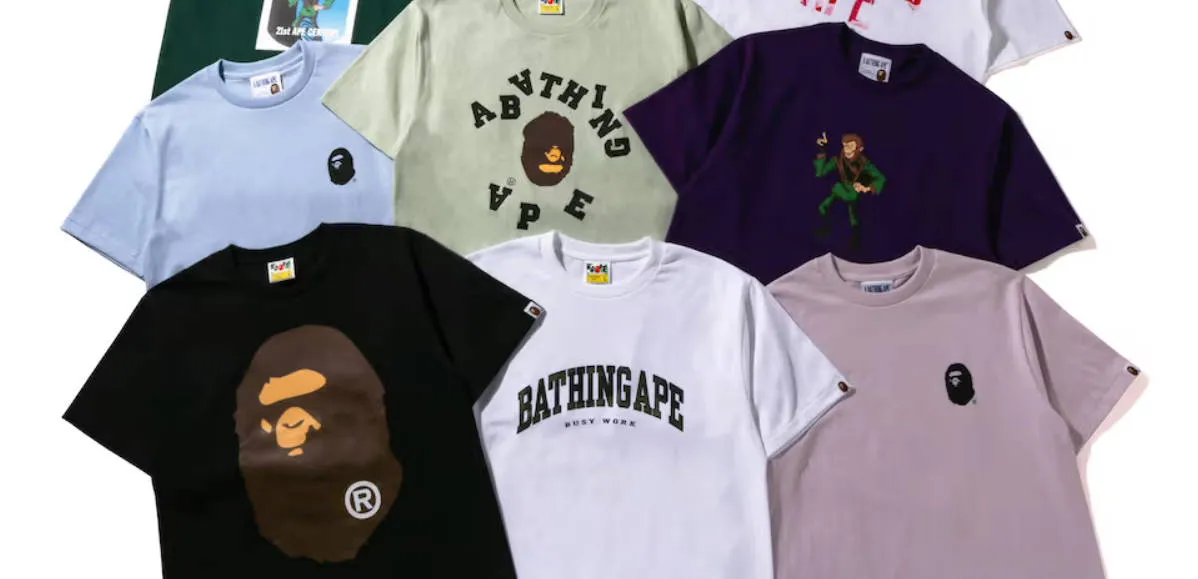
A Bathing Ape, better known as Bape, remains a cornerstone of global streetwear culture. However, with its massive popularity comes a flood of high-quality replicas that can deceive even seasoned hypebeasts. If you're looking to add a classic Shark or College logo tee to your collection, knowing how to distinguish authentic Japanese craftsmanship from cheap counterfeits is essential. In this comprehensive guide, we break down the critical markers of genuine Bape clothing to ensure your next pickup is the real deal.
🐵 Bape T-Shirt & Tee Overview
1. Brand Background
A Bathing Ape (Bape), founded by Nigo in 1993 in Ura-Harajuku, Tokyo, is one of the most iconic Japanese streetwear brands. Known for its bold graphics, camo patterns, and limited-edition drops, Bape tees are a staple in streetwear culture worldwide.
Key Points:
-
Signature designs include the Ape Head, BAPE Logo, and Shark motifs.
-
Collaborations with brands like Nike, Adidas, and Marvel are highly collectible.
-
Limited production ensures high resale value and exclusivity.
2. Design & Style
Bape T-shirts are characterized by bold, attention-grabbing graphics, often featuring:
-
Full-logo prints (Ape Head, Bape Text Logo)
-
Camouflage patterns (classic BAPE camo, shark camo)
-
Collaborative graphics with pop culture references
-
All-over prints vs. subtle chest logos
Popular Styles:
-
Classic Logo Tee: Small chest logo or large front print
-
Shark Tee: Iconic full-zip hoodie-inspired graphics adapted for T-shirts
-
Collaboration Tees: Limited releases with other brands or media franchises
3. Material & Quality
-
Typically made of 100% cotton, often heavyweight (180–220 gsm) for durability.
-
Known for soft, dense fabric that retains shape after washing.
-
High-quality printing techniques like screen printing or digital sublimation ensure longevity.
4. Fit & Sizing
-
Bape tees often run slightly smaller than standard US sizing.
-
Popular fits:
✧ Regular Fit: True to size, classic streetwear silhouette
✧ Relaxed/Oversized: Slightly looser for layering
-
Always check sizing charts, especially for Japanese domestic releases.
Bape, also known as A Bathing Ape, is a highly sought-after streetwear brand, and unfortunately, it is heavily counterfeited. From hoodies to tees, fake Bape items flood the market, making it essential for buyers and collectors to spot replicas quickly. Below are the most important details to examine before making a purchase.
🧭 Bape T-Shirt & Tee Real vs. Fake Guide
⚡ Quick Comparison Table
| Check Point | Authentic Characteristics | Red Flags |
| Logo Print | Crisp, aligned, high-quality | Blurry, misaligned, cheap print |
| Ape Head Logo | Clean, symmetrical, detailed | Distorted, uneven, missing details |
| Camouflage Pattern | Sharp, consistent colors | Faded, pixelated, misaligned |
| Interior Tags | High-quality fabric, consistent font, no typos | Cheap material, blurry text, spelling mistakes |
| Stitching | Even, tight, reinforced at seams | Uneven, loose, skipped stitches |
| Shirt Material | Thick, soft, premium cotton | Thin, stiff, synthetic feel |
| Country Label | Made in Japan (mostly) | Random or missing country tags |
| Packaging | Branded, quality | Cheap, missing logo |
1. Logo Print
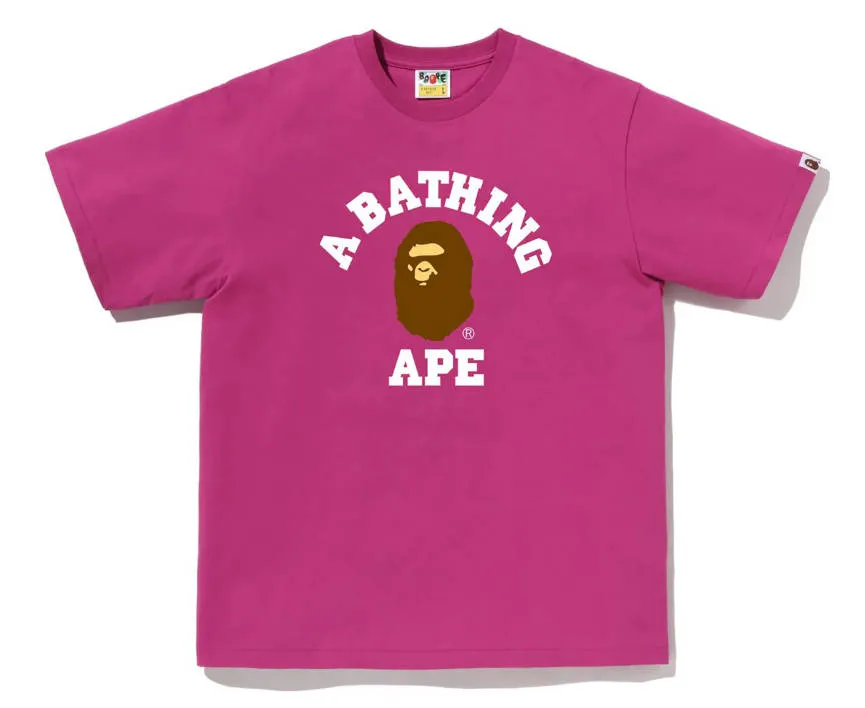
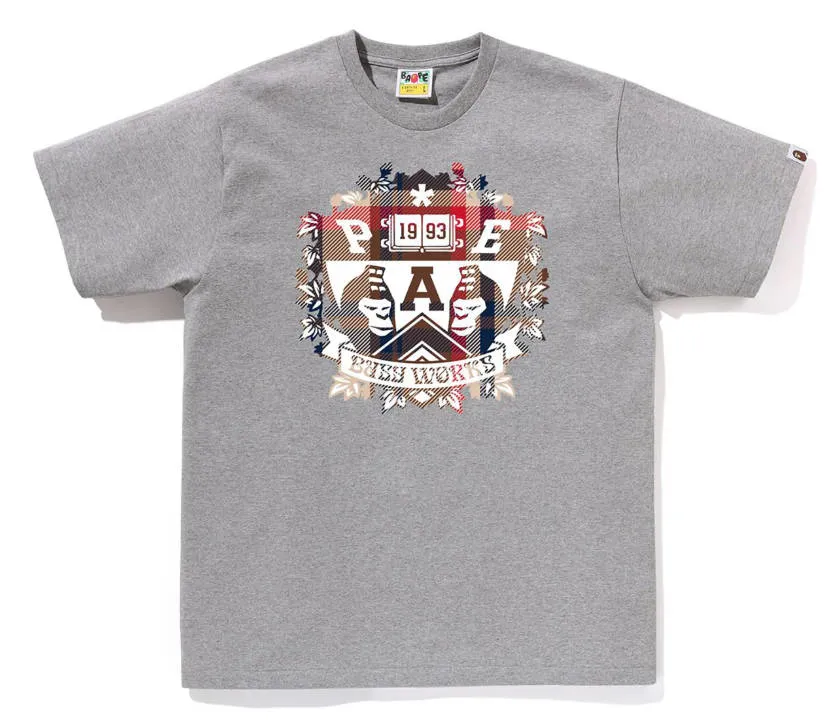
The Bape logo is the most recognized feature on tees. Authentic Bape logos are always precisely printed and aligned with care.
✔️ Real:
-
Clean, vibrant colors with sharp edges
-
Proportions consistent with the official design
-
Placement is even and symmetrical across all sizes
❌ Fake:
-
Blurry, pixelated, or faded prints
-
Misaligned or stretched logos
-
Colors appear cheap or inconsistent
💡 Tip: Always compare the logo to official product photos from Bape's website or trusted resellers.
2. Ape Head Logo
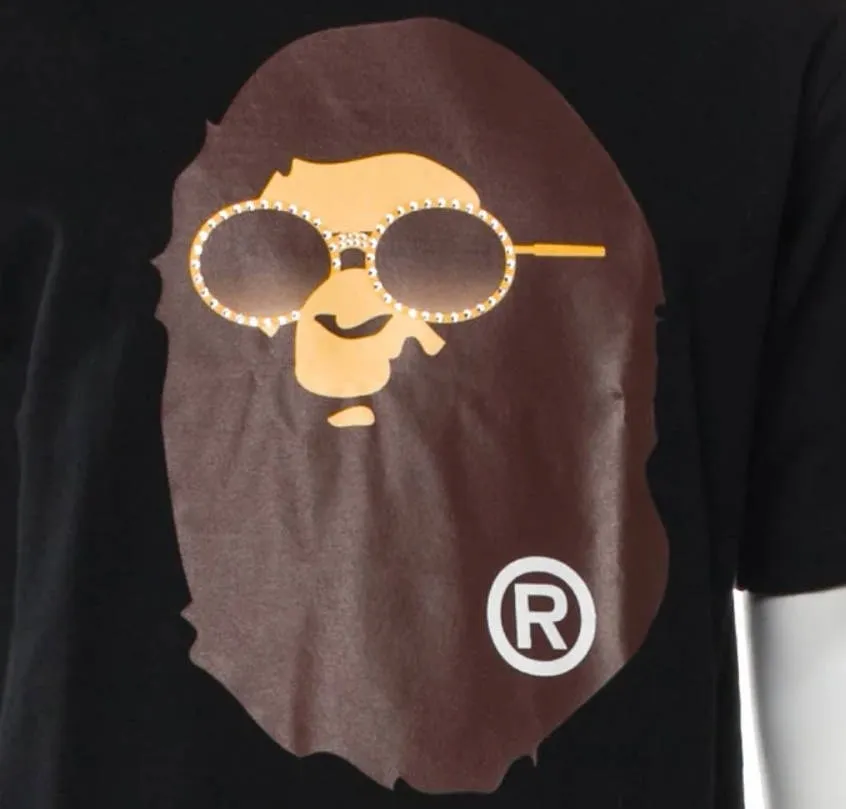
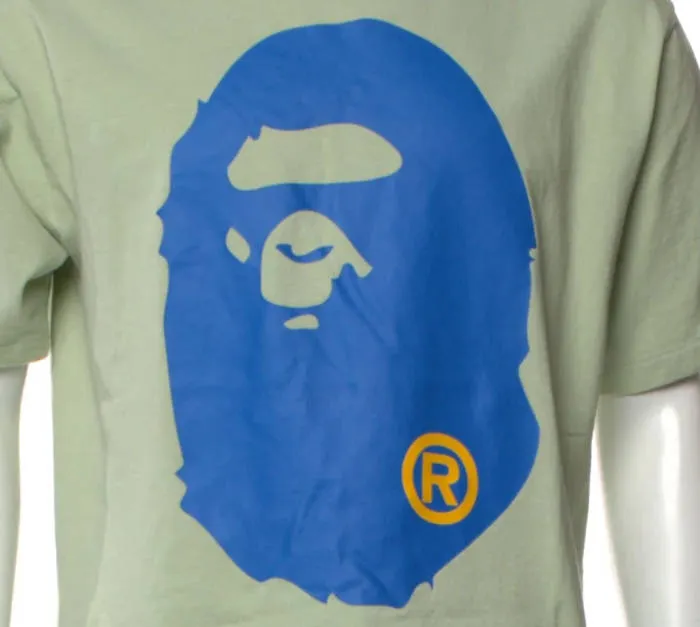
The iconic Ape Head is central to the Bape identity. Its detail and precision are difficult for counterfeiters to replicate.
✔️ Real:
-
Symmetrical facial features, clearly defined eyes and mouth
-
Even spacing in the surrounding design elements
-
High-density printing or embroidery
❌ Fake:
-
Distorted or asymmetrical head shape
-
Missing details or smudged lines
-
Cheap embroidery or low-quality print
📌 Check the back and chest prints—authentic tees maintain consistency across multiple logo placements.
3. Camouflage Pattern
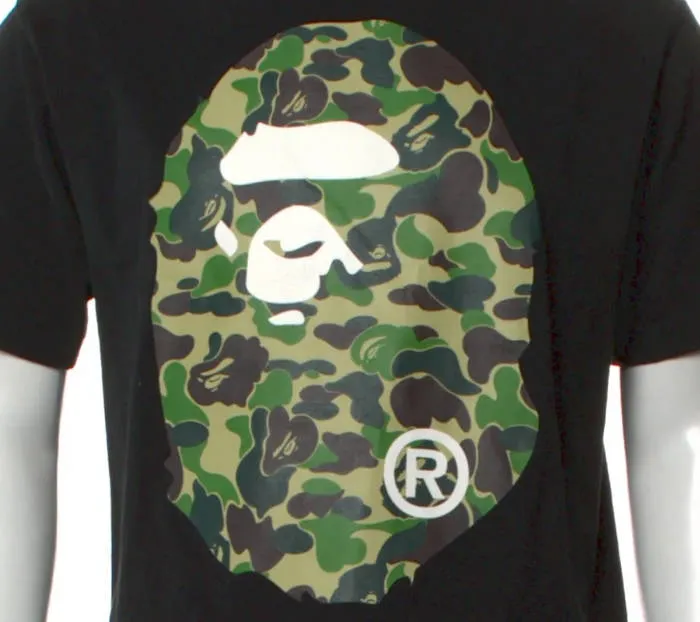
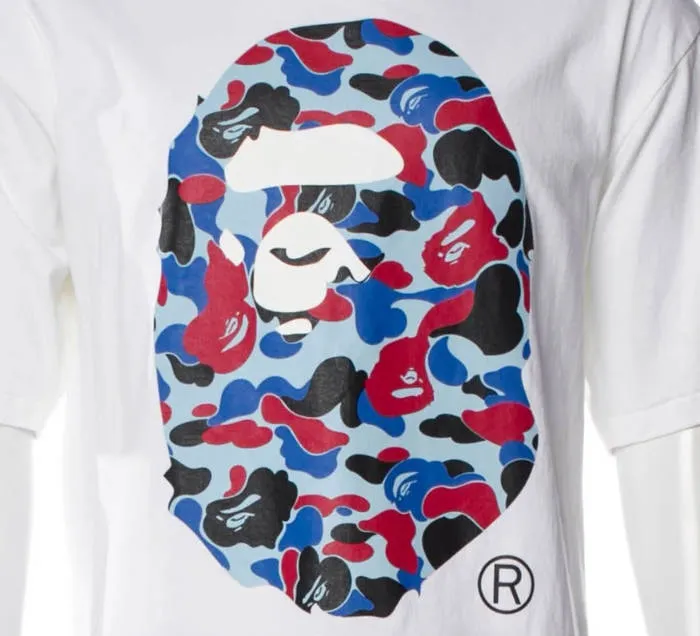
Bape’s camo is highly distinctive. Many replicas fail to match the sharpness or color balance.
✔️ Real:
-
Crisp, well-defined edges
-
Balanced, consistent colors
-
Seamlessly aligned across panels
❌ Fake:
-
Pixelated or blurry patterns
-
Misaligned seams or color variation
-
Overly faded or artificially bright colors
🔔 Remember: The classic "Shark Tee" camo has exact geometric proportions that counterfeiters often get wrong.
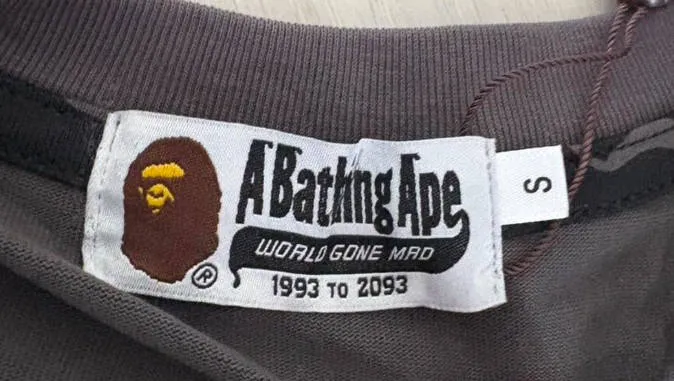
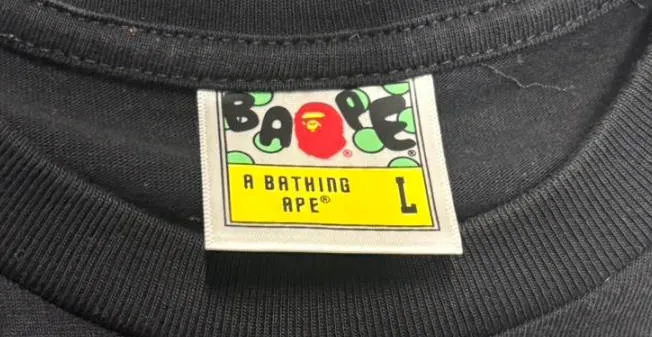
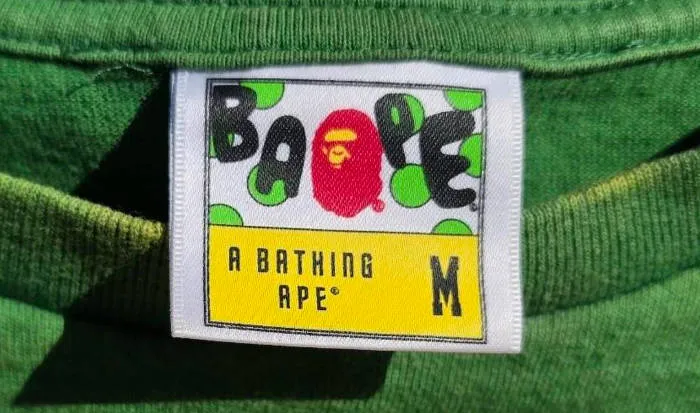
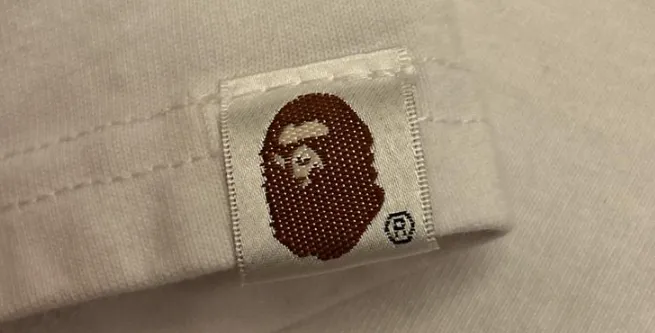
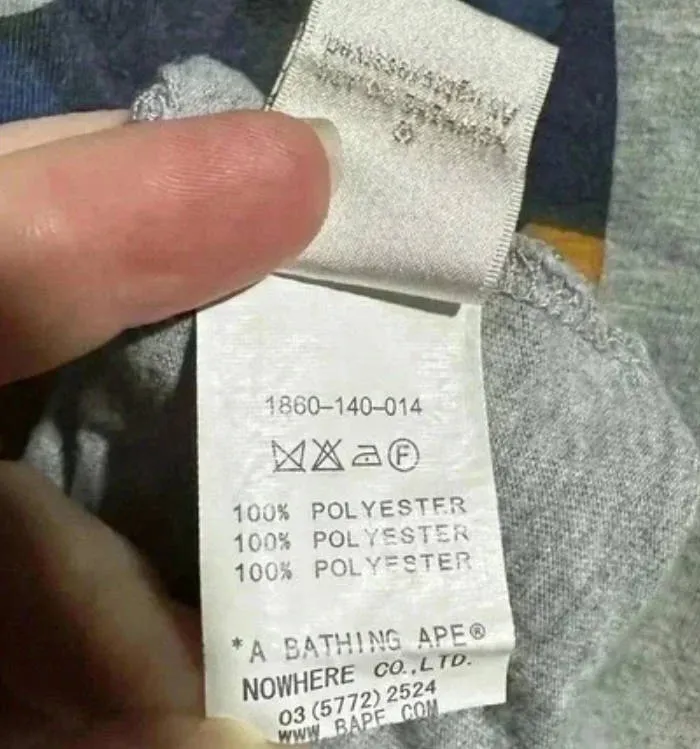
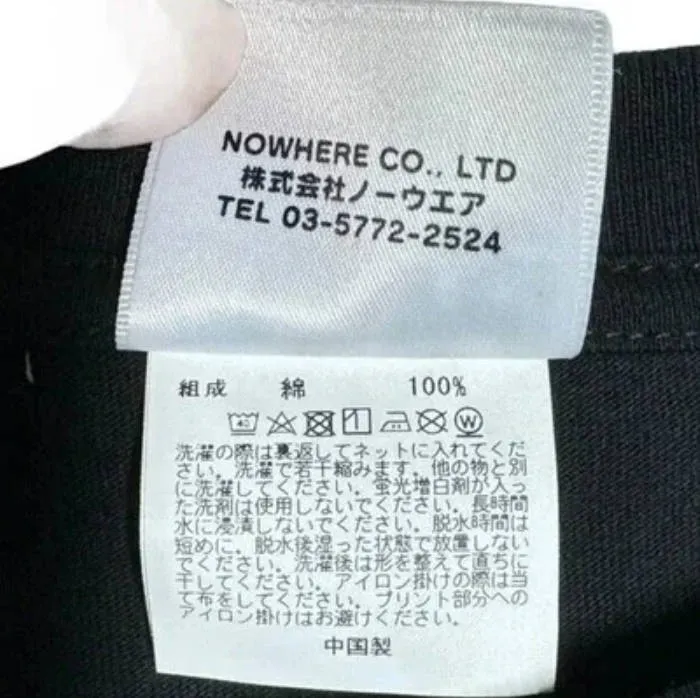
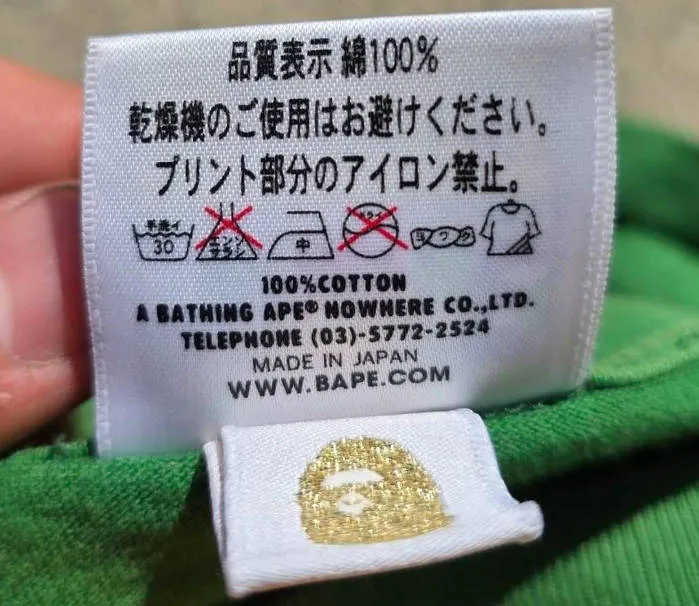
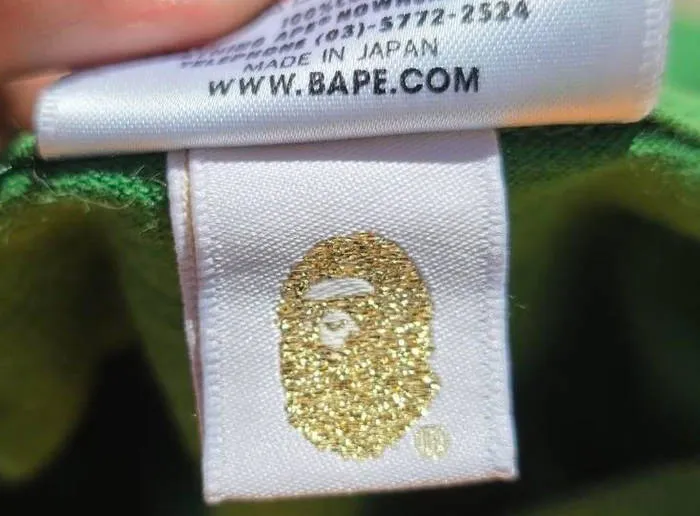
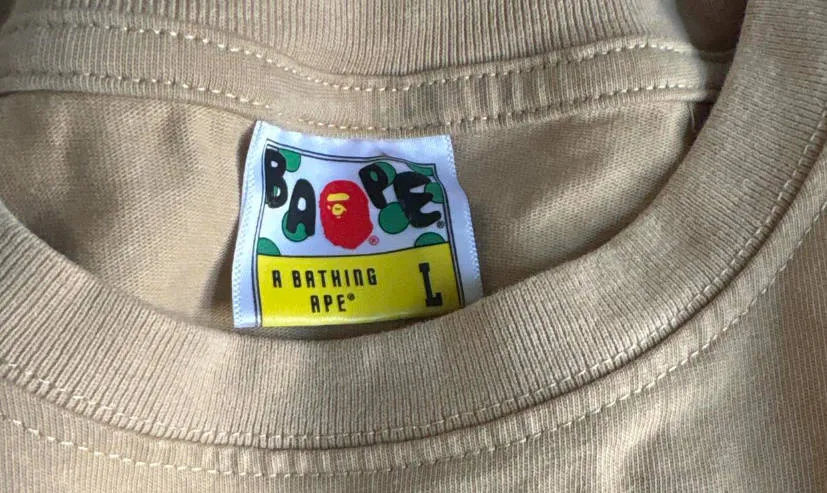
4. Interior Tags & Labels
Tags are among the most reliable indicators of authenticity.
Key Tags to Examine:
A. Neck Tag
-
Includes brand name, size, and sometimes a unique "APE HEAD" logo
B. Fabric Tag
-
100% cotton or blended fabric composition
C. Care Label
-
Washing instructions
-
Country of manufacture (mostly Japan)
✔️ Real:
-
Soft, high-quality fabric tags
-
Sharp, readable fonts with consistent sizing
-
No spelling mistakes
❌ Fake:
-
Cheap, stiff or paper-like tags
-
Blurry, faded, or misprinted text
-
Typos such as "Bap" or "Bathing Apes"
5. Stitching Quality
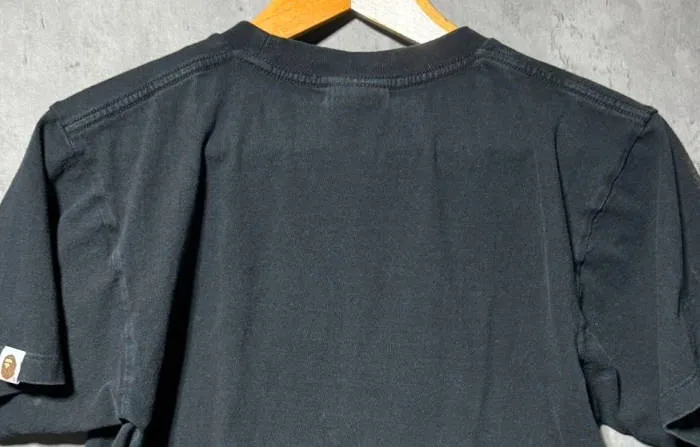
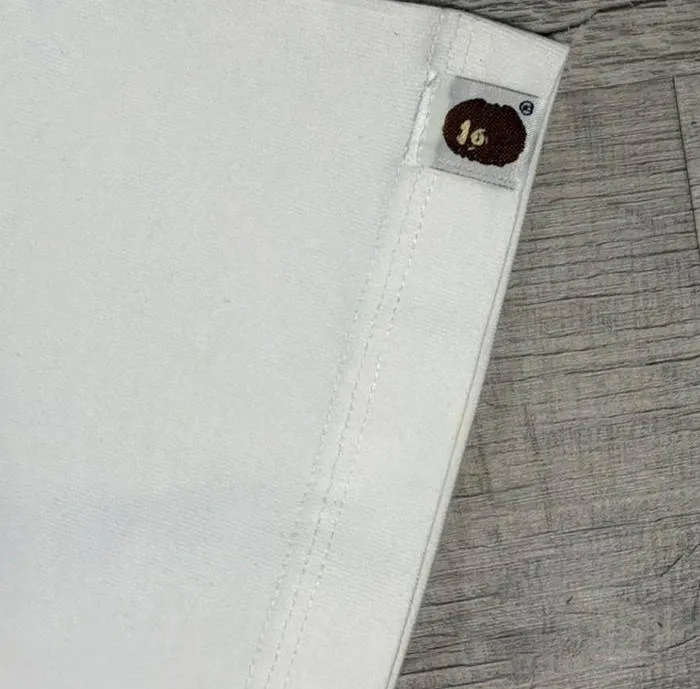
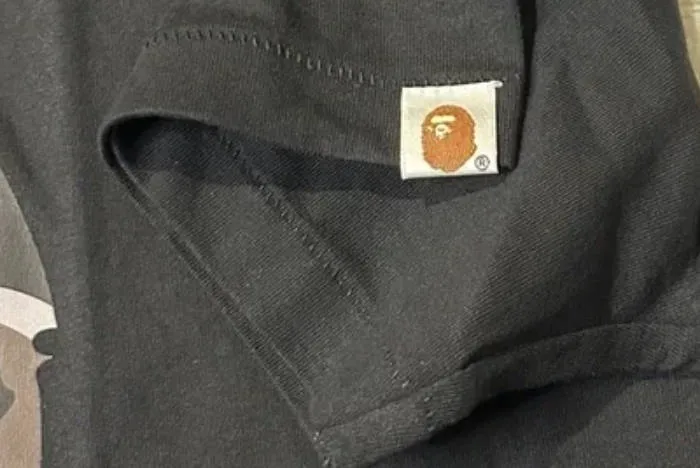
High-quality stitching is essential in authentic Bape tees.
✔️ Real:
-
Even, tight stitching with reinforced seams
-
No loose threads or skipped stitches
-
Double-stitched hems on sleeves and bottom
❌ Fake:
-
Uneven, irregular, or loose stitching
-
Frayed edges or messy seam work
-
Single, weak stitching on critical areas
6. Shirt Material & Feel
The material of a Bape tee is premium cotton with a unique soft yet structured feel.
✔️ Real:
-
Soft, comfortable, and slightly heavy
-
Holds shape even after washing
-
Consistent color saturation
❌ Fake:
-
Thin, cheap-feeling material
-
Easily wrinkled or stretched
-
Synthetic feel, sometimes with a shine
7. Country of Manufacture
Most authentic Bape shirts are made in Japan or China, although some rare lines may come from other countries.
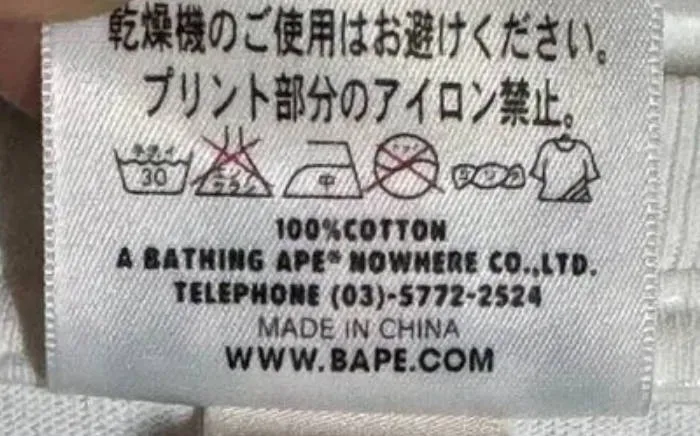
✔️ Real:
-
Clear "MADE IN JAPAN" or "MADE IN CHINA" tag
-
Consistent font and placement
❌ Fake:
-
Random, missing, or incorrect country labels
-
Labels that feel cheap or misaligned
⚠️ Note: Country alone isn't conclusive; always cross-check with tags, stitching, and logos.
8. Packaging & Extras
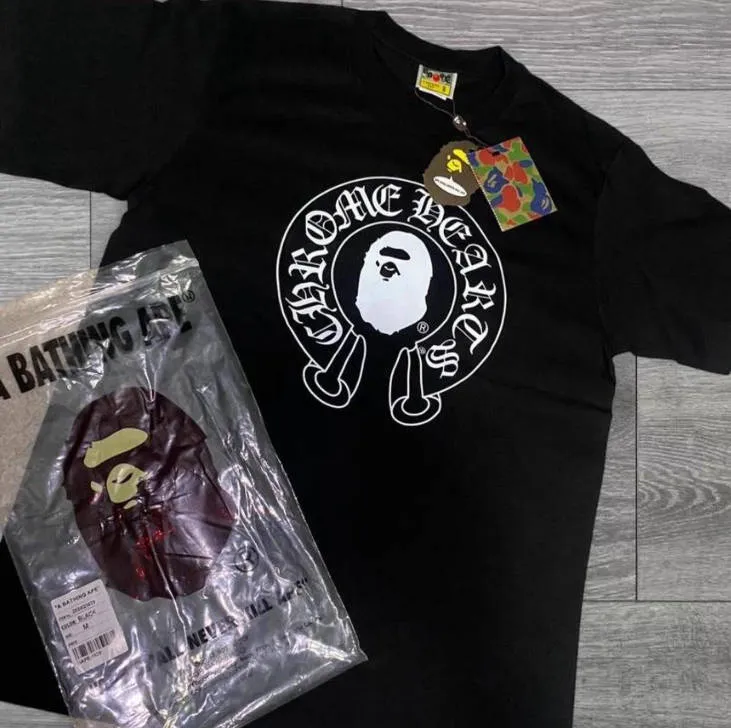
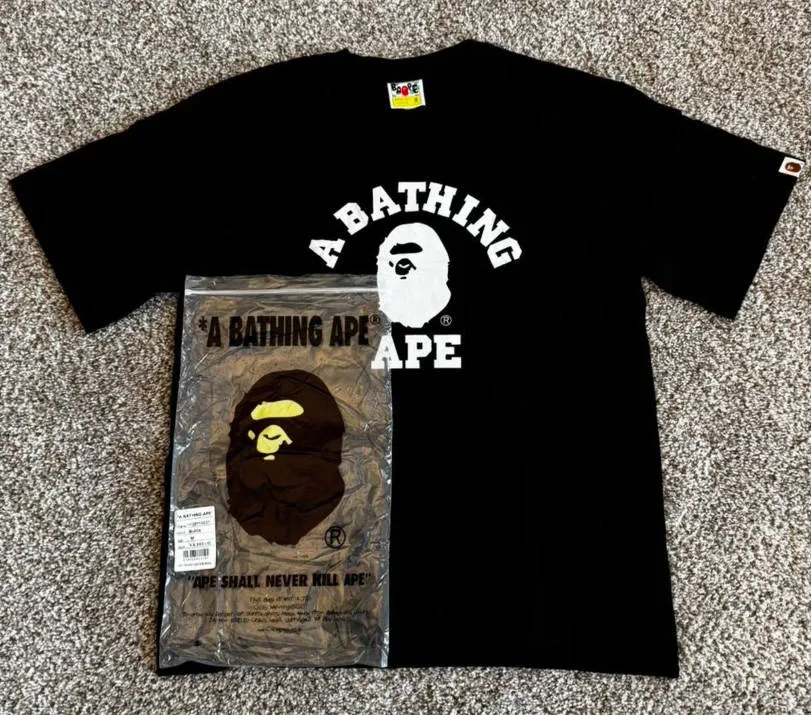
✔️ Real:
-
High-quality plastic bags or boxes with printed logos.
-
Original tags attached with branded strings.
❌ Fake:
-
Bag or box is cheap, thin, or missing logo.
-
Missing tags or generic strings.
🧠 Pro Tips for Buyers
When Shopping Online:
-
Request high-resolution close-up photos of logos, tags, and stitching
-
Avoid listings with only stock images
-
Check seller reviews and ratings carefully
When Buying In-Person:
-
Feel the material thickness and texture
-
Inspect all tags under bright light
-
Compare logo placement, stitching, and patterns
❓ FAQ: Bape T-Shirt & Tee Authentication
Q1. Are all Bape tees made in Japan?
Mostly, yes, but some special collaborations may use other regions. Focus on tag quality rather than country alone.
Q2. Can fakes have correct-looking logos?
Yes, some high-quality fakes replicate logos well but fail on stitching, tag fonts, or material quality.
Q3. Are camo patterns reliable for authentication?
Yes, the signature camo is very precise on authentic tees. Misaligned or blurry patterns are a clear red flag.
Q4. Is price a reliable indicator?
Not always. Some counterfeiters price fakes near retail to appear legitimate. Always check multiple checkpoints.
Q5. How to verify limited edition or collaboration tees?
Compare with official Bape releases online; check tags, logos, and style numbers carefully.
📝 Final Thoughts
Authenticating Bape T-shirts and tees requires attention to logos, tags, stitching, and material quality. Counterfeiters often replicate the look but fail on craftsmanship and details.
✔️ Remember three main checks:
-
Logo print and Ape Head accuracy
-
Tag quality and spelling consistency
-
Stitching and material feel
Combining these checkpoints will help you confidently spot fake Bape tees and protect your investment.