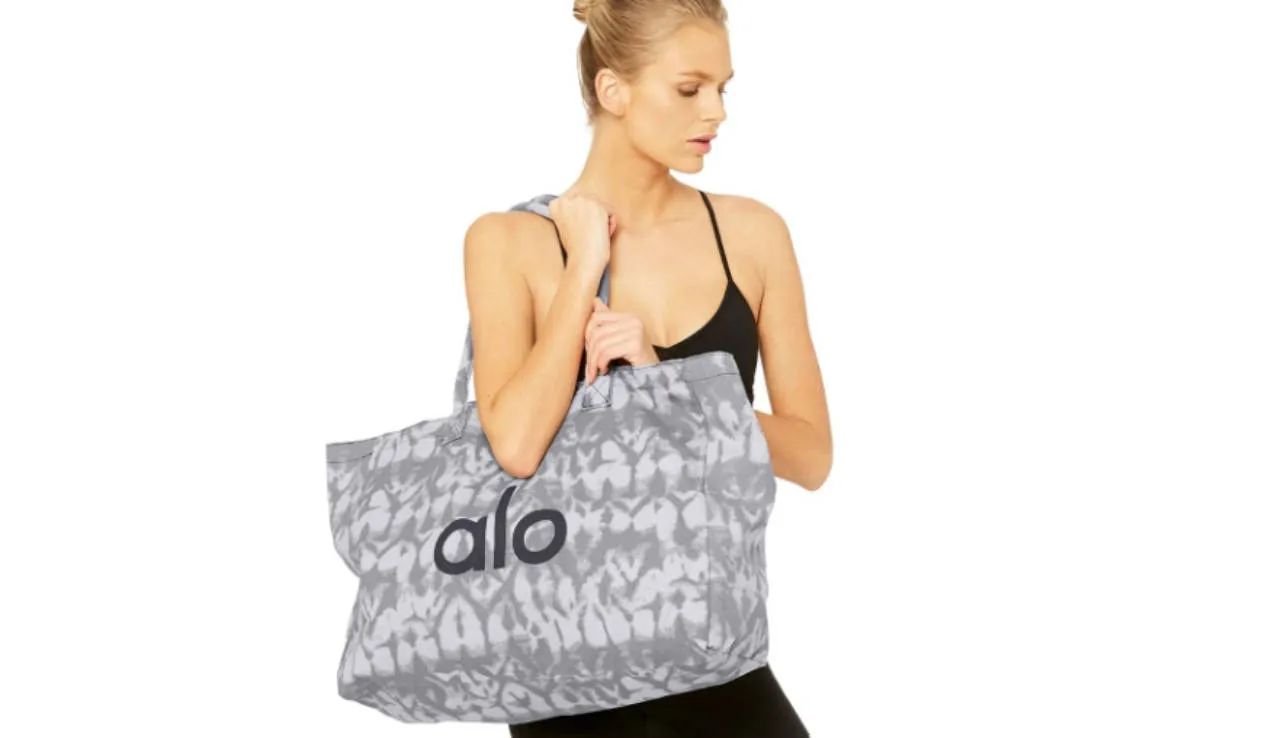
We've all been there: scrolling through Poshmark or Depop and spotting a pair of Alo Yoga Airlift leggings at a price that seems too good to pass up. But in an era where high-quality knockoffs are flooding the market, how can you be sure your "stellar deal" isn't just a clever counterfeit? From the precision of the logo to the specific texture of the performance fabric, telling the difference between genuine studio-wear and a cheap imitation requires a keen eye. In this guide, we'll break down the essential red flags to look for so you can shop with confidence and ensure your activewear investment is the real deal.
🧘♀️ ALO Yoga Overview
Alo Yoga (stylized as alo) is a Los Angeles-based premium lifestyle and athletic apparel brand that has redefined the "athleisure" category by blending high-performance technical gear with high-fashion aesthetics.
1. Company Origins & Identity
-
Founded: 2007 in Los Angeles, California.
-
Founders: Danny Harris and Marco DeGeorge (childhood friends).
-
The Name: An acronym for Air, Land, Ocean, reflecting the brand's connection to nature and holistic wellness.
-
Mission: To spread "mindful movement," inspire wellness, and create community. The brand famously champions a "studio-to-street" philosophy, meaning their clothes are designed to perform in a professional yoga class and look stylish at a social event immediately after.
2. Market Positioning & Business Model
Alo has successfully carved out a "luxury performance" niche, often positioned as a more fashion-forward and exclusive alternative to competitors like Lululemon.
Key Success Drivers:
-
Celebrity & Influencer "Sanctuary": Unlike traditional sports brands, Alo rose to prominence through organic and paid placement on celebrities like Kendall Jenner, Hailey Bieber, and Bella Hadid.
-
Social Media Dominance: Alo consistently ranks as one of the most engaged brands on Instagram, using high-aesthetic photography and "yoga influencers" to sell a lifestyle rather than just products.
-
Vertical Integration: The brand is privately held (owned 50/50 by the founders) and operates under Color Image Apparel, Inc. This private status has allowed them to scale rapidly—surpassing $1 billion in revenue by 2022—without the pressure of public quarterly earnings.
3. Product Ecosystem
What began as a yoga-only brand has expanded into a full-scale wellness ecosystem:
-
Core Apparel: High-compression leggings (notably the Airlift and Airbrush lines), sports bras, and hoodies.
-
Alo Glow System: A clean beauty and skincare line launched in 2020.
-
Alo Moves: A digital subscription platform offering thousands of yoga, fitness, and mindfulness classes.
-
Alo Atelier: A luxury "formalwear" and high-end collection that competes with designer fashion houses.
-
Footwear: Recovery-focused sneakers designed for all-day comfort and post-workout balance.
4. Who ALO Yoga Is Best For
ALO works especially well for:
-
Pilates and yoga enthusiasts
-
People who prioritize aesthetics in workout clothing
-
Fans of oversized luxury loungewear
-
Everyday athleisure styling
-
Minimalist, neutral-toned wardrobes
It may be less ideal for:
-
High-intensity endurance training
-
Budget-focused shoppers
-
Buyers wanting maximum technical durability
Counterfeit activewear has become increasingly sophisticated, and few brands are copied as heavily right now as ALO. From hoodies and leggings to yoga sets and caps, fake ALO products now appear across resale apps, social media shops, and overseas marketplaces. Below are the most important details to examine before making a purchase.
🧭 ALO Yoga Real vs. Fake Guide
⚡ Quick Comparison Table
| Check Point | Authentic Characteristics | Red Flags |
| ALO Neck Tag | Thick, clean print, precise spacing | Thin tag, blurry text |
| Hang Tags | Premium cardstock, sharp logo | Cheap paper, faded ink |
| Wash Tags | Consistent fonts, clean stitching | Typos, uneven labels |
| Logo Print | Crisp, centered, durable | Cracking, peeling, crooked |
| Stitching | Smooth and symmetrical | Loose threads, uneven seams |
| Fabric Feel | Soft, dense, performance-grade | Thin, plasticky, rough |
| Size Label | Consistent formatting | Random sizing style |
| Hardware | Heavy, quality zippers | Lightweight or generic |
| Packaging | Minimal but premium | Cheap plastic wrapping |
| Price & Seller | Realistic pricing from trusted sellers | Massive discounts, suspicious stores |
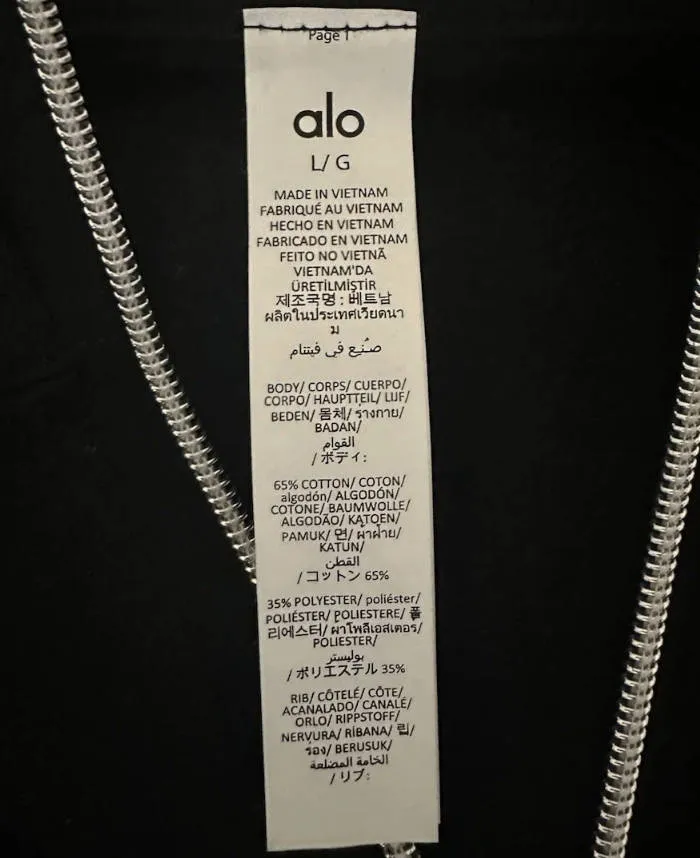
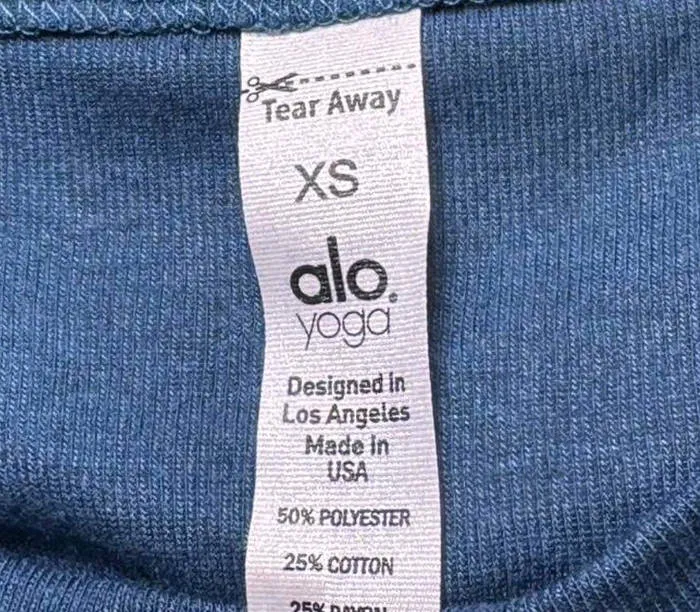
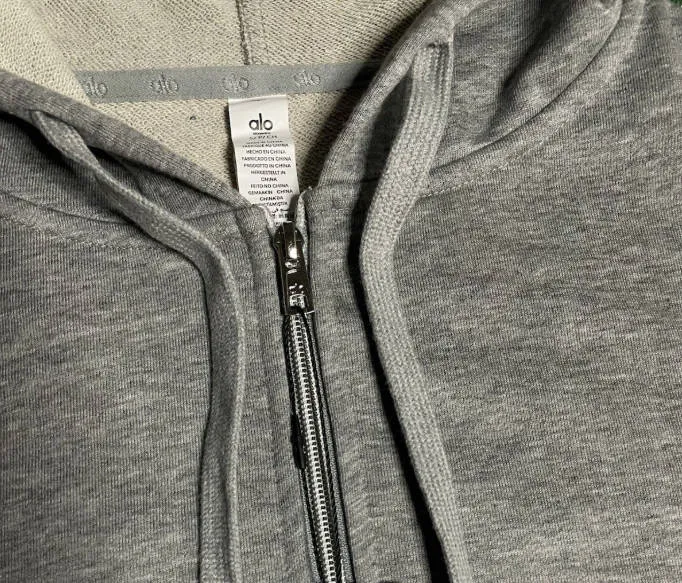
1. ALO Neck Tag
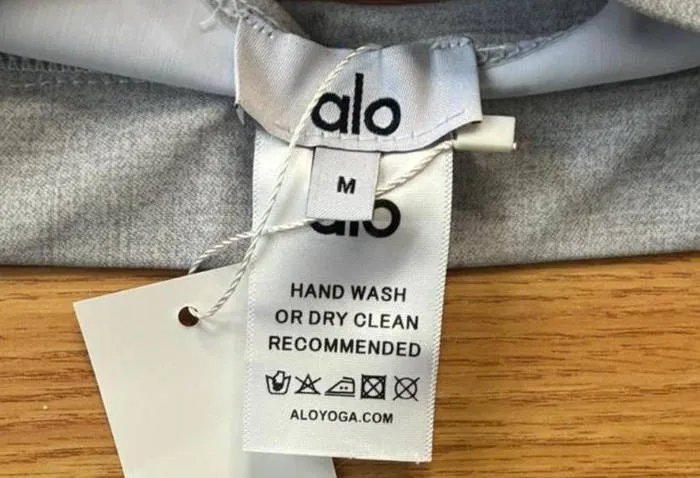
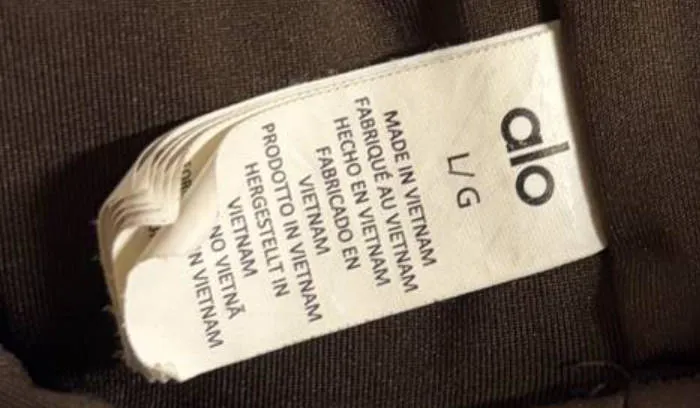
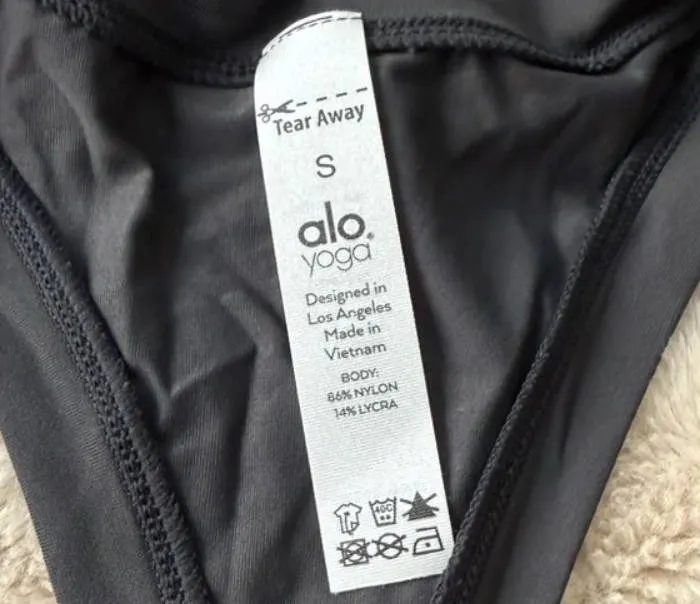
The neck tag is one of the easiest and most reliable ways to identify fake ALO pieces.
Counterfeiters frequently fail to reproduce the exact typography, spacing, stitching quality, and material used on authentic ALO tags.
✔️ Real
Authentic ALO neck tags usually feature:
-
Thick, high-quality woven or printed labels
-
Sharp "ALO" lettering
-
Balanced spacing between letters
-
Clean stitching around the edges
-
Soft but durable tag material
-
Consistent font size and alignment
Modern ALO pieces may use:
-
Heat-pressed printed neck labels
-
Minimal woven tags
-
Small side seam branding tags
The branding always feels intentional and premium.
Key Details to Examine
Font Shape
Authentic ALO fonts appear:
-
Bold but clean
-
Evenly proportioned
-
Properly centered
The "A" letters are particularly important because replicas often make them:
-
Too narrow
-
Too thick
-
Unevenly angled
Tag Material
Real ALO tags feel:
-
Smooth
-
Thick
-
High-quality
Fake tags often feel:
-
Paper-like
-
Stiff
-
Thin or scratchy
Stitching Around the Tag
Authentic stitching is:
-
Straight
-
Tight
-
Symmetrical
Fakes frequently show:
-
Crooked attachment
-
Loose corners
-
Uneven thread density
❌ Fake
Common counterfeit issues include:
-
Blurry lettering
-
Incorrect spacing
-
Misaligned logo
-
Fraying edges
-
Glossy cheap material
-
Faded print after light wear
Some fake tags also use incorrect capitalization such as:
-
"Alo"
-
"Alo Yoga"
-
Inconsistent spacing between words
💡 If the neck tag already looks low quality, the garment is usually fake.
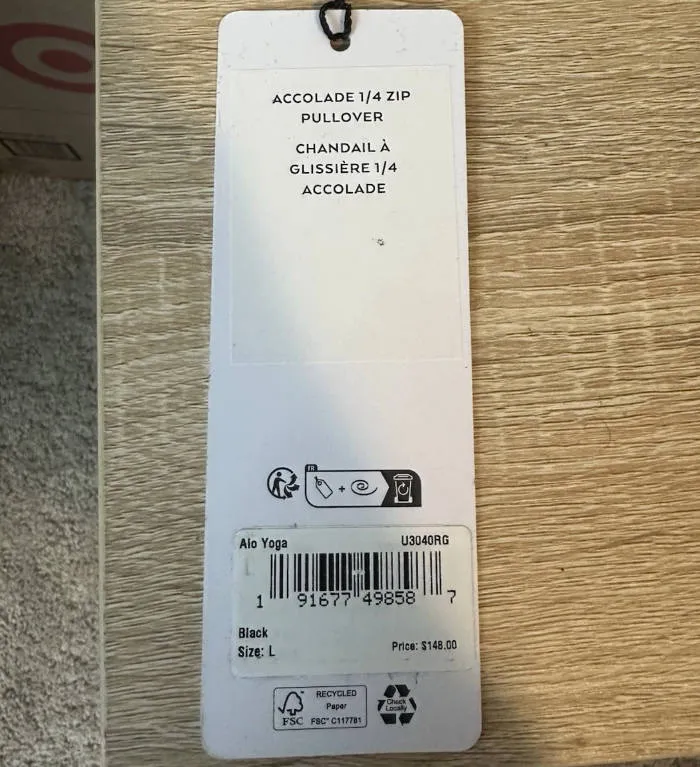
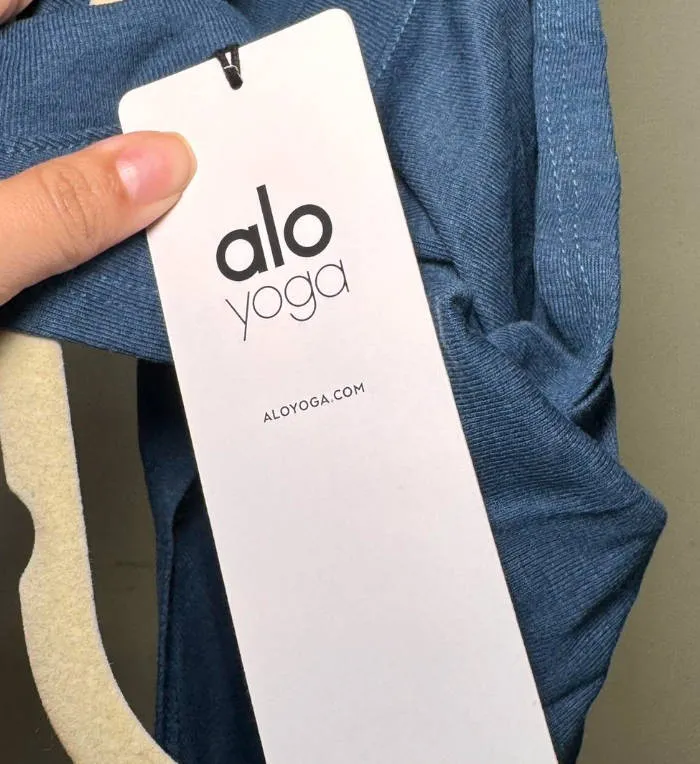
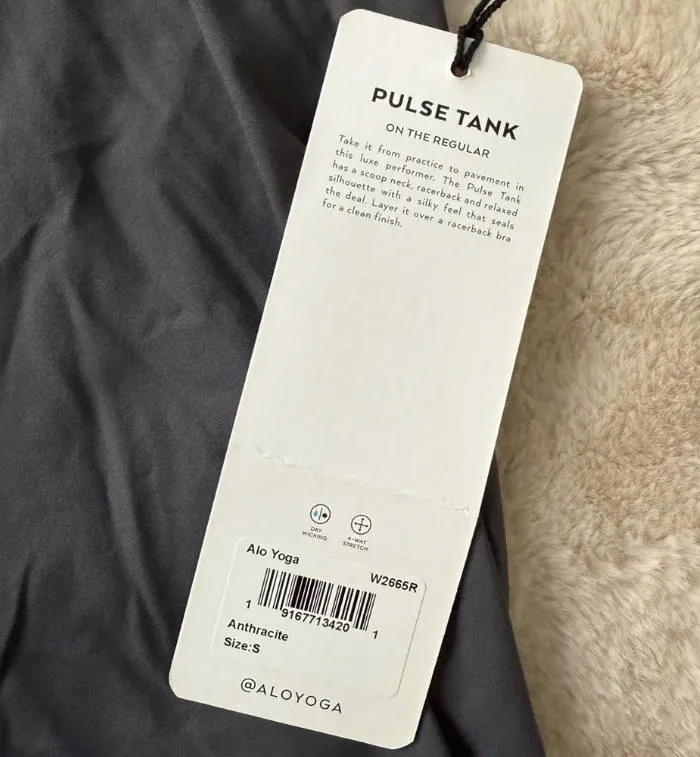
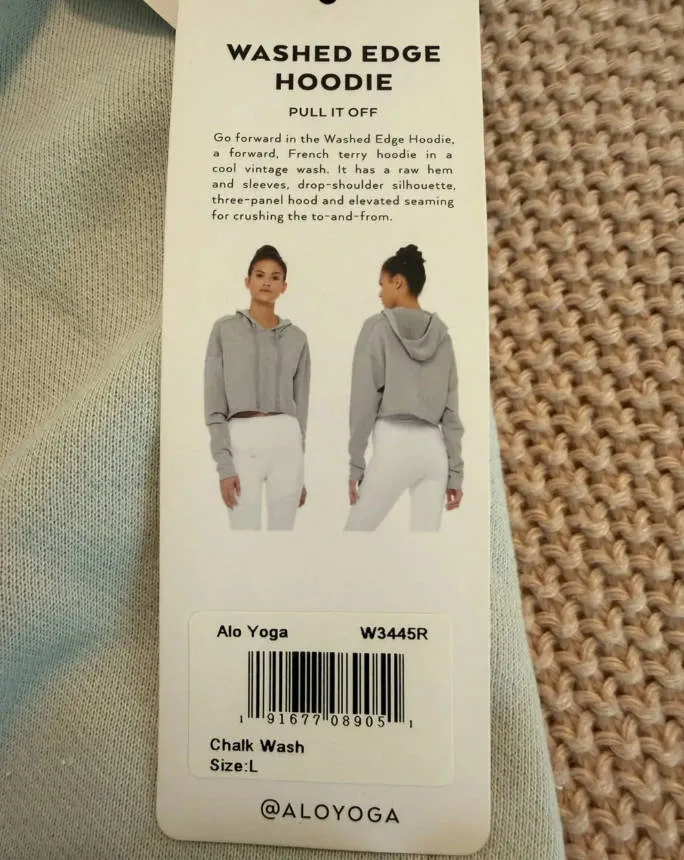
2. ALO Hang Tags
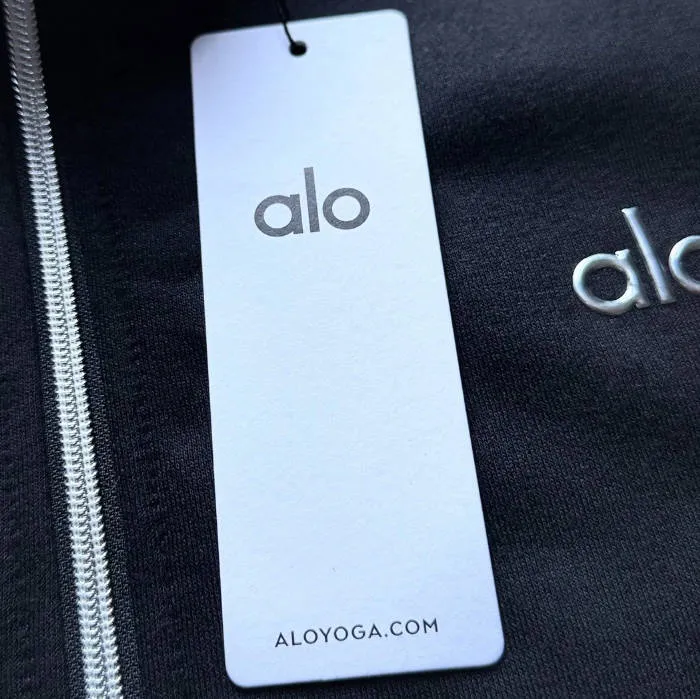
Authentic ALO hang tags feel noticeably premium.
Counterfeiters often overlook the paper quality and print sharpness.
✔️ Real
Authentic hang tags usually feature:
-
Thick matte cardstock
-
Crisp black-and-white printing
-
Clean logo alignment
-
Smooth edges
-
Professional barcode stickers
Many real ALO tags also include:
-
Product name
-
SKU/style number
-
Size information
-
Retail pricing
❌ Fake
Fake hang tags often show:
-
Thin glossy paper
-
Pixelated logos
-
Misaligned printing
-
Cheap strings or plastic fasteners
-
Incorrect fonts
Some counterfeit tags even contain:
-
Spelling mistakes
-
Wrong product names
-
Random SKU codes
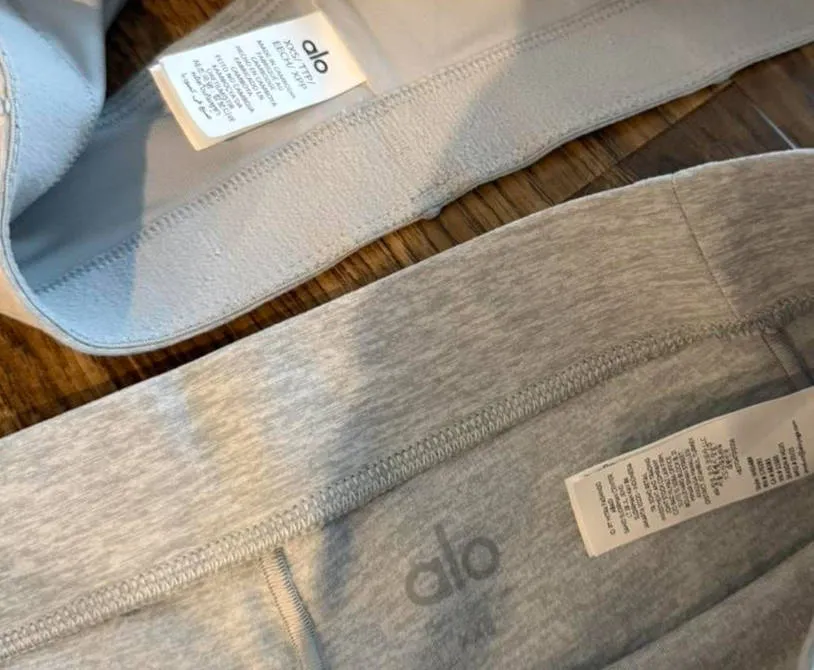
3. Interior Wash Tags
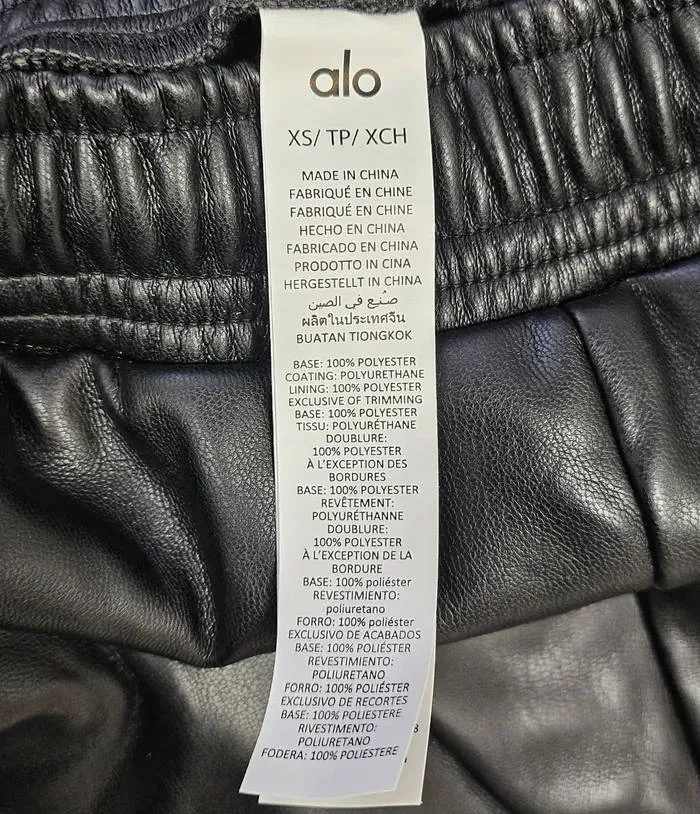
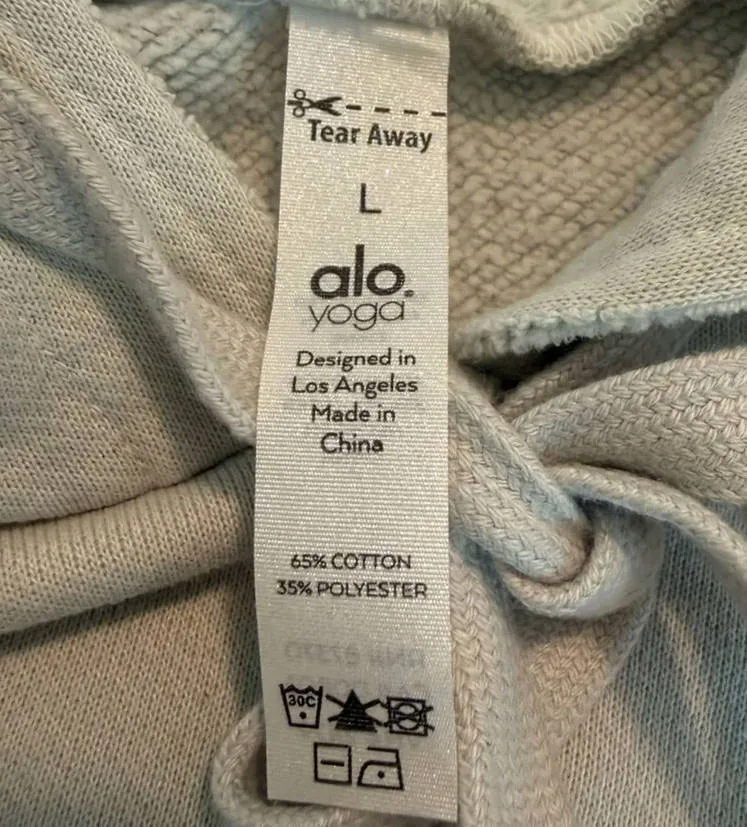
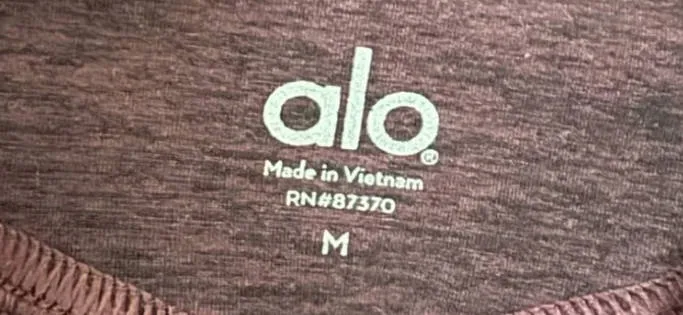
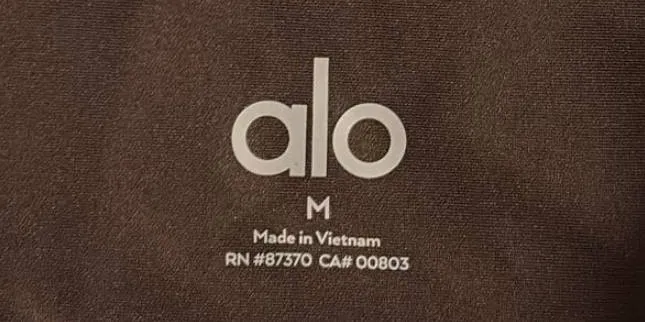
ALO wash tags are one of the strongest authentication checkpoints.
Counterfeit manufacturers often fail to reproduce the formatting consistency.
✔️ Real
Authentic wash labels usually contain:
-
Fabric composition
-
Washing instructions
-
RN or CA numbers
-
Country of manufacture
-
Style code
-
Multiple language sections
The printing should be:
-
Dark and sharp
-
Easy to read
-
Consistently aligned
The label material feels:
-
Smooth
-
Durable
-
Flexible
❌ Fake
Fake wash tags often have:
-
Uneven fonts
-
Faded text
-
Incorrect spacing
-
Poor translations
-
Missing manufacturing details
Major warning signs include:
-
Typographical errors
-
Crooked sewing
-
Random formatting
-
Ink bleeding
Common Fake Tag Mistakes
Counterfeit ALO tags often show:
-
Incorrect font thickness
-
Strange line spacing
-
Inconsistent text size
-
Missing RN numbers
⚠️ Always compare multiple tags together, not just one.
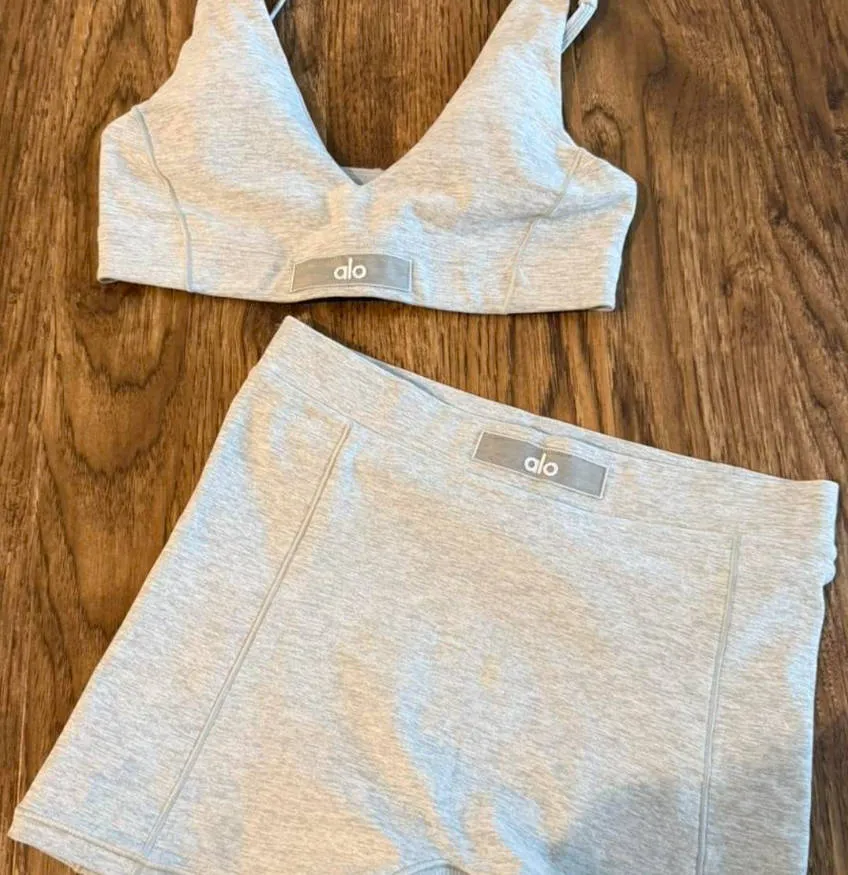
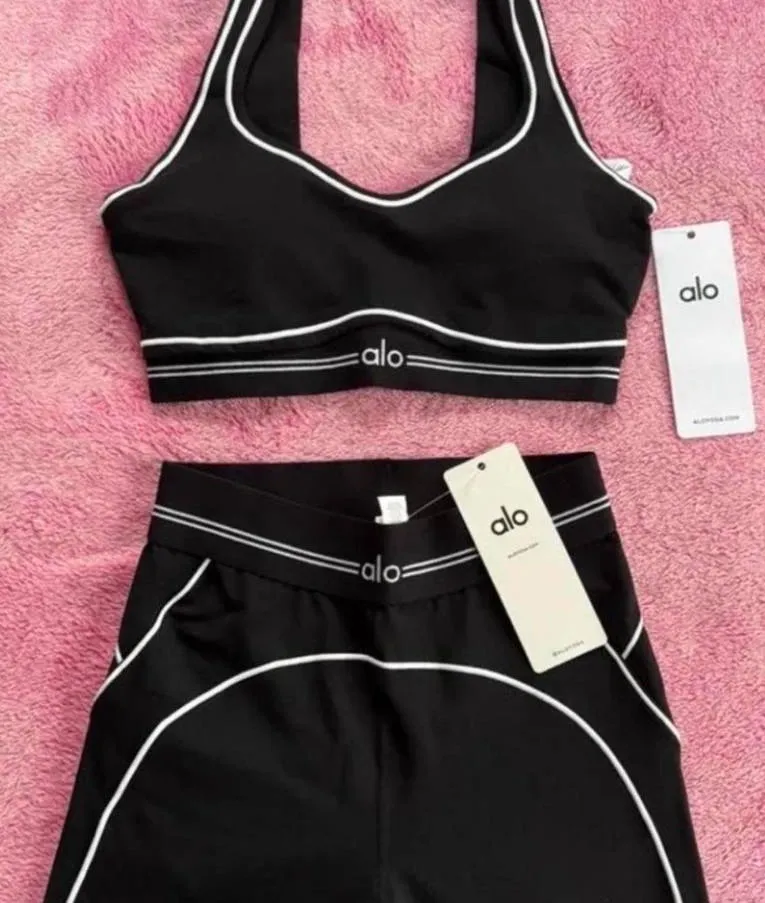
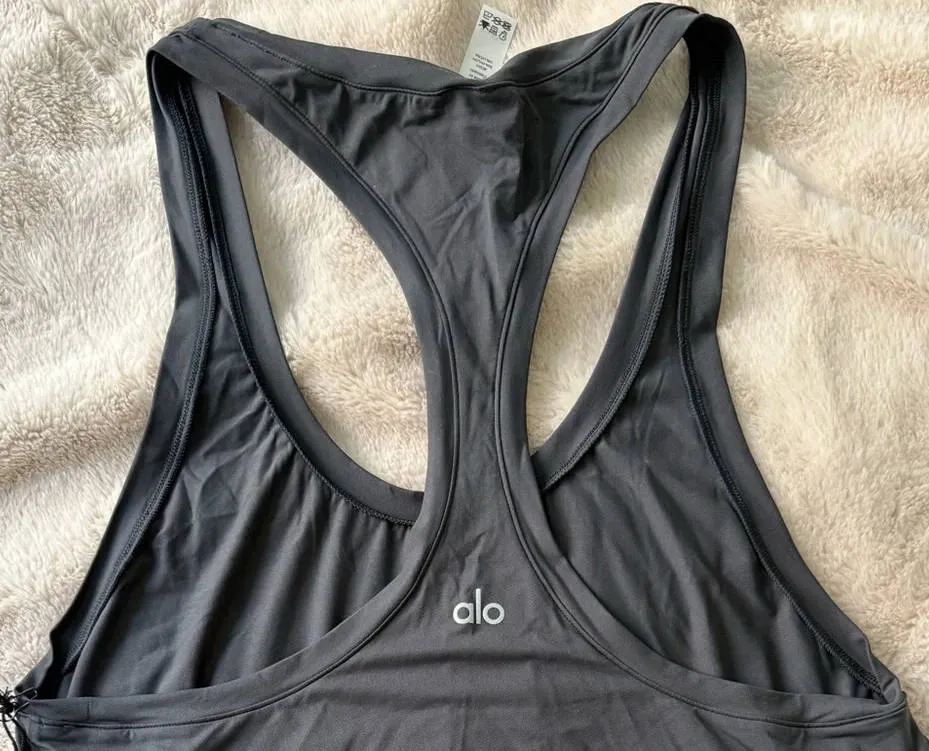
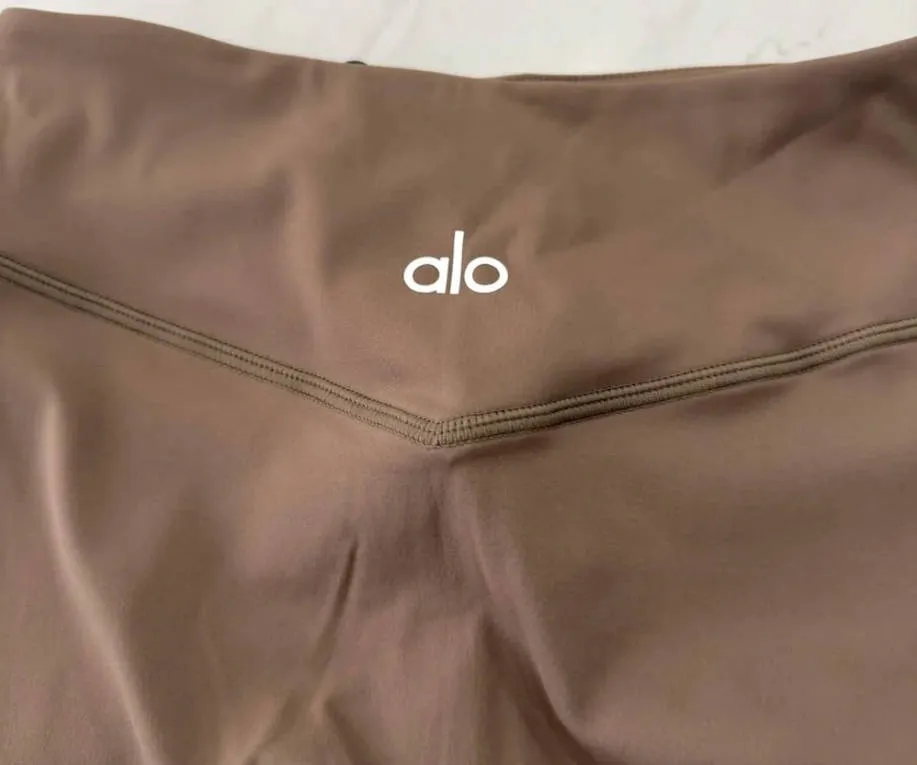
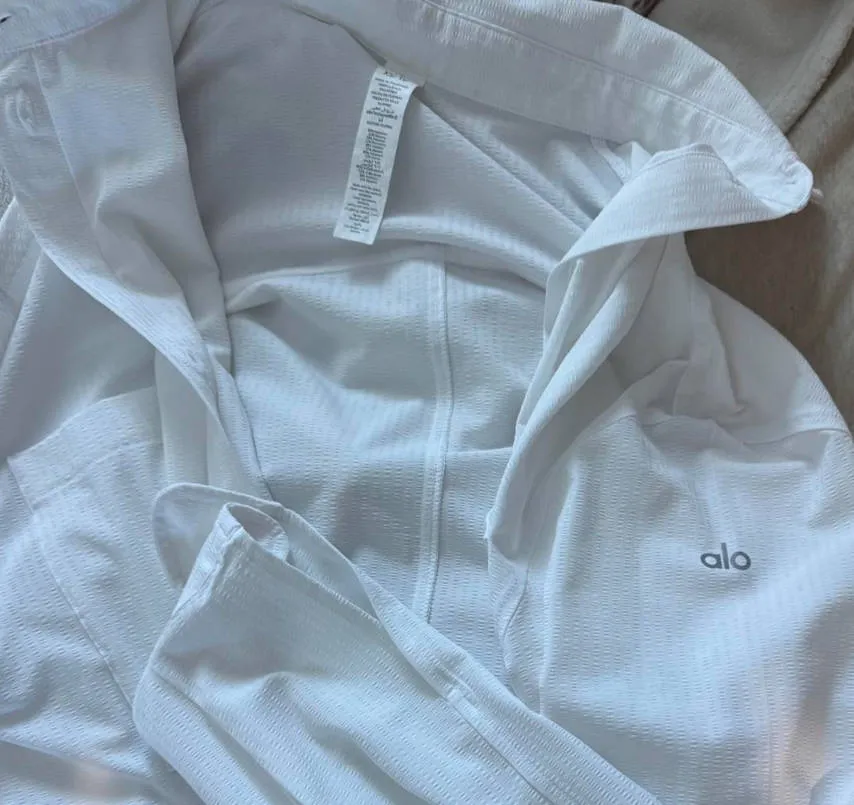
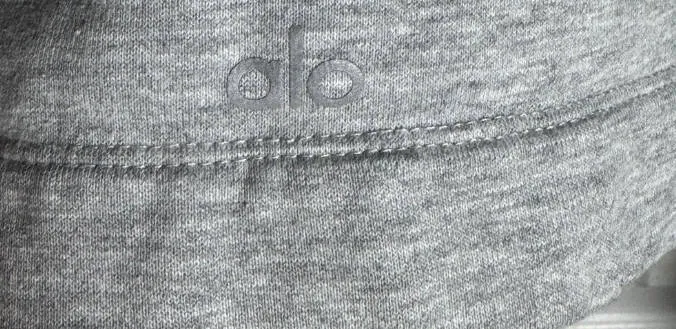
4. Logo Placement & Print Quality
ALO is known for minimal branding, but the logo execution is usually extremely clean.
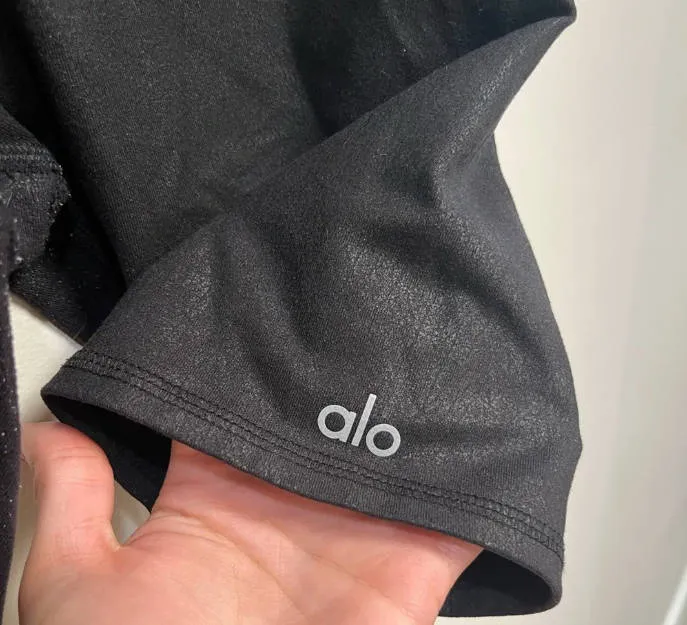
✔️ Real
Authentic logos are:
-
Crisp
-
Properly centered
-
Symmetrical
-
Smooth to the touch
Printed logos generally resist:
-
Cracking
-
Peeling
-
Fading
Reflective logos should appear:
-
Evenly applied
-
Smooth
-
High quality
❌ Fake
Counterfeit logos often appear:
-
Too shiny
-
Crooked
-
Overly thick
-
Unevenly spaced
Common issues include:
-
Cracking after minor stretching
-
Peeling edges
-
Blurry outlines
-
Incorrect placement
5. Fabric Quality & Feel
ALO uses premium performance fabrics that are difficult to replicate accurately.
Even convincing replicas usually fail here.
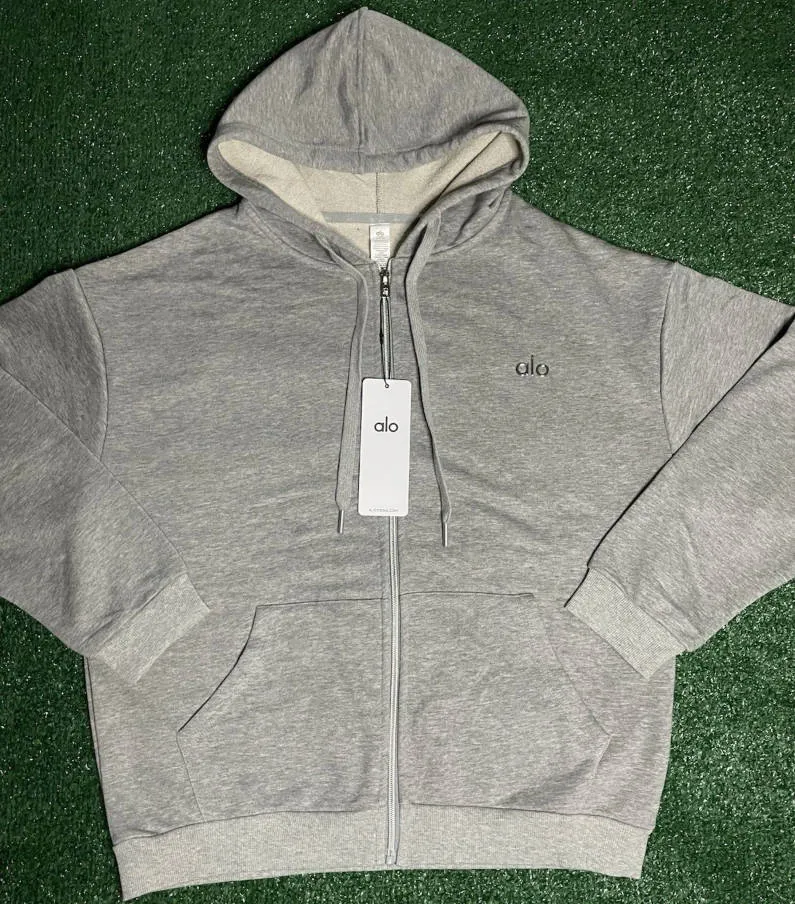
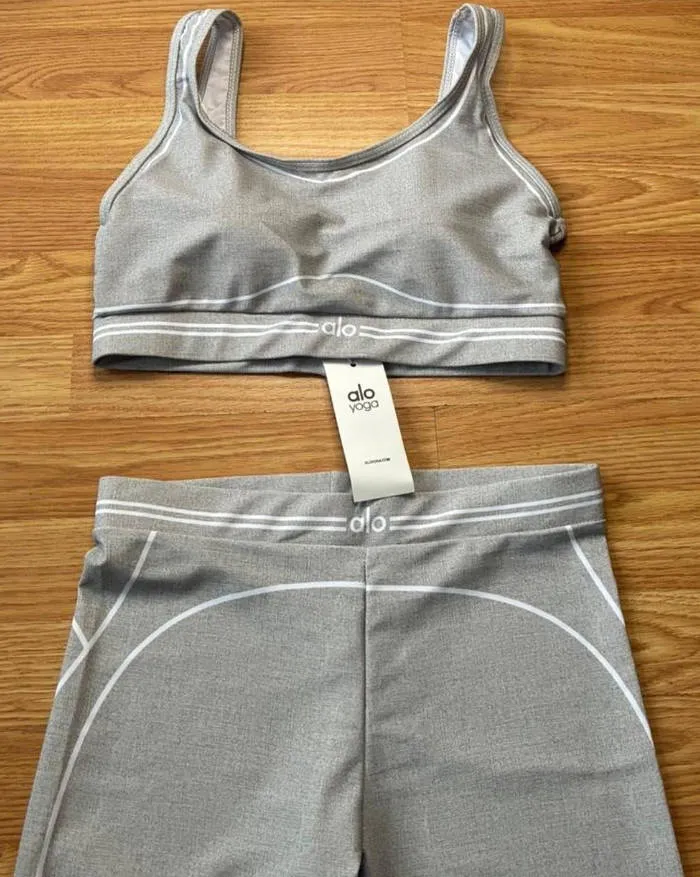
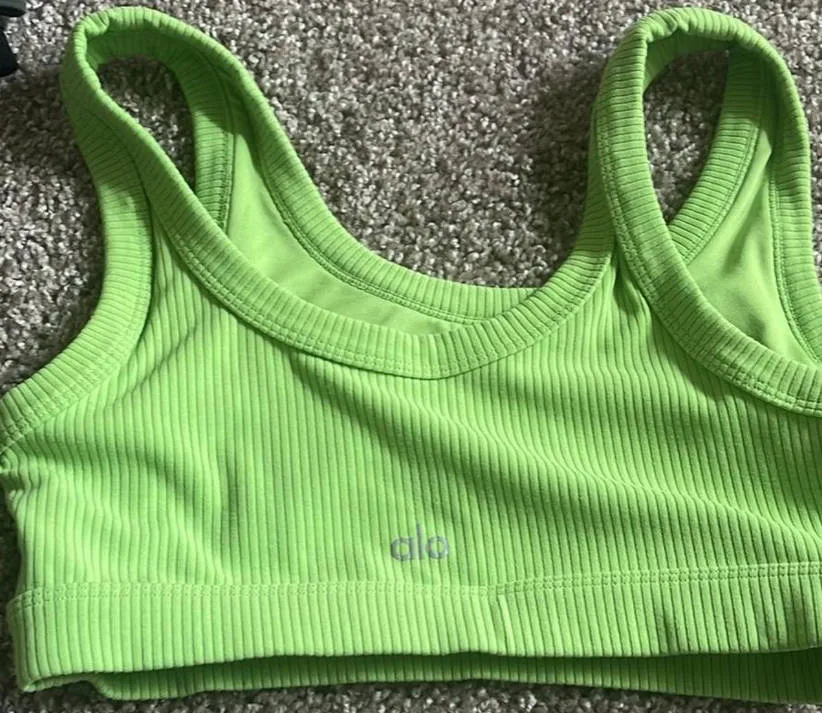
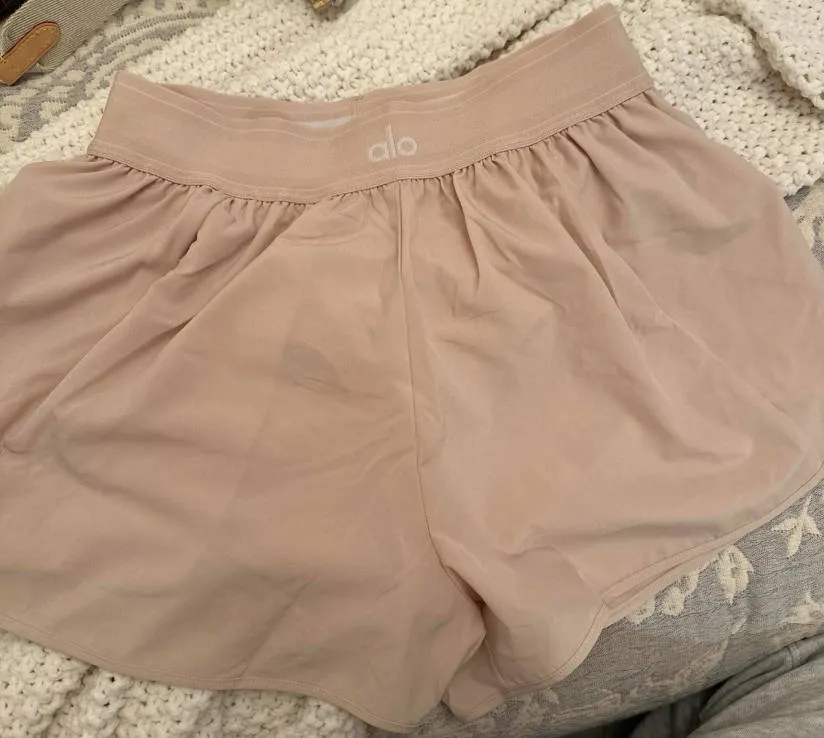
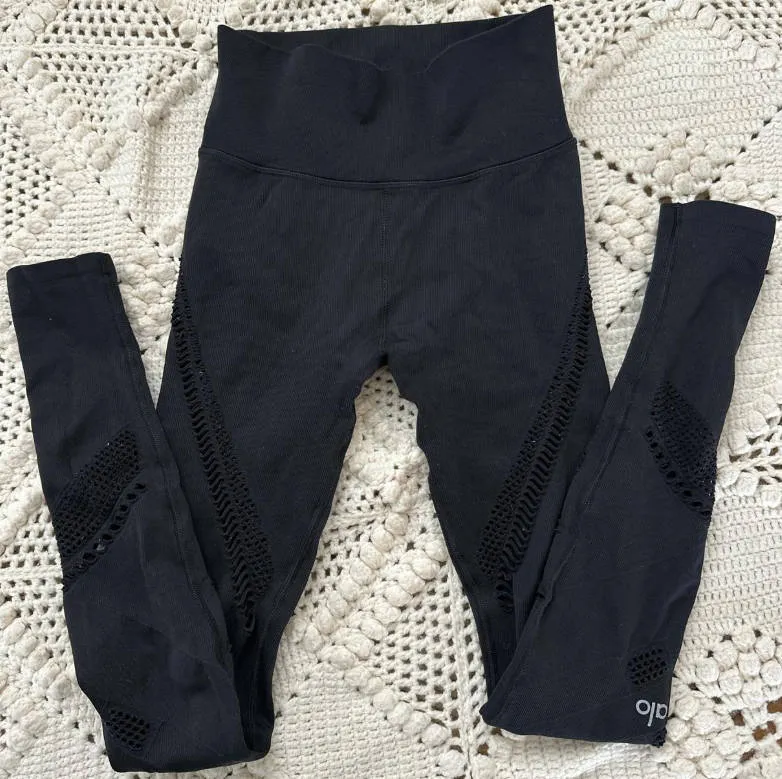
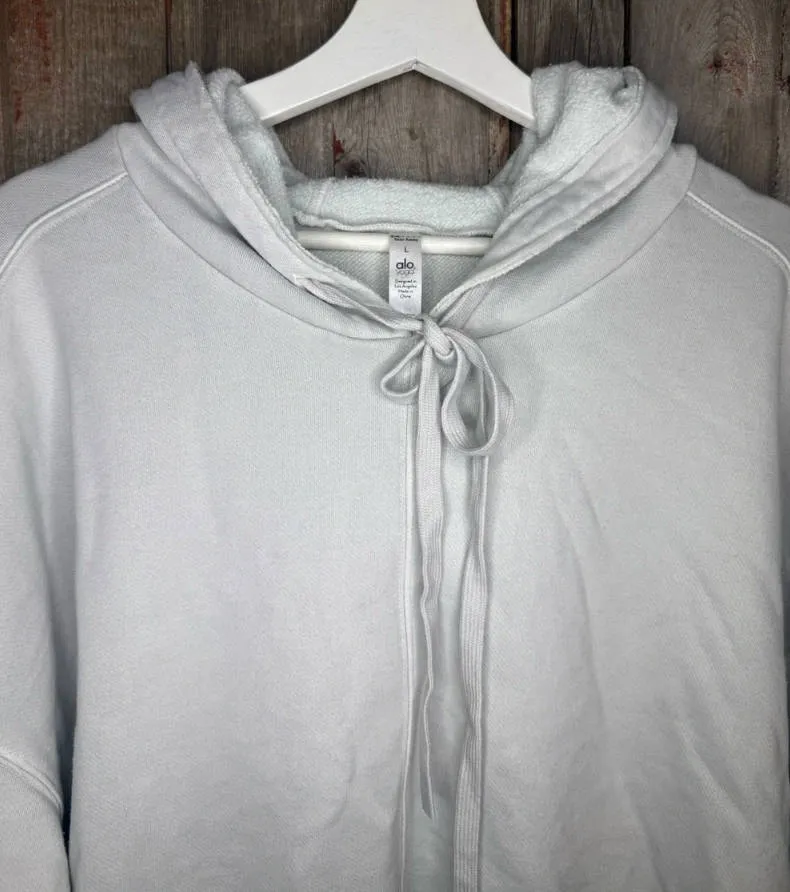
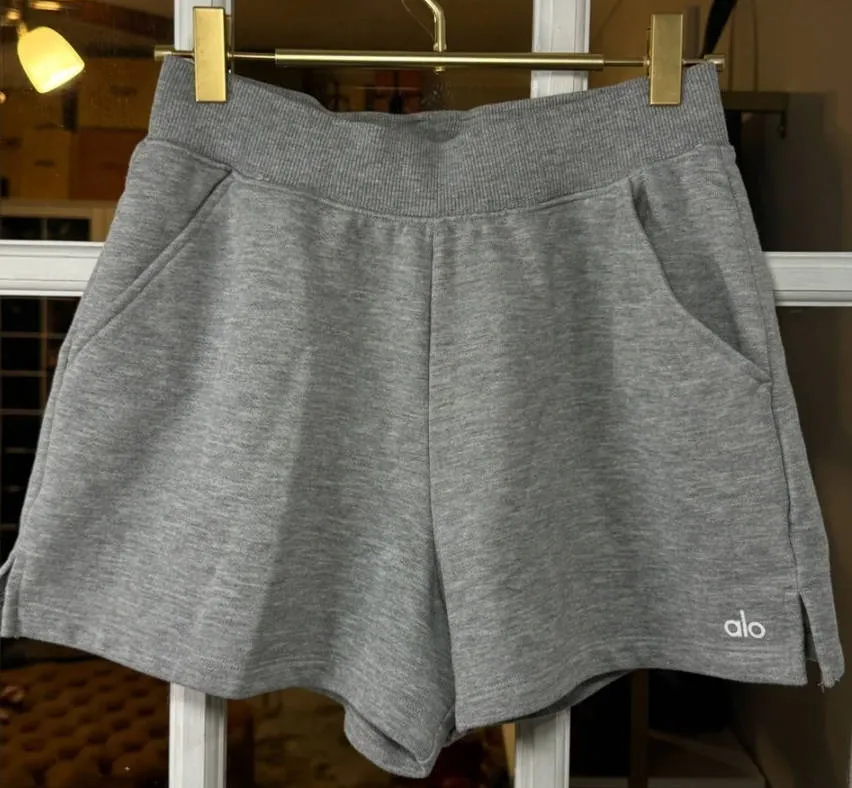
✔️ Real
Authentic ALO materials feel:
-
Dense yet soft
-
Smooth and stretchy
-
Premium and structured
-
Comfortable without feeling thin
Popular authentic fabrics include:
-
Airbrush
-
Airlift
-
Accolade fleece
These materials have:
-
Strong elasticity
-
Smooth recovery
-
Consistent texture
❌ Fake
Fake ALO clothing often feels:
-
Thin
-
Plastic-like
-
Rough
-
Overly shiny
Counterfeit leggings especially may feel:
-
Too slippery
-
Too stiff
-
Non-breathable
Stretch Test
Authentic ALO leggings generally:
-
Return to shape quickly
-
Maintain compression
-
Do not become see-through easily
Fakes often lose structure immediately.
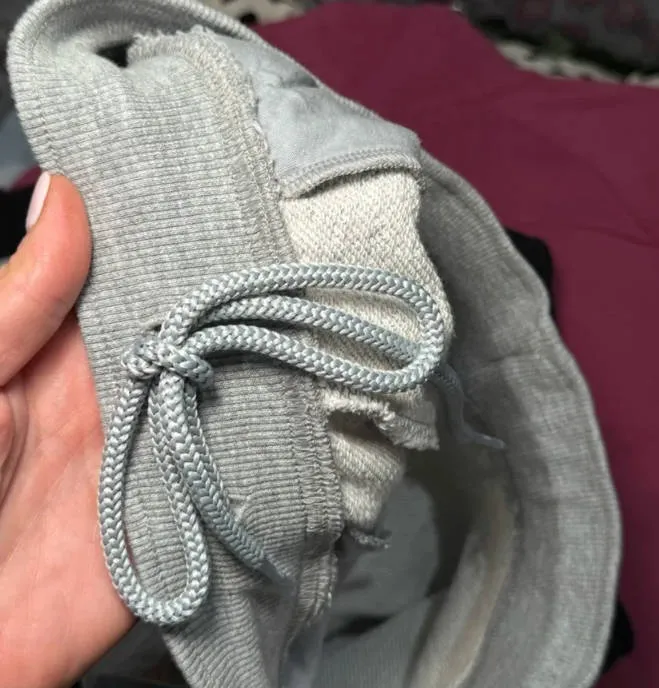
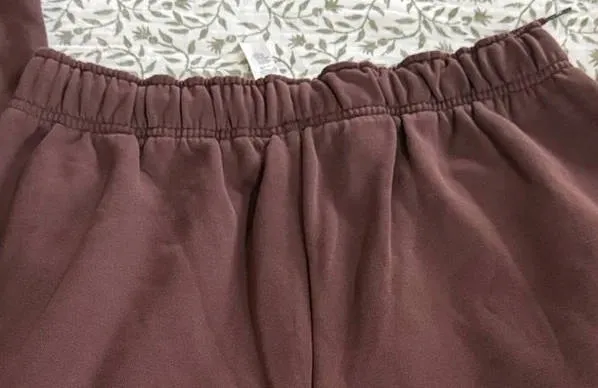
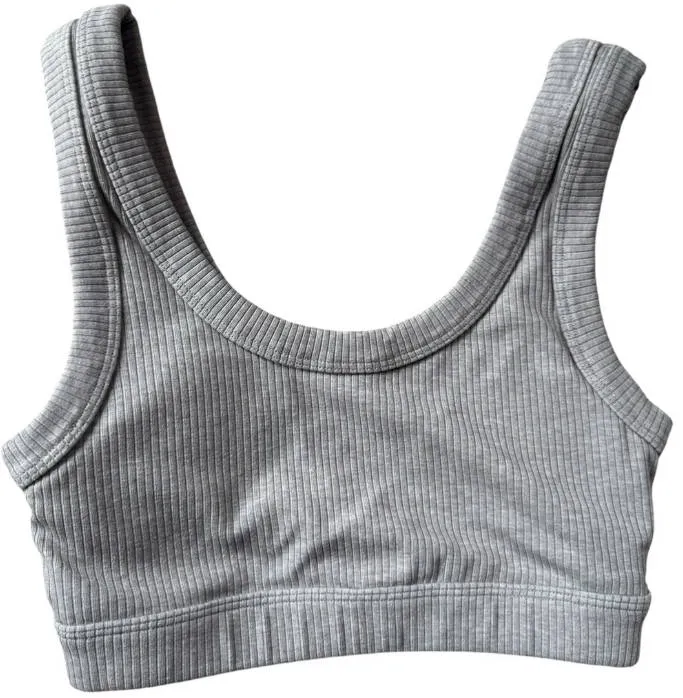
6. Stitching & Seam Construction
Premium activewear requires strong and precise seam construction.
ALO typically maintains high manufacturing consistency.
✔️ Real
Authentic stitching should be:
-
Tight and even
-
Symmetrical across both sides
-
Cleanly finished inside and outside
Flatlock seams are usually:
-
Smooth
-
Comfortable against skin
-
Professionally aligned
❌ Fake
Counterfeit stitching commonly shows:
-
Loose threads
-
Uneven tension
-
Wavy seams
-
Visible fraying
In fake leggings, seams may also:
-
Twist during wear
-
Sit unevenly
-
Create bunching
💡 Uneven stitching is one of the fastest ways to spot replicas.
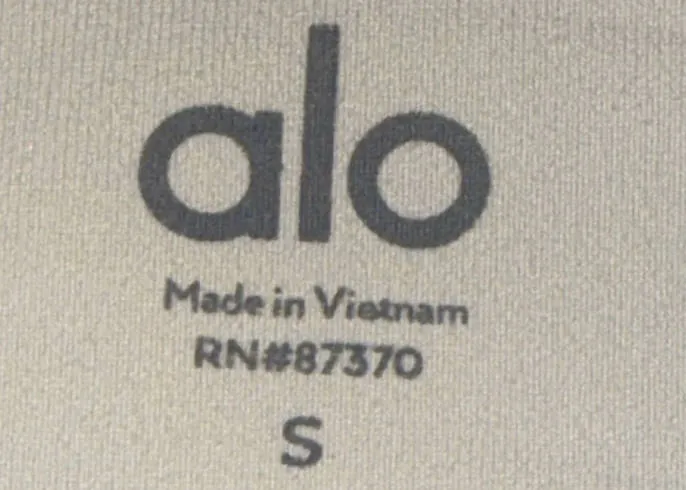
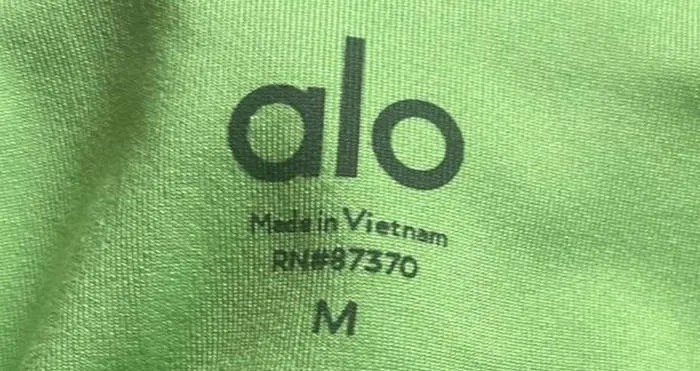
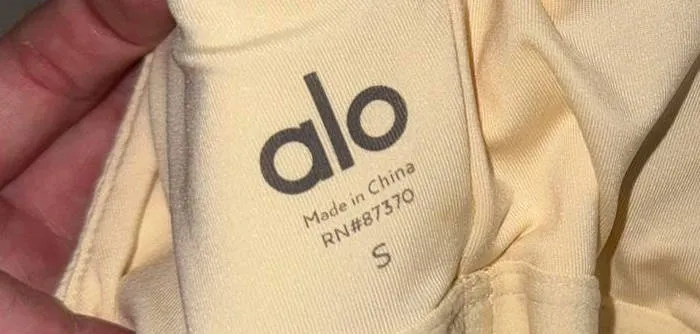
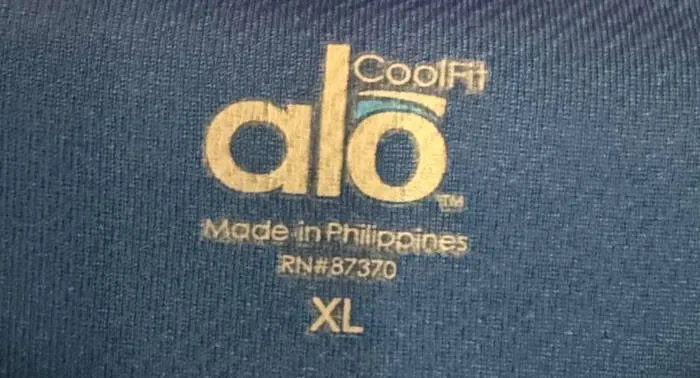
7. Size Labels & Formatting
ALO sizing labels follow consistent formatting across collections.
Counterfeit factories often improvise.
✔️ Real
Authentic size indicators usually feature:
-
Clean typography
-
Proper alignment
-
Consistent sizing language
Examples include:
-
XS
-
S
-
M
-
L
The print quality remains sharp and centered.
❌ Fake
Fake sizing labels often have:
-
Misaligned text
-
Inconsistent spacing
-
Unusual font weights
Some counterfeit items also use:
-
Incorrect regional sizing
-
Strange abbreviations
-
Random formatting styles
📌 Compare size labels with verified retail photos whenever possible.
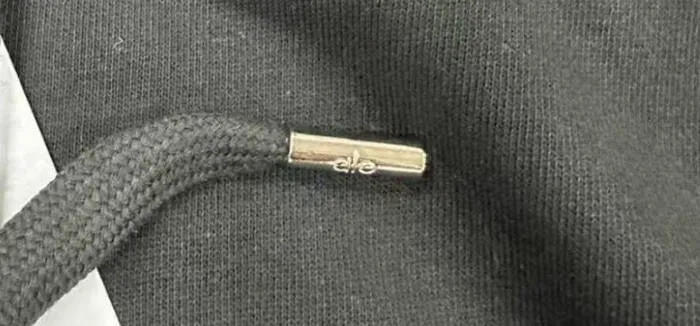
8. Hardware & Zippers
Not all ALO pieces use hardware, but when they do, quality matters.
This is especially useful for:
-
Jackets
-
Hoodies
-
Quarter-zips
-
Bags
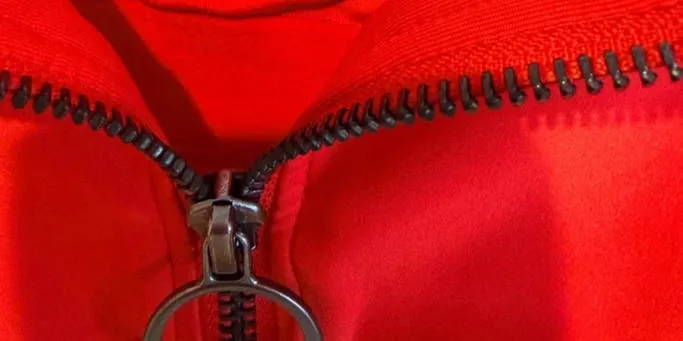
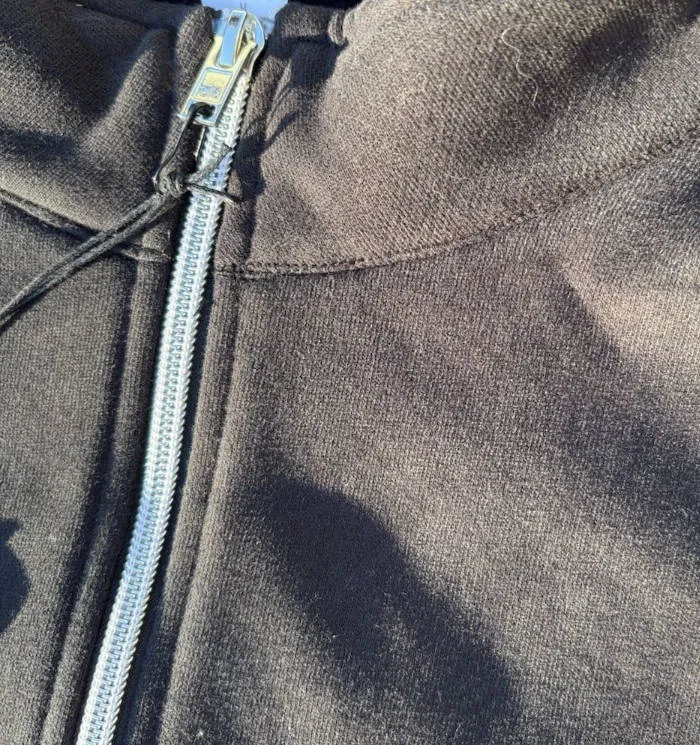
✔️ Real
Authentic hardware feels:
-
Heavy
-
Smooth
-
Durable
Zippers glide easily without catching.
Metal components usually appear:
-
Cleanly finished
-
Well attached
-
Premium in texture
❌ Fake
Counterfeit hardware often feels:
-
Hollow
-
Lightweight
-
Cheaply coated
Common problems include:
-
Sticky zippers
-
Paint chipping
-
Rough edges
9. Packaging & Presentation
Authentic ALO packaging is usually simple but polished.
Counterfeit sellers often overdo or cheapen the presentation.
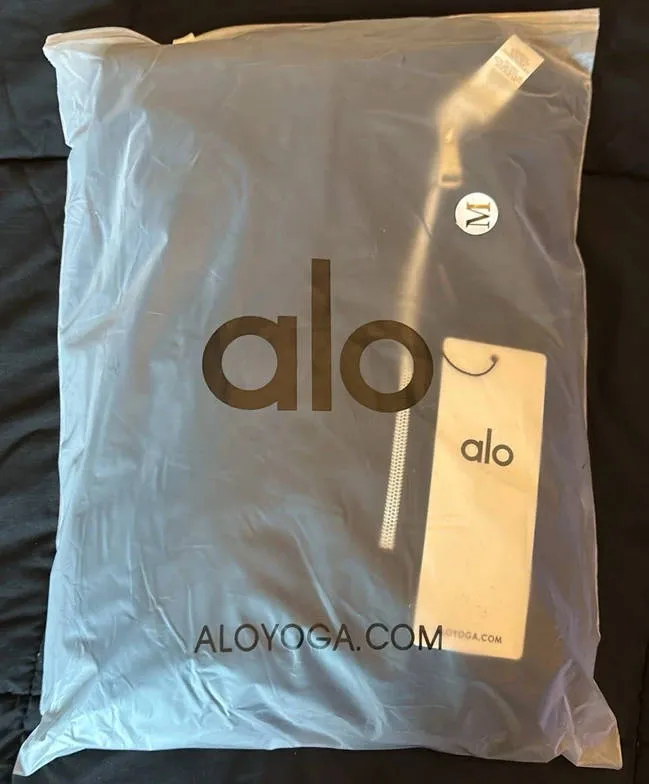
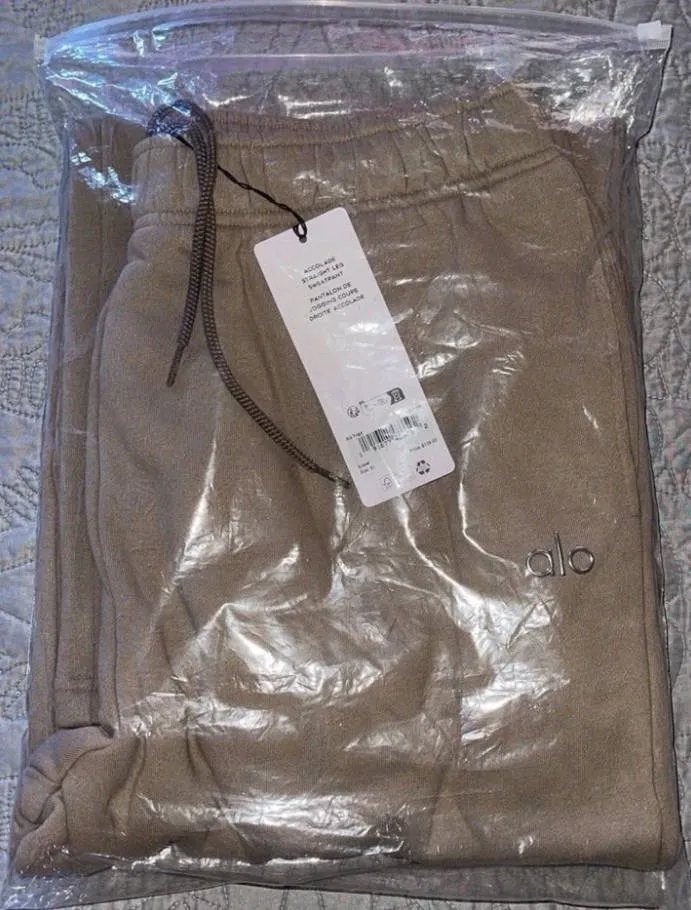
✔️ Real
Real ALO orders generally arrive with:
-
Clean folding
-
Simple branded packaging
-
Professional tags
-
Proper barcode labeling
The presentation feels minimal and modern.
❌ Fake
Fake packaging may include:
-
Thin plastic wrapping
-
Strong chemical smell
-
Excessive branding
-
Low-resolution stickers
Some counterfeit products even arrive in generic bags with no proper labeling.
⚠️ Packaging alone cannot confirm authenticity—but poor packaging is a warning sign.
10. Seller, Pricing & Marketplace Clues
The seller itself can reveal a lot.
Many counterfeit ALO products are sold through:
-
Unknown Instagram shops
-
Random overseas websites
-
Marketplace accounts with limited reviews
✔️ Safer Signs
More trustworthy sources include:
-
Official retailers
-
Reputable resale platforms
-
Sellers with detailed photos
-
Verified purchase history
Listings should include:
-
Real product photos
-
Tag close-ups
-
Wash label images
❌ Major Red Flags
Be cautious if:
-
Prices are unrealistically low
-
Multiple colors are available in every size
-
Seller uses only stock images
-
Product descriptions are vague
-
Return policy is unclear
🧠 Pro Tips for Buyers
When Shopping Online
Always ask for:
-
Neck tag close-ups
-
Wash tag photos
-
Logo detail images
-
Stitching pictures
Avoid listings that:
-
Use only official stock photos
-
Hide tags
-
Crop important details
When Buying In Person
Touch the fabric carefully.
Pay attention to:
-
Fabric density
-
Seam consistency
-
Logo placement
-
Tag quality
Authentic ALO products usually feel noticeably more premium than replicas.
❓ FAQ: ALO Authentication
Q1. Are all ALO products made in the USA?
No. Many authentic ALO items are manufactured internationally. Country of origin alone does not determine authenticity.
Q2. Is the ALO tag the best way to spot a fake?
Yes—especially the neck tag and wash tags.
Counterfeiters frequently fail to replicate:
-
Font consistency
-
Stitching quality
-
Material texture
-
Label formatting
Q3. Can fake ALO leggings feel soft too?
Yes. Some high-quality replicas imitate softness fairly well.
However, they usually fail in:
-
Compression quality
-
Stretch recovery
-
Seam precision
-
Tag consistency
Q4. Do authentic ALO logos crack?
Over time and after heavy wear, minor aging can happen.
But brand-new authentic pieces should not show:
-
Peeling
-
Cracking
-
Uneven print texture
Q5. Are discounted ALO products always fake?
No. Legitimate sales exist.
However, extremely low prices combined with poor seller transparency are major warning signs.
Q6. Can replicas copy authentic tags perfectly?
Some counterfeiters produce convincing copies, but they usually miss small details such as:
-
Stitch density
-
Font spacing
-
Label texture
-
Wash tag formatting
-
Print sharpness
That's why checking multiple authentication points is essential.
📝 Final Thoughts
Fake ALO products have become significantly more convincing in recent years, especially online. But even advanced replicas still struggle to copy the details that define authentic premium activewear.
If you only remember three things, focus on:
✔️ The ALO neck tag
✔️ Interior wash labels
✔️ Fabric and stitching quality
These areas expose most counterfeit pieces immediately.
The biggest mistake buyers make is relying on only one checkpoint. A fake item may have a decent logo or convincing packaging—but inconsistencies usually appear once you inspect the tags, seams, and fabric carefully.
For expensive purchases, always combine:
-
Tag inspection
-
Fabric evaluation
-
Seller verification
-
Wash label comparison
The more checkpoints you verify, the safer your purchase becomes.