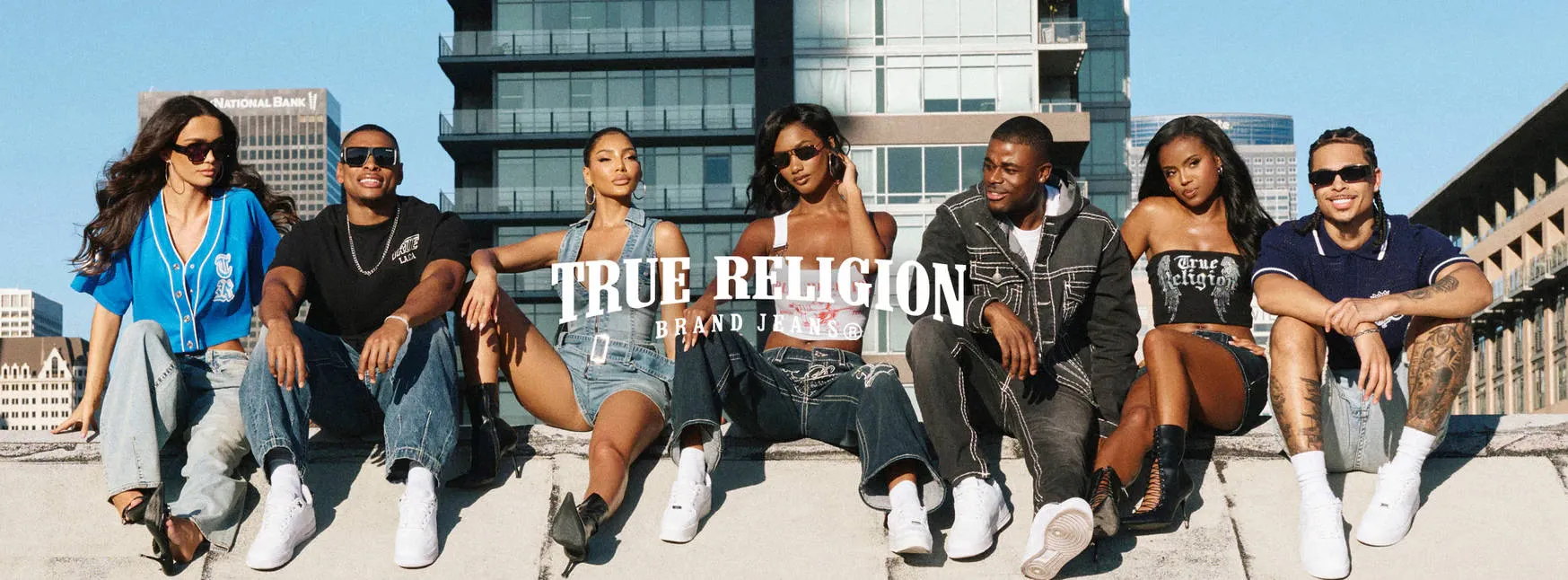
Finding a pair of vintage True Religion jeans at a fraction of the retail price feels like a major win—until you start questioning their authenticity. With their signature bold stitching and iconic horseshoe pockets, these jeans are a staple in streetwear history, making them a prime target for high-quality counterfeits. To help you avoid the sting of a "too-good-to-be-true" deal, we've put together a comprehensive breakdown of the key markers of genuine craftsmanship. Here is exactly how to spot the difference between the real deal and a clever imitation.
👖 True Religion Jeans Overview
1. Brand History & Cultural Impact
Founded in 2002, True Religion emerged during the "premium denim explosion." While competitors like 7 For All Mankind focused on sleek, minimalist fits, True Religion went in the opposite direction: maximalism.
-
The "Bling Era": In the mid-2000s, the brand became a status symbol in hip-hop culture. Its signature horseshoe pockets were name-dropped in lyrics and worn by icons like Jim Jones, Juelz Santana, and Lil Wayne.
-
The Revival (2020s): After facing business challenges and bankruptcy in 2017 and 2020, the brand has seen a massive resurgence driven by the Y2K fashion trend. New collaborations and a return to "heritage" styles have made them popular again with Gen Z.
2. Signature Design Elements
True Religion jeans are instantly recognizable due to three specific features:
The Super T Stitch
This is the brand's most famous innovation. They re-engineered sewing machines to use a five-needle thread process with only two stitches per inch. This creates a thick, "rope-like" contrast stitch that outlines the seams of the jeans.
The Horseshoe Motif
The embroidery on the back pockets is officially a horseshoe, though many mistakenly call it a "U" or "Omega." It is inspired by the silhouette of a smiling Buddha's mouth, representing luck and optimism.
The "Buddha" Logo
The leather waist patch typically features a "Smiling Buddha" playing a guitar. This reflects the founders' hippie-influenced philosophy that "denim is the one thing all religions have in common."
3. Understanding the "Stitch" Tiers
When shopping, you will see labels referring to the thickness of the thread:
-
Single T: Standard denim stitching.
-
Big T: Noticeably thicker, multi-thread stitching.
-
Super T: The thickest, most iconic "rope" stitch.
-
Super QT: An even more exaggerated, decorative four-needle stitch.
4. Who Should Buy True Religion Jeans?
✔️ You like statement denim
✔️ You're into Y2K / hip-hop fashion
✔️ You want recognizable branding
❌ Not ideal if you prefer minimal, clean denim (like APC or Levi's Made & Crafted)
But with popularity comes imitation. The resale market (from thrift stores to global platforms) is filled with convincing counterfeits. Below are the most important details to examine before making a purchase.
🧭 True Religion Jeans Real vs. Fake Guide
⚡ Quick Comparison Table
| Check Point | Authentic Characteristics | Red Flags |
| Stitching | Thick, even, high-density | Thin, uneven, loose threads |
| Horseshoe Logo | Symmetrical, clean | Distorted, inconsistent |
| Buddha Logo | Detailed, sharp | Blurry, poorly drawn |
| Tags | High-quality, no typos | Cheap, errors present |
| Hardware | Heavy, engraved | Light, unbranded |
| Denim | Thick, premium | Thin, low quality |
| Country Label | USA / Mexico (mostly) | Random or missing |
| Pocket Flaps | Structured, aligned | Crooked, flimsy |
| Style Code | Consistent | Random or missing |
| Wash Details | Natural, balanced | Artificial or messy |
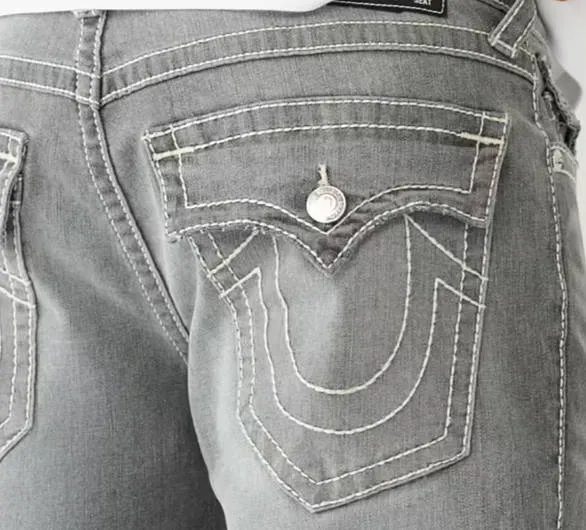
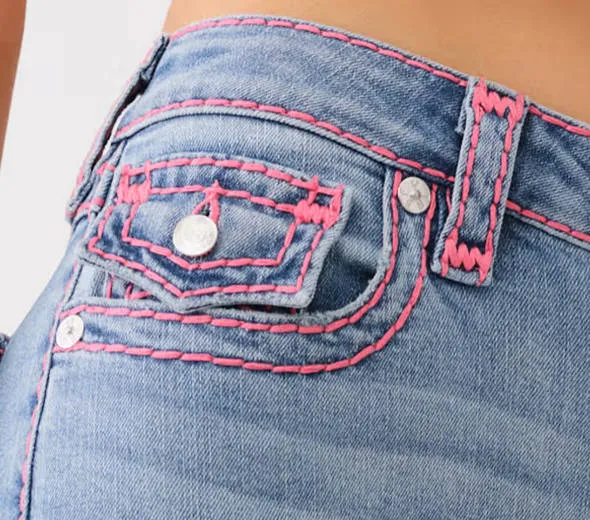
1. Signature Stitching
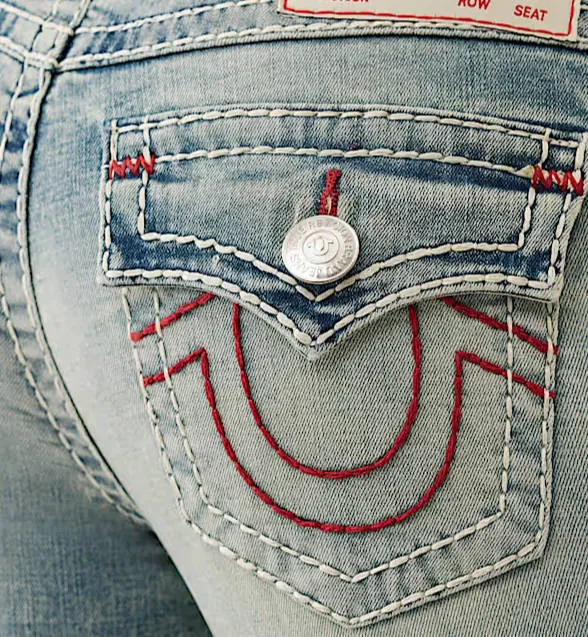
True Religion's stitching is iconic—and hard to replicate properly.
✔️ Real:
-
Thick, rope-like stitching
-
High contrast (often white or beige on blue denim)
-
Even spacing and symmetry
-
Double or triple stitch construction
❌ Fake:
-
Thin or flat stitching
-
Uneven or inconsistent spacing
-
Loose threads or fraying
-
Poor alignment across seams
💡 If the stitching looks cheap, the jeans are almost always fake.
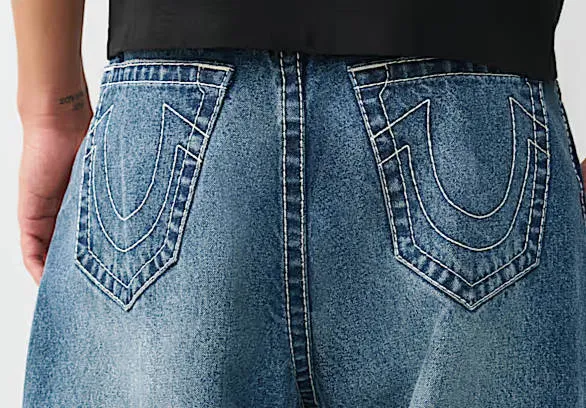
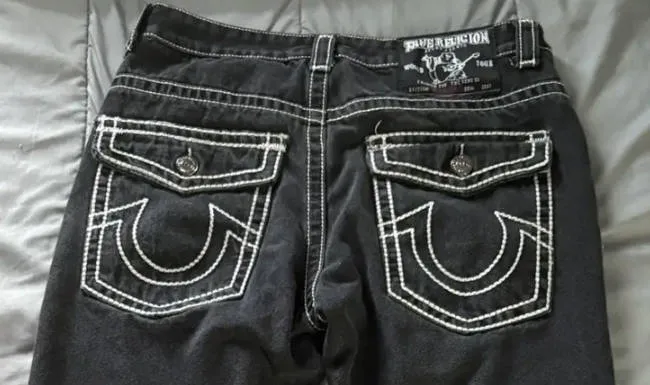
2. Horseshoe Logo
The horseshoe logo is the most recognizable feature.
✔️ Real:
-
Clean U-shape with consistent thickness
-
Ends are rounded and symmetrical
-
Stitch density is high and precise
❌ Fake:
-
Uneven or distorted shape
-
Too skinny or too thick lines
-
Asymmetrical or sloppy stitching
📌 Compare both back pockets—authentic pairs are nearly identical.
3. Buddha Logo
True Religion uses a smiling Buddha graphic on many tags.
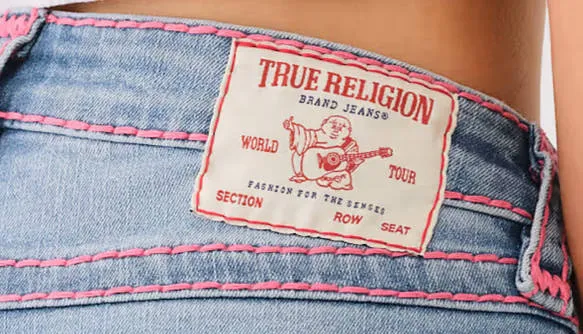
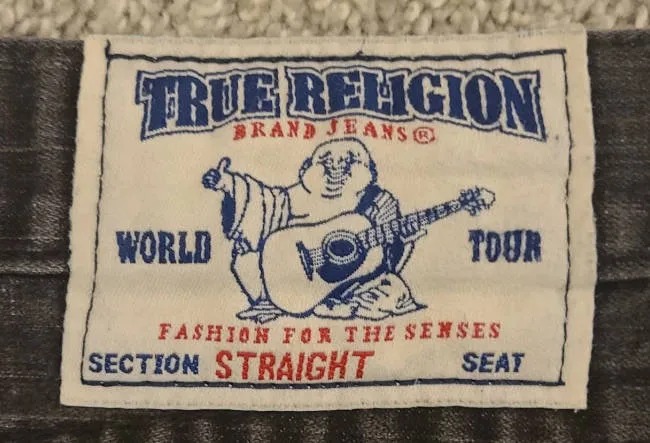
✔️ Real:
-
Clear, detailed facial features
-
Balanced proportions
-
Crisp print or embroidery
❌ Fake:
-
Blurry or pixelated face
-
Distorted proportions
-
Cheap printing quality
4. Interior Tags
This is one of the most reliable ways to spot fakes.
Key Tags to Examine:
A. Waistband Tag
-
Typically includes:
✧ Brand name
✧ Size
✧ Style name
B. Fabric Tag
-
Lists material composition (e.g., 100% cotton)
C. Care Label
-
Washing instructions
-
Country of origin
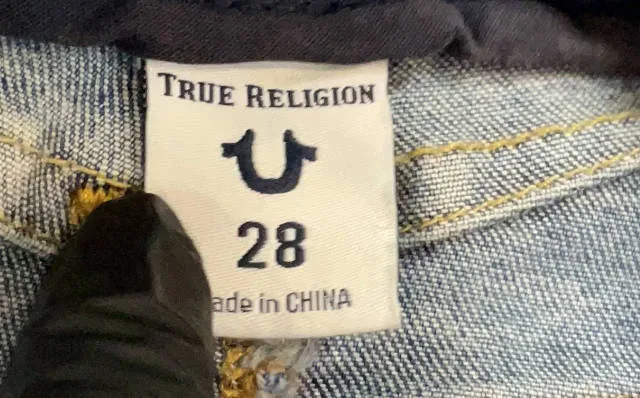
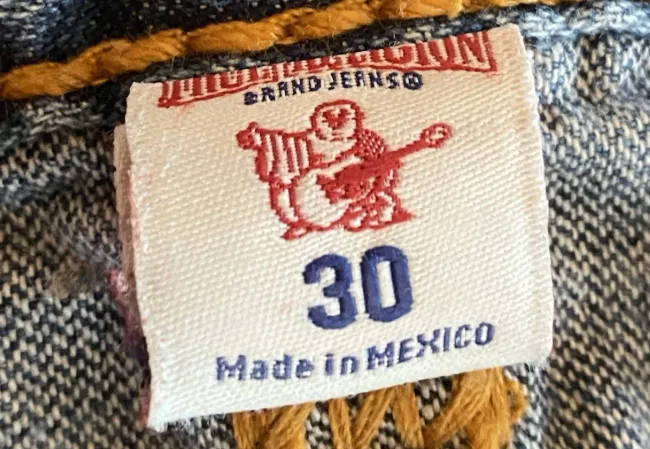
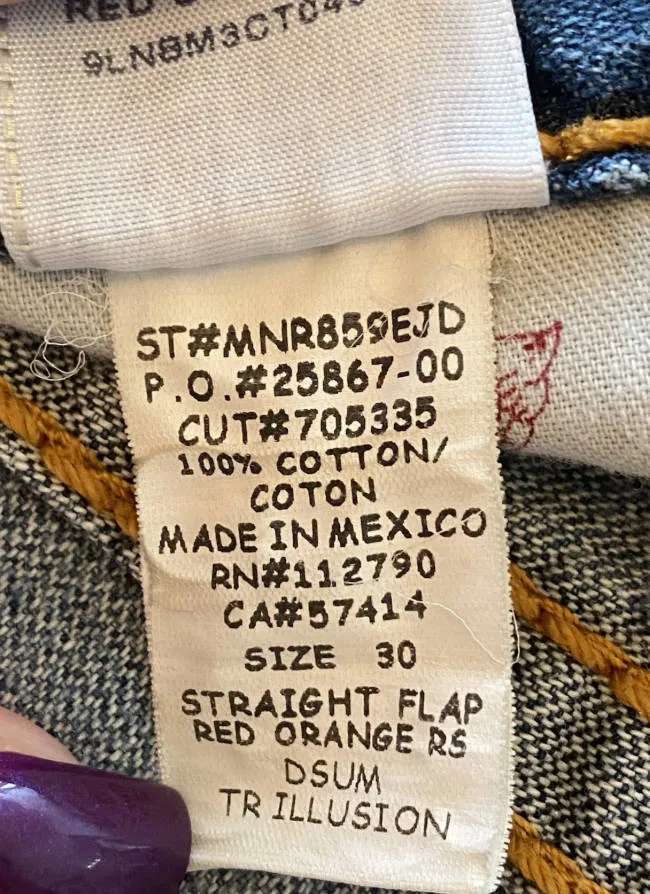
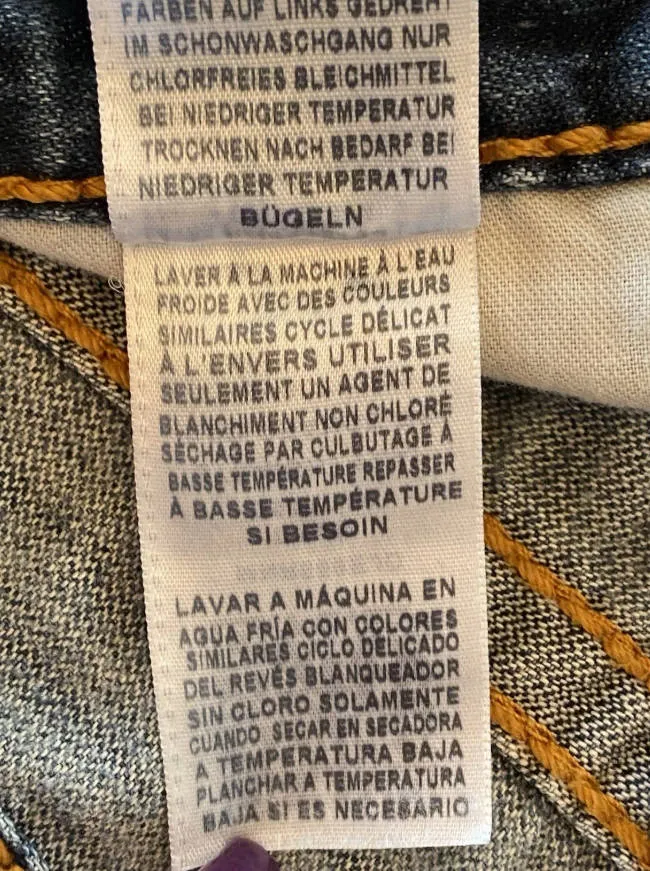
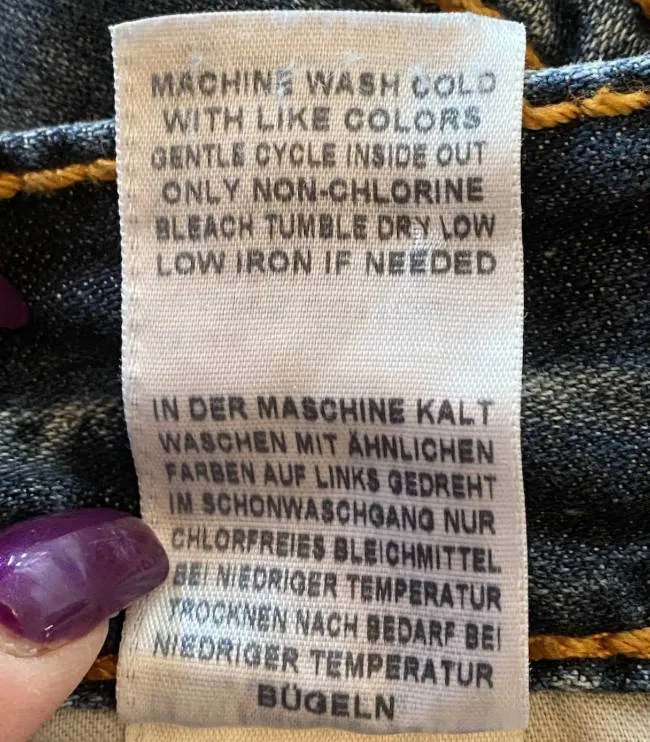
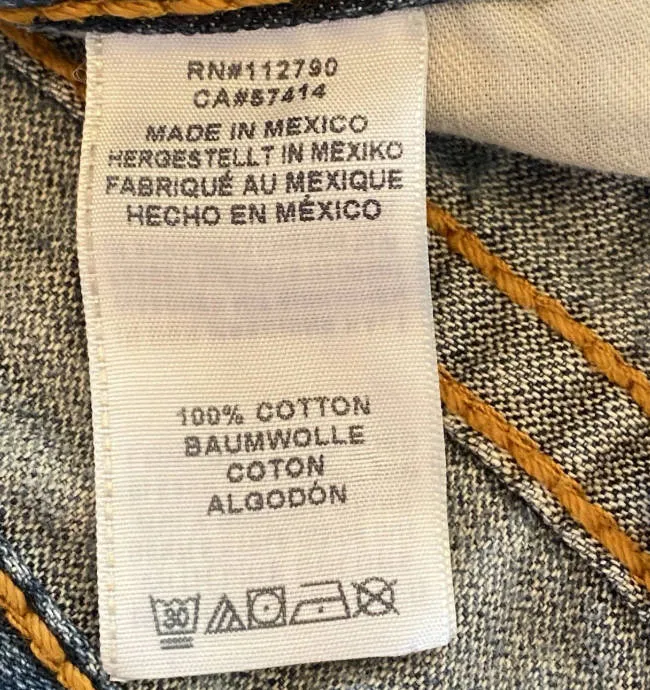
✔️ Real:
-
High-quality fabric labels (not paper-like)
-
Sharp, readable text
-
No spelling errors
-
Consistent fonts across tags
❌ Fake:
-
Thin, cheap material
-
Faded or blurry printing
-
Typos (e.g., "Religon" instead of Religion)
-
Misaligned stitching
5. Hardware (Buttons, Rivets, Zippers)
True Religion uses premium metal hardware.
✔️ Real:
-
Heavy, solid feel
-
Engraved branding (often “True Religion Brand Jeans”)
-
Smooth zipper movement
❌ Fake:
-
Lightweight, hollow feel
-
No engravings or incorrect logos
-
Rough or sticky zipper
6. Denim Quality & Feel
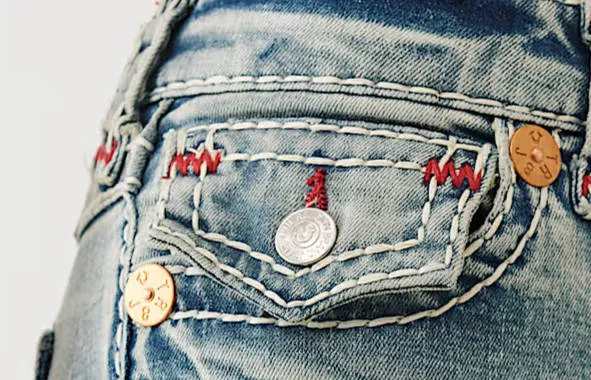
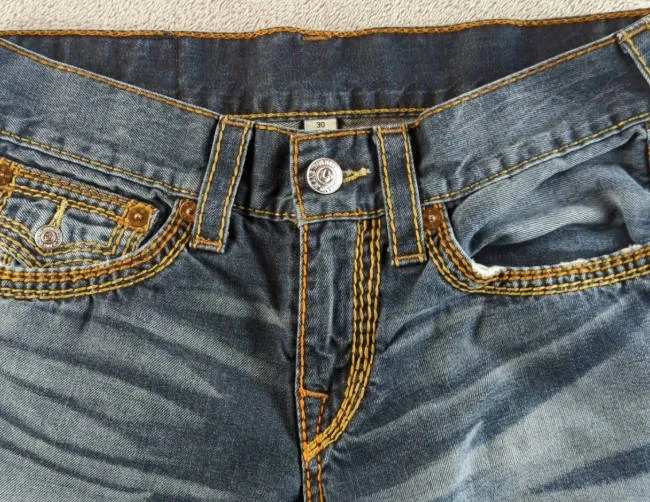
✔️ Real:
-
Thick, durable denim
-
Structured but softens with wear
-
Premium wash consistency
❌ Fake:
-
Thin or overly stiff material
-
Feels synthetic or cheap
-
Inconsistent fading or dye
7. Country of Manufacture
True Religion jeans are commonly made in:
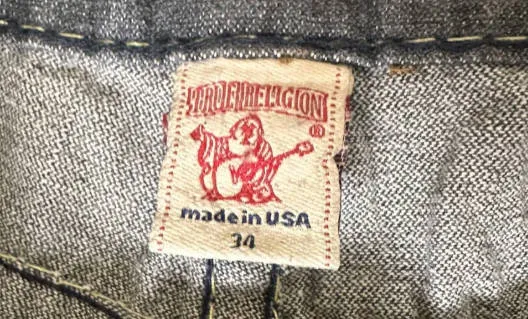
✔️ Real:
-
USA 🇺🇸
-
Mexico 🇲🇽
-
Occasionally other approved regions (with consistent labeling)
❌ Fake:
-
Random or inconsistent country tags
-
Missing origin label
⚠️ Always cross-check with other details—country alone isn't enough.
8. Pocket Flap Construction
Many styles feature flap pockets with buttons.
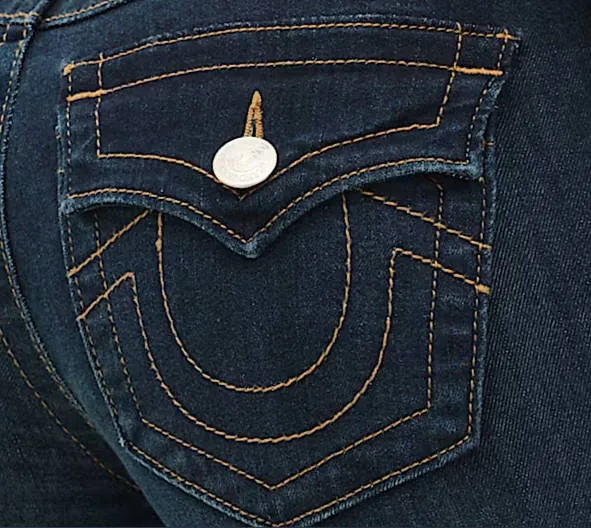
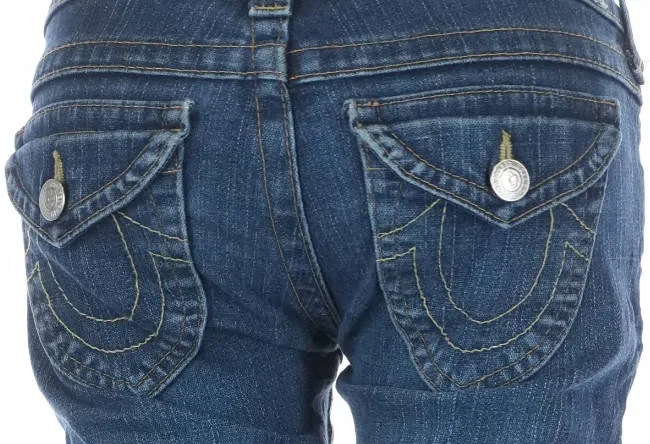
✔️ Real:
-
Thick stitching around flap edges
-
Button aligns perfectly with pocket center
-
Flap shape is symmetrical
❌ Fake:
-
Flimsy flaps
-
Misaligned buttons
-
Irregular shapes
9. Style Number & Product Info
Authentic jeans often include a style code or product identifier.
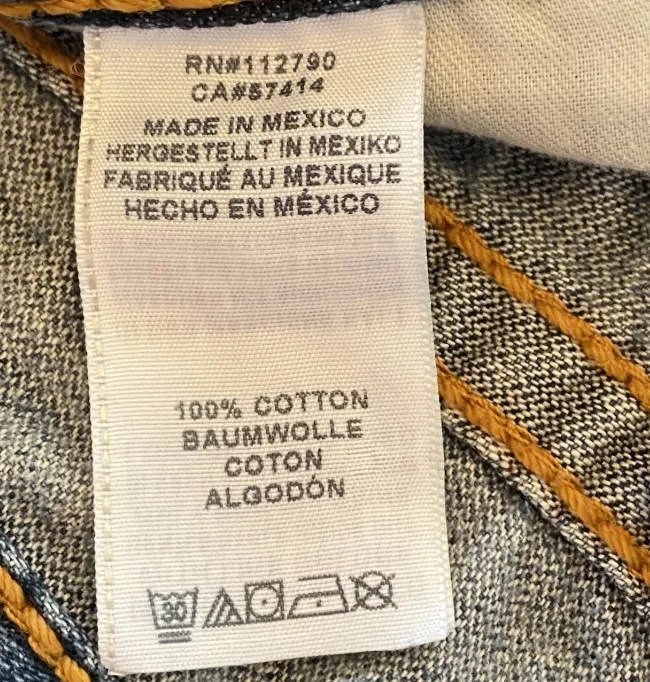
✔️ Real:
-
Matches brand format
-
Consistent across tags
❌ Fake:
-
Random numbers
-
Missing codes
-
Inconsistent labeling
10. Wash & Distressing Details
True Religion is known for distinct washes and distressing.
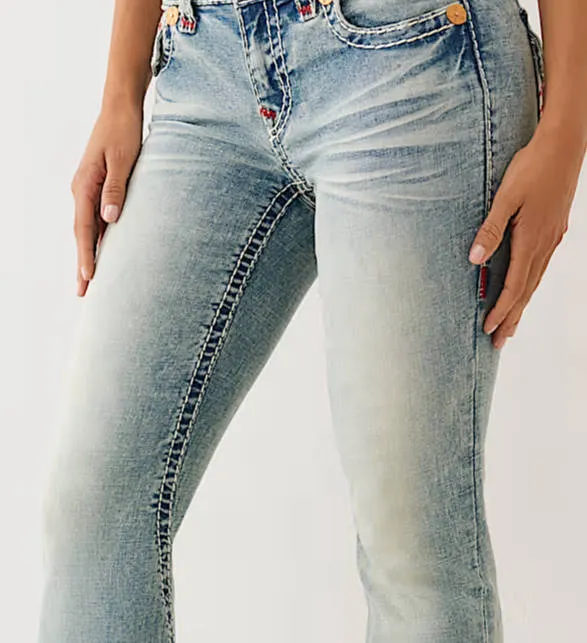
✔️ Real:
-
Natural fading patterns
-
Intentional distressing (clean cuts, not random damage)
❌ Fake:
-
Artificial-looking wear
-
Overdone or inconsistent fading
🧠 Pro Tips for Buyers
When Shopping Online:
-
Ask for close-up photos of tags and stitching
-
Avoid listings with stock photos only
-
Check seller reviews carefully
When Buying In Person:
-
Feel the denim weight
-
Inspect stitching under good lighting
-
Compare both pockets and tags
❓ FAQ: True Religion Authentication
Q1. Are all True Religion jeans made in the USA?
No. Many are made in Mexico or other regions. However, quality and labeling consistency matter more than country alone.
Q2. Do all pairs have the Buddha logo?
Most do, especially older or classic styles—but not all modern designs include it.
Q3. Are vintage True Religion jeans easier to fake?
Yes. Y2K-era styles are heavily counterfeited, especially bold stitch designs.
Q4. Can fake pairs have correct tags?
Some high-quality fakes try to replicate tags—but usually fail in:
-
Font consistency
-
Material quality
-
Stitching precision
Q5. Is price a reliable indicator?
Not always. Some fakes are sold at near-retail prices to appear authentic.
📝 Final Thoughts
Authenticating True Religion jeans comes down to attention to detail. While counterfeiters can copy the look, they often miss the craftsmanship—especially in stitching, logos, and tags.
If you remember just three things:
✔️ Check the stitching
✔️ Inspect the horseshoe logo
✔️ Verify the tags
—you’ll avoid most fakes instantly.
For high-value purchases, always combine multiple checkpoints, not just one.