The Omega Seamaster has long been a crown jewel for watch enthusiasts, but its immense popularity has also made it a prime target for high-end counterfeiters. As 'super clones' become increasingly sophisticated, telling a genuine timepiece from a convincing imitation requires a keen eye for detail. In this comprehensive guide, we break down the subtle nuances to ensure your next luxury investment is the real deal.
⌚ Omega Seamaster Watch Overview
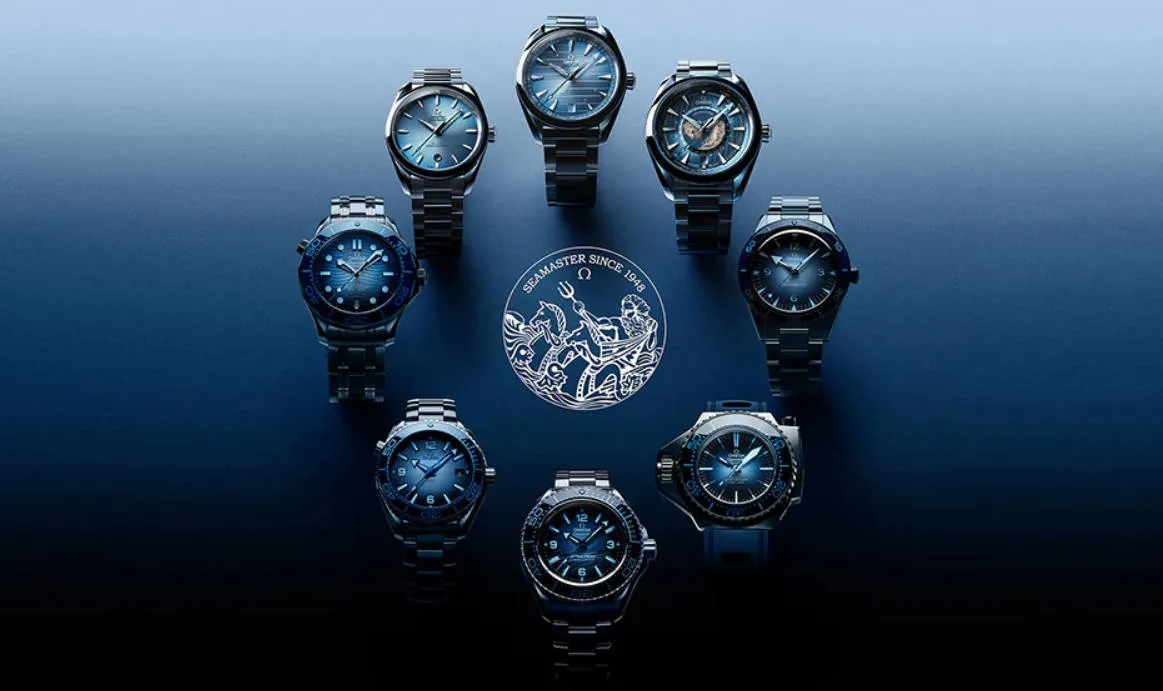
The Omega Seamaster is one of the most iconic luxury watch collections from Omega SA, first introduced in 1948. Originally designed as a water-resistant dress watch, it has evolved into a full-fledged professional dive watch lineup and remains the longest-running collection in Omega's history.
1. History & Legacy
-
1948 Launch: Created to celebrate Omega's 100th anniversary, inspired by waterproof watches used in WWII.
-
Innovation: Early models introduced O-ring gasket technology, improving water resistance and durability.
-
1950s–60s: Transitioned into true dive watches (e.g., Seamaster 300).
-
Modern Era: Became globally famous through its association with James Bond, worn since 1995.
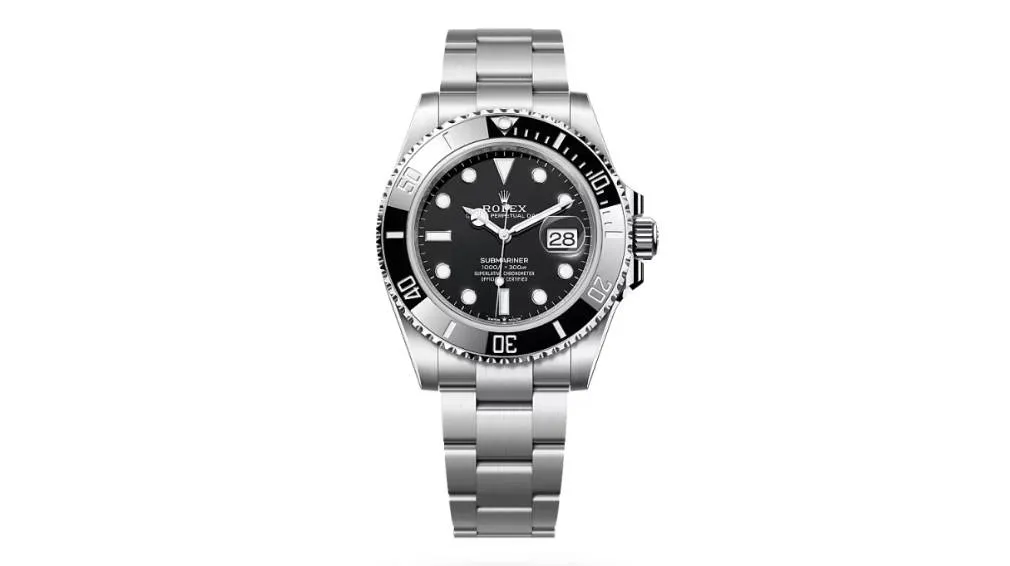
👉 Today, the Seamaster competes directly with watches like the Rolex Submariner.
2. Core Design DNA
Across all models, the Seamaster shares key characteristics:
① Build & Materials
-
Stainless steel, titanium, ceramic, or precious metals
-
Sapphire crystal (scratch-resistant)
-
Screw-down crown for water resistance
② Water Resistance
-
Ranges from 150m to 6000m+, depending on the model
③ Movement Technology
-
Co-Axial escapement (reduced friction, longer service intervals)
-
Master Chronometer certification (high precision + anti-magnetic up to 15,000 gauss)
④ Signature Design Elements
-
Wave-pattern dials (Diver 300M)
-
Helium escape valve (professional dive models)
-
Sporty yet versatile aesthetic
3. Technology Highlights
① Co-Axial Escapement
-
Invented by George Daniels
-
Reduces friction vs traditional Swiss lever
-
Improves long-term accuracy
② Anti-Magnetism
-
Resistant to 15,000 gauss (far beyond typical watches)
-
Solves one of the biggest causes of mechanical inaccuracy
③ Extreme Engineering
-
The Planet Ocean Ultra Deep reached 10,928m in the Mariana Trench, setting a world record
But with popularity comes imitation. The market is flooded with increasingly convincing replicas, making it harder than ever to tell real from fake—especially online. Below are the most important details to examine before making a purchase.
🧭 Omega Seamaster Watch Real vs. Fake Guide
⚡ Quick Comparison Table
| Check Point | Authentic Characteristics | Red Flags |
| Dial Printing | Crisp, razor-sharp | Blurry, uneven text |
| Logo | Applied, precise | Printed or misaligned |
| Movement | Smooth sweep (mechanical) | Ticking quartz motion |
| Caseback | Deep engravings | Shallow or incorrect |
| Bezel | Solid, precise clicks | Loose or misaligned |
| Helium Valve | Functional & aligned | Decorative or crooked |
| Lume | Bright, long-lasting | Weak or inconsistent |
| Crystal | Sapphire, anti-reflective | Cheap glass, reflective |
| Serial Number | Unique, engraved | Missing or duplicated |
| Weight & Feel | Heavy, premium | Light, hollow |
1. Dial Printing & Details
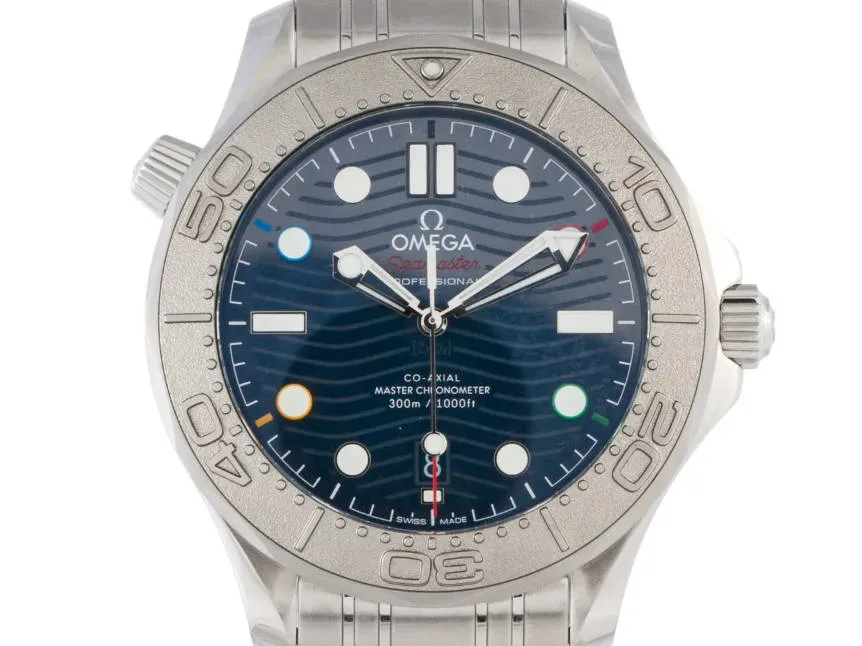
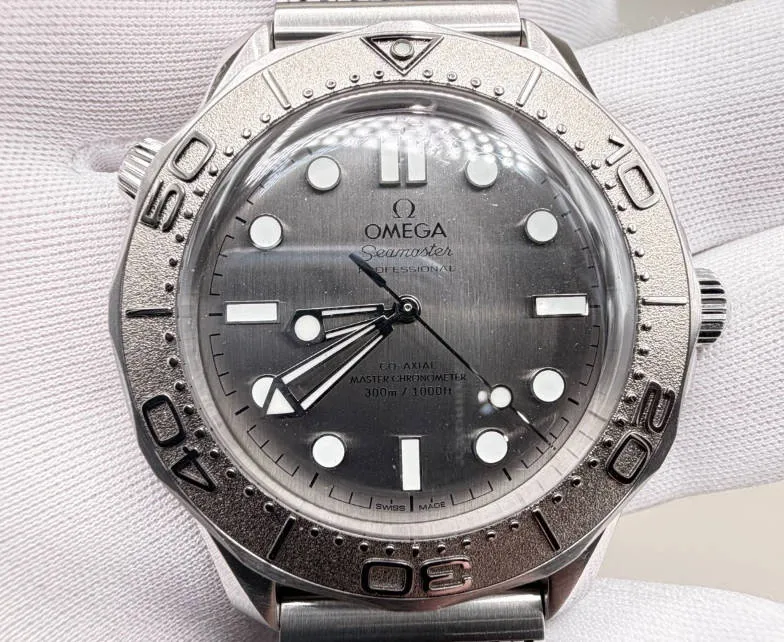
The dial is where Omega showcases its precision craftsmanship.
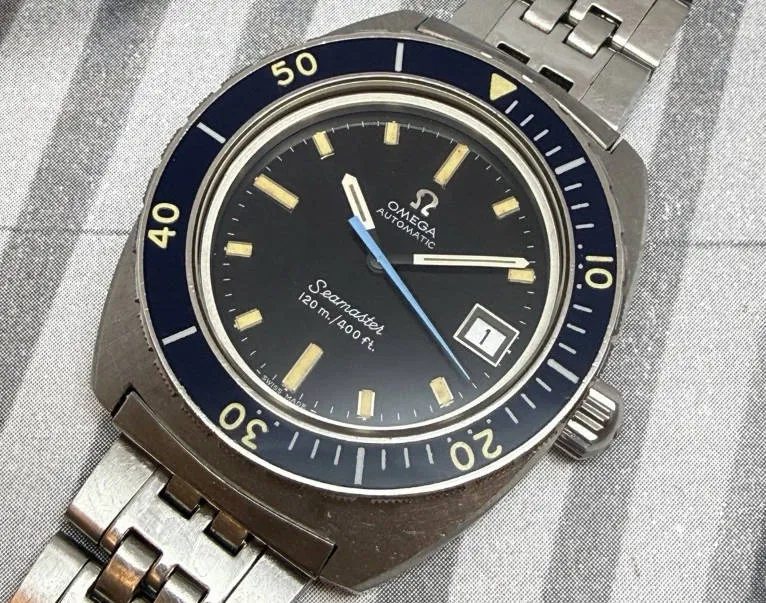
✔️ Real:
-
Ultra-sharp text (no bleeding under magnification)
-
Even spacing between letters
-
Perfectly aligned indices and markers
-
Signature wave pattern (on many Seamaster models) is clean and consistent
❌ Fake:
-
Blurry or fuzzy printing
-
Uneven spacing or crooked text
-
Misaligned hour markers
-
Poorly executed wave pattern
💡 Pro Tip: Use a loupe—authentic dials remain crisp even under magnification.
2. Omega Logo & Branding
The Omega logo is a critical authentication detail.
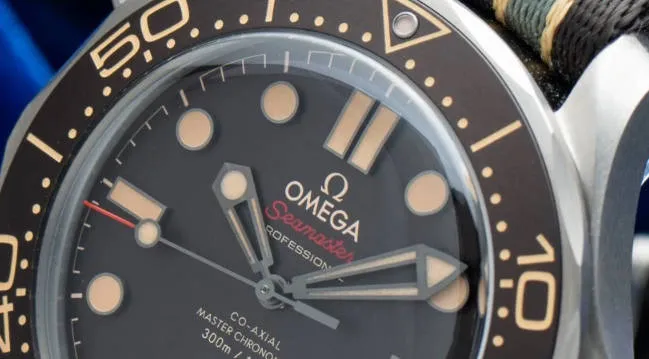
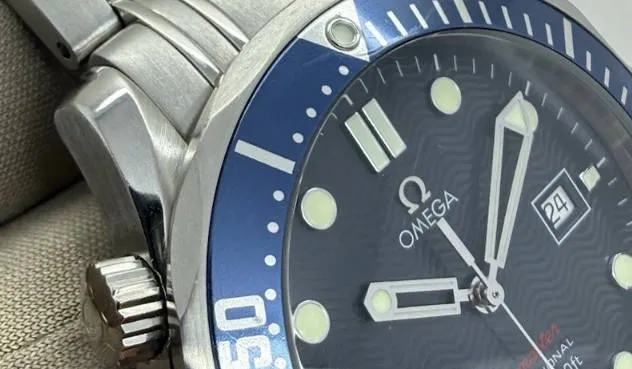
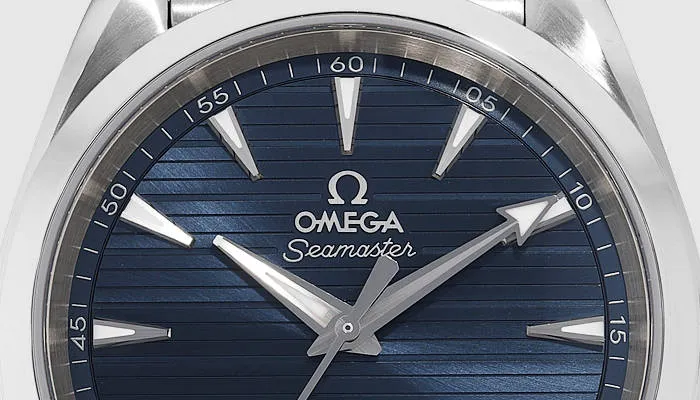
✔️ Real:
-
Applied metal logo (not printed) on most models
-
Clean edges and polished finish
-
Perfect alignment with dial text
❌ Fake:
-
Printed or flat logo
-
Rough edges or fading
-
Slightly off-center placement
3. Movement (Quartz vs. Automatic Sweep)
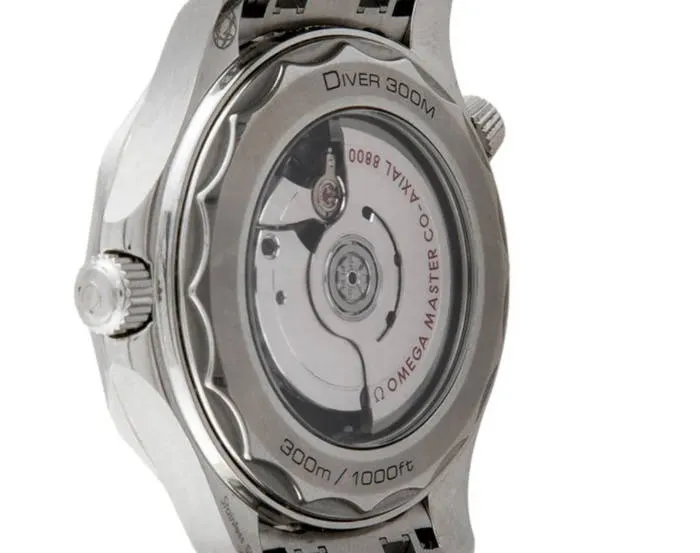
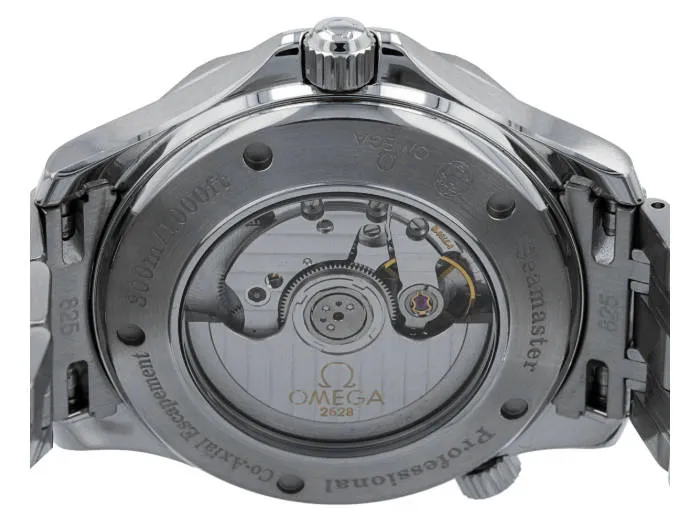
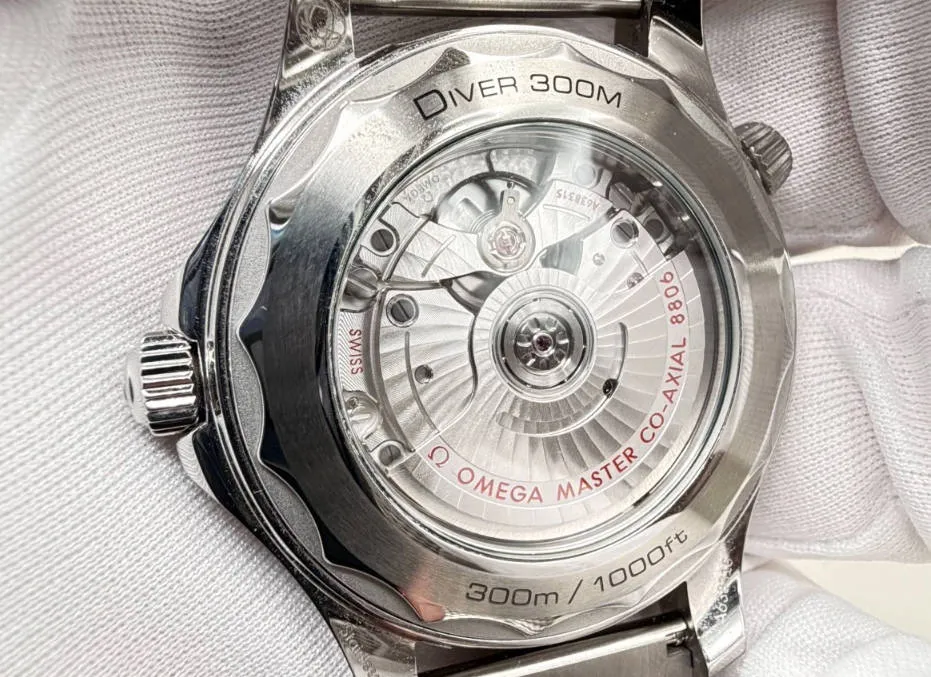
Most Seamasters use automatic movements like the Co-Axial calibers.
✔️ Real:
-
Smooth sweeping second hand (8–10 beats per second)
-
Silent or near-silent movement
-
Powered by in-house automatic movement
❌ Fake:
-
Noticeable ticking (1-second jumps)
-
Loud ticking sound
-
Cheap quartz movement in models that should be automatic
4. Caseback Engravings
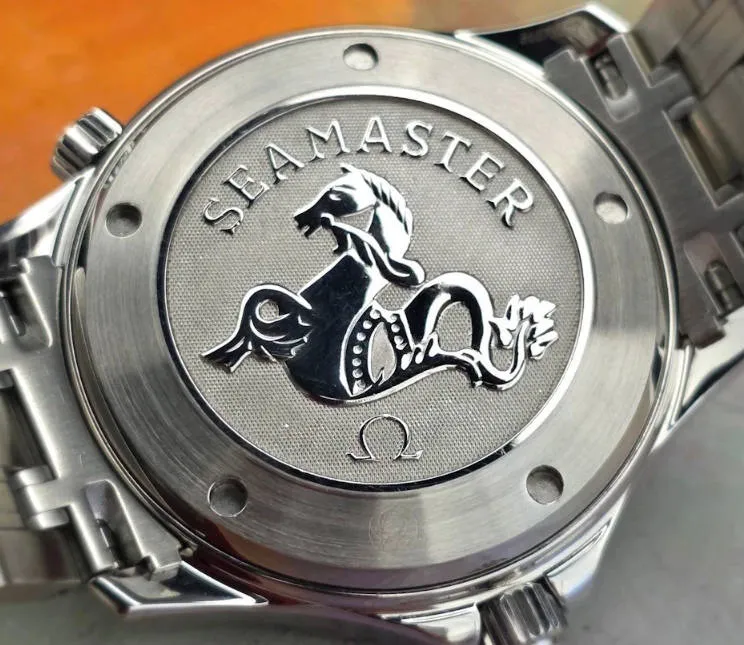
The caseback often features the iconic Seamaster hippocampus logo.
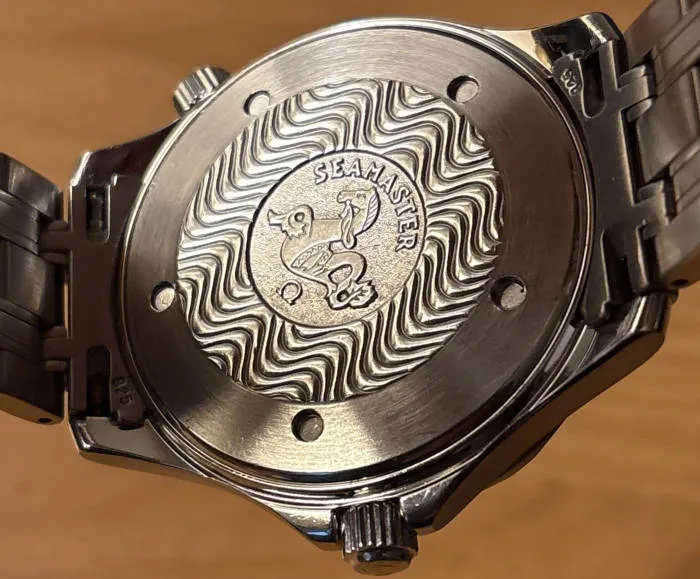
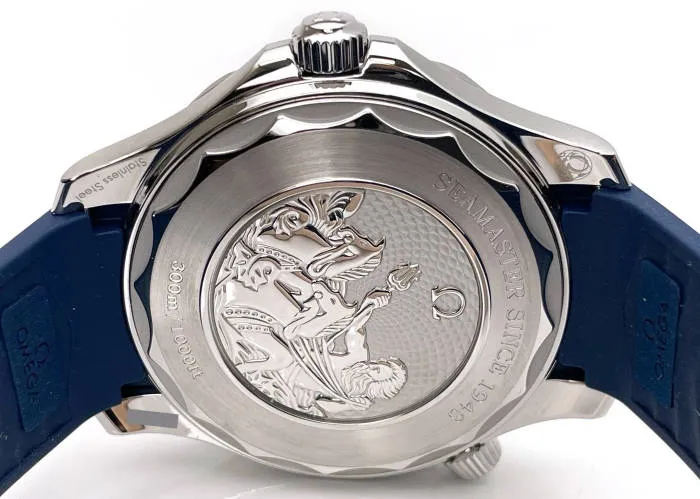
✔️ Real:
-
Deep, detailed engravings
-
Crisp edges and high-relief design
-
Correct fonts and spacing
❌ Fake:
-
Shallow or laser-etched appearance
-
Incorrect or missing hippocampus logo
-
Poor finishing
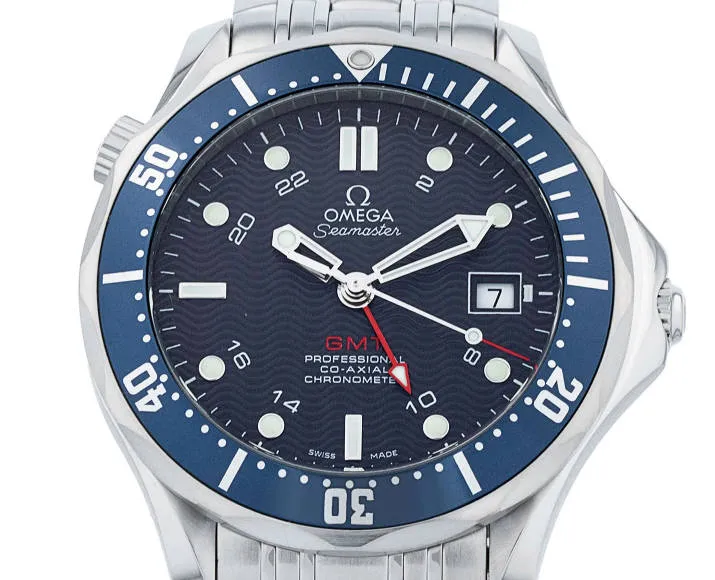
5. Bezel Quality & Rotation
Dive bezels are engineered for precision.
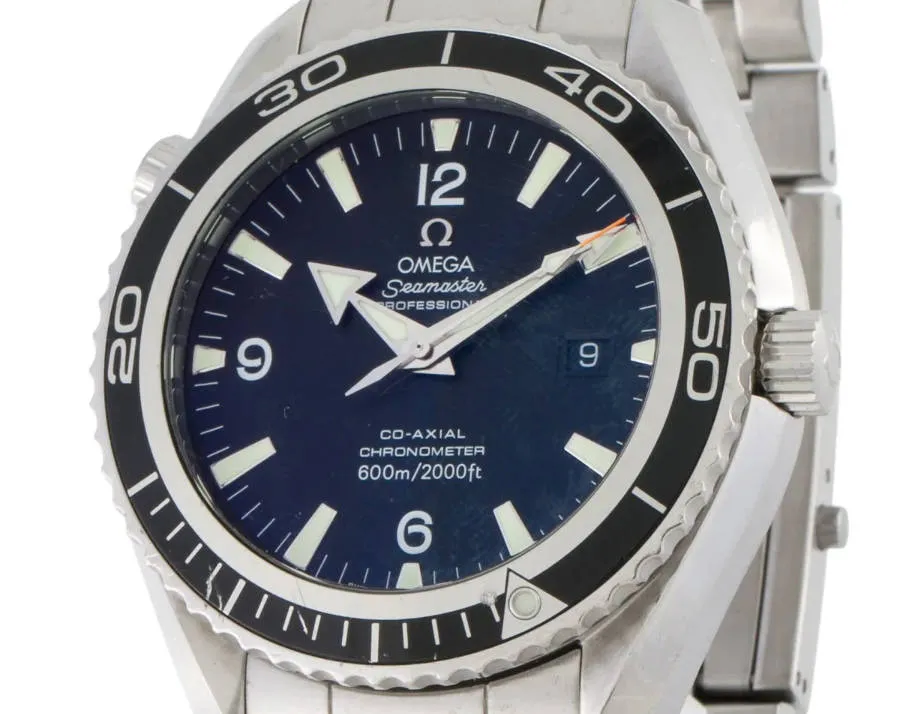
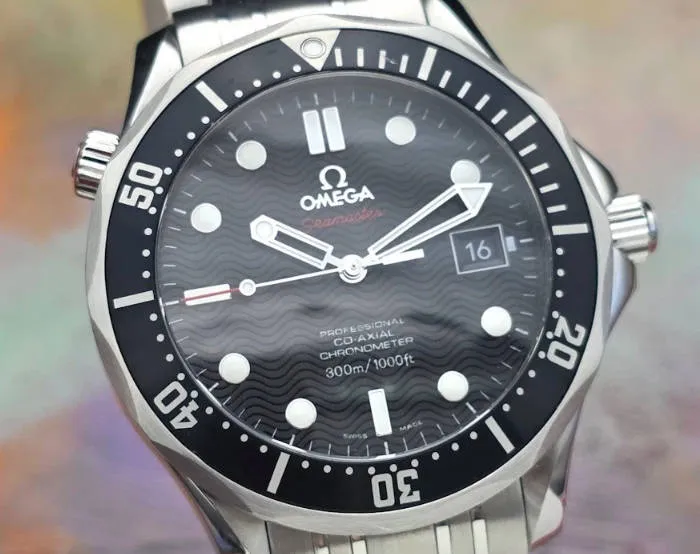
✔️ Real:
-
Firm, consistent clicks (usually 120-click unidirectional)
-
Perfect alignment at 12 o'clock
-
Solid ceramic or aluminum insert
❌ Fake:
-
Loose or wobbly bezel
-
Misaligned markers
-
Cheap-feeling rotation
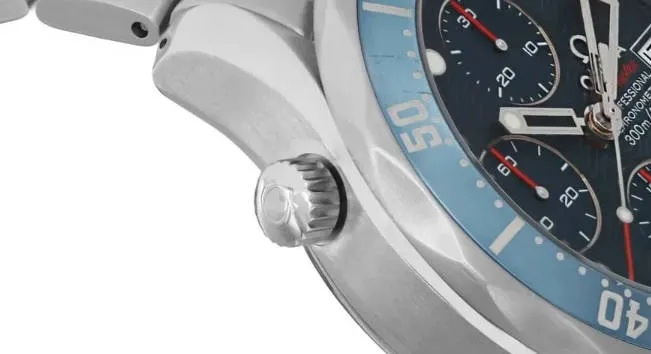
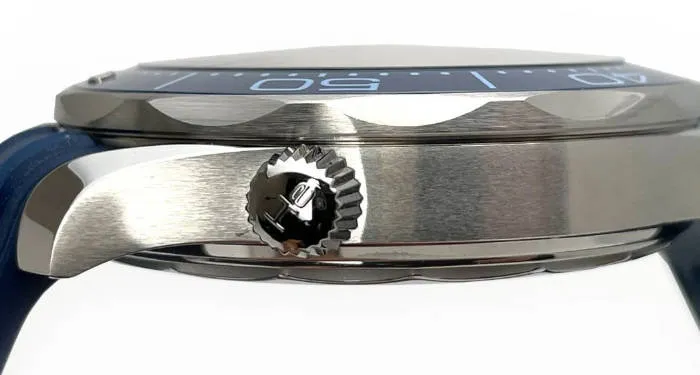
6. Helium Escape Valve (Key Seamaster Feature)
A defining feature of many Seamaster models.
✔️ Real:
-
Positioned at 10 o'clock
-
Screws in/out smoothly
-
Solid construction and alignment
❌ Fake:
-
Crooked placement
-
Non-functional (purely decorative)
-
Loose or poorly machined
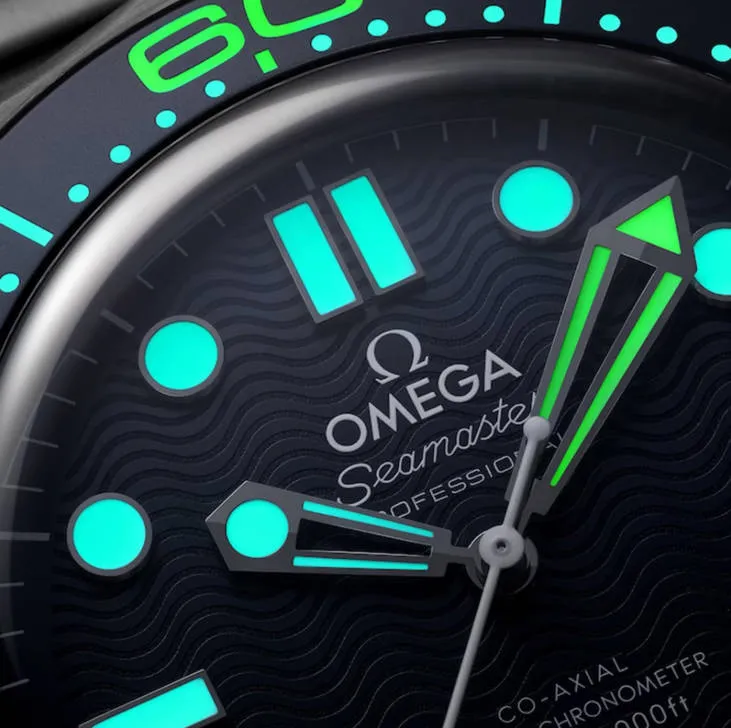
7. Lume (Glow Quality)
Omega uses high-grade luminous materials.

✔️ Real:
-
Bright, even glow
-
Long-lasting (hours of visibility)
-
Consistent color across markers and hands
❌ Fake:
-
Weak or fading quickly
-
Uneven brightness
-
Different colors on hands vs. markers
📌 Test lume in a dark room—authentic pieces perform significantly better.
8. Crystal (Sapphire vs. Mineral Glass)
Seamaster watches use premium sapphire crystal.
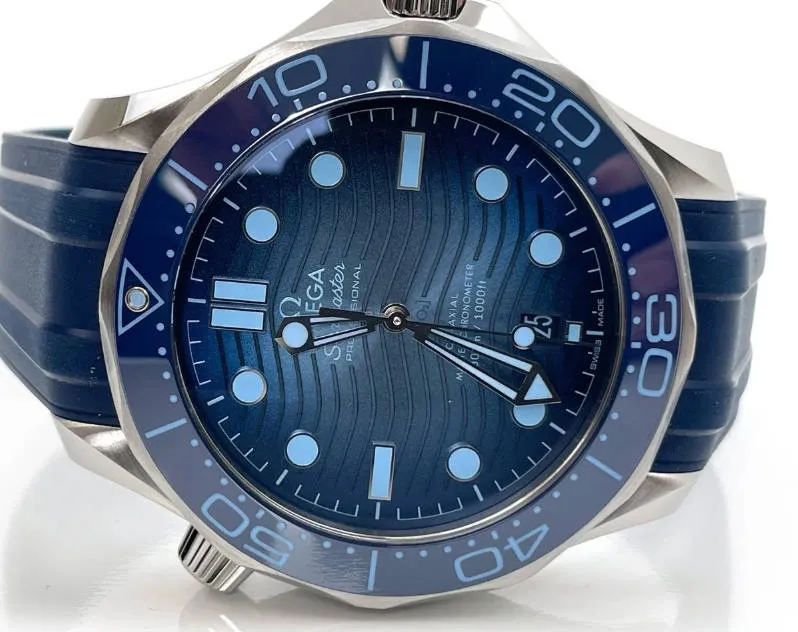
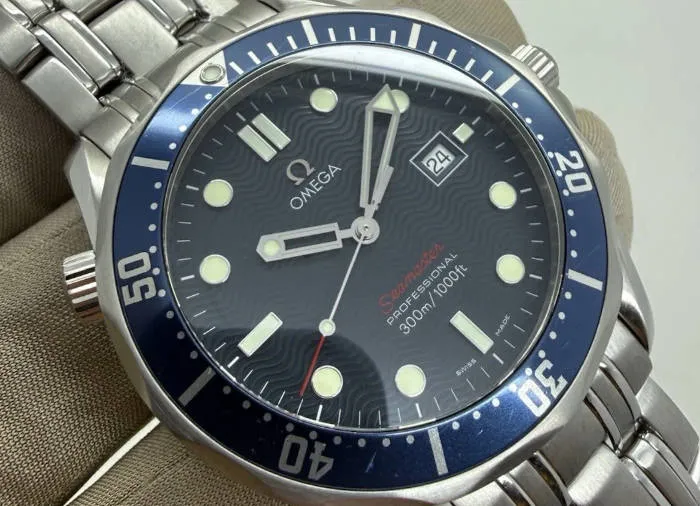
✔️ Real:
-
Scratch-resistant sapphire
-
Anti-reflective coating (slightly blue hue)
-
Minimal glare
❌ Fake:
-
Easily scratched glass
-
Strong reflections
-
No AR coating
9. Serial Number & Documentation
Every authentic Omega watch has a unique serial number.
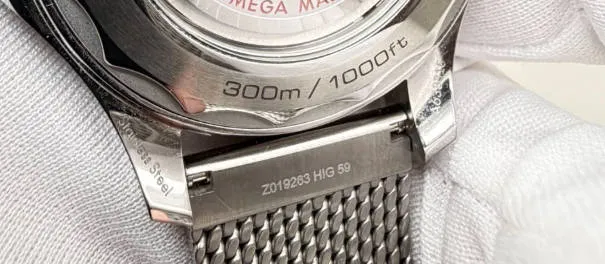
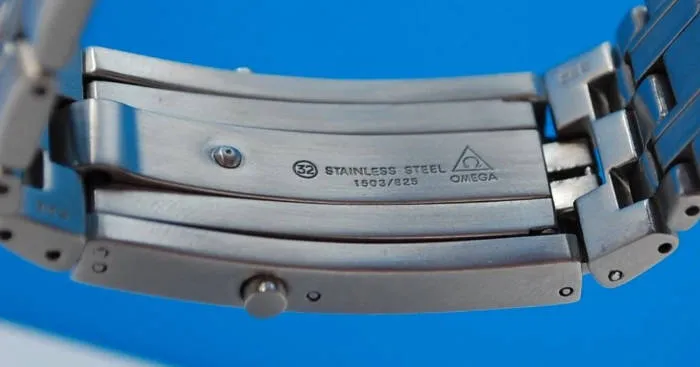
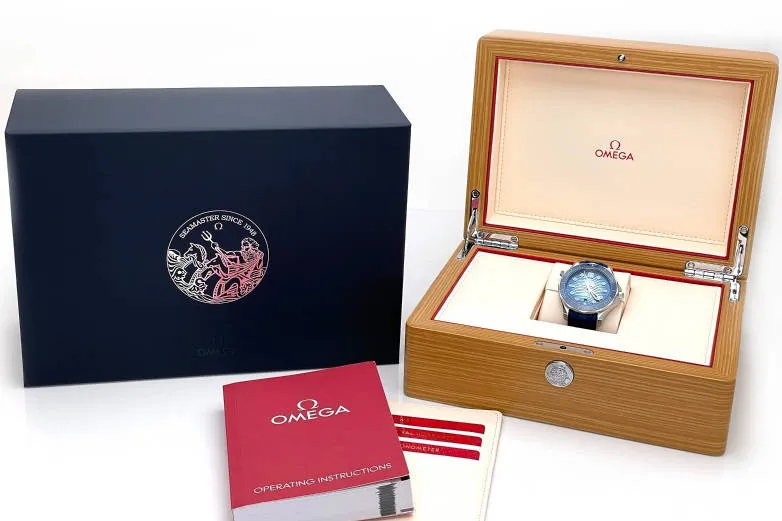
✔️ Real:
-
Deeply engraved serial (usually on case or lug)
-
Matches warranty card and box
-
Unique and traceable
❌ Fake:
-
Light or etched serial
-
Missing or repeated numbers
-
No matching paperwork
⚠️ Always verify serial consistency across all components.
10. Weight, Materials & Overall Feel
Luxury watches feel different—instantly.
✔️ Real:
-
Solid stainless steel construction
-
Balanced weight
-
Smooth edges and finishing
❌ Fake:
-
Lightweight or hollow feel
-
Rough edges
-
Cheap bracelet or clasp
🧠 Pro Tips for Buyers
When Shopping Online:
-
Request macro photos of dial, caseback, and serial
-
Avoid listings using only stock images
-
Compare with official Omega website images
-
Check seller history and reviews
When Buying In Person:
-
Test bezel rotation and crown
-
Inspect lume in low light
-
Listen for ticking vs. sweeping movement
-
Compare weight with a known authentic piece
❓ FAQ: Omega Seamaster Watch Authentication
Q1. Do all Seamaster watches have automatic movements?
No. While most are automatic, some quartz models exist. Always verify the specific reference.
Q2. Is the helium escape valve always functional?
On authentic models, yes. On fakes, it's often decorative or poorly made.
Q3. Can fake Seamasters have correct serial numbers?
Some high-end replicas copy serials—but they often:
-
Repeat across multiple watches
-
Don't match documentation
-
Lack proper engraving depth
Q4. Is sapphire crystal easy to verify?
Yes. Sapphire:
-
Resists scratches
-
Shows minimal glare
-
Often has anti-reflective coating
Q5. Are older Seamaster models easier to fake?
Yes—especially popular versions like the Seamaster Diver 300M.
Q6. Does price indicate authenticity?
Not reliably. Some fakes are sold at near-retail prices to appear genuine.
📝 Final Thoughts
Authenticating an Omega Seamaster comes down to precision and consistency. Counterfeiters may replicate the look—but rarely the engineering.
If you remember just three things:
✔️ Inspect the dial and logo closely
✔️ Check the movement (smooth vs. ticking)
✔️ Verify serial numbers and engravings
—you'll eliminate most fakes instantly.
For high-value purchases, always combine multiple checkpoints, not just one. When in doubt, consult an authorized dealer or professional authenticator.