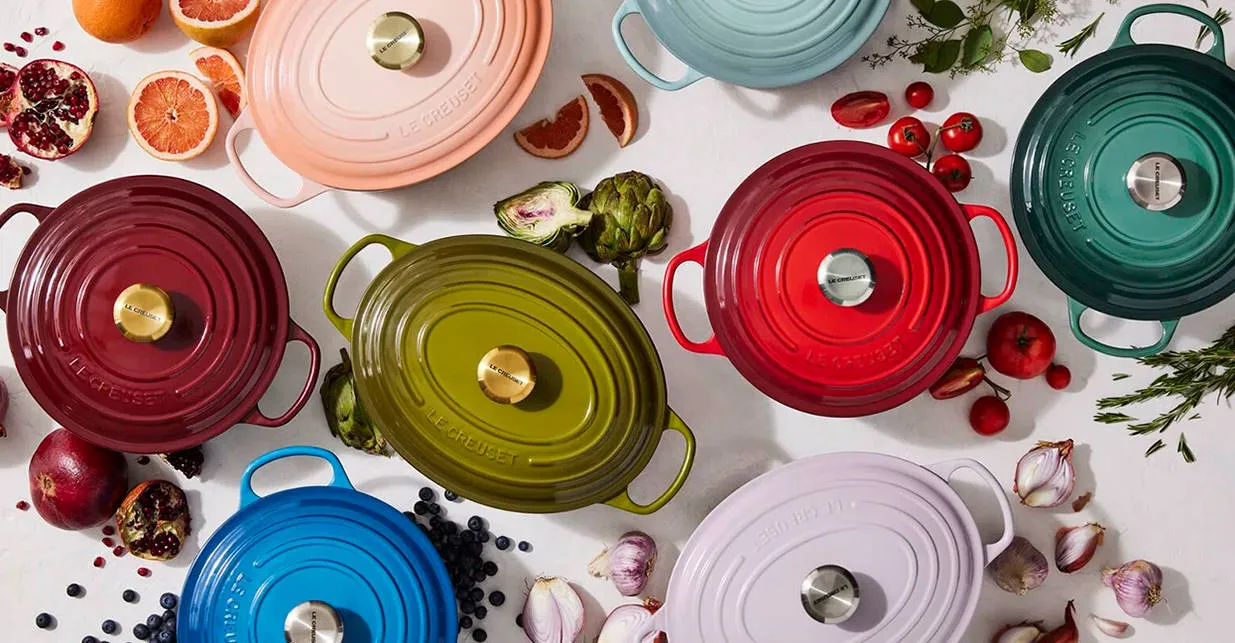
Le Creuset is more than just cookware; for many, it's a culinary heirloom. However, with its premium price tag comes an influx of convincing counterfeits flooding the market. How can you tell if that "too-good-to-be-true" deal on a Dutch oven is actually a steal or just a scam? In this guide, we dive into the subtle hallmarks of an authentic French-made classic—from the precision of the lid's lettering to the unique "sand-colored" interior—to help you distinguish genuine craftsmanship from cheap imitations.
🍳 Le Creuset Overview
Founded in 1925 in Fresnoy-le-Grand, France, Le Creuset (French for "the crucible") has become the global benchmark for premium enameled cast iron. Celebrating its 100th anniversary in 2025, the brand is renowned for blending industrial-strength durability with high-fashion aesthetics.
1. History and Heritage
The brand was born from an unlikely partnership between two Belgian industrialists: Armand Desaegher (a casting specialist) and Octave Aubecq (an enameling expert).
-
The Innovation: Before Le Creuset, cast iron was functional but dull and prone to rusting. By perfecting the process of coating cast iron in multiple layers of vitreous enamel, the founders created a vessel that was colorful, rust-proof, and easy to clean.
-
The Iconic "Flame": Their first color, Volcanique (Flame), was inspired by the glowing orange hue of molten iron in the foundry's crucible.
-
Cultural Impact: Le Creuset gained massive popularity in the U.S. during the 1960s, famously becoming the favorite of chef Julia Child. Her original Le Creuset pot is now part of the Smithsonian Institution's collection.
2. The Manufacturing Process
While Le Creuset has expanded its product lines, its core enameled cast iron is still produced in the original French foundry.
-
Individual Molds: Every single piece of cast iron is cast in its own unique sand mold. After the iron is poured and cooled, the mold is broken, meaning no two pots are ever exactly identical.
-
Hand-Craftsmanship: Each pot passes through the hands of approximately 15 to 40 skilled artisans who sand, grind, and inspect it for even the tiniest flaws.
-
The Enamel Layers:
✧ Ground Coat: A clear primer that bonds to the iron and prevents rust.
✧ Color Coat: A vibrant layer of pigmented enamel.
✧ Finishing Coat: Often a gradated layer that gives the brand its signature "ombré" look.
-
Quality Control: Approximately 30% of pieces are rejected during the process due to minor imperfections. These are melted down and recycled to create new pots.
3. Core Product Materials
Although famous for cast iron, the brand has diversified into several other high-quality materials:
|
Material |
Best For |
Key Features |
|
Enameled Cast Iron |
Slow cooking, braising, roasting, baking bread. |
Superior heat retention; light-colored interior for monitoring browning. |
|
Stoneware |
Casseroles, baking, marinating, serving. |
Resists moisture absorption; oven, microwave, and freezer safe. |
|
Stainless Steel |
Searing, sautéing, boiling. |
Tri-ply construction with a full aluminum core for rapid, even heating. |
|
Toughened Non-Stick |
Eggs, delicate fish, low-fat cooking. |
Triple-reinforced PFOA-free coating; extremely durable for non-stick. |
|
Enamel on Steel |
Stockpots and tea kettles. |
Lightweight and heats water very quickly. |
4. Why It's So Popular
① Performance
- Ideal for slow cooking, braising, stews, baking bread
② Longevity
-
Often lasts decades (or generations)
-
Considered "heirloom cookware"
③ Brand Prestige
- Recognized globally as a premium kitchen brand
④ Versatility
- One pot can replace multiple tools
If you're investing in premium cookware, few names carry as much weight as Le Creuset. Known for its iconic enameled cast iron, heritage craftsmanship, and lifetime durability, it's also one of the most frequently counterfeited cookware brands in the resale market. Below are the most important details to examine before making a purchase.
🧭 Le Creuset Real vs. Fake Guide
⚡ Quick Comparison Table
| Check Point | Authentic Characteristics | Red Flags |
| Enamel Finish | Smooth, glossy, even coating | Bubbly, dull, uneven |
| Weight | Heavy, solid cast iron | Too light or oddly balanced |
| Base Markings | Clean, centered, embossed details | Crooked, shallow, or missing |
| Lid Fit | Snug, flush alignment | Loose, rattling lid |
| Knob | Branded, heat-resistant, secure | Cheap, unbranded, wobbly |
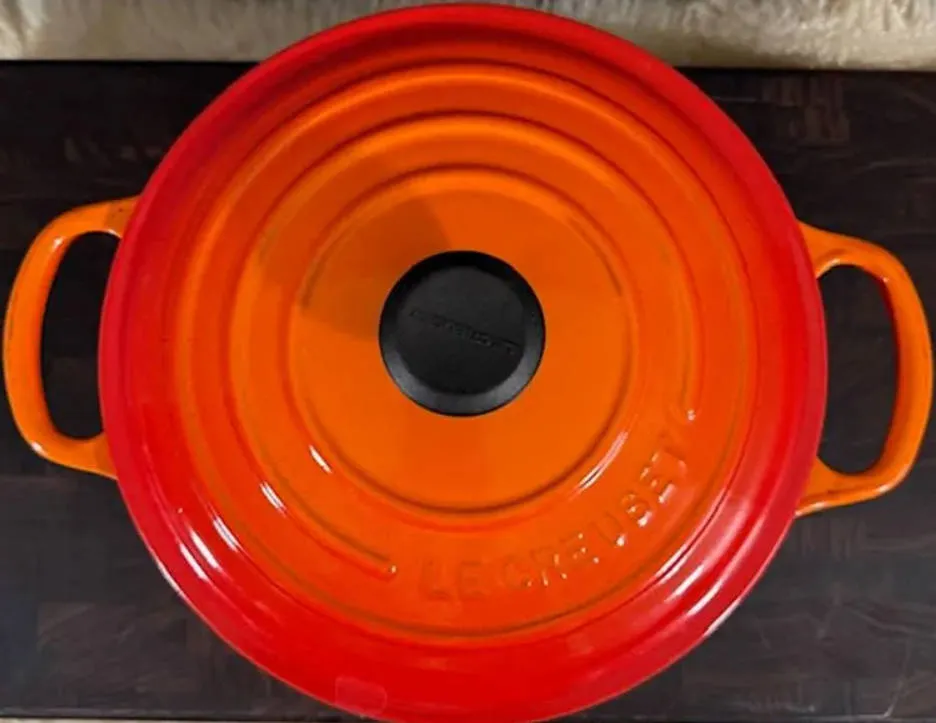
| Color Consistency | Signature gradient or solid tone | Patchy or off-brand color |
| Interior Enamel | Light sand-colored or black satin (model dependent) | Bright white or rough texture |
| Packaging | Premium box, inserts, care guide | Generic or missing packaging |
| Origin Label | Made in France (most cast iron) | Missing or incorrect origin |
1. Signature Enamel Finish
The enamel coating is one of the most defining features of Le Creuset cookware—and one of the hardest for counterfeiters to replicate.
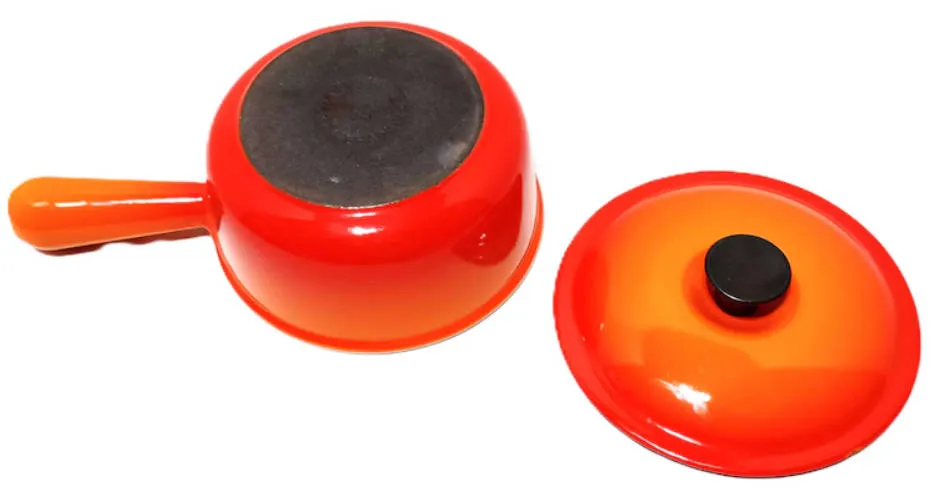
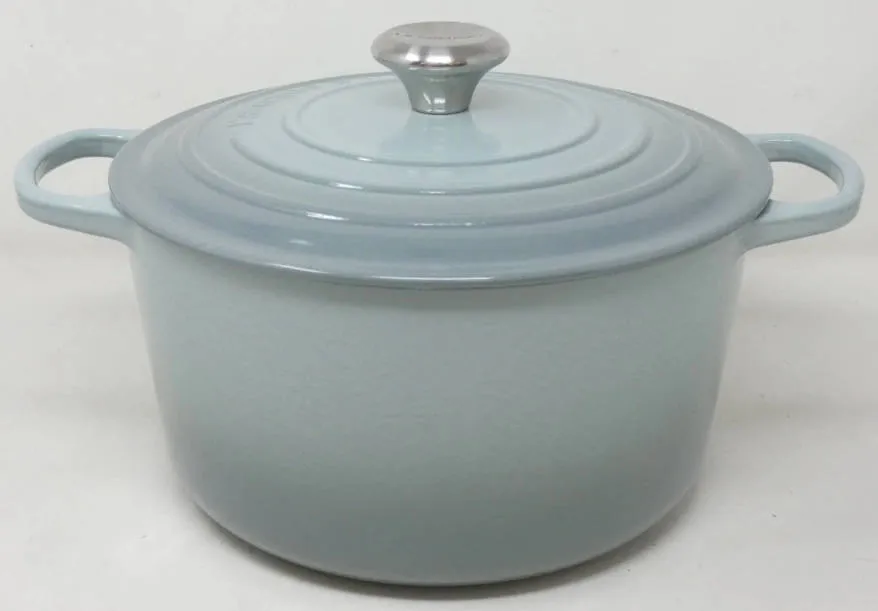
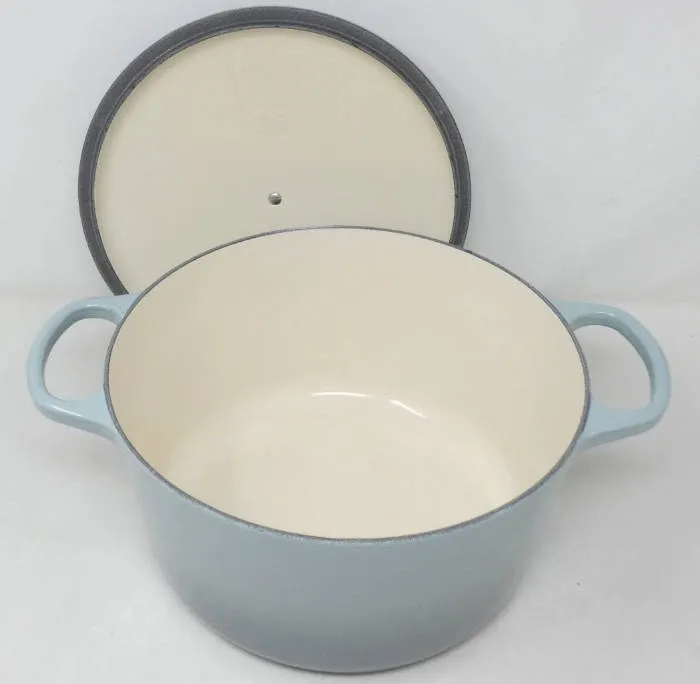
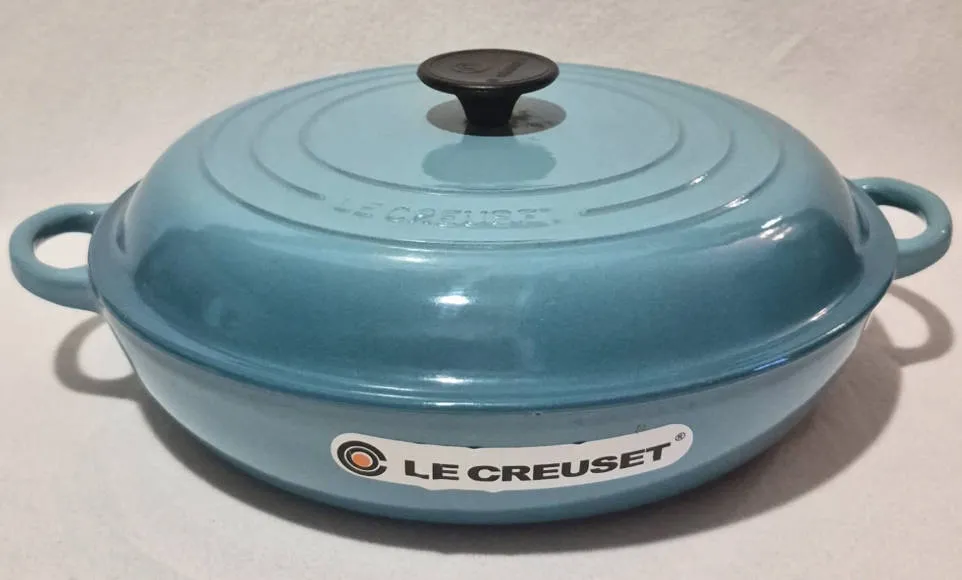
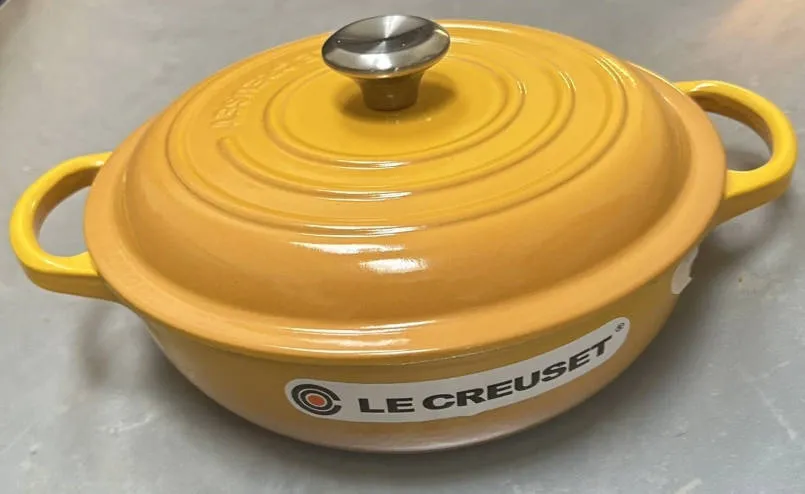
✔️ Real:
-
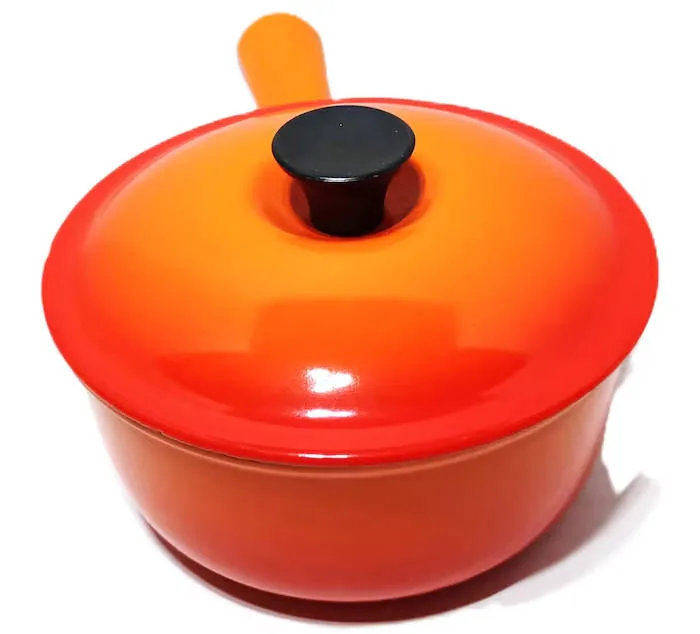
Smooth, glass-like enamel surface
-
Even color distribution with subtle gradient (especially in iconic shades)
-
No bubbles, pits, or rough patches
-
High-gloss or satin finish depending on product line
❌ Fake:
-
Uneven coating with visible bubbles
-
Dull or chalky appearance
-
Paint-like texture rather than fused enamel
-
Inconsistent color transitions
💡 Authentic enamel is kiln-fired and fused to the cast iron—not painted on.
2. Weight & Material Quality
Authentic Le Creuset pieces are made from high-density cast iron, giving them a substantial feel.
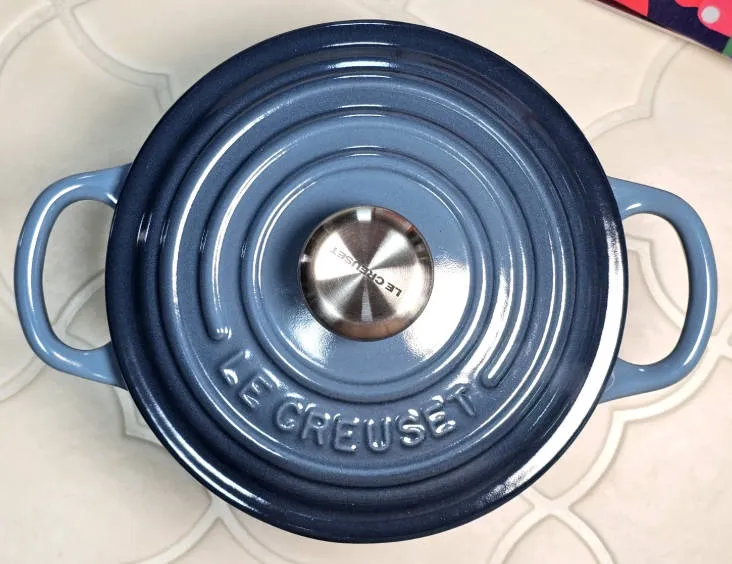
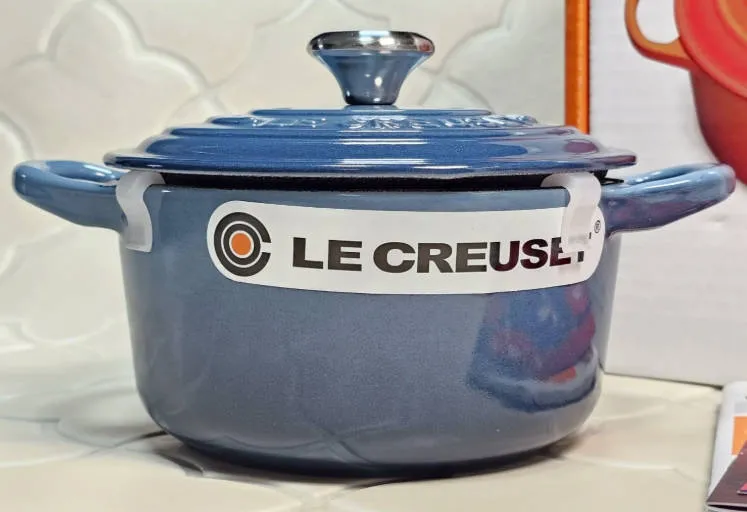
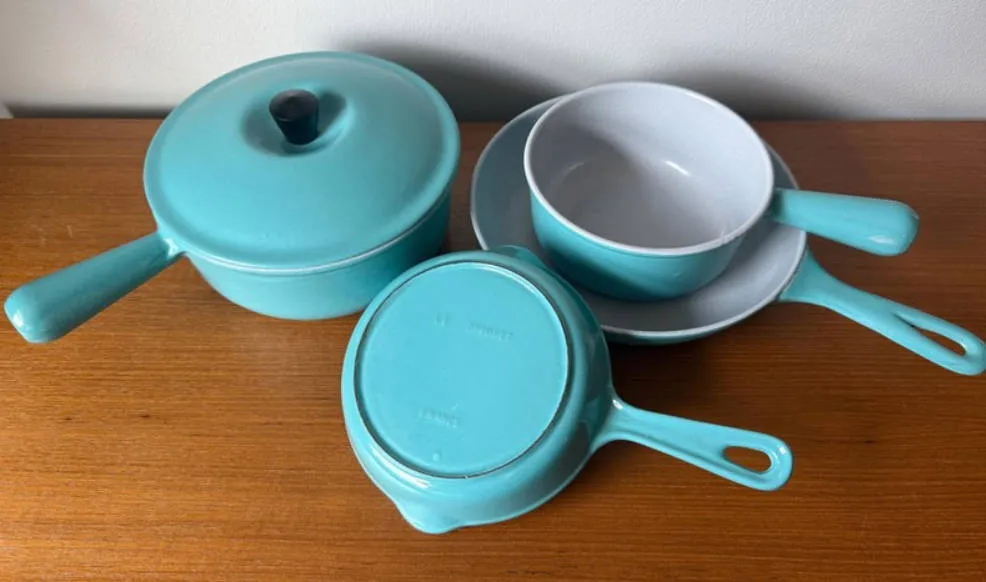
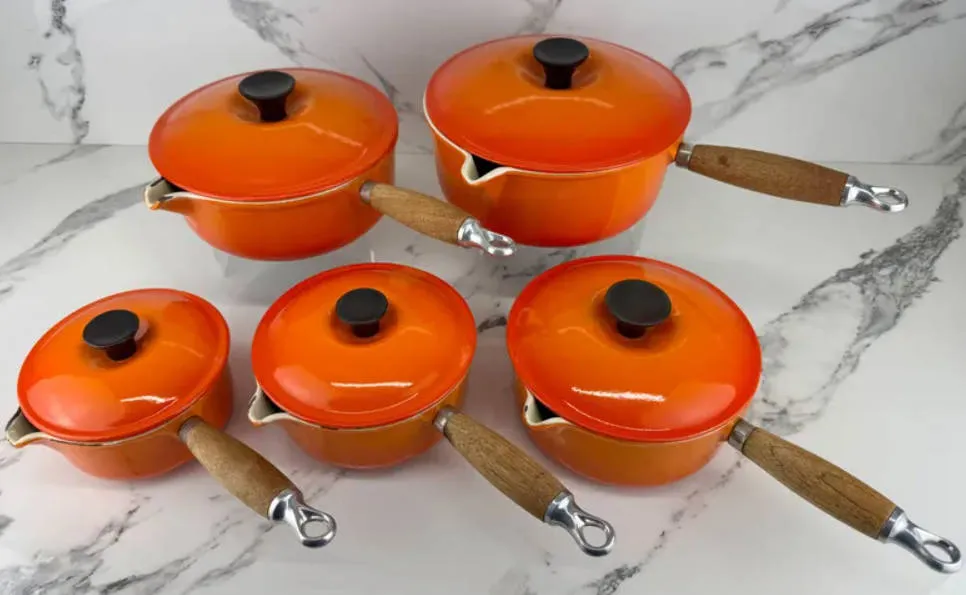
✔️ Real:
-
Heavy and solid construction
-
Even weight distribution
-
Feels premium and durable
❌ Fake:
-
Noticeably lighter
-
Feels hollow or thin
-
Poor balance when lifted
3. Base Markings & Embossing
Turn the pot over—this is one of the most reliable authentication points.
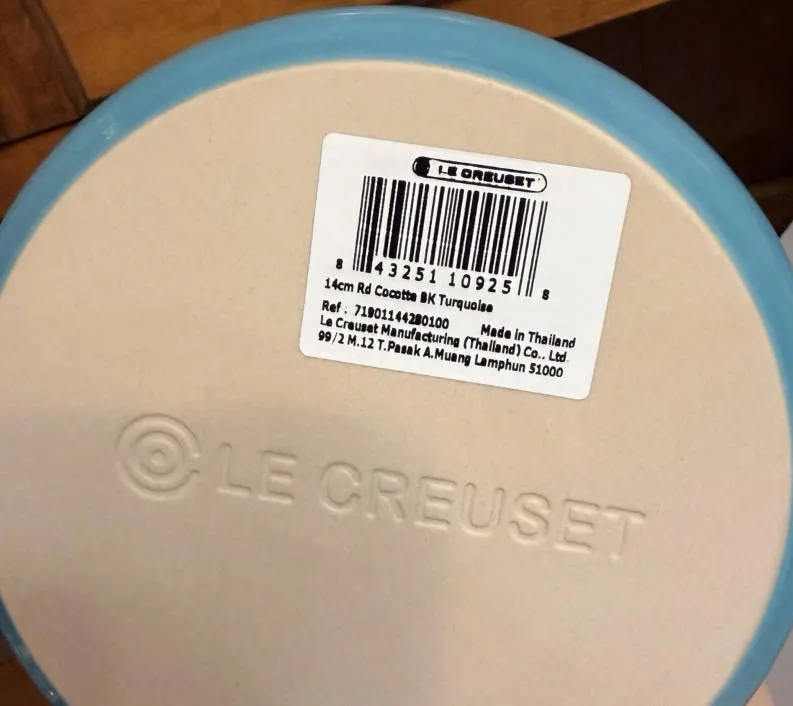
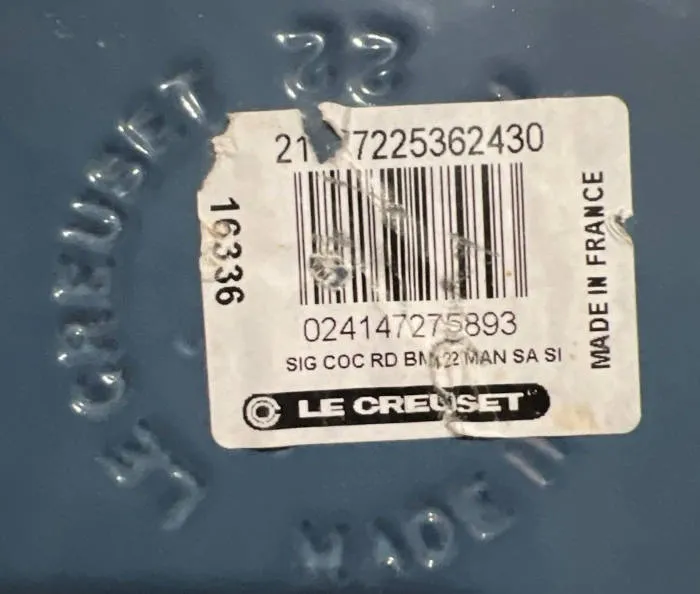
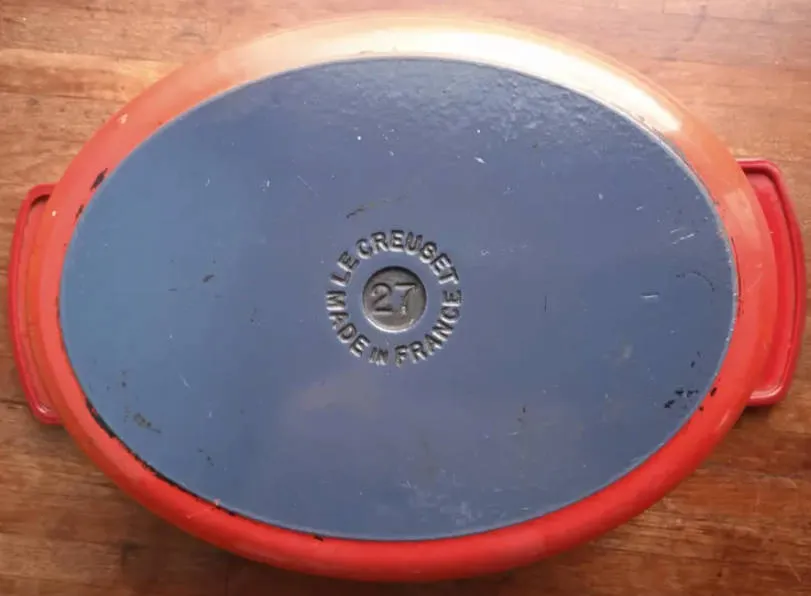
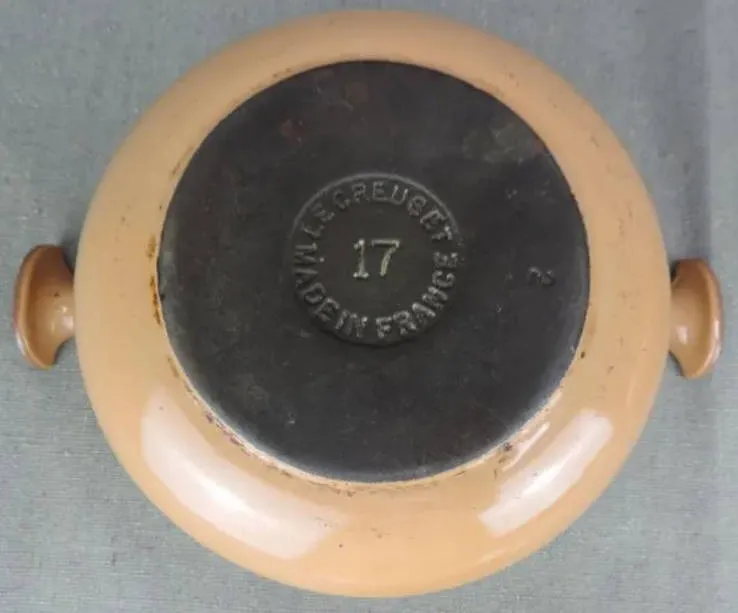
✔️ Real:
-
"Le Creuset" clearly embossed
-
Size number (e.g., 24, 26) centered and consistent
-
Clean, sharp lettering
❌ Fake:
-
Misspelled or missing branding
-
Shallow or uneven embossing
-
Crooked or off-center markings
🔔 Font consistency is key—authentic branding is precise and uniform.
4. Lid Fit & Alignment
A proper lid fit is essential for performance—and a great indicator of authenticity.
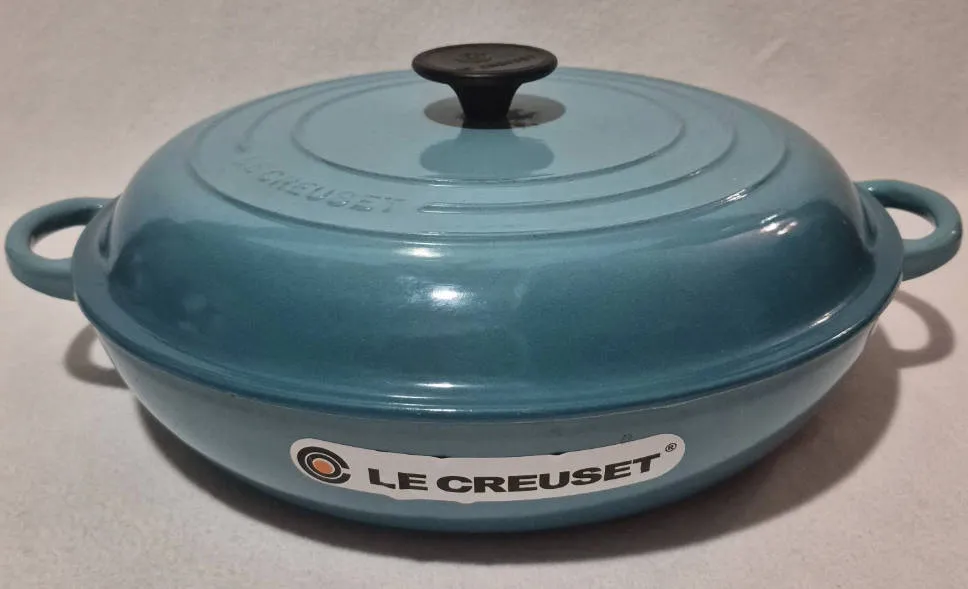
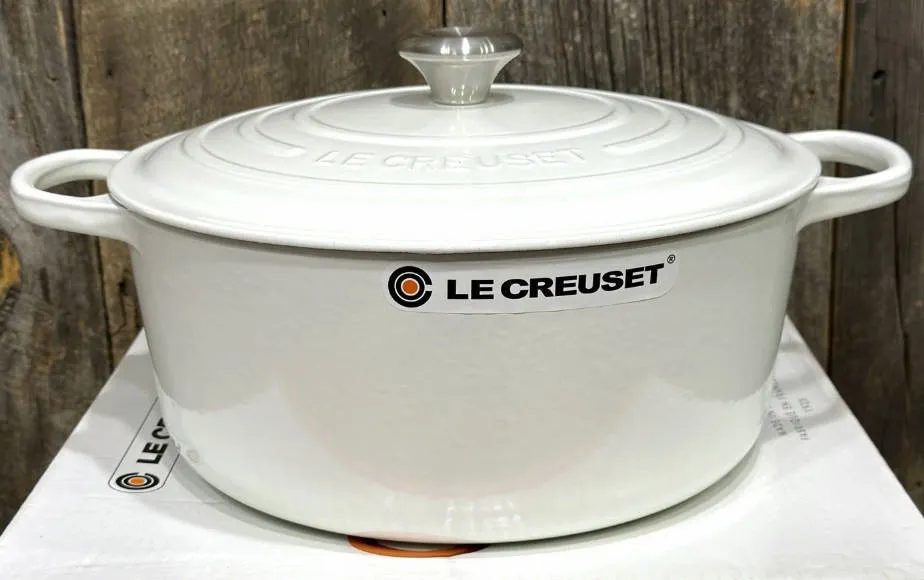
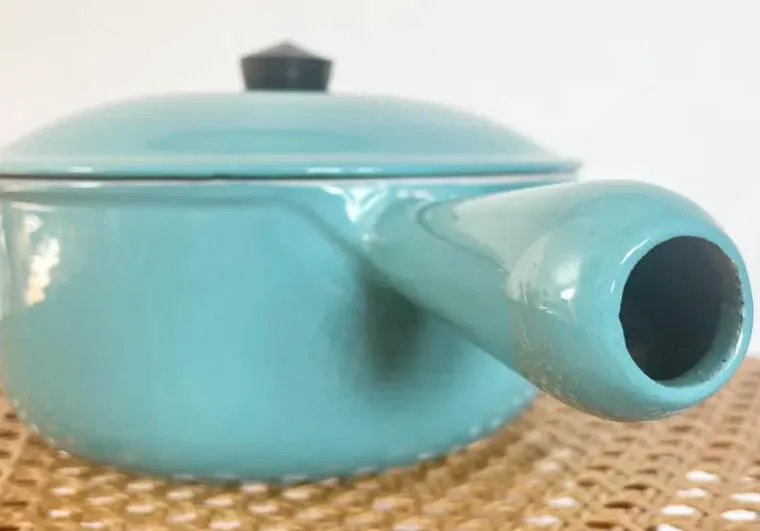
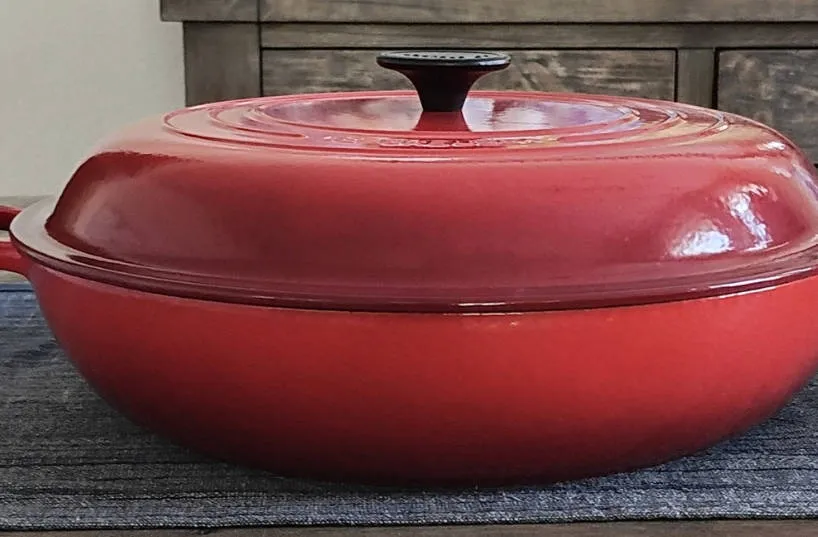
✔️ Real:
-
Lid sits flush with the base
-
Tight but smooth fit
-
No wobbling or gaps
❌ Fake:
-
Loose or rattling lid
-
Uneven alignment
-
Visible gaps between lid and pot
5. Knob Quality & Branding
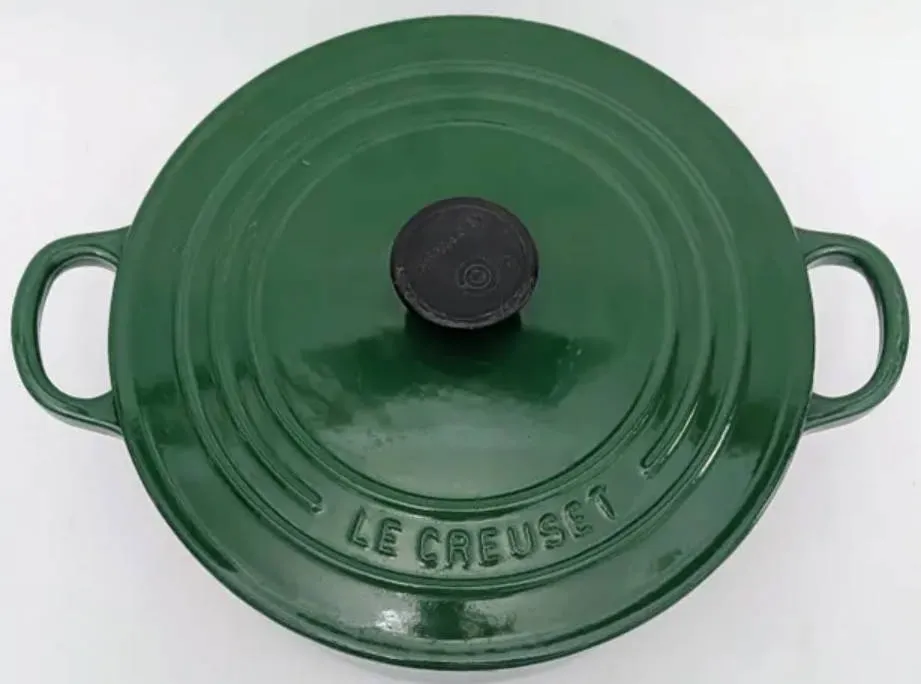
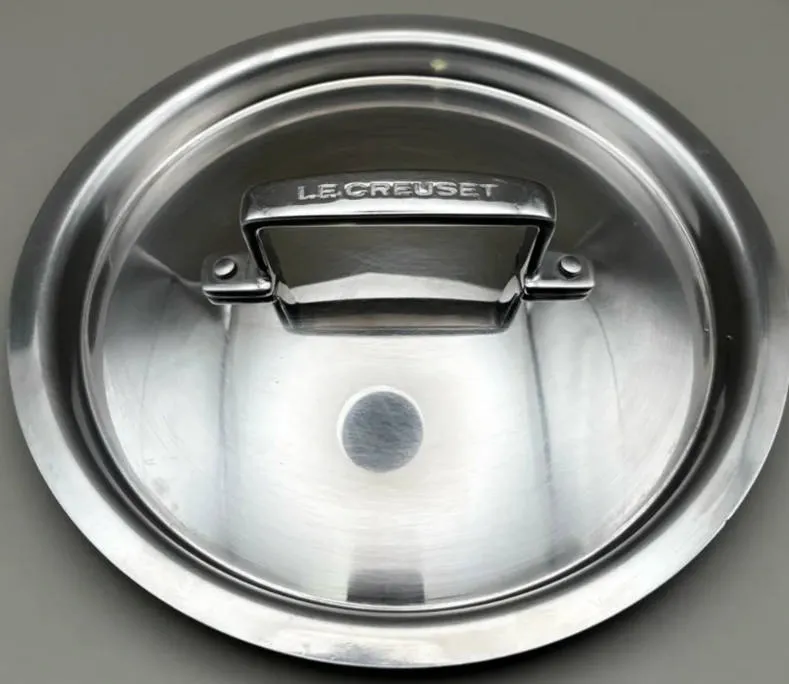
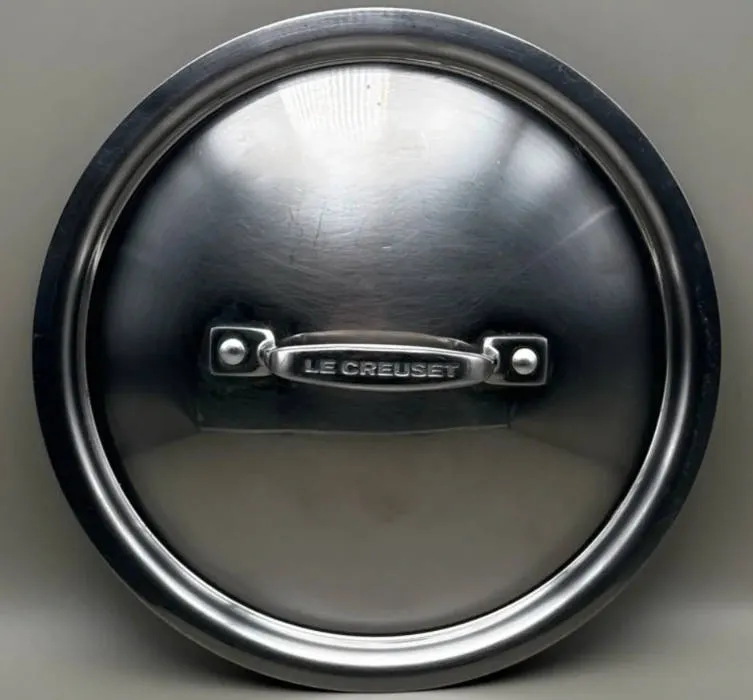
The lid knob varies by model but always reflects quality craftsmanship.
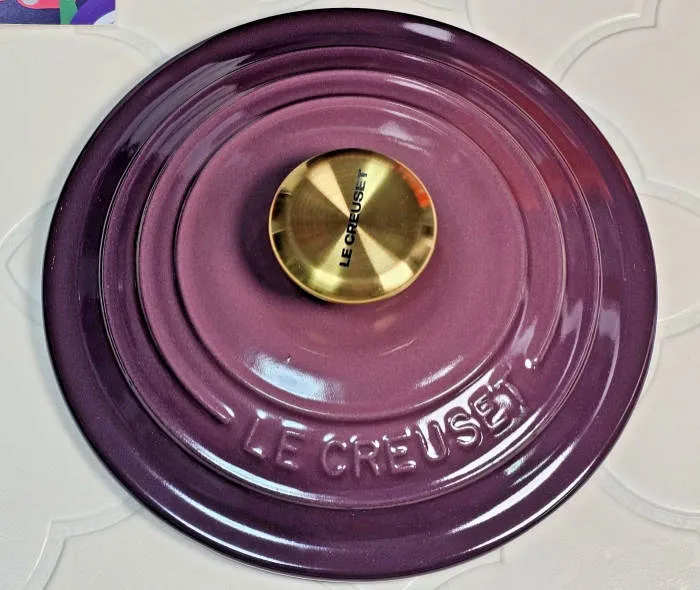
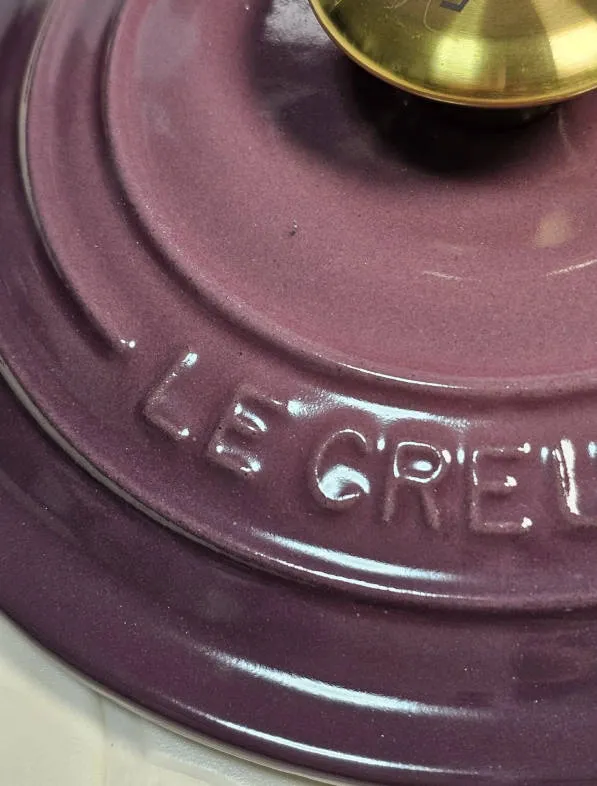
✔️ Real:
-
Heat-resistant material (phenolic or stainless steel)
-
Securely attached
-
Often engraved with “Le Creuset”
❌ Fake:
-
Lightweight plastic feel
-
No branding
-
Loose or poorly attached
6. Color & Signature Shades
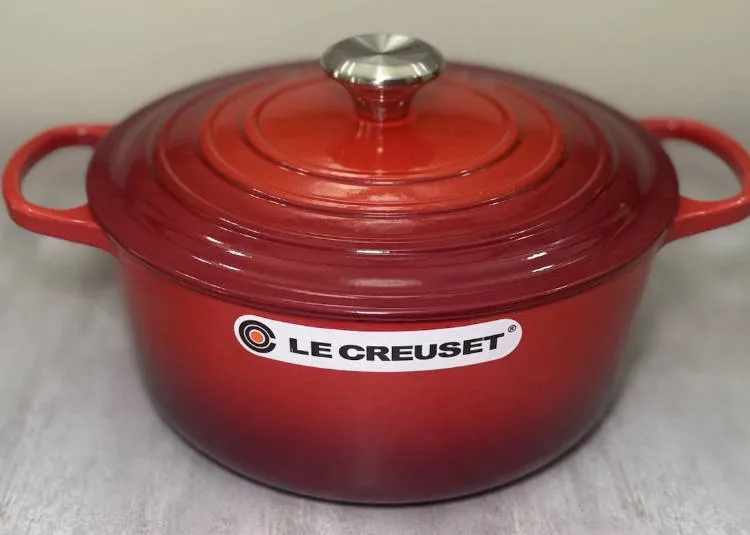
Le Creuset colors are iconic—like Flame, Cerise, and Marseille.
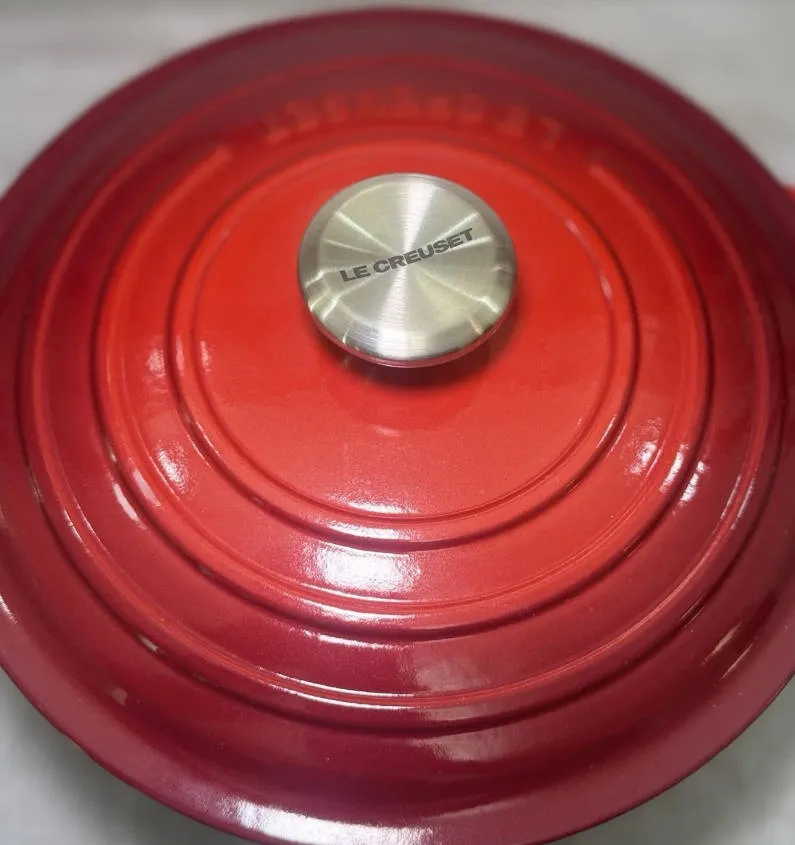
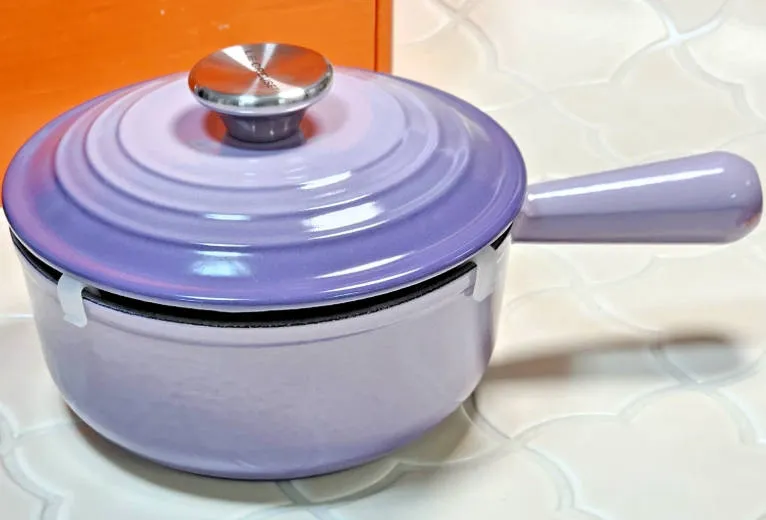
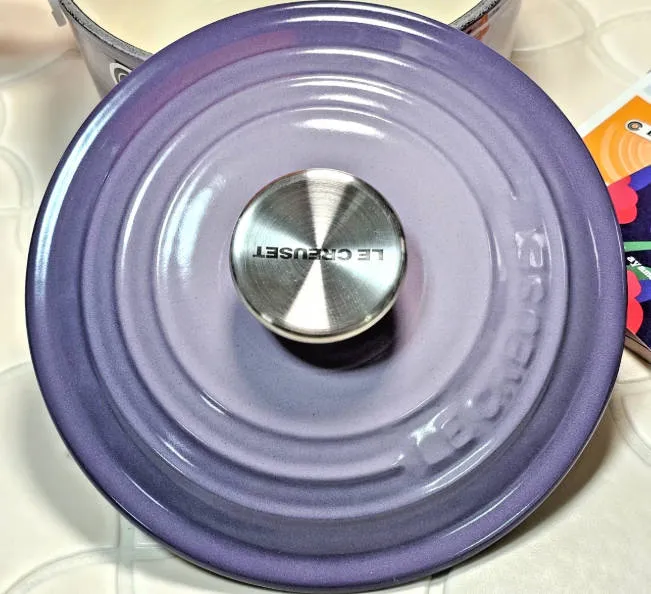
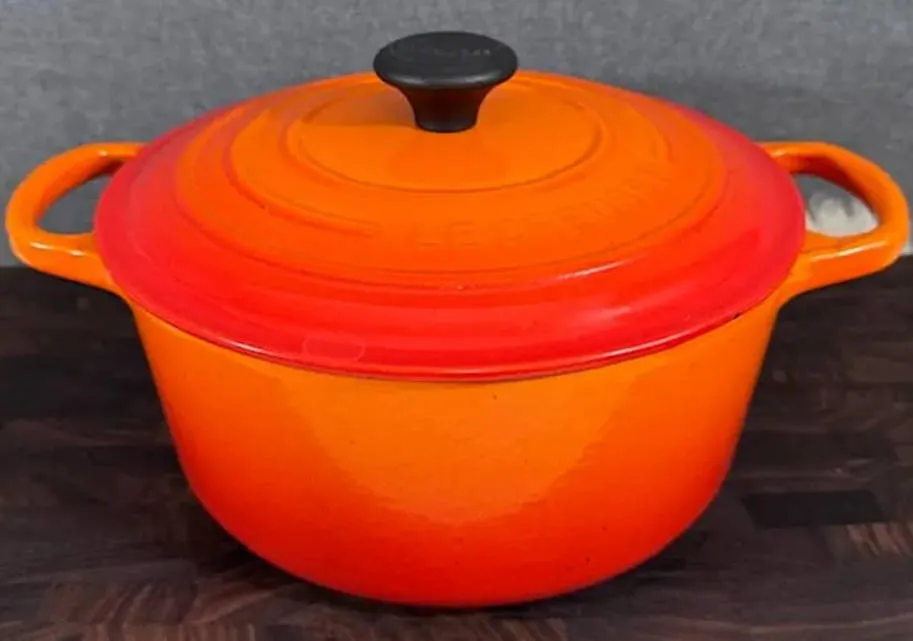
✔️ Real:
-
Rich, vibrant tones
-
Smooth gradient transitions (darker rim fading inward)
-
Consistent across product line
❌ Fake:
-
Flat or overly bright colors
-
Uneven shading
-
Shades not found in official catalog
💡 If the color looks "off," it probably is.
7. Interior Enamel
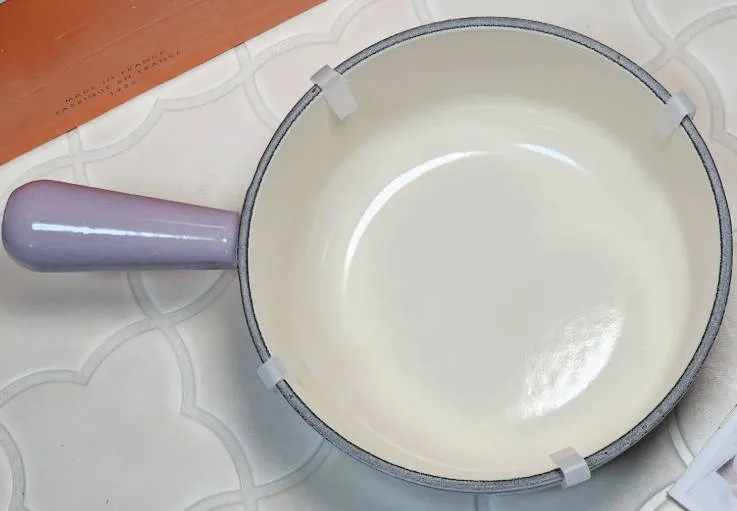
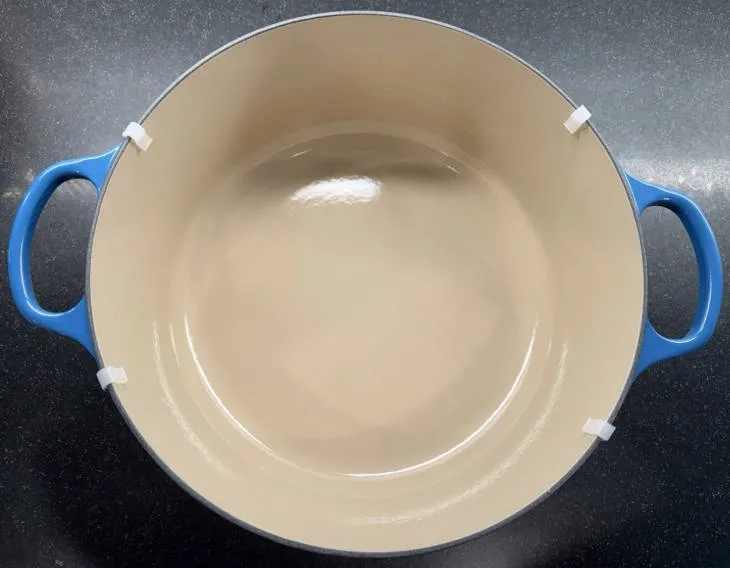
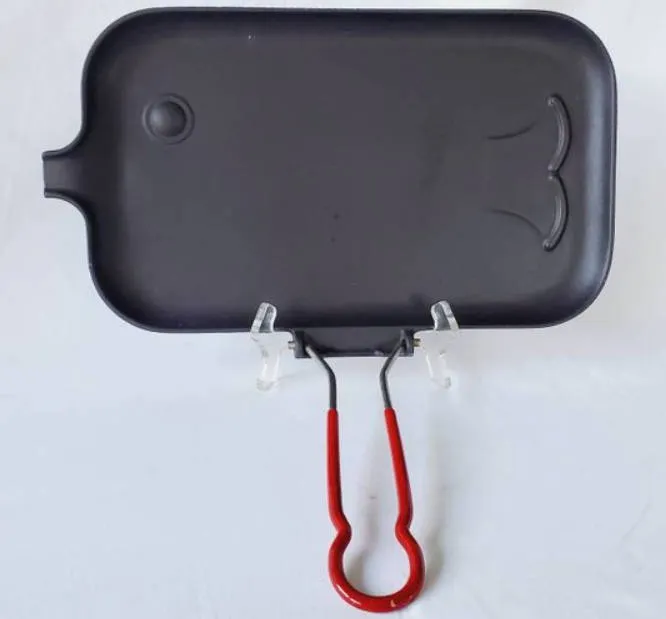
The interior surface varies by product type—but always maintains high quality.
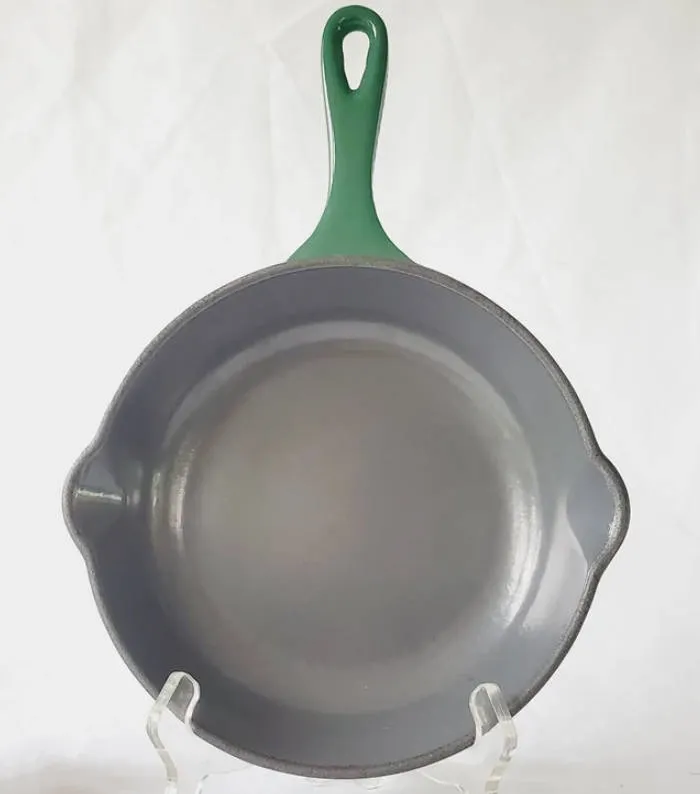
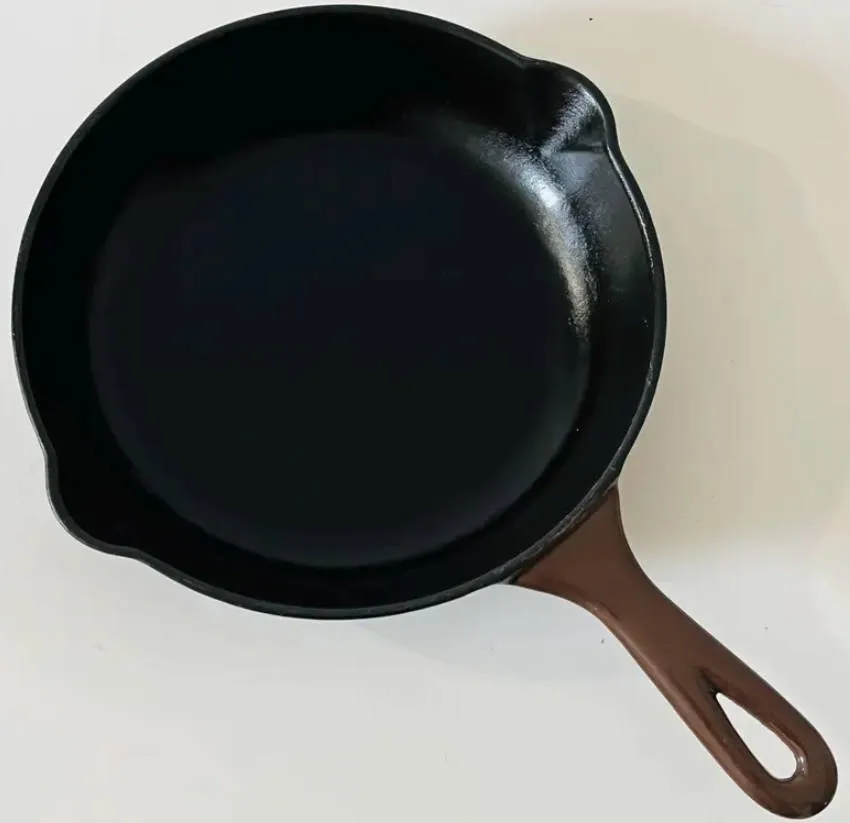
✔️ Real:
-
Light sand-colored enamel (Dutch ovens)
-
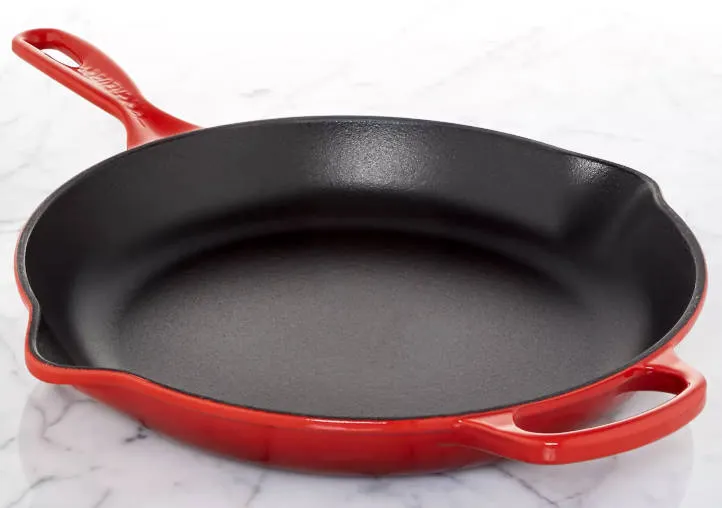
Black satin enamel (skillets/grill pans)
-
Smooth, non-porous finish
❌ Fake:
-
Bright white or gray interior
-
Rough or grainy texture
-
Uneven coating
8. Packaging & Documentation
Authentic packaging reflects the premium nature of the brand.
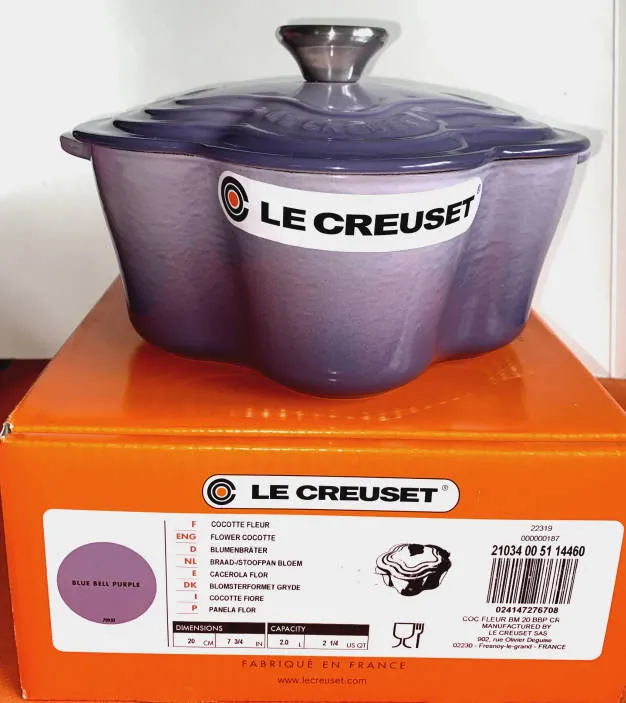
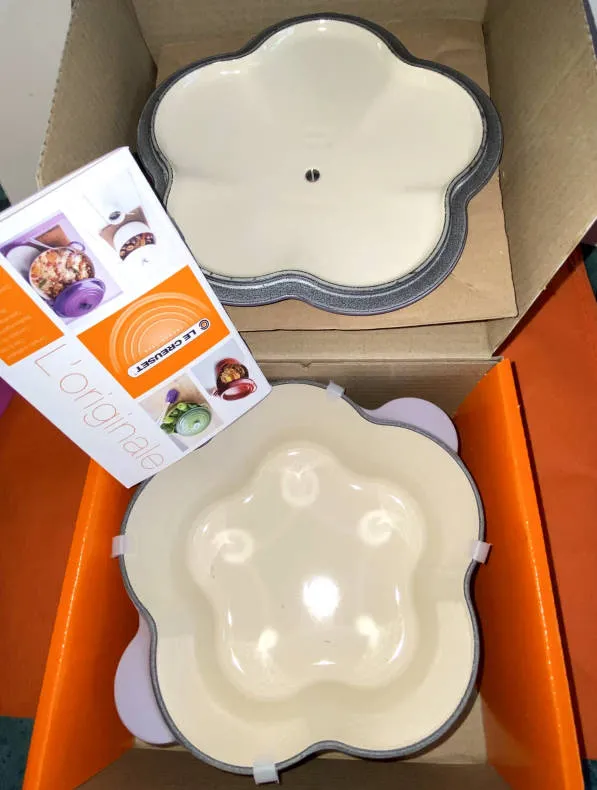
✔️ Real:
-
Branded box with logo
-
Care instructions and warranty info
-
Protective inserts
❌ Fake:
-
Plain or generic packaging
-
Missing documentation
-
Low-quality printing
📌 Luxury brands invest in presentation—fakes often cut corners here.
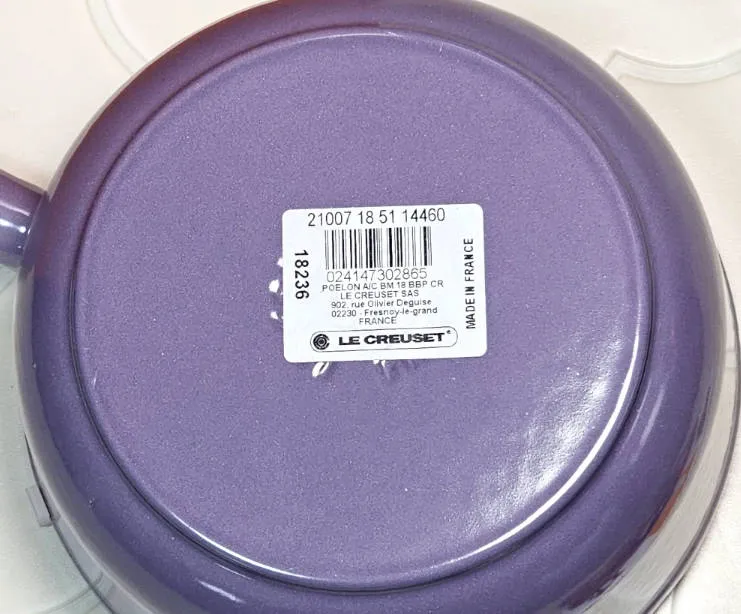
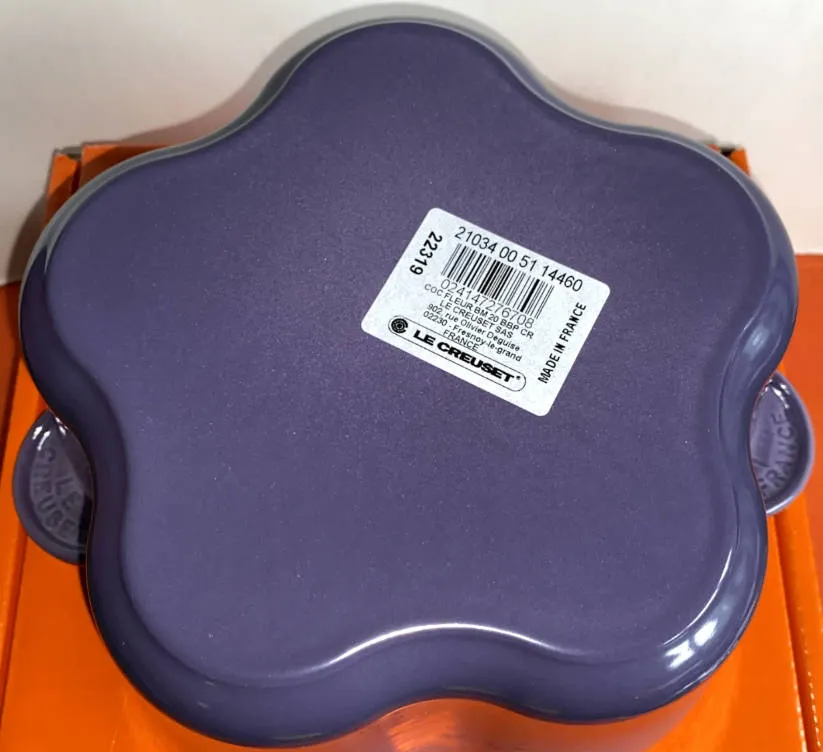
9. Country of Manufacture
Most authentic cast iron pieces are made in France.
✔️ Real:
-
"Made in France" embossed on base
-
Consistent labeling across product
❌ Fake:
-
No origin marking
-
Incorrect or random country labels
⚠️ Note: Some non-cast-iron items (like stoneware) may be made elsewhere—but still follow strict quality standards.
🧠 Pro Tips for Buyers
When Shopping Online:
-
Request close-up photos of:
✧ Base markings
✧ Lid and knob
✧ Interior enamel
-
Avoid listings with only stock images
-
Check seller ratings and history
When Buying In Store:
-
Lift the pot—feel the weight
-
Inspect enamel under strong light
-
Check lid alignment and knob stability
❓ FAQ: Le Creuset Authentication
Q1. Are all Le Creuset products made in France?
No. Cast iron cookware is primarily made in France, but other items (like stoneware) may be produced globally under strict standards.
Q2. Do all pieces have embossed branding?
Most cast iron items do. Lack of branding is a major red flag.
Q3. Are vintage Le Creuset pieces easier to fake?
Yes. Older styles and rare colors are frequently counterfeited due to collector demand.
Q4. Can fake products have correct logos?
Some high-quality fakes attempt this—but usually fail in:
-
Enamel quality
-
Weight and material
-
Precision of embossing
Q5. Is price a reliable authenticity indicator?
Not entirely—but extremely low prices are a strong warning sign.
📝 Final Thoughts
Authenticating Le Creuset cookware comes down to craftsmanship, not just appearance. While counterfeit products may mimic the look, they rarely match the quality—especially in enamel finish, weight, and structural precision.
If you remember just three things:
✔️ Inspect the enamel finish
✔️ Check the base markings
✔️ Feel the weight
—you'll avoid most fakes instantly.
For higher-value purchases, always combine multiple checkpoints rather than relying on a single detail.