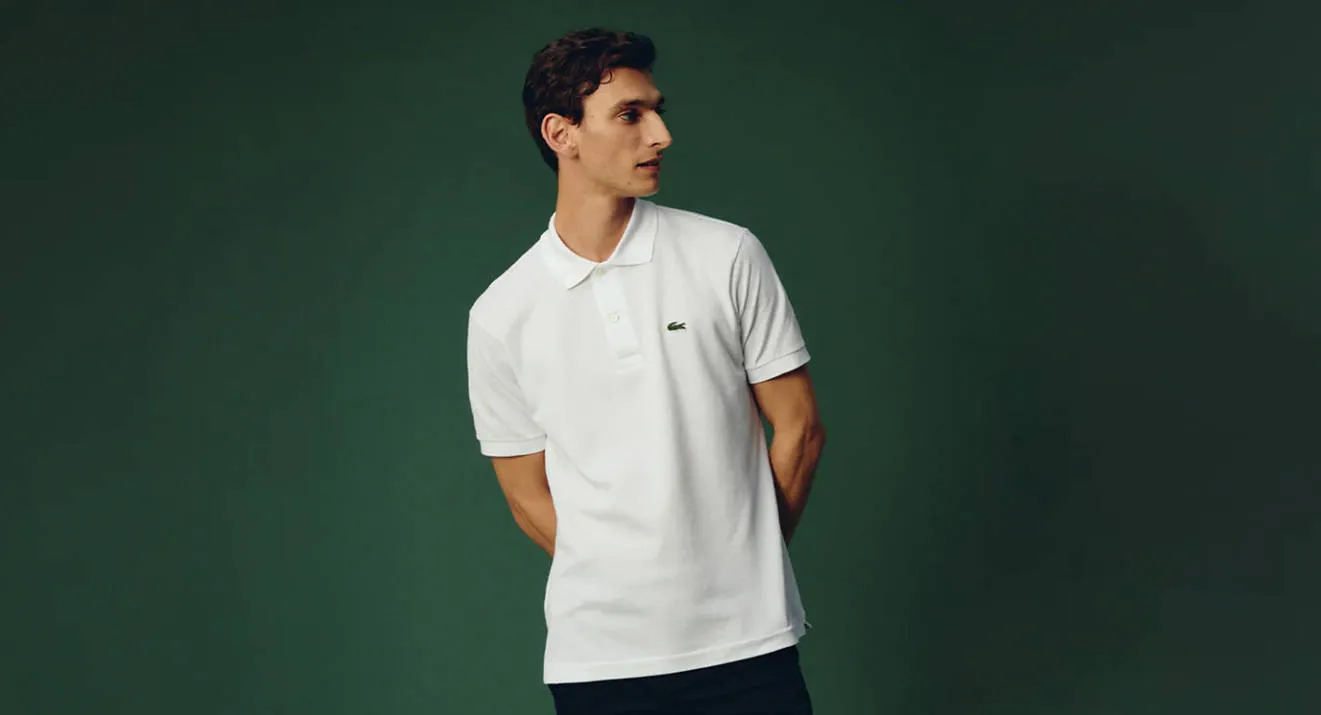
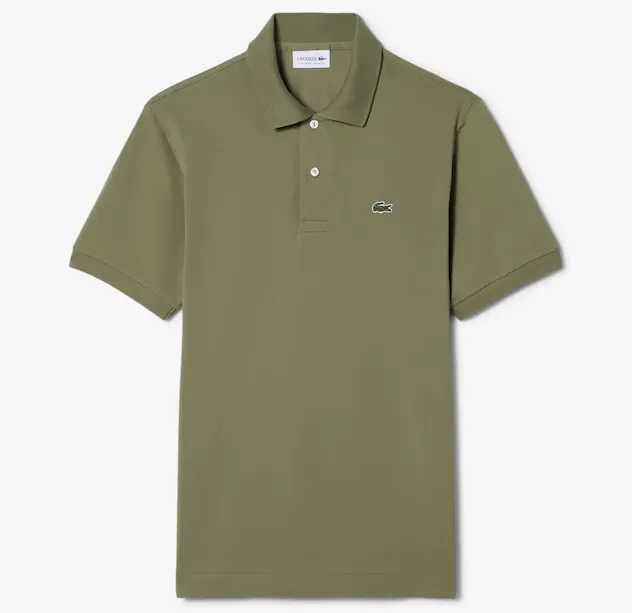
The Lacoste L.12.12 is more than just a piece of sportswear; it's a global icon of French elegance and 'Petit Piqué' craftsmanship. However, with such legendary status comes a flood of high-quality counterfeits that can easily deceive the untrained eye. Whether you're a vintage collector or a first-time buyer, knowing how to authenticate your crocodile-branded polo is essential. In this guide, we'll dive into the fine details to ensure your next investment is 100% genuine.
🐊 The Lacoste Polo: A Comprehensive Overview
The Lacoste polo shirt is widely considered the first "modern" sportswear item. Invented in 1933 by tennis champion René Lacoste, it revolutionized the athletic wardrobe by replacing stiff, long-sleeved woven shirts with a breathable, flexible knit alternative.
1. Heritage and History
-
The Inventor: René Lacoste, a French tennis legend nicknamed "The Crocodile" for his tenacity.
-
The Innovation: Frustrated by the restrictive clothing of the 1920s, René cut the sleeves off his shirt and utilized a specialized knit fabric.
-
The First Logo: In 1933, the green crocodile was embroidered on the chest, making it the first brand logo to be prominently displayed on the outside of a garment.
-
The Name "L.12.12":
✧ L stands for Lacoste.
✧ 1 symbolizes the unique fabric (Petit Piqué).
✧ 2 represents the short-sleeve design.
✧ 12 was the number of the prototype selected by René Lacoste.
2. Signature Materials
-
Petit Piqué Cotton: The hallmark of a Lacoste polo. It is a textured knit with a "honeycomb" or "waffle" structure. This weave allows air to circulate, making the shirt exceptionally breathable and durable.
-
Pima Cotton: Used in higher-end or "Interlock" versions, Pima cotton is known for its long fibers, resulting in a smoother, softer, and more lustrous finish.
-
Technical Fabrics: The "Sport" and "Movement" lines often incorporate recycled polyester and elastane for moisture-wicking and UV protection.
3. Fit Guide (Men's)
Lacoste offers several distinct silhouettes to cater to different body types and style preferences:
|
Fit Type |
Description |
Key Characteristics |
|
Classic Fit |
The original silhouette of the L.12.12. |
Straight cut, loose sleeves, and a comfortable torso. |
|
Regular Fit |
A more modern, slightly adjusted take. |
Straighter through the waist than the Classic but not tight. |
|
Slim Fit |
A tailored, body-hugging silhouette. |
Narrower chest and waist; shorter sleeves for a modern look. |
|
Loose Fit |
Oversized and contemporary. |
Dropped shoulders and extra volume in the body. |
4. Key Design Details
-
The Collar: Designed with enough structure to be turned up (to protect the neck from the sun) but soft enough for all-day comfort.
-
The Placket: Traditionally features two buttons made of genuine mother-of-pearl (on classic models).
-
The Ribbing: The cuffs and collar are ribbed to prevent stretching and maintain shape over time.
-
The Logo: A standard green crocodile is composed of approximately 1,200 stitches.
5. Cultural & Fashion Impact
-
One of the first luxury sportswear items
-
Helped popularize logo branding in clothing
-
Inspired brands like Ralph Lauren, Fred Perry, and others
-
Still produces millions of polos annually worldwide
However, due to its global popularity, counterfeit versions are everywhere—often looking convincing at first glance. Whether you're buying new, secondhand, or from online marketplaces, knowing how to authenticate a Lacoste polo is essential. Below are the most important details to examine before making a purchase.
🧭 Lacoste Polo Real vs. Fake Guide
⚡ Quick Authentication Checklist
| Check Point | Authentic Characteristics | Red Flags |
| Logo | Detailed, sharp embroidery | Blurry, uneven |
| Tag Font | Clean and consistent | Incorrect or messy |
| Fabric | Textured piqué cotton | Thin or overly smooth |
| Stitching | Tight and neat | Loose and uneven |
| Collar | Structured | Flimsy or stiff |
| Buttons | Premium quality | Cheap plastic |
| Inner Tags | Multiple, detailed | Missing or poor print |
| Sizing | Numeric system | S/M/L only |
| Origin Label | Clearly stated | Missing or suspicious |
| Price | Moderate to premium | Too cheap |
1. Logo (Crocodile)
The crocodile logo is the #1 authentication factor.
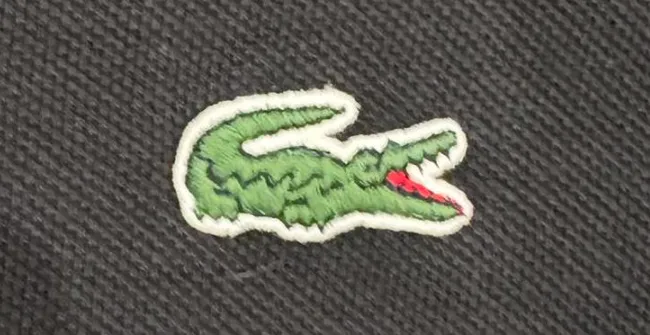
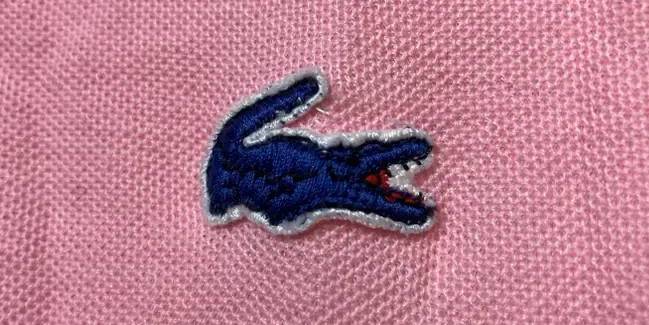
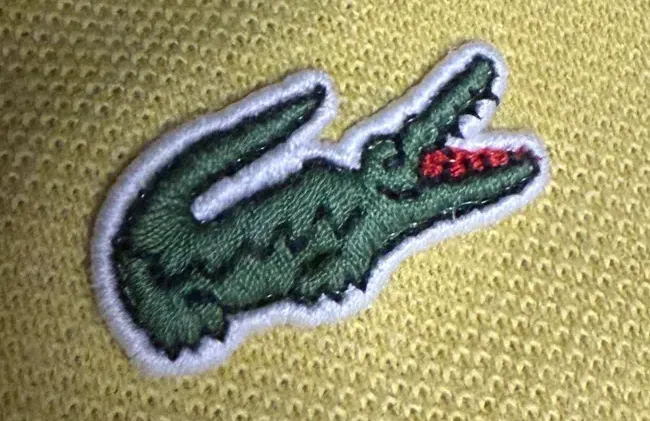
✔️ Real
-
Precisely embroidered (never printed)
-
Clear eye, teeth, and jawline
-
Slightly raised texture
-
Clean white outline around the body
-
Tail curves naturally upward
-
Green color is vibrant but not neon
-
Red mouth is sharp and defined
❌ Fake
-
Blurry or uneven stitching
-
Crocodile looks "fat," flat, or distorted
-
Missing details (eye, claws, teeth)
-
Loose threads around edges
-
Wrong color tone (too dark or neon green)
-
Poor alignment or tilted placement
💡 Pro Tip: Authentic logos often require high-precision embroidery machines—fakes rarely achieve this level of detail.
2. Main Neck Tag (Brand Label)
The neck tag is another critical indicator.
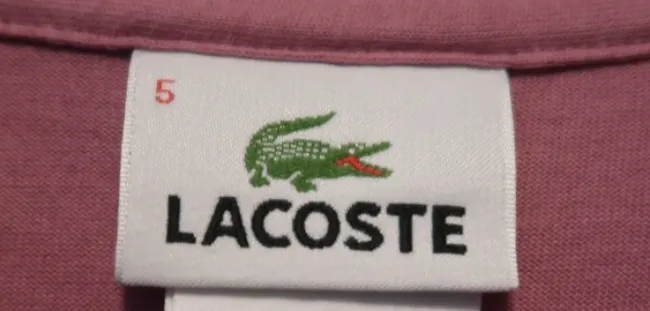
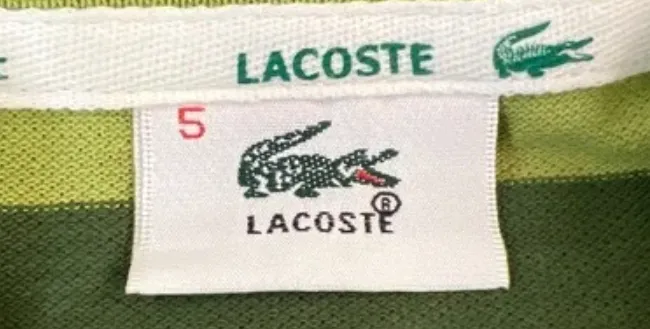
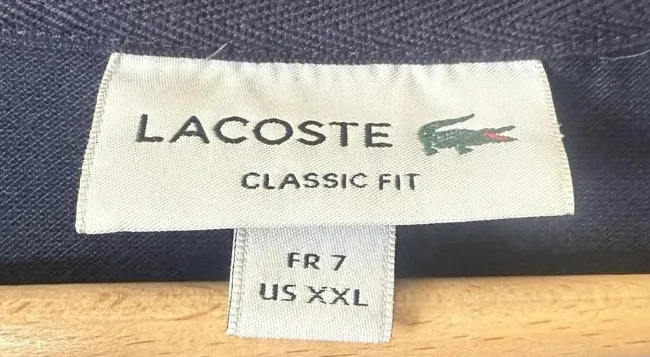
✔️ Real
-
Clean "LACOSTE" font (sharp, evenly spaced)
-
Crocodile logo centered and proportional
-
Size number clearly printed below (e.g., 3, 4, 5)
-
Smooth stitching attaching the tag
-
No frayed edges
❌ Fake
-
Incorrect font (too bold, thin, or spaced unevenly)
-
Crocodile looks off or poorly printed
-
Size formatting inconsistent
-
Tag stitching messy or crooked
3. Inner Tags (Care & Manufacturing Labels)
Authentic Lacoste polos include multiple inner labels.
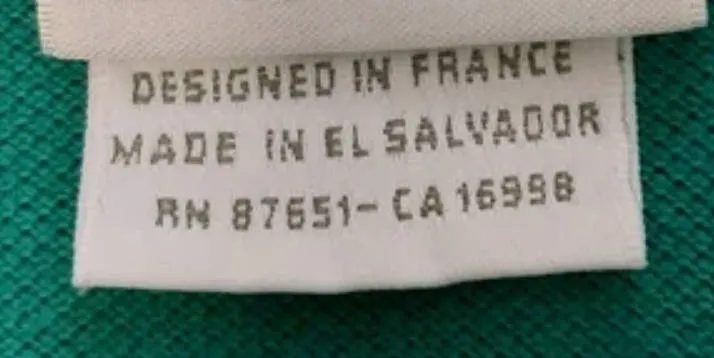
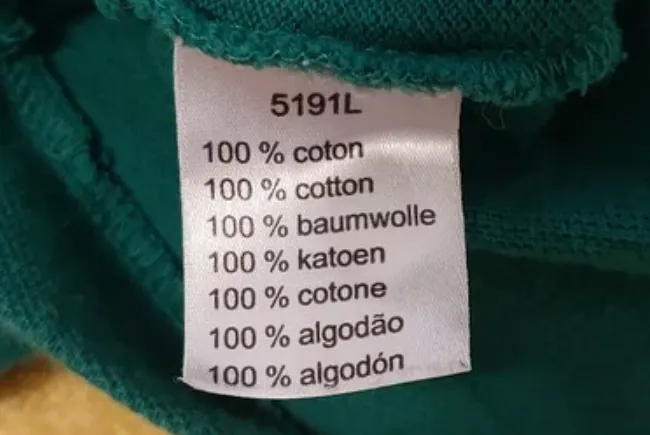
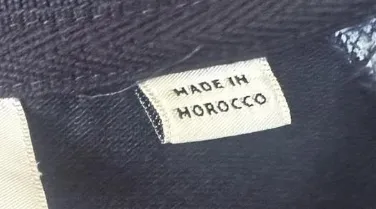
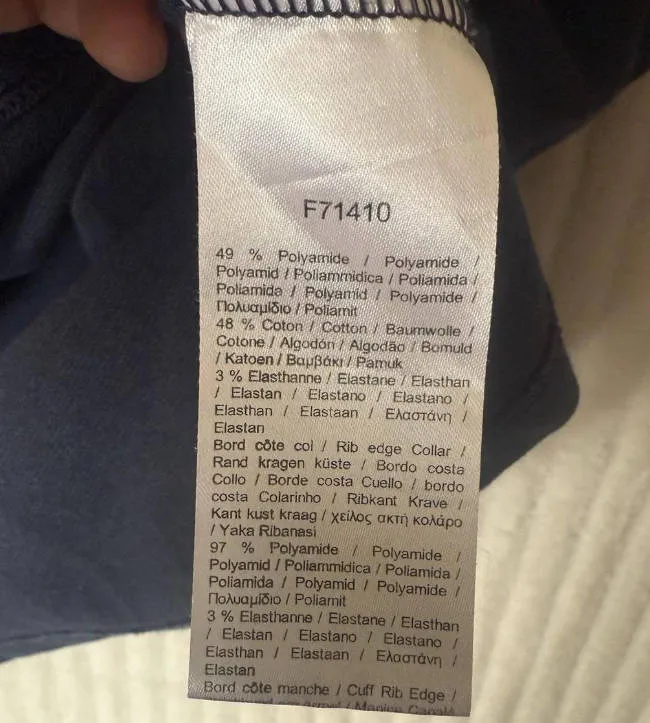
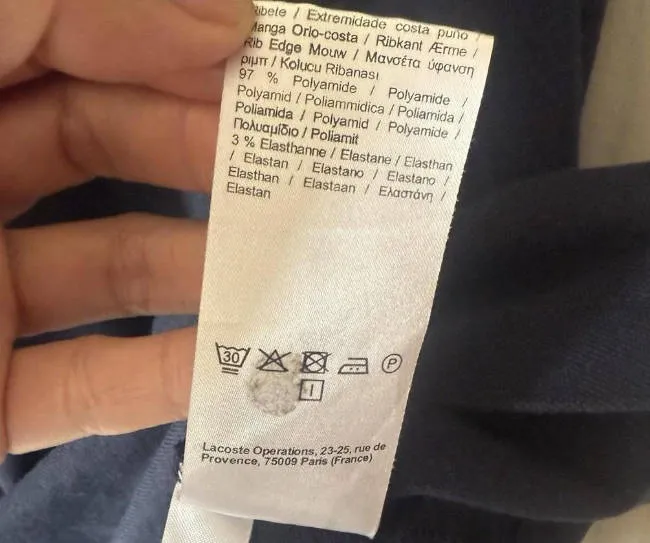
✔️ Real
-
Multiple tags (care instructions, fabric composition)
-
Clear, readable print
-
Often includes QR code
- RN or product codes sometimes present
-
Country of manufacture listed (e.g., El Salvador, Peru)
❌ Fake
-
Missing tags or only one label
-
Faded or blurry text
-
Spelling errors
-
No origin information
- Cheap plastic-like tags
4. Fabric Quality (Petit Piqué Cotton)
Lacoste is famous for its petit piqué fabric.
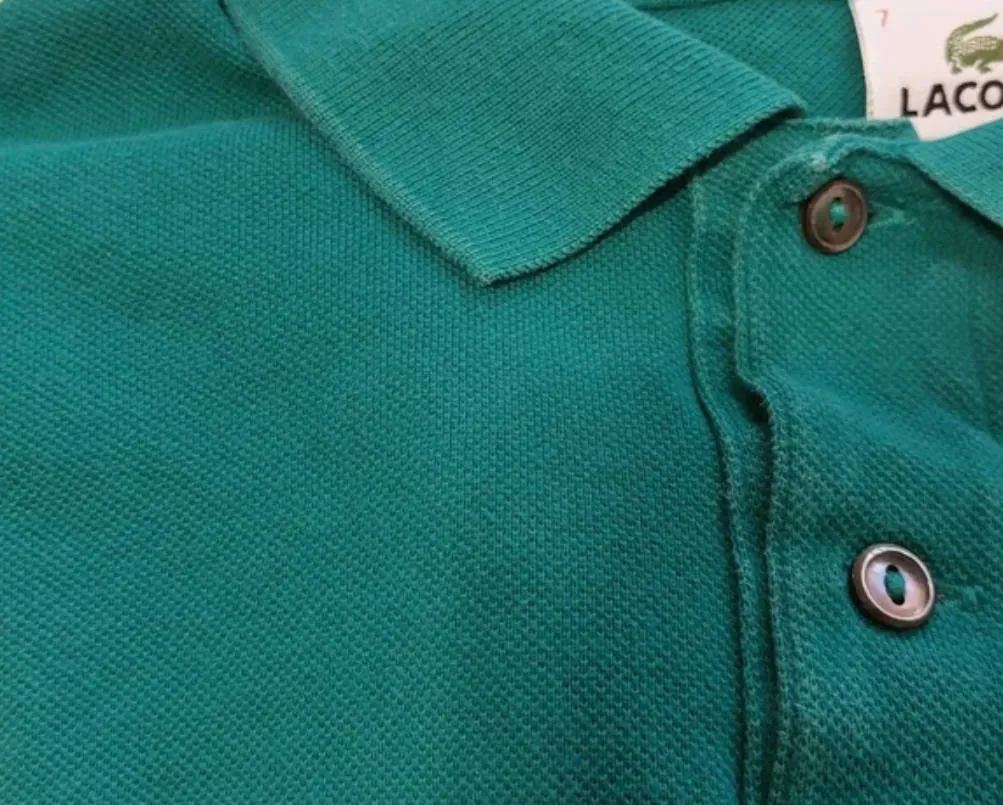
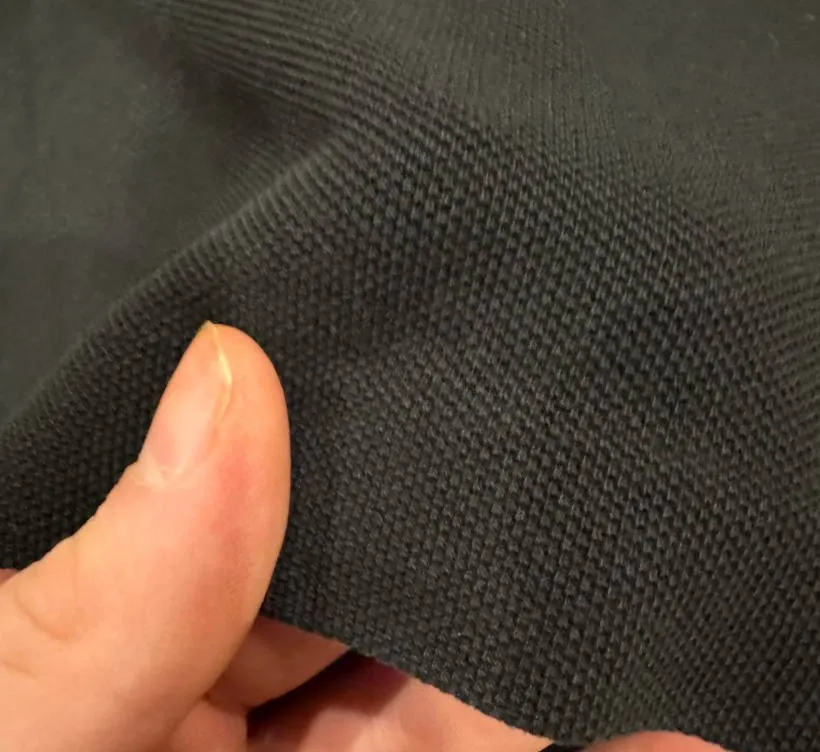
✔️ Real
-
Textured but soft feel
-
Breathable and lightweight
-
Durable weave structure
-
Holds shape after washing
❌ Fake
-
Feels too thin or overly stiff
-
Smooth like cheap cotton (not textured)
-
Poor durability
5. Stitching Quality
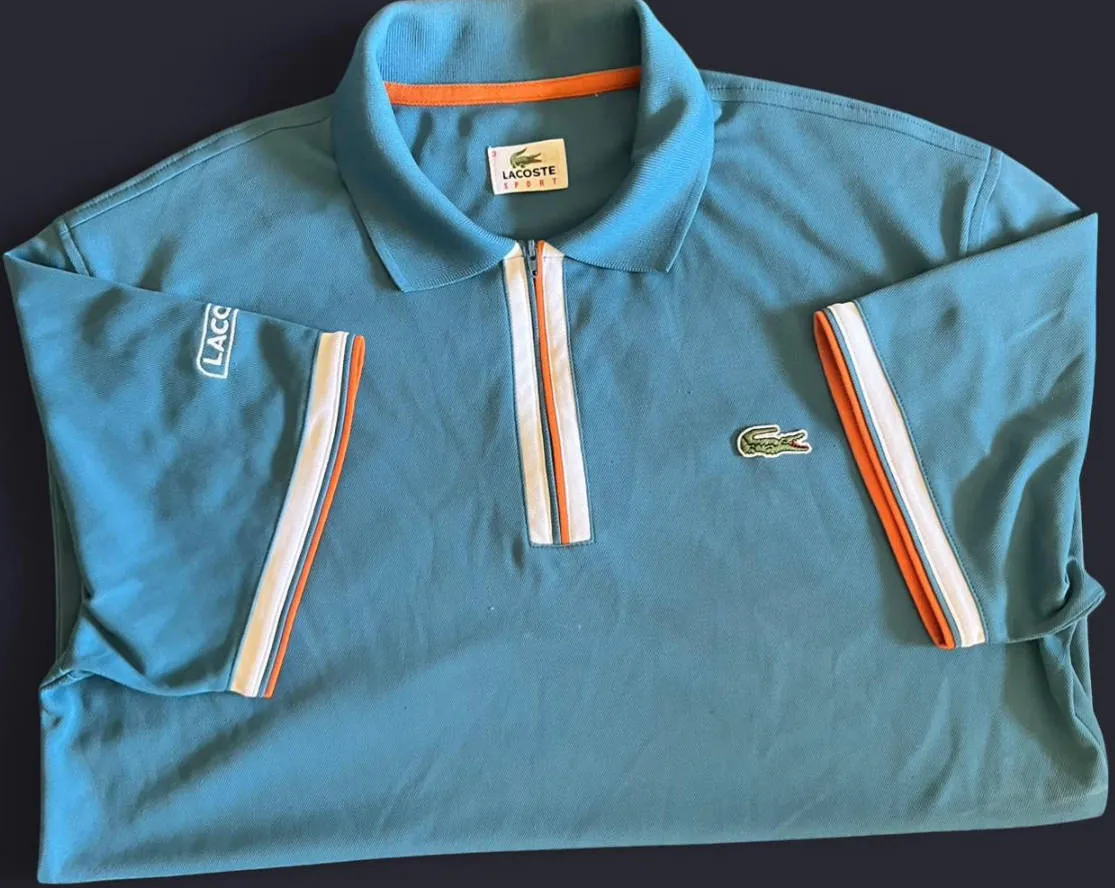
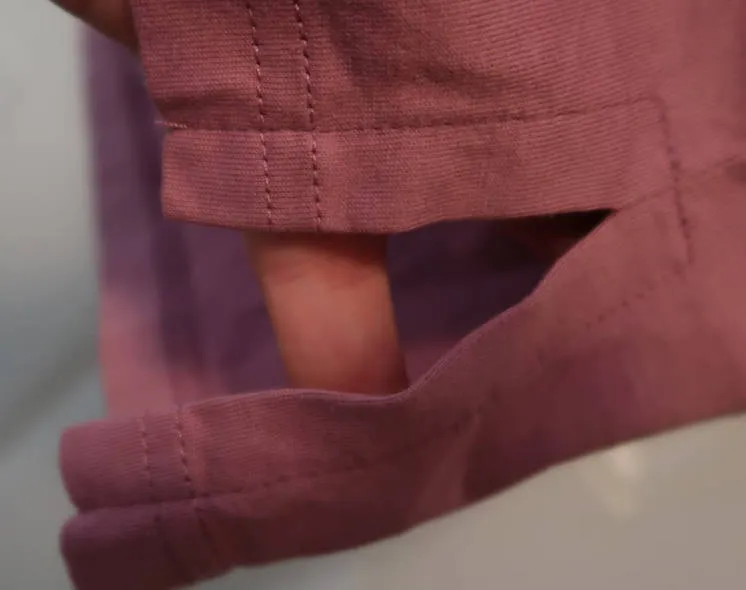
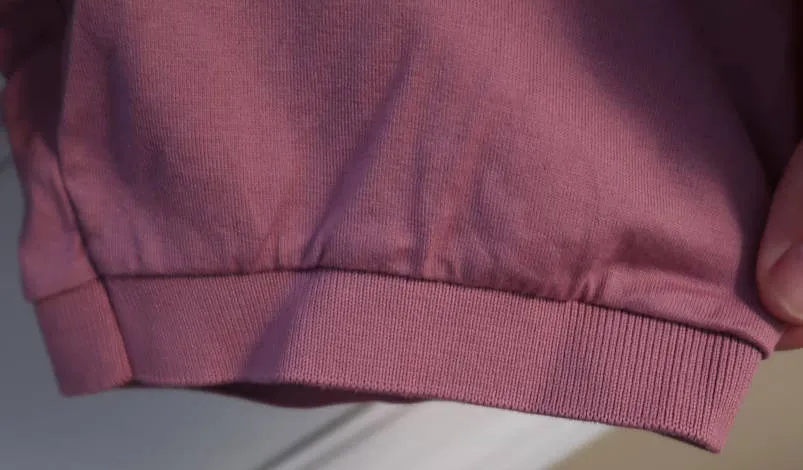
✔️ Real
-
Tight, even stitching throughout
-
No loose threads
-
Reinforced seams
❌ Fake
-
Uneven stitching
-
Loose threads visible
-
Weak seams
6. Collar Structure
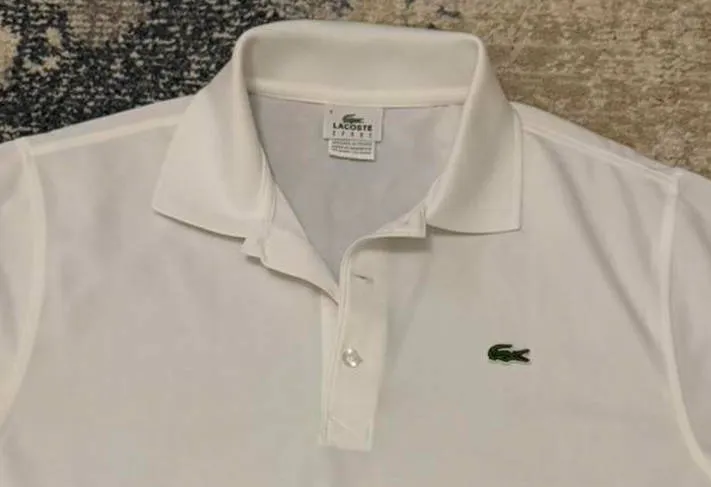
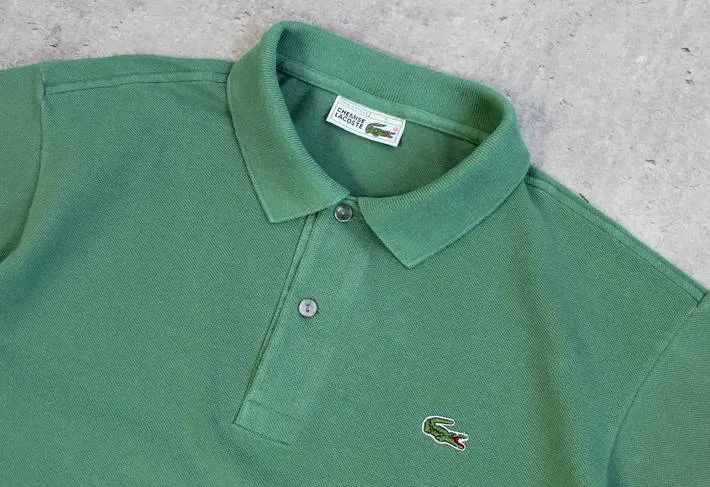
✔️ Real
-
Firm yet flexible collar
-
Maintains shape over time
-
Symmetrical construction
❌ Fake
-
Flimsy or overly stiff
-
Warped or uneven
7. Buttons & Buttonholes
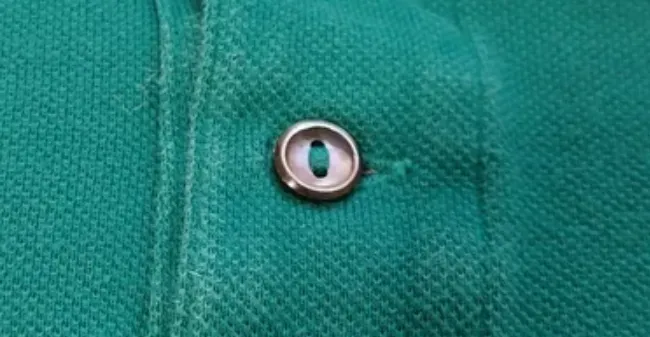
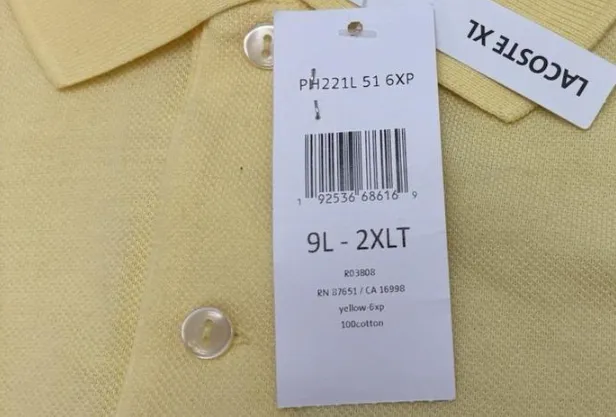
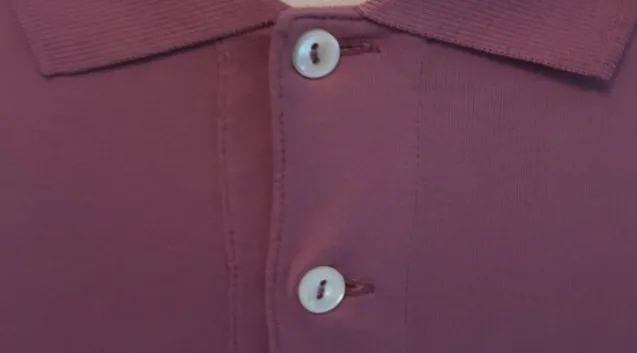
✔️ Real
-
High-quality buttons (mother-of-pearl or premium plastic)
-
Smooth edges
-
Secure stitching
-
Reinforced buttonholes
❌ Fake
-
Cheap plastic buttons
-
Rough edges
-
Loose stitching
-
Weak buttonholes
8. Fit & Sizing System
Lacoste uses a numeric sizing system.
✔️ Real
-
Sizes like 2, 3, 4, 5, 6
-
Consistent fit (Classic, Slim, Regular)
-
Accurate proportions
❌ Fake
-
Uses S/M/L only (often suspicious)
-
Inconsistent sizing
9. Country of Manufacture
Authentic Lacoste polos are produced globally.
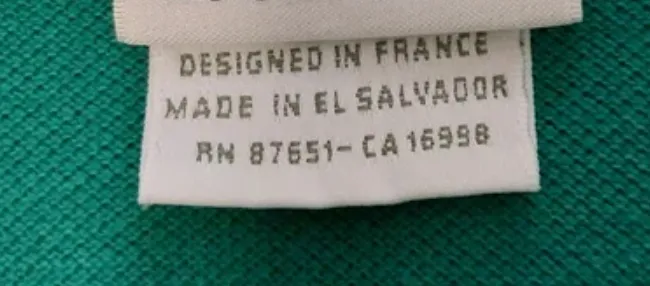
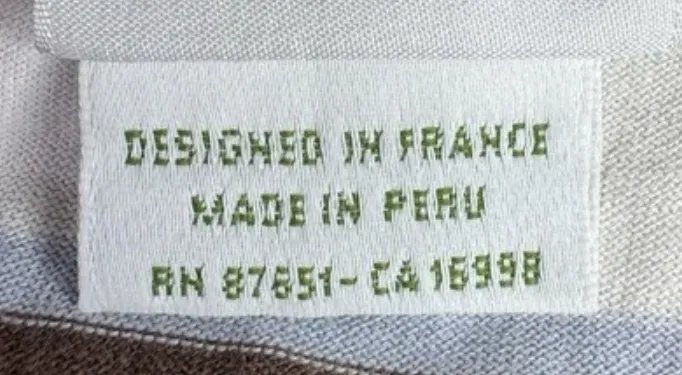
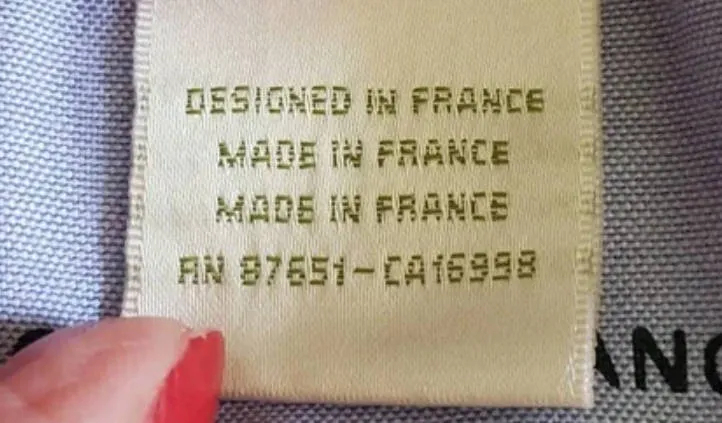
✔️ Real
-
Made in El Salvador, Peru, France, Vietnam, etc.
-
Clearly labeled
❌ Fake
-
Missing country label
-
Fake or unusual origin claims
10. Packaging & Retail Source
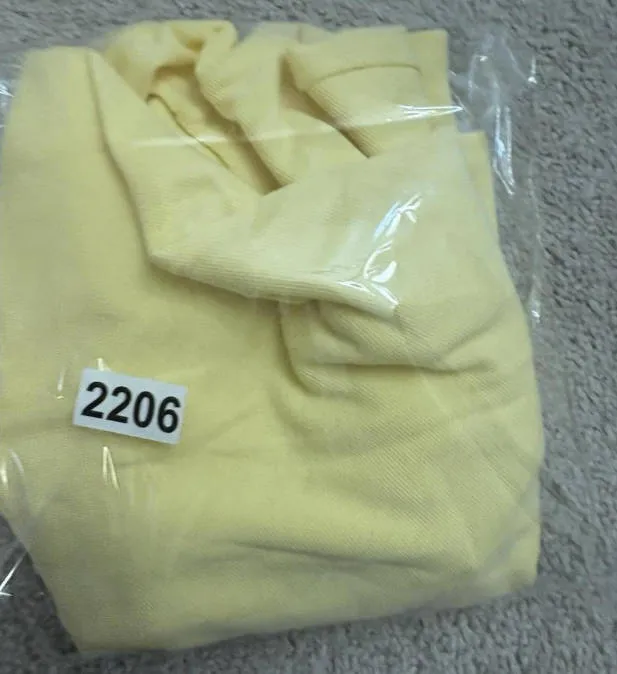
✔️ Real
-
Purchased from official stores or trusted retailers
-
Clean packaging with proper branding
❌ Fake
-
No packaging or generic plastic wrap
-
Suspiciously low price
-
Unknown sellers
❓ FAQ — Lacoste Polo Authentication
Q1. Are all Lacoste polos made in France?
No. While Lacoste is a French brand, production is global (Turkey, Peru, etc.).
Q2. Can real Lacoste polos have slight logo variations?
Yes. Minor variations exist depending on production batch, but overall quality and detail remain consistent.
Q3. Do all authentic polos have numeric sizing?
Most do. Numeric sizing is a strong authenticity indicator, though some regional releases may vary.
Q4. Is a missing QR code a red flag?
Not necessarily. Older models may not include QR codes—but modern ones often do.
Q5. Are vintage Lacoste polos different?
Yes. Vintage pieces may have different tags or logo styles, but quality and craftsmanship remain high.
Q6. What is the biggest giveaway of a fake?
The logo. Poor embroidery is the most common flaw in counterfeit Lacoste polos.
📝 Final Thoughts
Authenticating a Lacoste polo comes down to attention to detail. While counterfeit versions may mimic the overall look, they almost always fall short in key areas—especially logo precision and tag quality.
If you're unsure, remember this:
👉 Logo + Tags = 80% of the authentication decision
Combine that with fabric quality, stitching, and purchase source, and you'll dramatically reduce your risk of buying a fake.
In today's resale and online marketplace landscape, being able to confidently authenticate pieces from Lacoste is not just helpful—it's essential.