👜 About Hermès Birkin Bag
The Hermès Birkin is one of the most recognizable luxury handbags in the world. Introduced in the 1980s, it was created after a chance conversation between actress Jane Birkin and Hermès executive Jean-Louis Dumas about the need for a practical yet elegant bag. Over the years, it has become a symbol of craftsmanship, exclusivity, and long-term value.
1. Design Concept
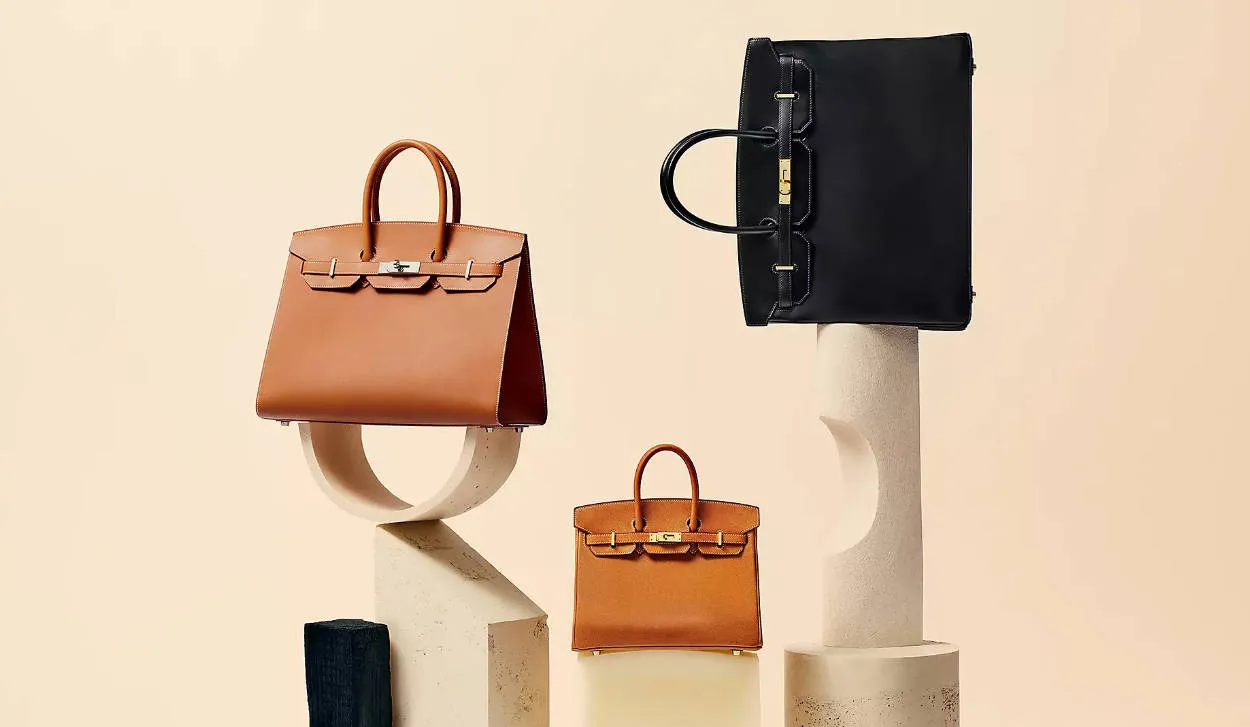
The Birkin is defined by a structured silhouette, double rolled handles, a flap closure secured by a touret lock, and a minimalist yet functional profile. It is designed for daily use but executed with an attention to detail typically reserved for haute couture.
2. Craftsmanship
Each Birkin is handmade by a single Hermès artisan using traditional saddle-stitching techniques. Production can take 15–20 hours or more depending on material and size. The brand prioritizes durability, consistency, and restrained aesthetics.
3. Materials
Hermès uses a wide range of leathers and exotic skins. Common options include:
-
Togo – textured, lightweight, and scratch-resistant
-
Clemence – softer with a slouchier appearance
-
Epsom – embossed and more structured
-
Swift – smooth with a soft sheen
-
Exotics – crocodile, alligator, ostrich, and lizard
Hardware is typically palladium or gold-plated, with occasional special finishes.
4. Sizes
The most common sizes are:
-
Birkin 25 – compact and structured, often seen as more formal
-
Birkin 30 – balanced proportions, suitable for daily use
-
Birkin 35 – more spacious, classic and practical
-
Birkin 40 – travel-oriented
Hermès also produces limited and seasonal variations.
5. Exclusivity and Market
Due to the brand’s controlled distribution and high demand, Birkin bags can be difficult to purchase directly in boutiques. The resale market is active, and prices often remain stable or appreciate, especially for rare colours and exotic skins.
🧭 Hermès Birkin Bag Real vs. Fake Guide
Quick Authenticity Checklist
| Detail to Inspect | What a Real Birkin Shows | Red Flags in a Fake |
| Heat Stamp | Crisp, deep, hand-pressed, evenly spaced letters | Blurry, shallow, printed, uneven alignment |
| Blind Stamp (Date Code) | Deep, clean, correct format, artisan & year code | Too shallow, wrong font, missing, sloppy |
| Stitching | Hand saddle-stitch, angled, even, tight | Machine-perfect, loose threads, uneven |
| Leather Quality | Consistent grain, natural smell, premium interior | Plastic feel, chemical smell, uneven dye |
| Hardware | Weighted metal, deep engraving, flat-slot screws | Light metal, faint engraving, wrong screws |
| Lock & Keys | Matching numbers, sharp engraving | Mismatched/incorrect engraving |
| Clochette | One folded leather piece | Two glued layers, messy construction |
| Shape & Structure | Balanced, structured, holds silhouette | Too stiff, too soft, loses shape |
| Dust Bag & Packaging |
Thick herringbone fabric, clean logo | Thin/rough, blurred/incorrect logo |
| Seller & Price | Market-value, transparent, provides photos/provenance | Far below market, vague info, pushy or secretive |
Buying a Hermès Birkin is a major investment, so authenticating it carefully is essential. A genuine Birkin showcases exceptional craftsmanship, flawless materials, and signature Hermès construction techniques that counterfeit bags almost never replicate accurately. Here are the most important details to examine when evaluating authenticity.
1. Examine the Heat Stamp
Every Birkin features a heat-stamped logo that reads:
HERMÈS
PARIS
MADE IN FRANCE
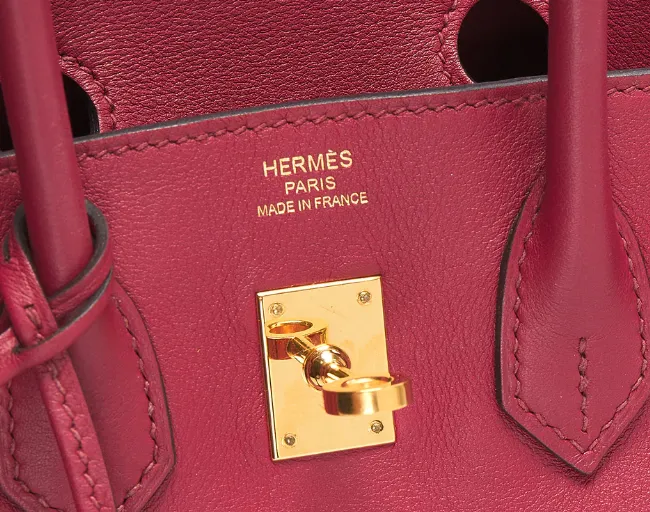
Real:
-
The stamp is hand-pressed, not machine stamped.
-
Letters are crisp, sharp, evenly spaced, and consistent in depth.
-
The text does not wobble or look overly deep.
-
On many models, the logo is directly under the flap; placement should be symmetrical and aligned.
Fake:
-
Blurry edges
-
Letters that are too thin or too thick
-
Stamps that appear printed rather than heat-pressed
-
Uneven alignment
2. Check the Blind Stamp
Inside every Birkin is a blind stamp indicating:
-
The year of production, and
-
The artisan who crafted it.
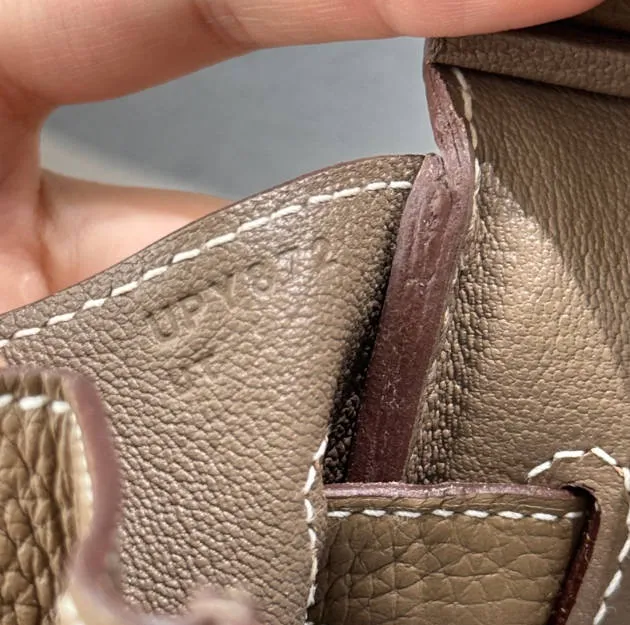
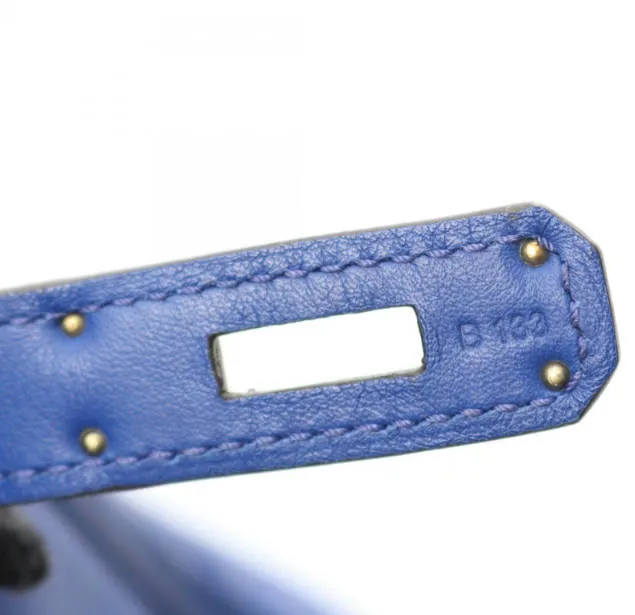
Real:
-
Are deep enough to feel with your fingertip
-
Have clean, even lines
-
Match Hermès' official yearly coding system
-
Often sit on the interior of the bag or the strap, depending on the year
Fake:
-
Too shallow
-
Incorrect in font or code format
-
Missing entirely
-
Messy in execution
3. Inspect Saddle Stitching
Hermès bags are entirely hand-stitched using saddle stitching — a technique impossible to fully mimic by machine.
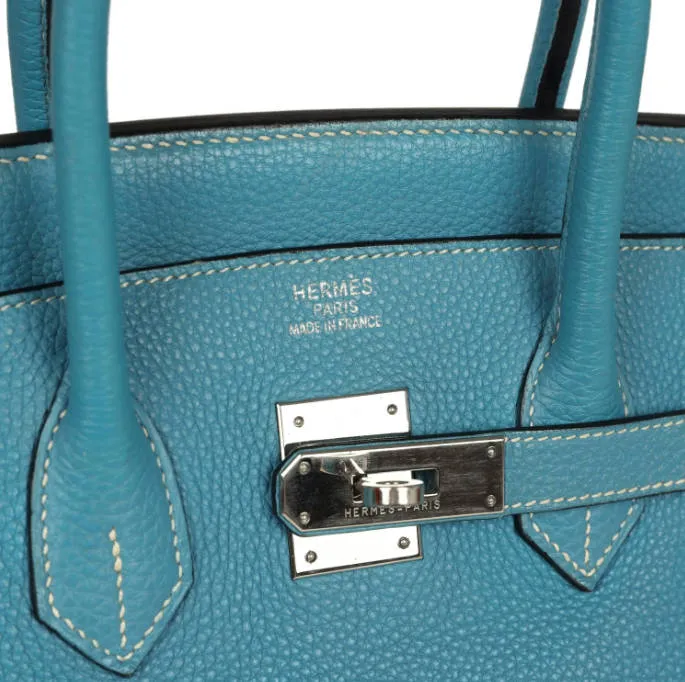
Look for:
-
Slightly angled stitches (not straight up-and-down)
-
Perfectly even spacing
-
No loose threads
-
Especially clean stitching around:
✧ The handles
✧ The turn-lock plate
✧ The "arrow patch" beneath each handle
Fake stitching tends to be:
-
Too straight
-
Too uniform (machine-perfect)
-
Uneven in places
-
Loosely tied off
4. Evaluate the Leather
Hermès uses carefully selected, high-grade leathers such as Togo, Clemence, Epsom, Box, and Swift.
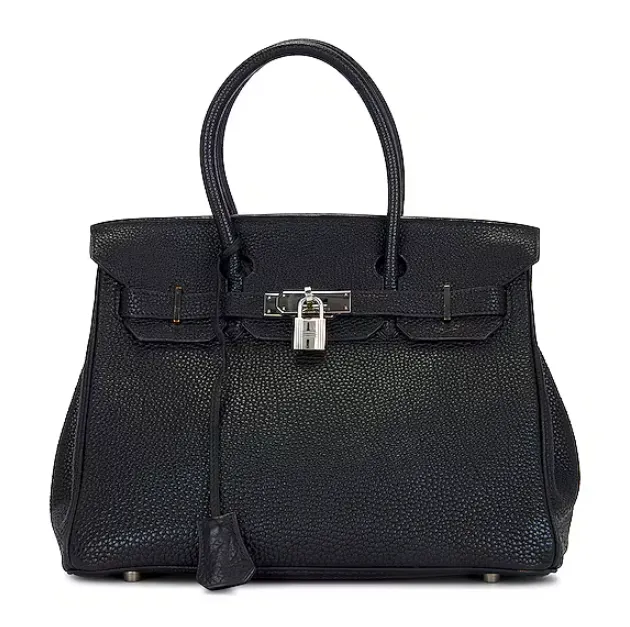
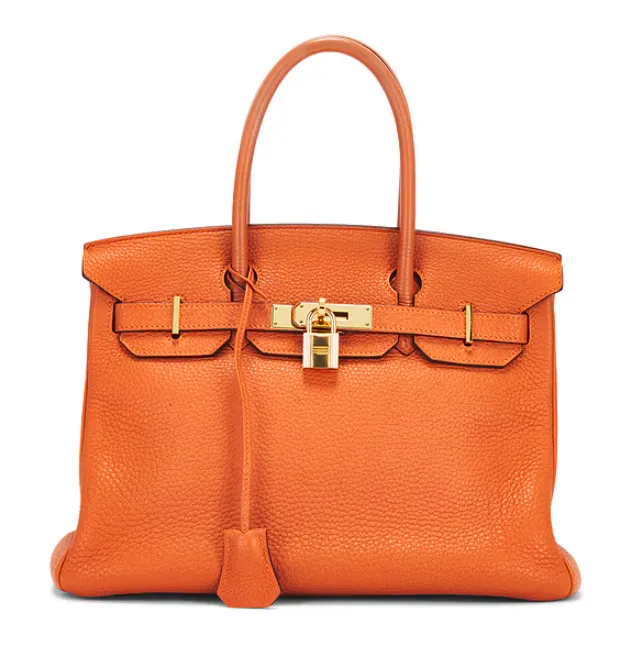
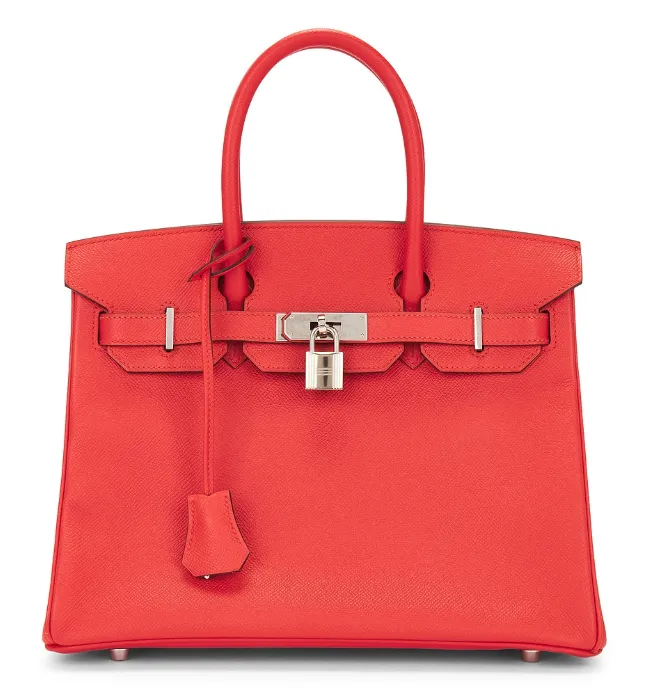
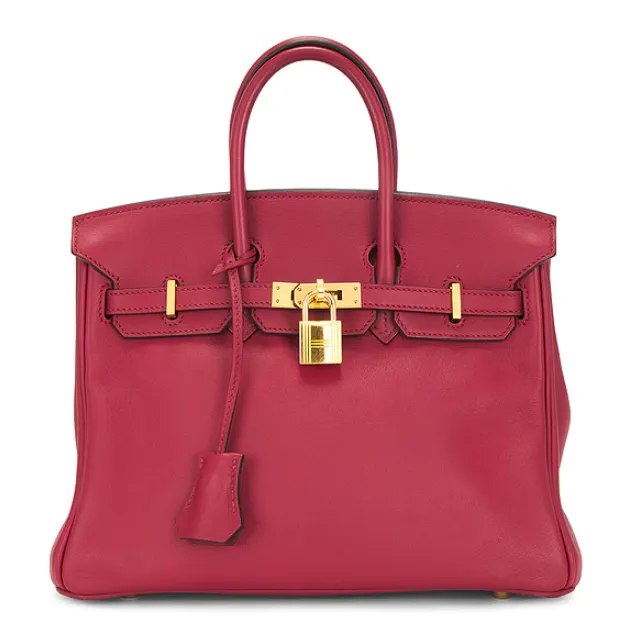
Real:
-
The grain is consistent, never plasticky
-
It has a rich smell, not chemical
-
Texture matches the leather type (e.g., Togo has visible raised grain, Epsom is embossed and more rigid)
-
The interior leather is also premium — fakes often cut costs on the inside
Fake:
-
Synthetic smell
-
Cheap interior lining
-
Overly shiny or plastic grain
-
Uneven dye color
5. Study the Hardware
Hermès hardware is as refined as its leatherwork.
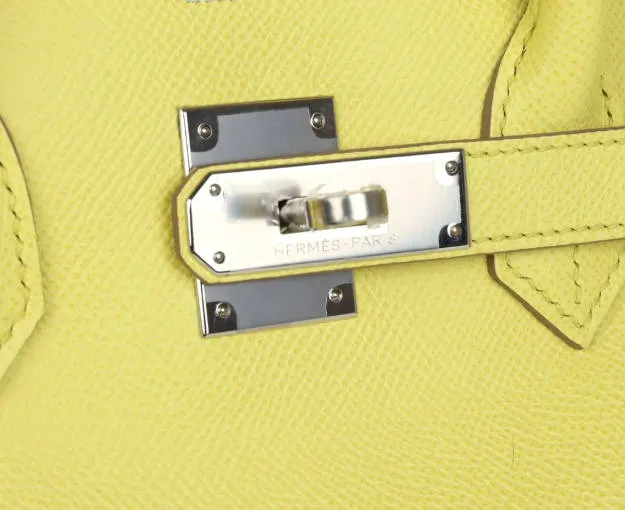
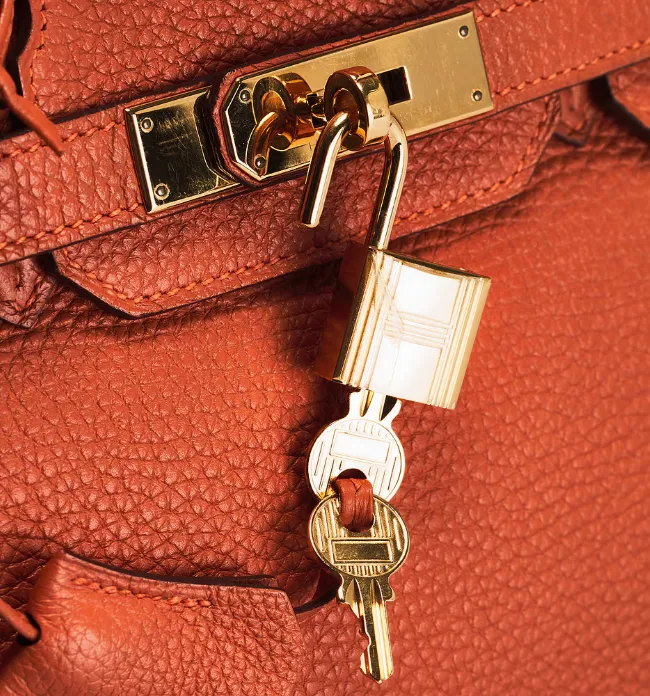
Real:
-
Hardware has weight — it should not feel hollow or cheap
-
Engravings on the lock, keys, and plates are deep, precise, and clean
-
Lock and keys are number-matched
-
The clochette (key holder) is crafted from a single folded piece of leather, not two pieces glued together
-
Feet and screws have specific, consistent shapes
-
Screws are typically flat-slot, not Phillips/cross screws
Fake:
-
Light or tinny hardware
-
Shallow or incorrect engraving
-
Mismatched lock and key numbers
-
Incorrect screw types
-
Poorly made clochettes
6. Consider Weight, Structure & Shape
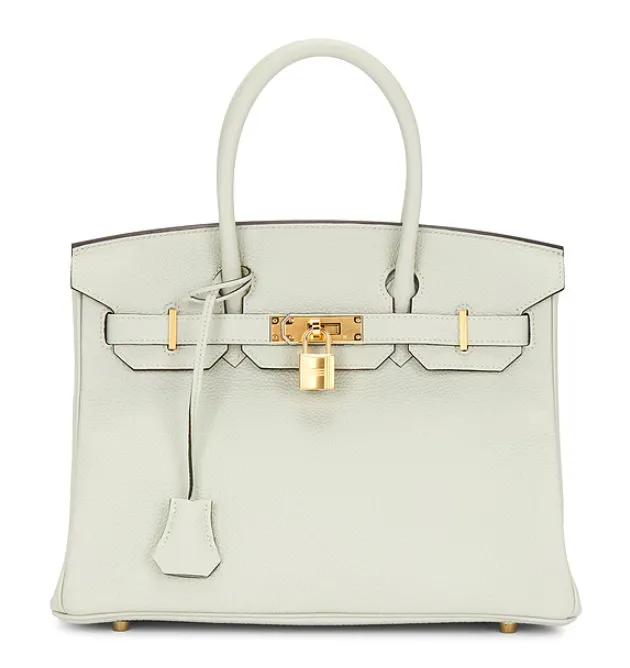
Real:
-
Holds its silhouette naturally
-
Has a structured base and sturdy sides (varies slightly by leather type)
-
Never feels overly stiff or floppy
Fake:
-
Lose shape quickly
-
Are either too rigid or too soft
-
Can feel off-balance or uneven at the bottom
7. Dust Bag & Packaging
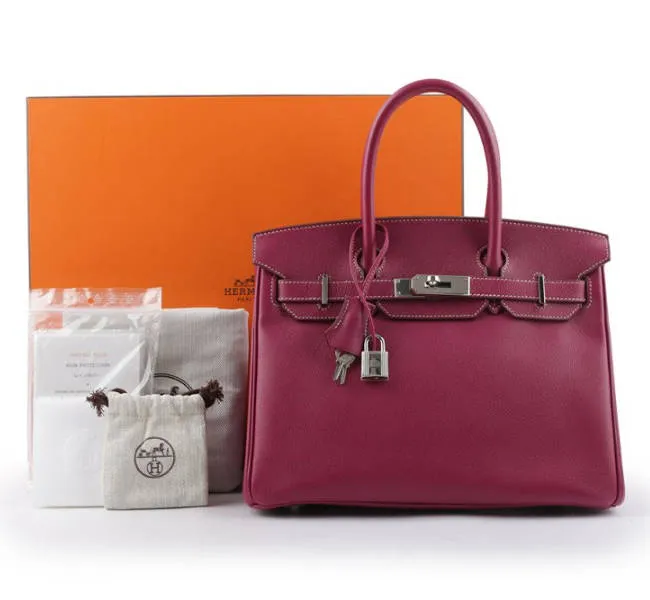
-
Dust bag made of high-quality herringbone fabric.
-
Logo cleanly printed.
-
Packaging alone is not proof; verify with other cues.
Red flags:
-
Thin, rough fabric
-
Incorrect logo or color
8. Price & Seller Behavior
-
Birkin rarely sells below market value.
-
Watch for sellers unwilling to provide clear photos or provenance.
-
Avoid rushed or pushy deals.
9. Professional Verification
-
When in doubt, use reputable third-party authentication or Hermès boutique verification.
-
Small details invisible to non-experts can confirm authenticity.
🔔 Conclusion
Authenticating a Hermès Birkin requires careful attention to detail, from leather quality and stitching to hardware, stamps, and overall structure. While replicas can mimic the look superficially, subtle cues—such as hand saddle-stitching, crisp heat stamps, and precise hardware engravings—set genuine Birkins apart. By following this guide and using the quick checklist, you can approach any purchase with confidence, minimizing risk and ensuring that your investment is truly authentic. When in doubt, professional authentication remains the most reliable safeguard.