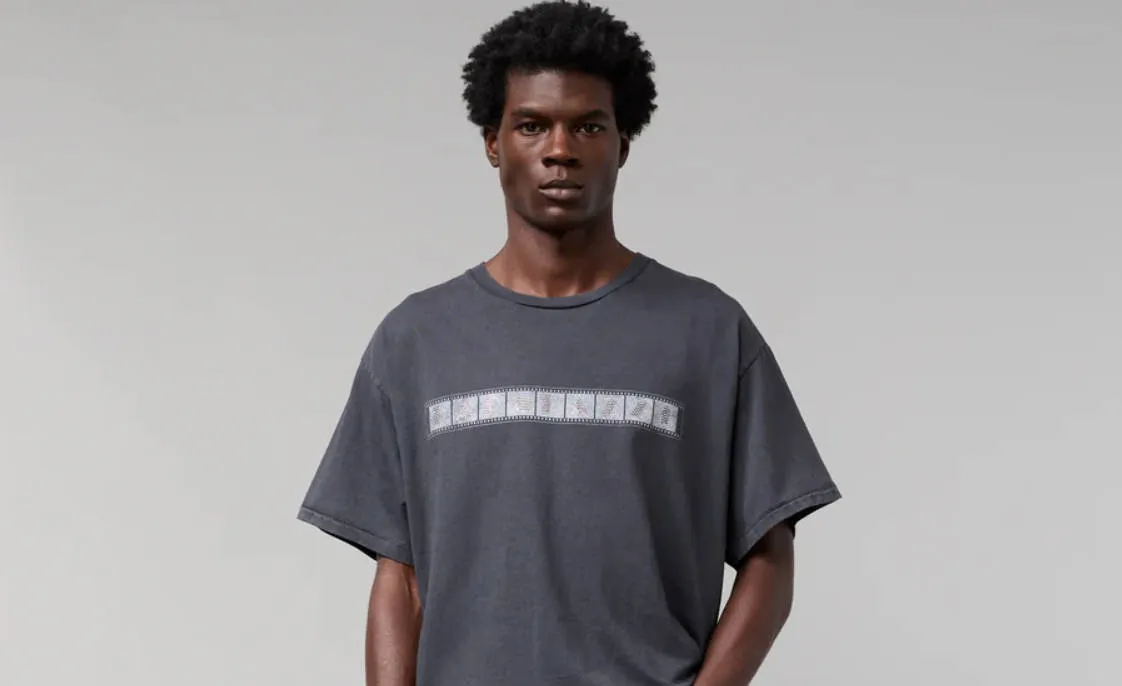
Gallery Dept has redefined modern luxury with its distressed aesthetic and artistic 'repurposed' vibe. However, with its soaring popularity in the streetwear scene, the market has been flooded with high-quality replicas that are becoming increasingly difficult to spot. If you're looking to add a genuine piece to your collection without getting burned by a counterfeit, a thorough legit check is essential. In this guide, we'll dive deep into the micro-details to ensure your Gallery Dept shirt is the real deal.
👕 Gallery Dept. Shirt Overview
Founded in Los Angeles by artist Josué Thomas, Gallery Dept. is not just a fashion label—it's an art-driven streetwear project. The brand started as a studio where vintage garments were reworked into one-of-a-kind pieces, blending fine art, DIY culture, and streetwear aesthetics.
Its philosophy—"collaborate, create, rebel"—is reflected in every shirt, emphasizing individuality over mass production.
1. What Is a Gallery Dept Shirt?
A Gallery Dept shirt (T-shirt, flannel, or button-up) is best described as:
👉 "wearable art" with a vintage, distressed, and hand-finished aesthetic
Unlike traditional streetwear tees, these shirts are often:
-
Reconstructed or reworked from vintage garments
-
Treated with paint, dye, or distressing techniques
-
Produced in small batches (sometimes one-of-one)
This makes each piece feel unique rather than mass-produced.
2. Key Design Features
① Artistic Graphics & Branding
-
Bold screen-printed logos (often on back)
-
Slogans like "Art That Kills"
-
Graphic-heavy, statement-driven designs
👉 The prints are intentionally imperfect—cracking, fading, or uneven placement is part of the look.
② Distressed & Vintage Finish
-
Washed-out colors (faded black, vintage white)
-
Raw hems or frayed edges
-
Paint splatters or dye marks
This "aged" effect is deliberate, inspired by vintage Americana and workwear.
③ Reconstructed / DIY Elements
-
Patchwork panels
-
Asymmetrical cuts
-
Re-sewn seams
Some shirts are literally rebuilt from older garments, reinforcing the brand's upcycling philosophy.
④ Oversized Streetwear Fit
-
Boxy silhouette
-
Dropped shoulders
-
Slightly cropped or relaxed length
Fit is typically loose and casual, aligning with modern luxury streetwear trends.
⑤ Premium Materials
-
Heavyweight cotton
-
Soft but structured feel
-
Made (often) in Los Angeles
Despite the distressed look, quality is intentionally high-end.
3. Why Are Gallery Dept Shirts So Expensive?
① Handmade / Labor-Intensive
Each piece often involves:
-
Hand-painting
-
Custom dyeing
-
Reconstruction
② Limited Production
Low-volume releases create scarcity and hype.
③ "Art Piece" Positioning
The brand positions clothing as collectible art, not just apparel.
4. Who Should Buy It?
Best for:
-
Streetwear enthusiasts
-
Vintage lovers
-
People into artistic / expressive fashion
Not ideal for:
-
Minimalist style
-
Budget shoppers
-
Those wanting clean, polished basics
Known for its vintage-inspired aesthetics, hand-finished details, and artistic approach to fashion, Gallery Dept. shirts are highly sought-after—and increasingly counterfeited. Whether you're buying from resale platforms, vintage stores, or online marketplaces, knowing how to authenticate a Gallery Dept. shirt is essential. Below are the most important details to examine before making a purchase.
🧭 Gallery Dept Shirt Real vs. Fake Guide
⚡ Quick Authentication Checklist
| Check Point | Authentic Characteristics | Red Flags |
| Logo Print | Slightly imperfect, artistic finish | Too clean or overly thick |
| Neck Tag | Crisp print, correct spacing | Blurry, misaligned text |
| Wash Tag | Detailed, consistent formatting | Generic or missing details |
| Fabric | Premium vintage cotton feel | Thin, stiff, or synthetic |
| Distressing | Intentional, unique | Random or machine-made |
| Stitching | Clean but not overly perfect | Sloppy or overly uniform |
| Fit | Boxy, relaxed | Tight or inconsistent sizing |
| Made In Label | Often USA or limited runs | Incorrect country info |
| Print Aging | Naturally faded look | Artificial or overly new |
| Price | High retail/resale value | Suspiciously cheap |
1️⃣ Logo Print: Artistic Imperfection Is Key
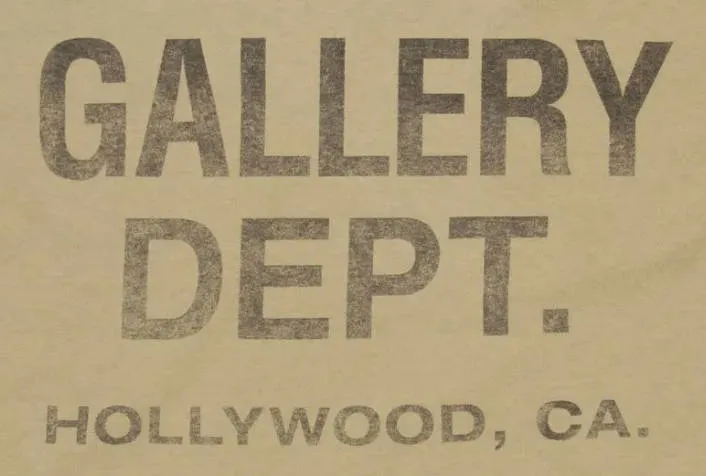
Gallery Dept. is built around handcrafted aesthetics, so the logo is never overly perfect.
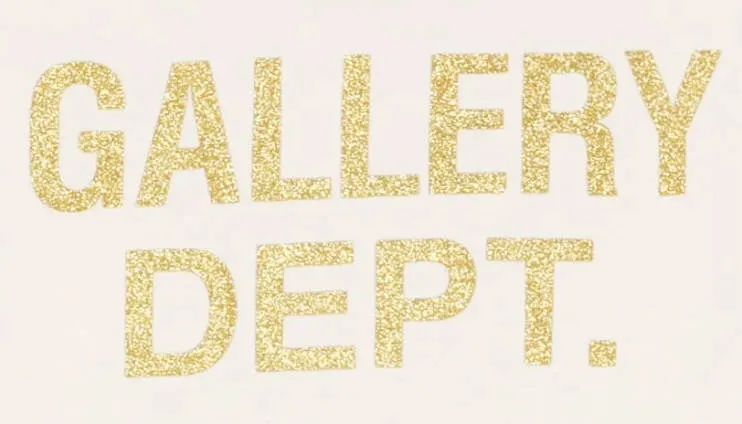
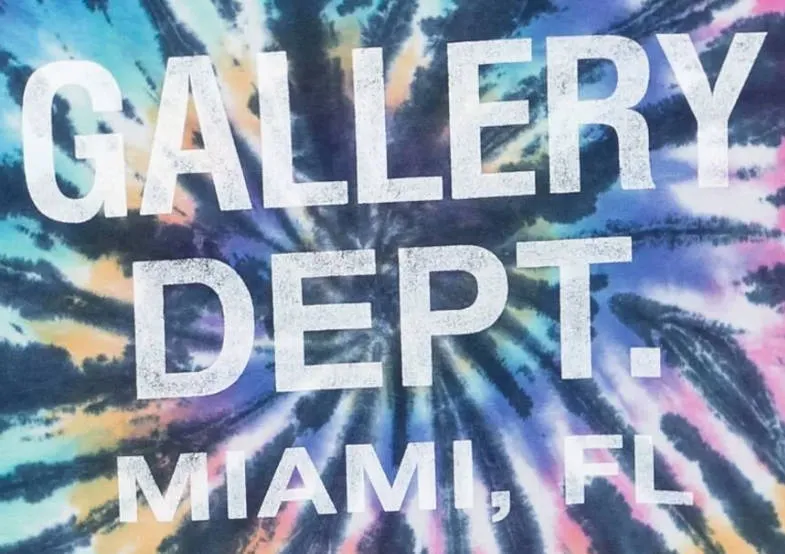
✔️ Real
-
Slight fading or uneven ink distribution
-
Vintage-style cracking or wear
-
Looks intentionally distressed
❌ Fake
-
Thick, overly bold print
-
Perfect edges with no texture
-
Glossy or plasticky finish
👉 Pro Tip: If the logo looks "too perfect," it's likely fake.
2️⃣ Neck Tag: Font, Spacing & Alignment
The neck tag is one of the most reliable authentication points.
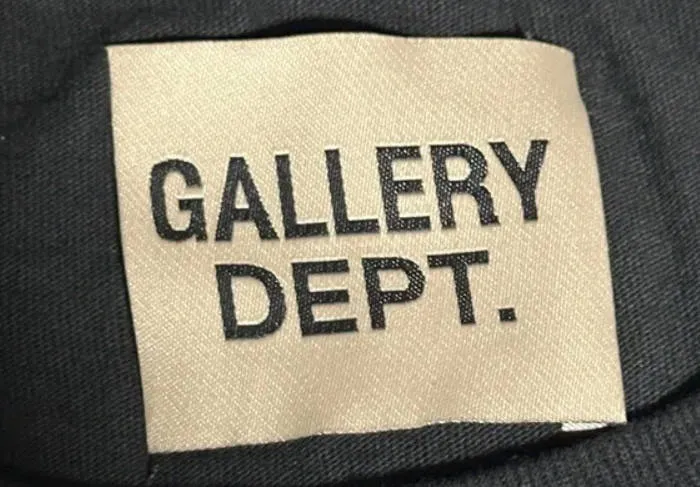
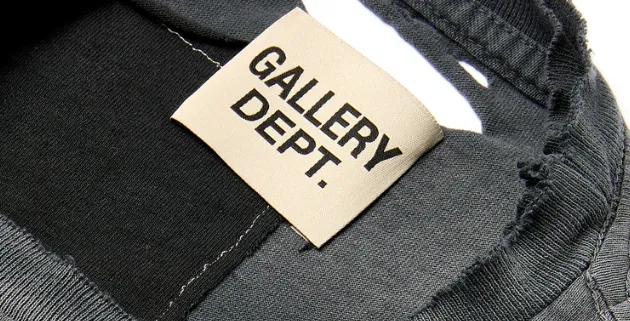
✔️ Real
-
Clean, sharp text
-
Balanced spacing between letters
-
Proper alignment (centered, not tilted)
❌ Fake
-
Blurry or pixelated printing
-
Letters too close or uneven
-
Tag sewn crookedly
3️⃣ Wash Tag: Small Details Matter
Gallery Dept. wash tags are often overlooked—but they reveal a lot.
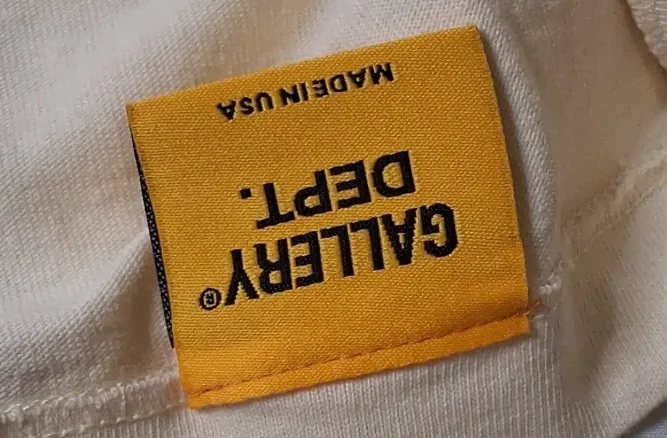
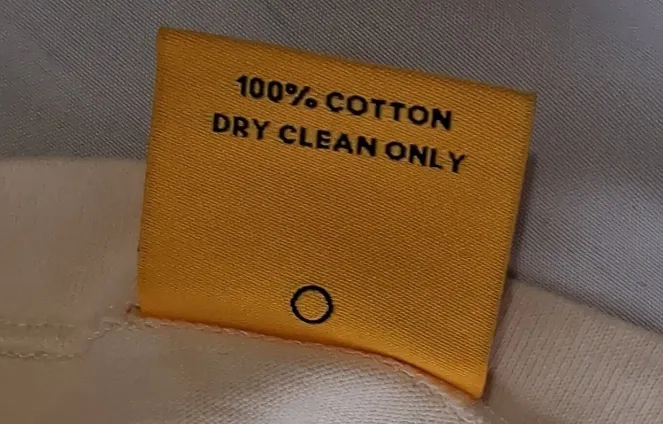
✔️ Real
-
High-quality fabric tag
-
Clear washing instructions
-
Consistent font and spacing
❌ Fake
-
Generic or blank tags
-
Misspellings or poor grammar
-
Cheap, papery material
4️⃣ Fabric Quality: Premium Vintage Feel
Authentic shirts use high-quality cotton, often with a vintage texture.
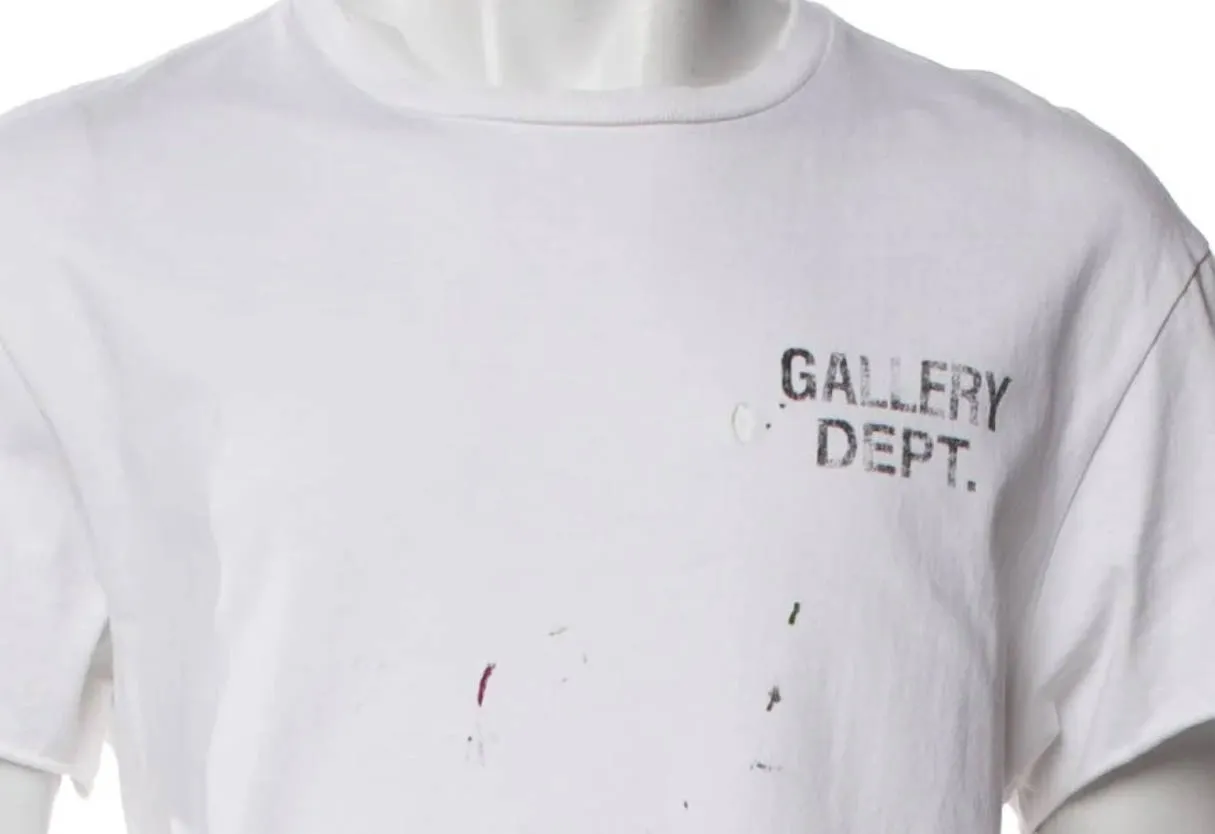
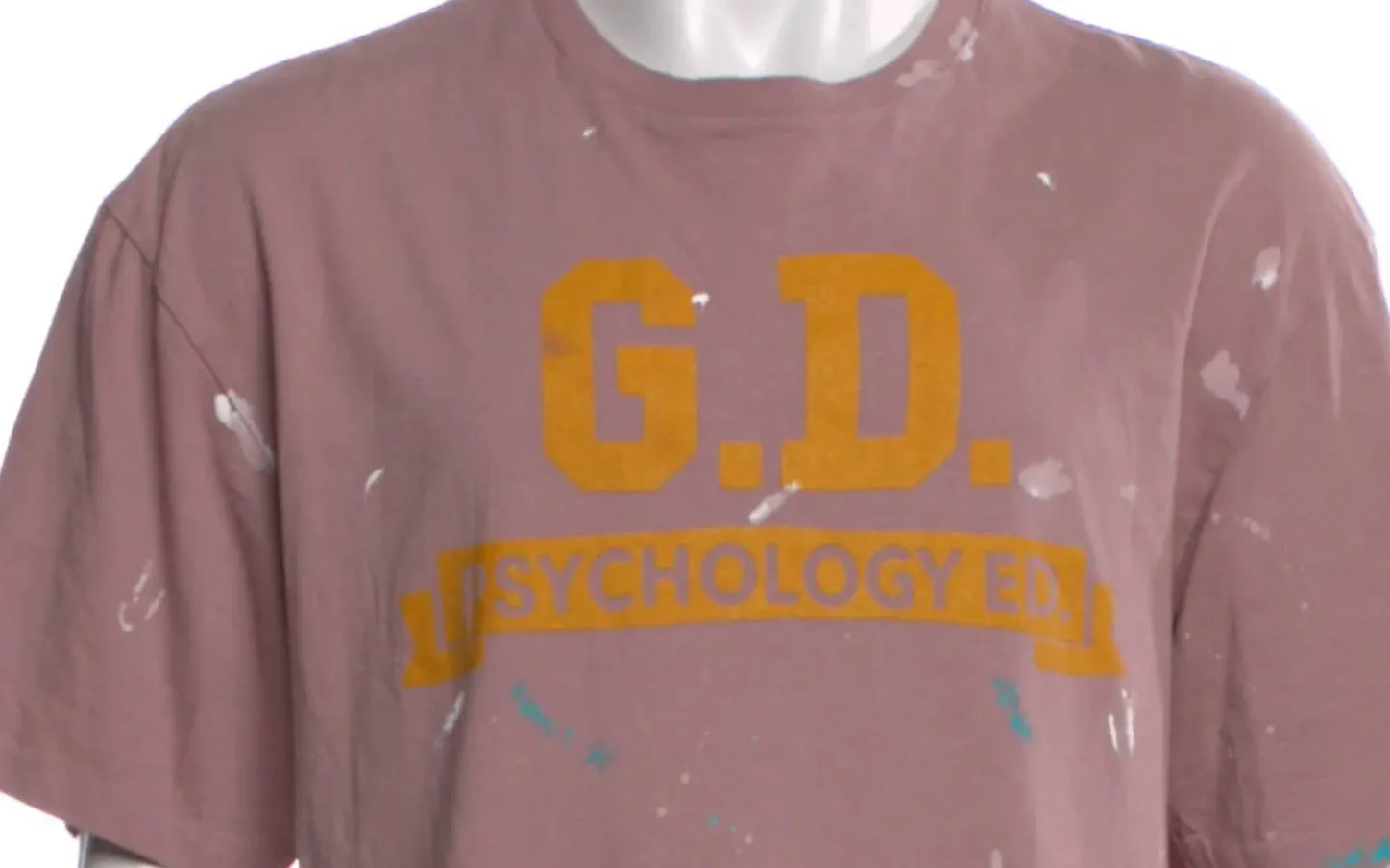
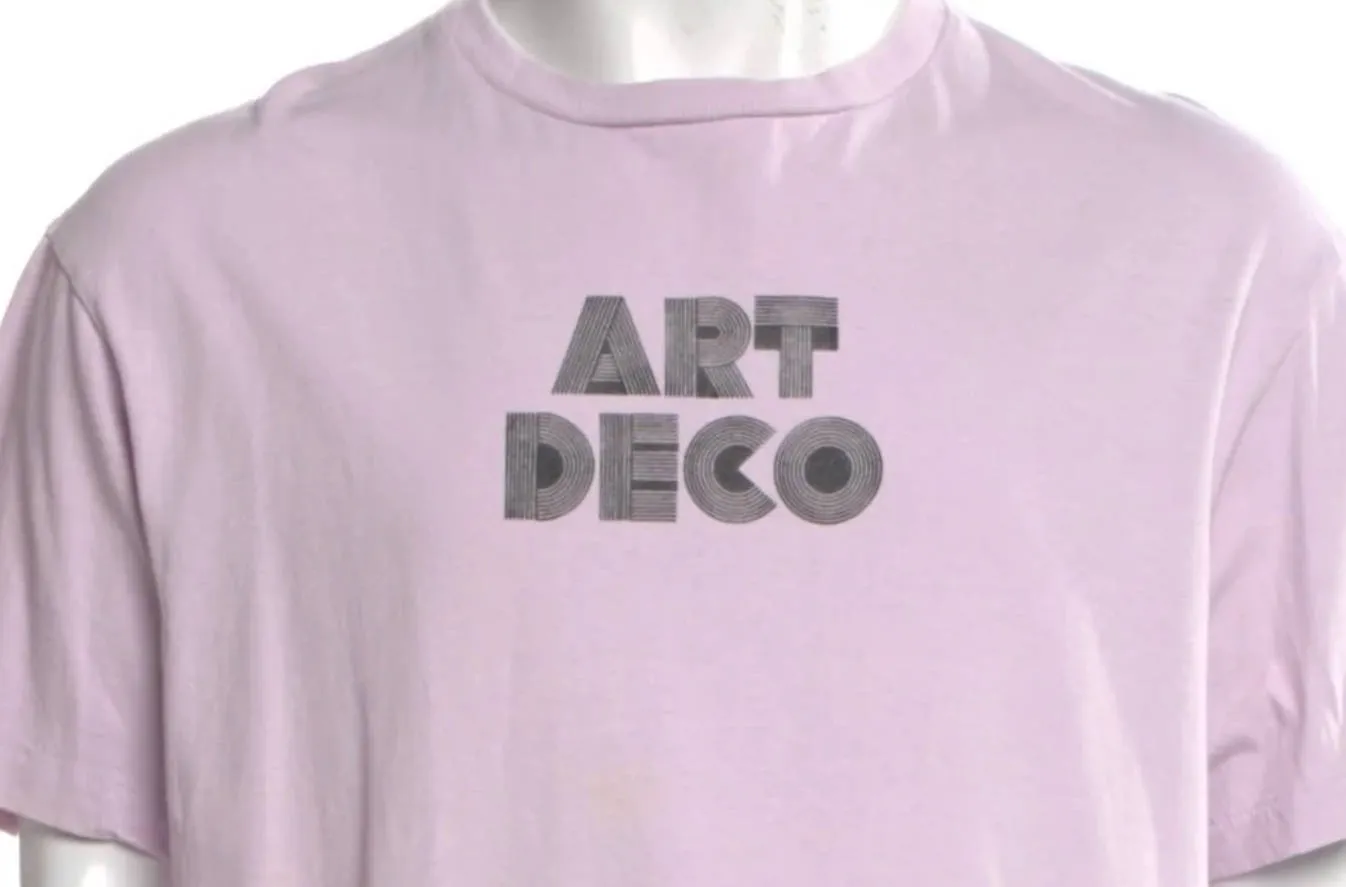
✔️ Real
-
Soft yet slightly heavy
-
Pre-washed or garment-dyed feel
-
Breathable and durable
❌ Fake
-
Thin or overly stiff
-
Synthetic feel
-
Lacks depth in texture
5️⃣ Distressing & Paint Details
One of the brand's signatures is intentional distressing and paint splatter.
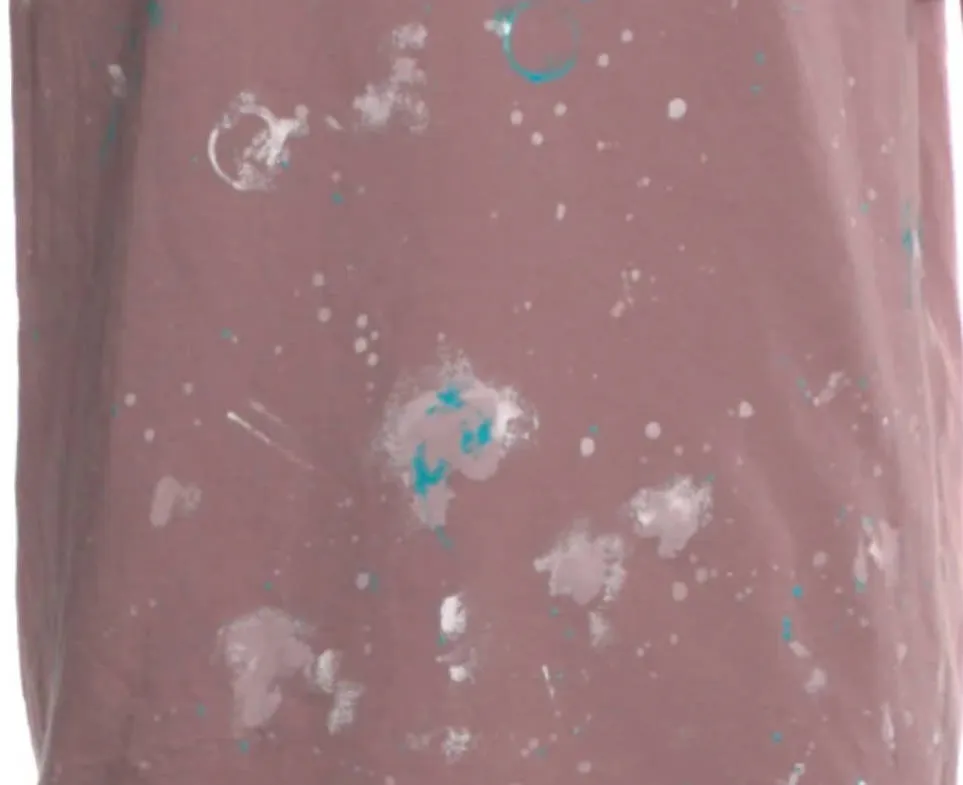
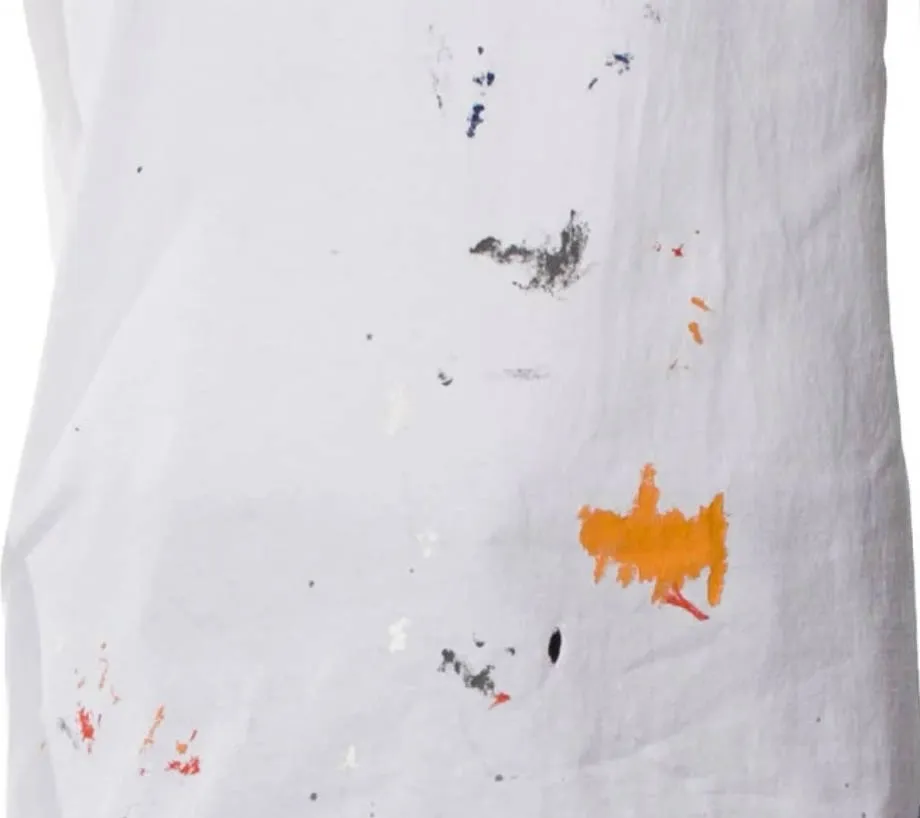
✔️ Real
-
Unique per piece
-
Organic placement
-
Looks artistic and deliberate
❌ Fake
-
Repetitive patterns
-
Random or messy application
-
Machine-like consistency
6️⃣ Stitching: Controlled Imperfection
Gallery Dept. pieces are not factory-perfect—but they're still high quality.
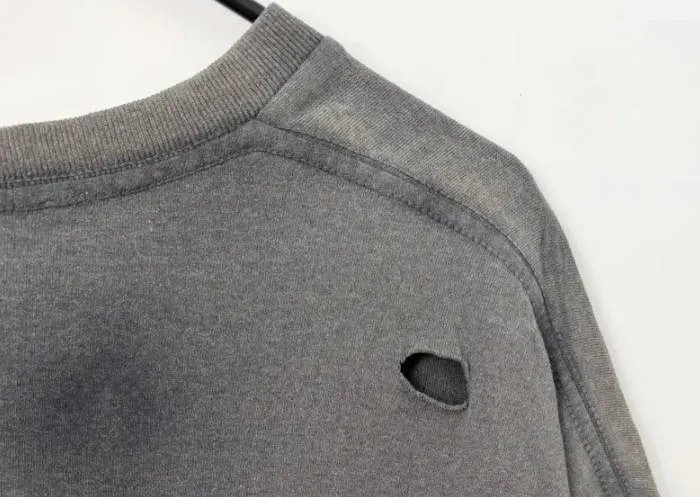
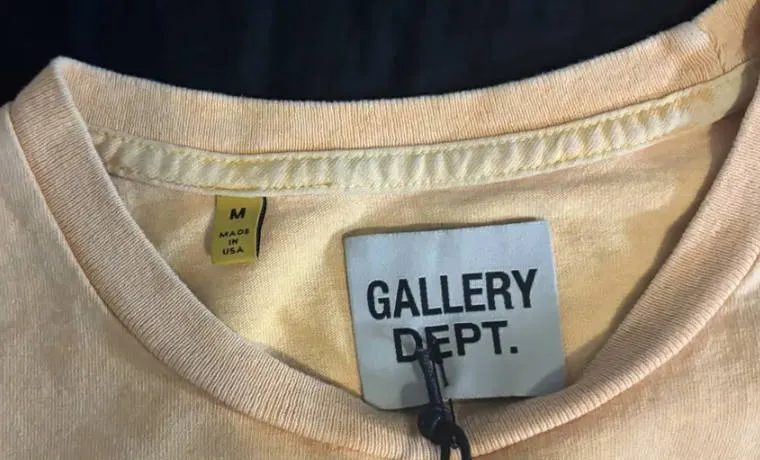
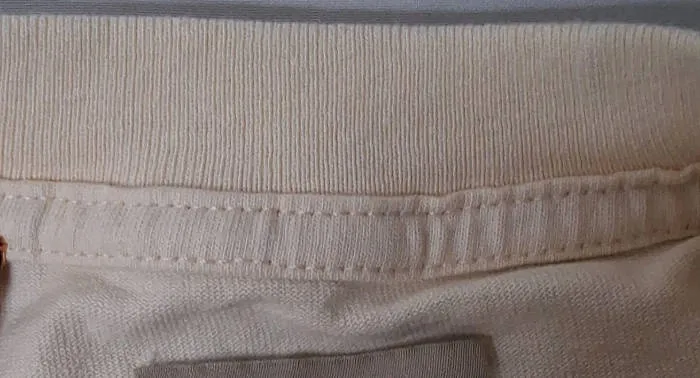
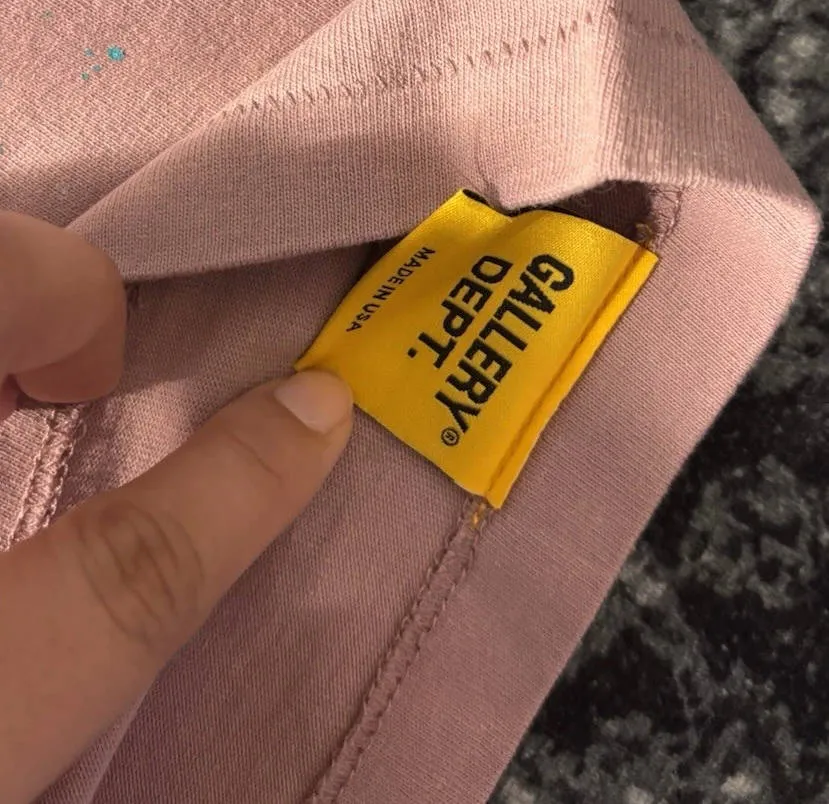
✔️ Real
-
Slight irregularity (intentional)
-
Strong, durable stitching
-
Clean finishing overall
❌ Fake
-
Loose threads
-
Uneven seams
-
Overly perfect factory stitching (ironically a red flag)
7️⃣ Fit & Cut: Signature Silhouette
Gallery Dept. shirts typically feature a boxy, relaxed fit.
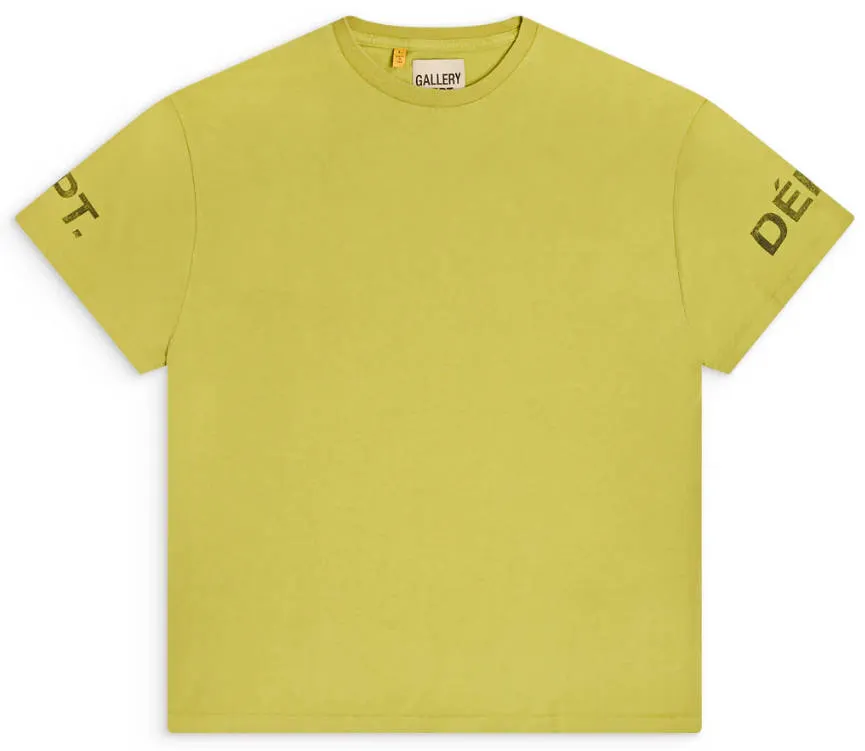
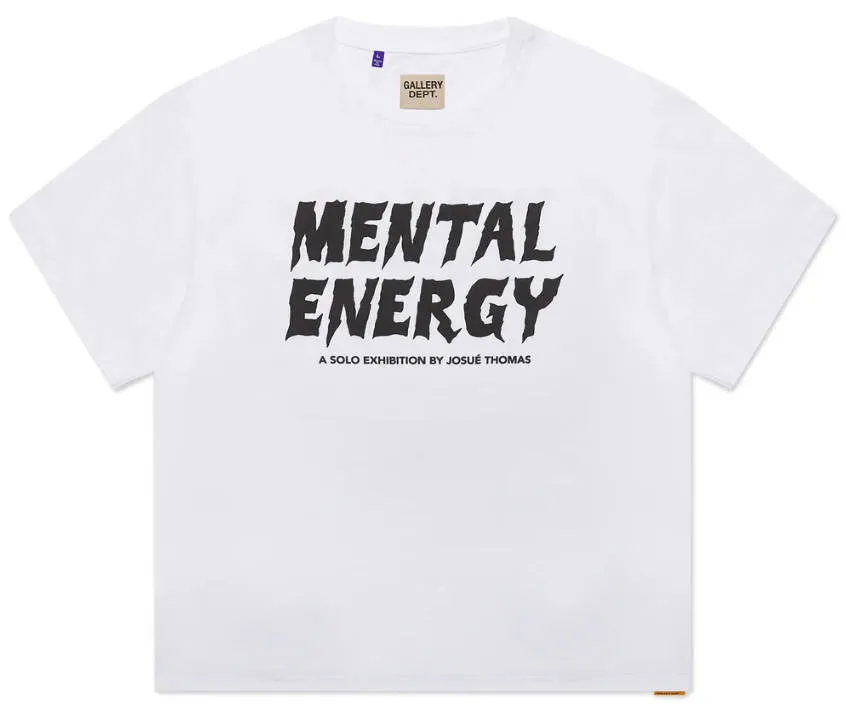
✔️ Real
-
Slightly oversized
-
Dropped shoulders
-
Consistent sizing across pieces
❌ Fake
-
Slim or tight fit
-
Inconsistent proportions
-
Feels like generic blanks
8️⃣ Made In Label: Production Clues
Many authentic pieces are produced in limited runs, often in the USA.
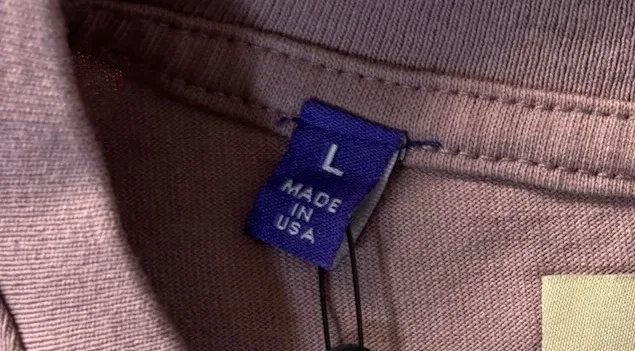
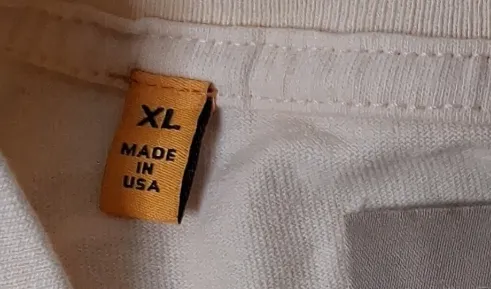
✔️ Real
-
"Made in USA" (common but not universal)
-
Matches overall tag quality
❌ Fake
-
Incorrect country labels
-
Mismatch between tags and product style
9️⃣ Print Aging & Wash Effect
Authentic Gallery Dept. shirts often look aged from day one.
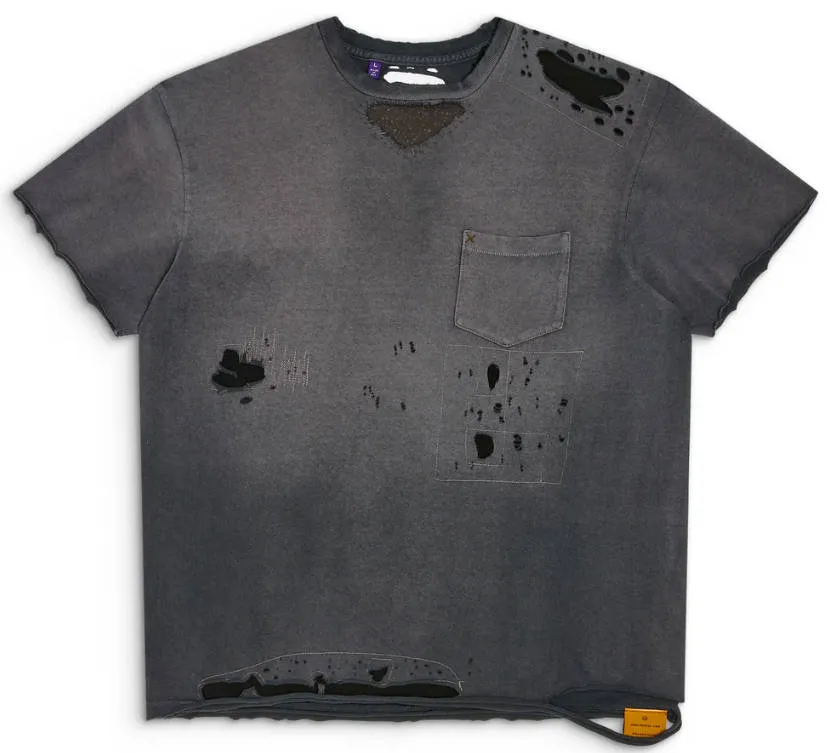
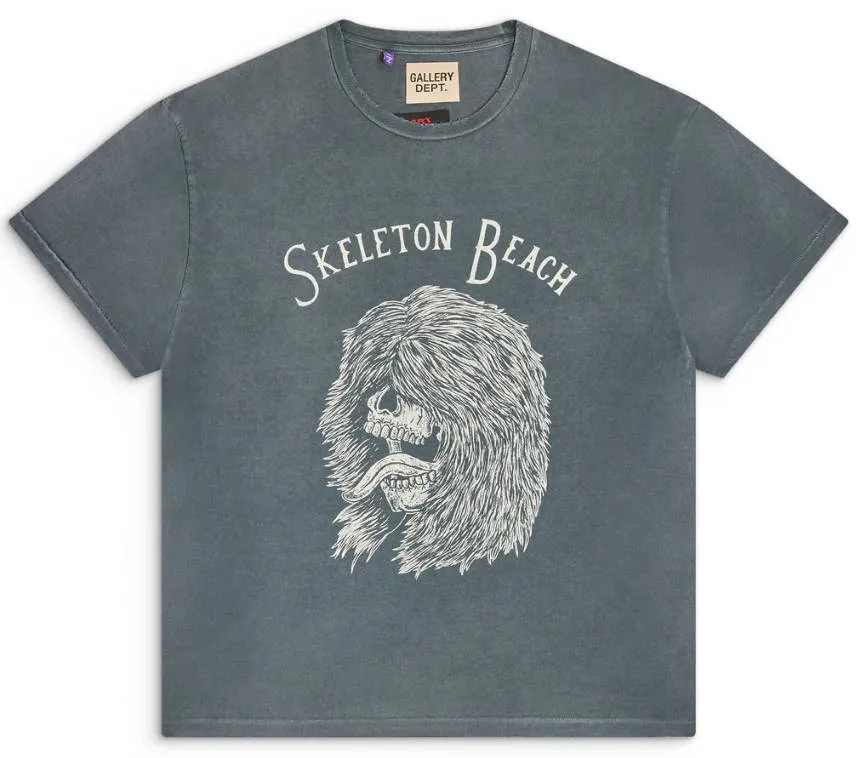
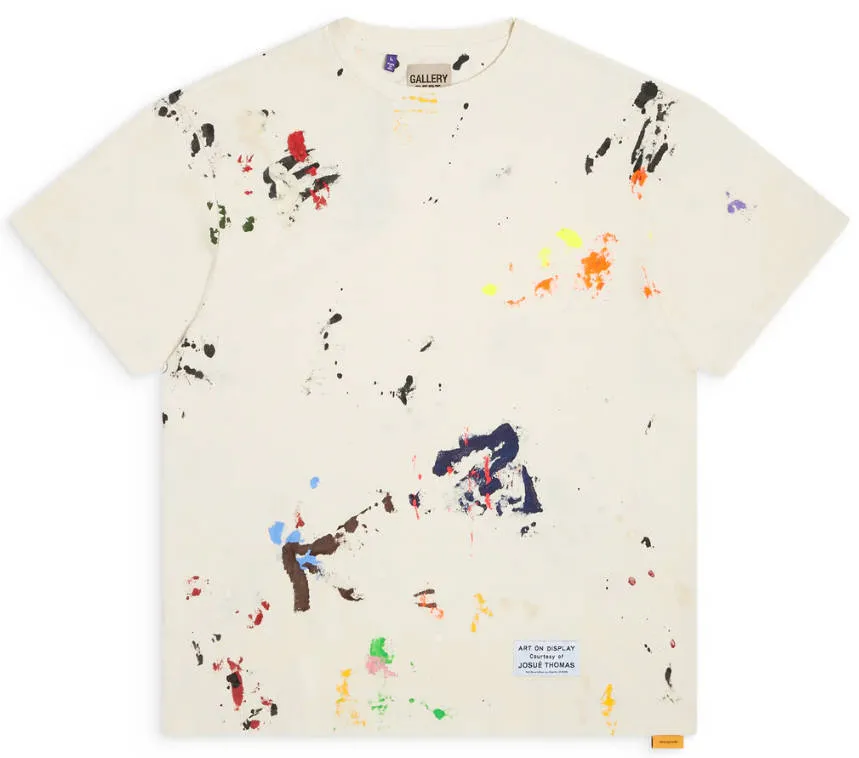
✔️ Real
-
Natural fading
-
Subtle wash variations
-
Vintage aesthetic
❌ Fake
-
Overdone distressing
-
Artificial fading patterns
-
Looks either too new or overly worn
🔟 Price & Source Check
Price alone won't confirm authenticity—but it's a strong indicator.
✔️ Real
-
Retail: ~$150–$400+
-
Resale: Often higher for rare pieces
❌ Fake
-
Extremely low prices ($20–$80)
-
Unknown sellers or suspicious listings
❓ FAQ: Gallery Dept. Authentication
Q1. Are all Gallery Dept. shirts distressed?
Not all—but many feature intentional aging, fading, or paint details. Completely "clean" pieces should still show premium quality.
Q2. Do authentic shirts always say "Made in USA"?
No. While many do, production can vary. Always verify overall tag quality, not just origin.
Q3. Why do authentic logos look imperfect?
That's part of the brand identity—handcrafted, artistic imperfection is intentional.
Q4. Is a high price a guarantee of authenticity?
No. Some fakes are sold at high prices. Always combine price with physical checks.
Q5. Where is the safest place to buy?
-
Trusted resale platforms
-
Reputable boutiques
-
Verified sellers with strong reviews
Q6. Are vintage blanks used in authentic pieces?
Yes—Gallery Dept. often repurposes vintage garments, which adds uniqueness.
📝 Final Thoughts
Authenticating a Gallery Dept. shirt comes down to understanding one core idea:
👉 Authenticity lies in controlled imperfection.
Unlike mass-produced brands, Gallery Dept. embraces irregularity—slightly faded prints, unique distressing, and handcrafted details. Counterfeits often fail because they either:
-
Look too perfect, or
-
Look cheap and inconsistent
If you focus on logo quality, tag precision, and fabric feel, you'll be able to identify most fakes within minutes.