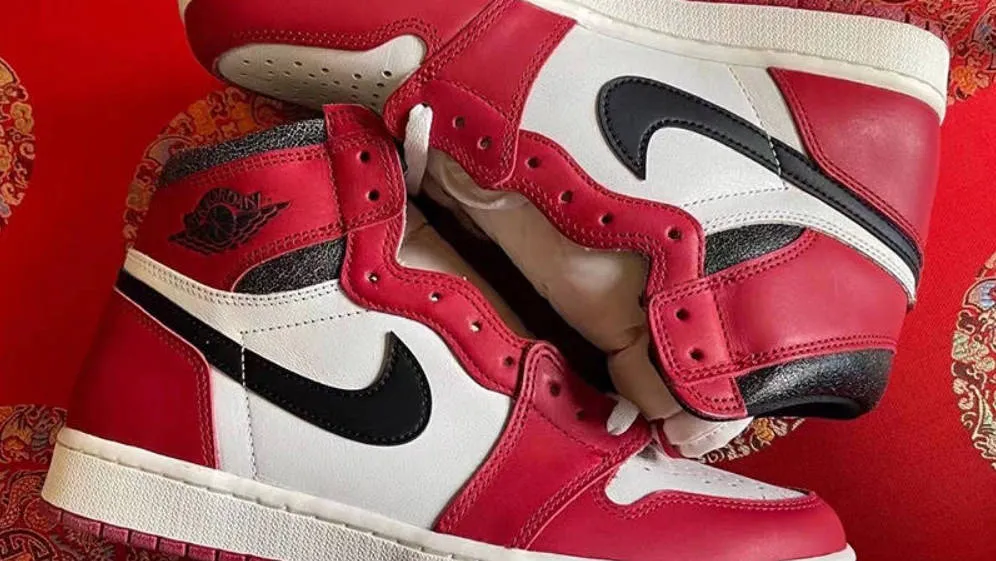
The Air Jordan 1 "Lost and Found" brought the legendary Chicago colorway back with a vintage twist, but it also triggered a wave of high-quality replicas. As counterfeiters refine their techniques—perfecting the "cracked" leather look and aged midsoles—telling a retail pair apart from a high-tier rep has never been more challenging. In this comprehensive guide, we'll break down the subtle differences—from the cracked leather texture to the vintage packaging details—to help you distinguish a retail pair from a sophisticated counterfeit.
👟 Air Jordan 1 High OG "Chicago Lost and Found" Overview
The Air Jordan 1 High OG "Chicago Lost and Found" (also known as the "Chicago Reimagined") is one of the most significant sneaker releases in recent history. Released in November 2022, it pays homage to the original 1985 "Chicago" colorway while introducing a unique "storytelling" aesthetic.
1. The Concept & Backstory
The "Lost and Found" theme is inspired by the idea of discovering a "deadstock" pair of original 1985 Air Jordan 1s in a dusty, forgotten basement or the backroom of a mom-and-pop sports shop.
It represents a "found treasure" from the 80s, capturing the nostalgia of sneaker hunting before the era of digital apps and global resale markets.
2. Key Design Features (The "Vintage" Look)
To achieve the aged aesthetic, Nike and Jordan Brand implemented several specific design choices:
-
Cracked Leather: The black leather around the ankle collar features a heavy "cracked" texture to mimic the drying and peeling of materials over decades.
-
Sail Midsole: Instead of a crisp white, the midsole uses a "Sail" tint to simulate the natural yellowing process of aged rubber.
-
Distressed Upper: The red and white leather panels have subtle textures and finishes that suggest they have been sitting in a box for 30+ years.
-
Original Silhouette: The shape is closer to the 1985 original (higher cut) compared to other modern AJ1 Retros.
3. The "Found" Packaging
The storytelling extends beyond the shoes to the box and accessories:
-
Mismatched Lid: The shoe box features a classic "Nike" lid that doesn't quite match the bottom, suggesting it was pieced together in a warehouse.
-
Sale Stickers: The box is adorned with "clearance" or "sale" price stickers, typical of old retail stock.
-
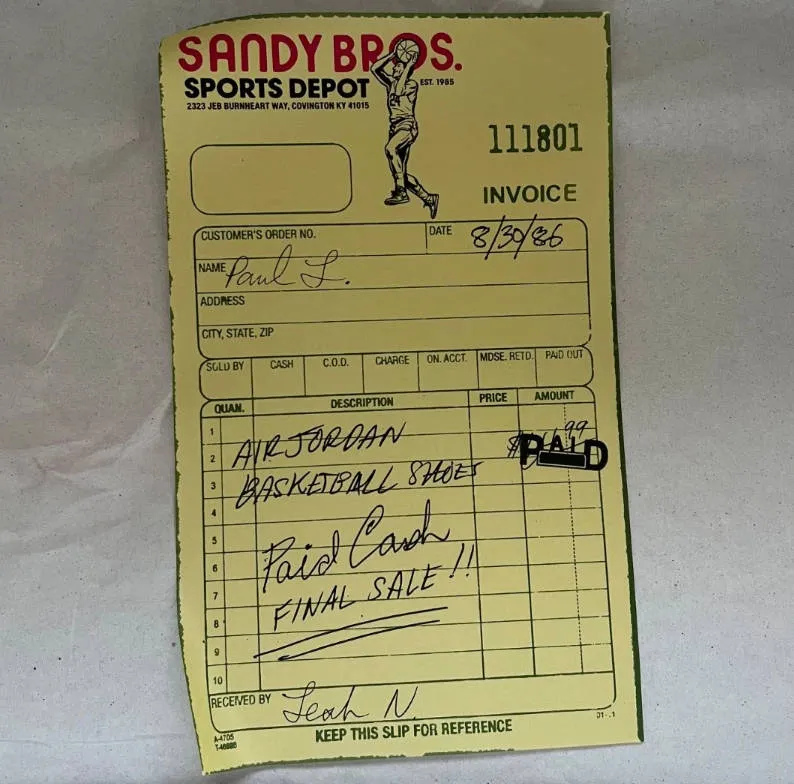
Vintage Receipt: Each pair comes with a graphic tissue paper and a replica "handwritten" invoice/receipt from a fictional 1980s sports shop ("Sandy Bros. Sports Depot").
4. Why It Became So Popular
The AJ1 "Lost and Found" succeeded because it blended:
-
One of the most iconic Jordan colorways ever
-
Strong nostalgia storytelling
-
Vintage sneaker aesthetics
-
Improved retro shape
-
Extremely high cultural recognition
For many sneaker enthusiasts, it felt closer to owning an original 1985 Chicago than previous retros.
The release also generated massive resale demand and sold out almost instantly worldwide.
Inspired by the original 1985 Chicago colorway and packaged with a vintage-inspired aesthetic, the sneaker blends nostalgia, storytelling, and hype culture into a single release. Because of its popularity and strong resale value, the market is now flooded with replicas ranging from low-quality fakes to highly convincing "1:1" copies. Below are the most important details to examine before making a purchase.
🧭 AJ1 Chicago Lost and Found Real vs. Fake Guide
⚡ Quick Comparison Table
| Check Point | Authentic Characteristics | Red Flags |
| Toe Box Shape | Slim, slightly curved | Bulky or overly tall |
| Cracked Collar Leather | Natural cracking pattern | Artificial or plastic-looking |
| Swoosh Shape | Smooth and sharp | Thick or uneven |
| Wings Logo | Deep embossing, crisp text | Flat or blurry |
| Tongue Tag | Clean embroidery, accurate spacing | Crooked or messy stitching |
| Midsole Aging | Creamy vintage tone | Yellow or overly dark |
| Outsole | Matte red finish with sharp edges | Glossy or soft rubber |
| Box & Packaging | Vintage distressed box details | Incorrect colors or paper |
| Size Tag | Precise font alignment | Font inconsistencies |
| Overall Shape | Sleek high-top silhouette | Chunky proportions |
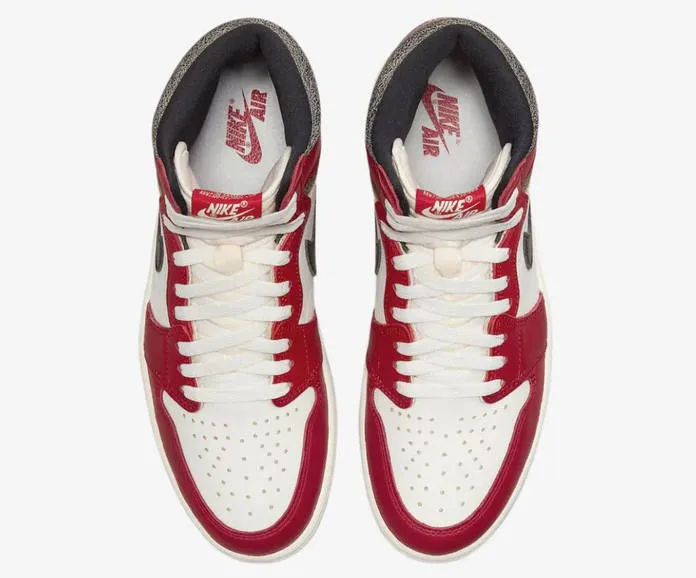
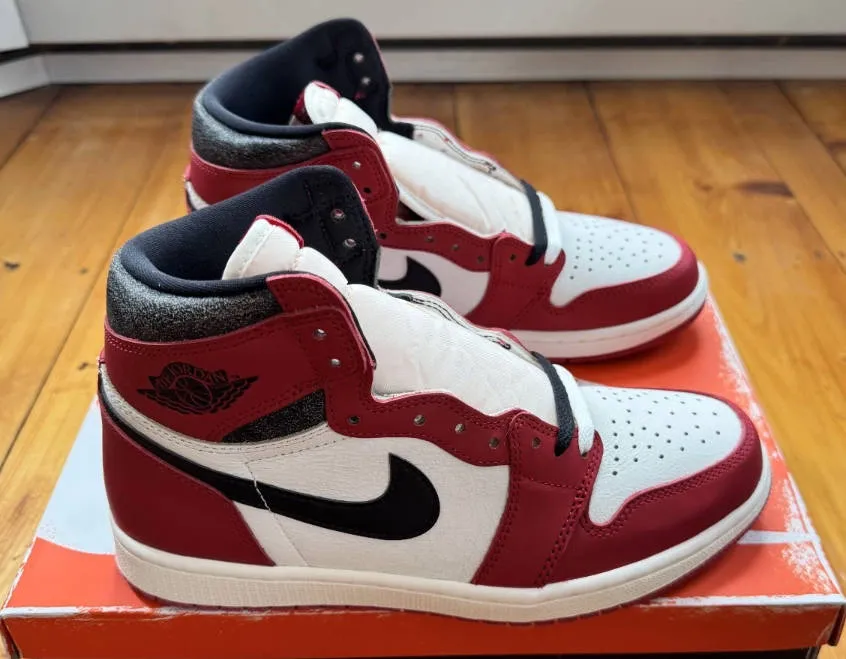
1. Toe Box Shape
The toe box is one of the easiest ways to identify fake pairs quickly.
Authentic Lost and Found pairs maintain the classic AJ1 silhouette with a relatively slim front profile.
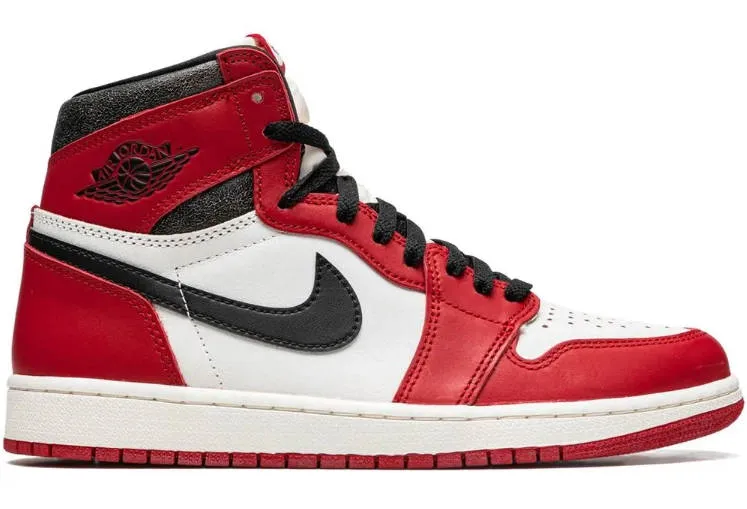
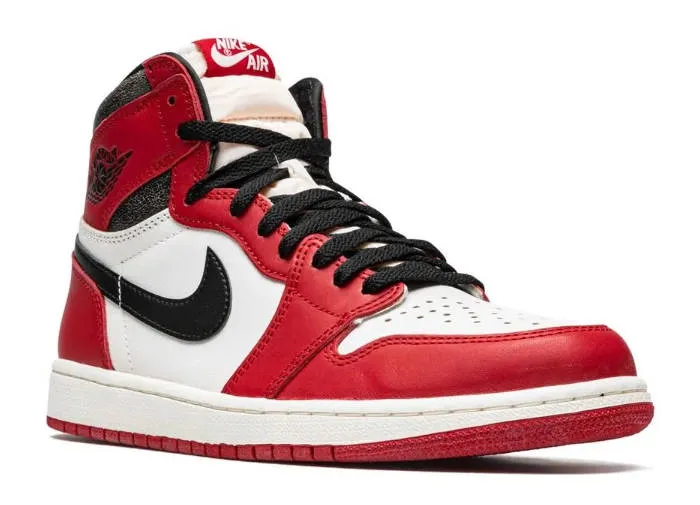
✔️ Real:
-
Slightly curved toe shape
-
Lower profile from side angle
-
Clean perforation alignment
-
Structured leather shape
❌ Fake:
-
Bulky or inflated toe box
-
Excessively tall front shape
-
Uneven perforations
-
Poor symmetry between shoes
2. Cracked Collar Leather
One of the signature features of the Lost and Found release is the cracked black collar leather.
Authentic pairs feature natural-looking cracking that resembles aged leather—not random peeling.
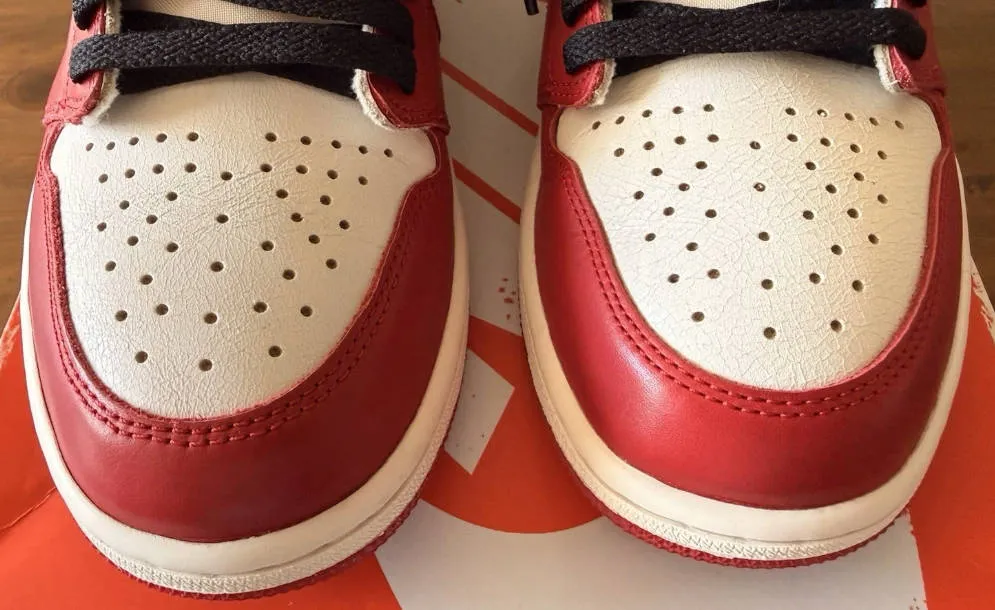
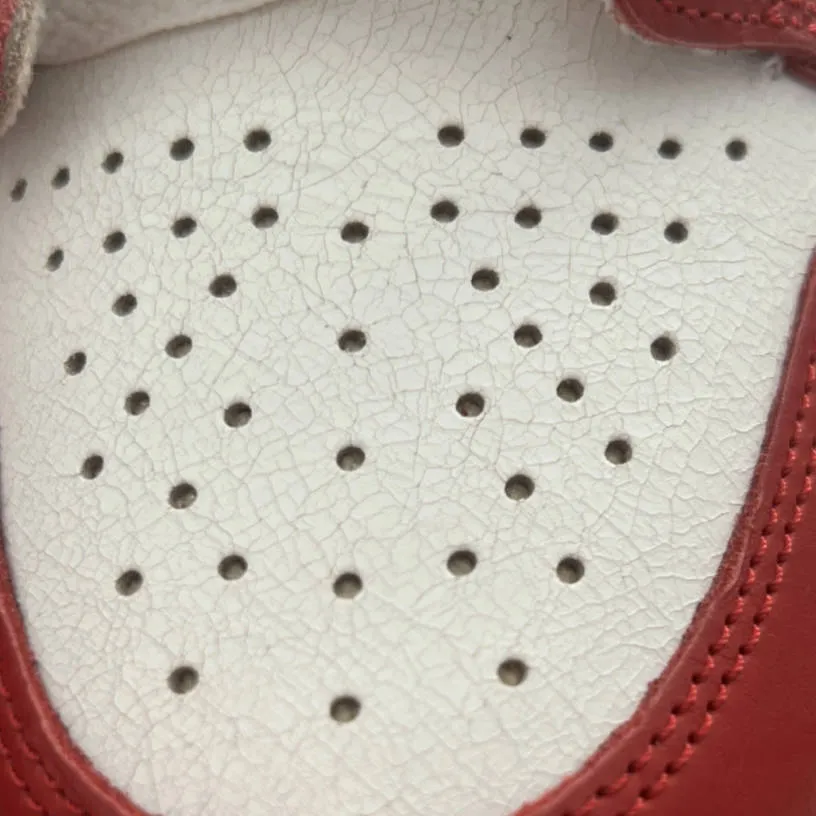
✔️ Real:
-
Fine, detailed cracking texture
-
Matte vintage appearance
-
Consistent cracking depth
-
Flexible leather feel
❌ Fake:
-
Plastic-like cracking
-
Overly dramatic peeling
-
Glossy finish
-
Flat printed texture instead of actual cracking
3. Swoosh Shape & Placement
The Nike Swoosh is commonly flawed on counterfeit pairs.
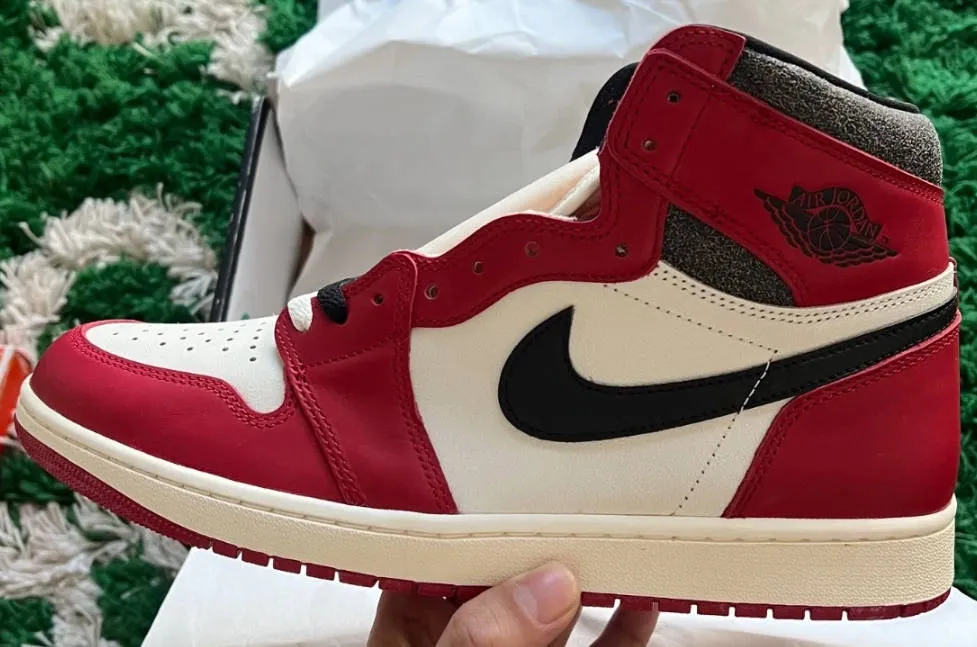
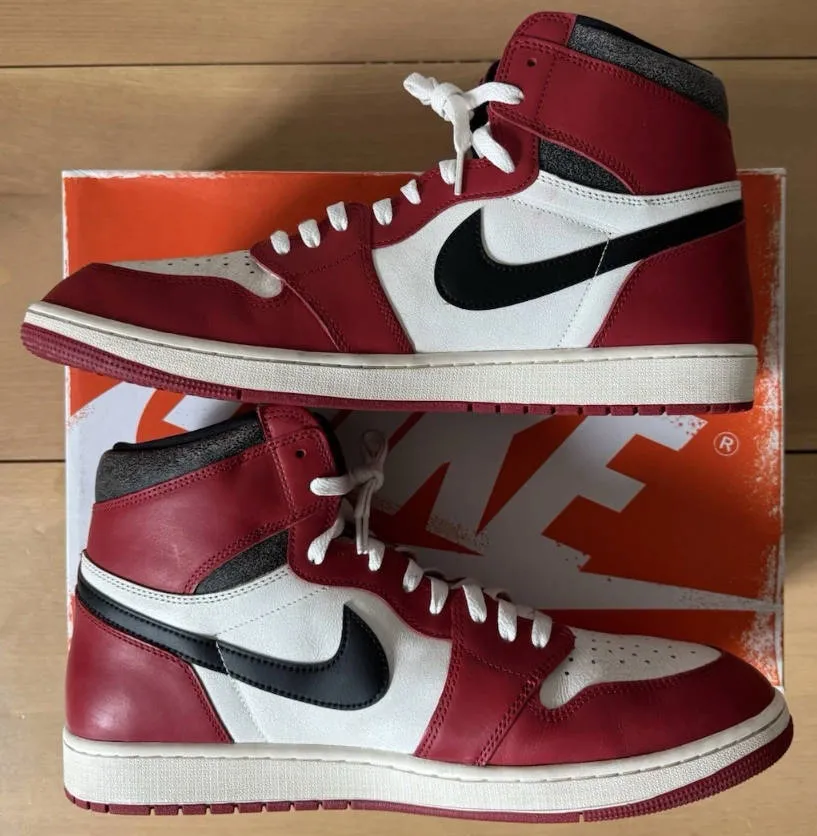
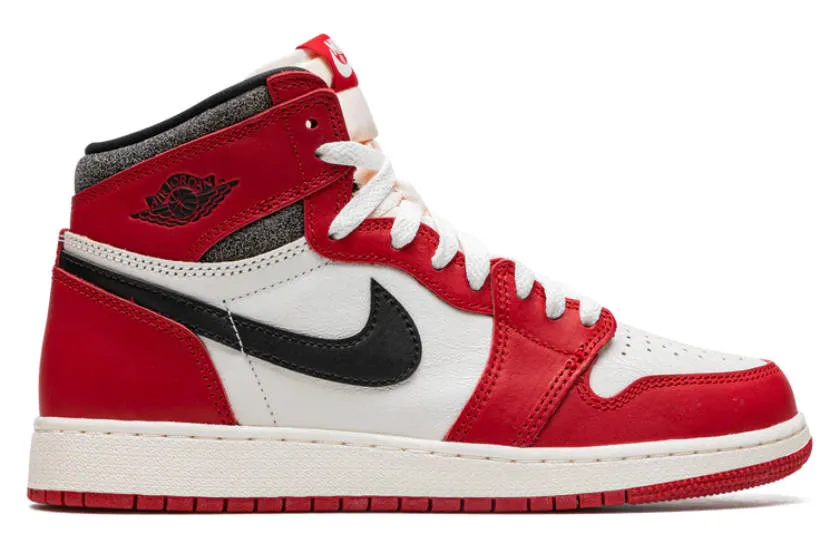
✔️ Real:
-
Smooth curve
-
Sharp tail end
-
Proper spacing from eyelets
-
Balanced placement on both shoes
❌ Fake:
-
Thick or swollen Swoosh
-
Rounded tail
-
Uneven positioning
-
Asymmetrical placement
💡 Compare both shoes carefully—fake factories often produce inconsistent panel alignment.
4. Wings Logo
The Air Jordan Wings logo should appear deeply embossed and sharply defined.
This is one of the strongest indicators of authenticity.
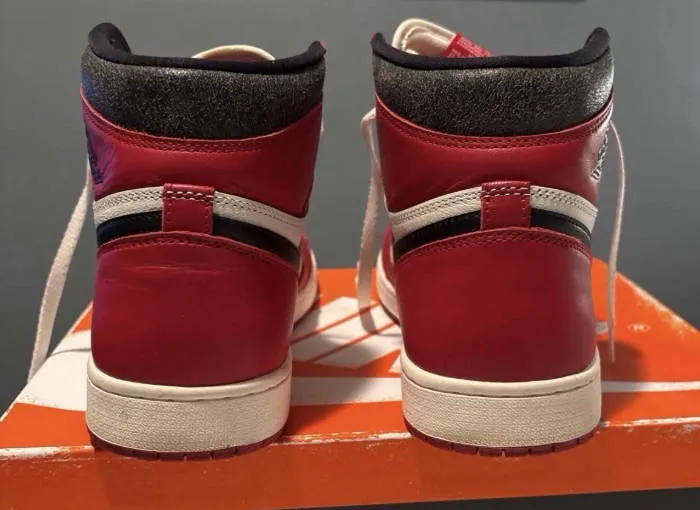
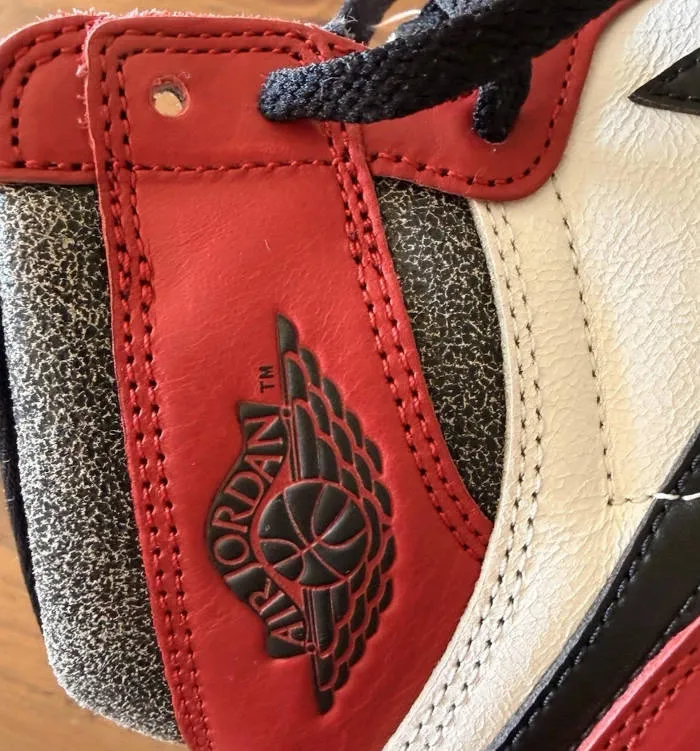
✔️ Real:
-
Crisp "Air Jordan" text
-
Deep embossing
-
Basketball lines clearly visible
-
Proper placement near collar
❌ Fake:
-
Flat embossing
-
Blurry lettering
-
Weak line definition
-
Incorrect sizing
5. Tongue & Nike Air Tag
The tongue label on authentic pairs is surprisingly detailed.
The vintage foam tongue should also feel soft and slightly exposed.
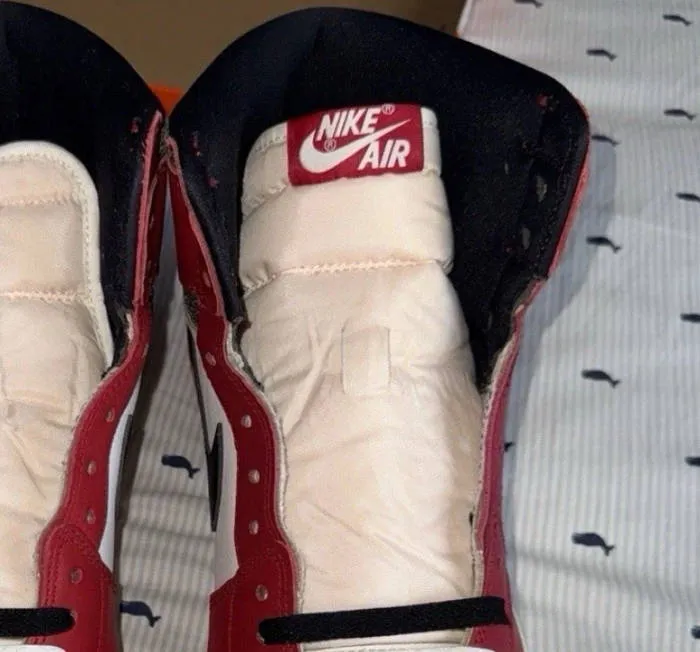
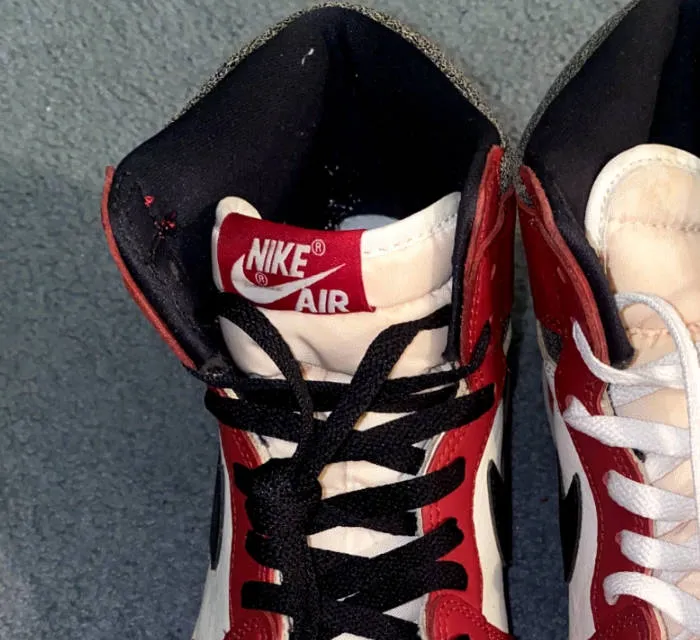
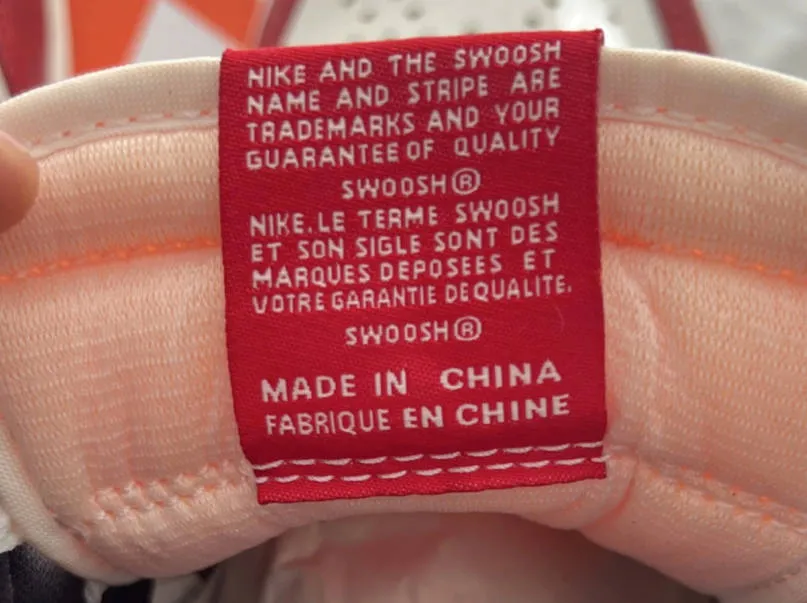
✔️ Real:
-
Accurate "Nike Air" embroidery
-
Tight stitching
-
Balanced tag spacing
-
Vintage-style foam edges
❌ Fake:
-
Thick or fuzzy embroidery
-
Crooked label stitching
-
Incorrect font proportions
-
Tongue feels overly stiff
⚠️ Replicas often get the red tag color slightly wrong.
6. Midsole Aging Effect
The pre-aged midsole is one of the defining features of the Lost and Found release.
Authentic midsoles use a subtle sail/cream tint—not bright yellow.
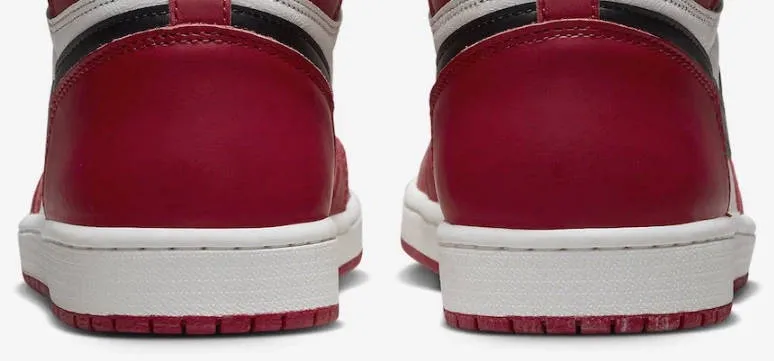
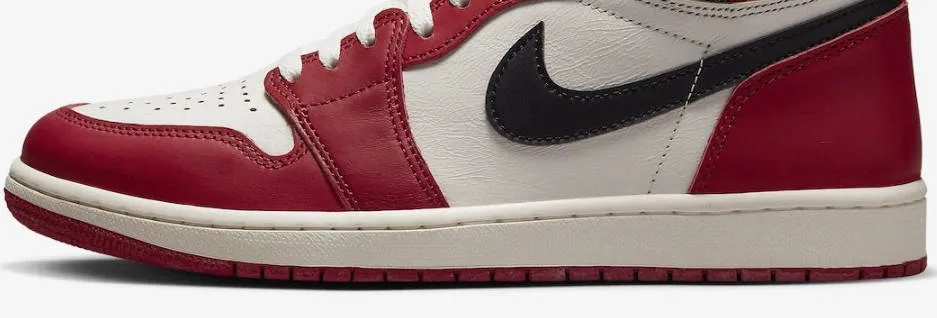
✔️ Real:
-
Soft vintage cream tone
-
Consistent color across both shoes
-
Matte finish
-
Natural aging appearance
❌ Fake:
-
Dark yellow midsoles
-
Uneven coloring
-
Glossy coating
-
Artificial "aged" effect
💡 Excessive yellowing is one of the biggest giveaway signs.
7. Outsole Construction
The outsole texture and firmness are often overlooked.
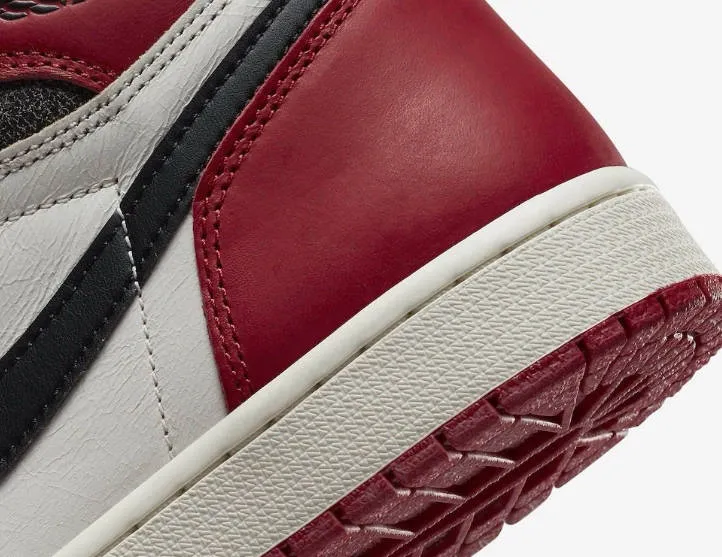
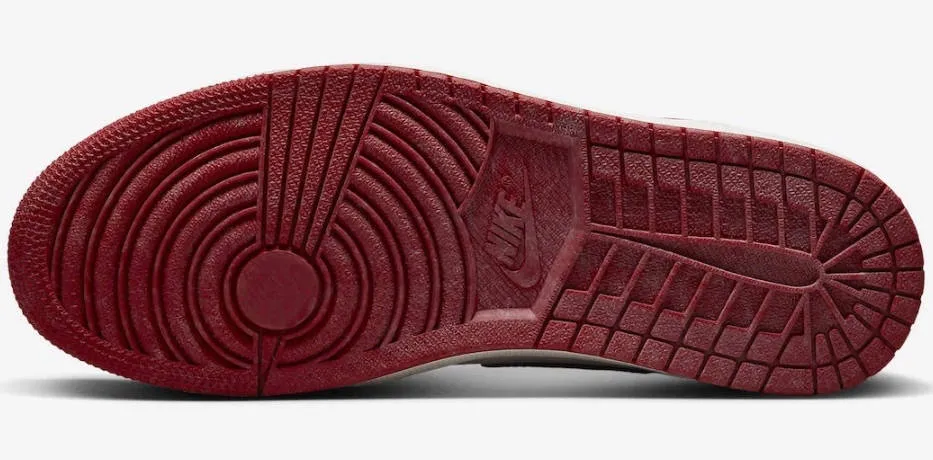
✔️ Real:
-
Matte varsity red outsole
-
Firm rubber feel
-
Sharp traction edges
-
Clean mold definition
❌ Fake:
-
Glossy outsole finish
-
Softer rubber
-
Rounded traction patterns
-
Sloppy molding
8. Box & Vintage Packaging
The Lost and Found release includes intentionally aged packaging.
This is one area where many counterfeit sellers struggle.
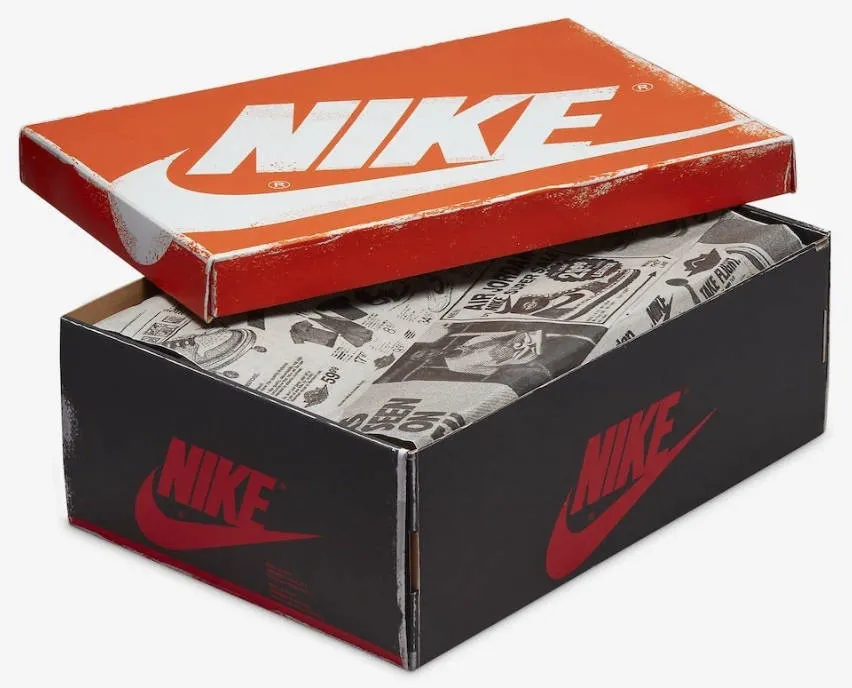
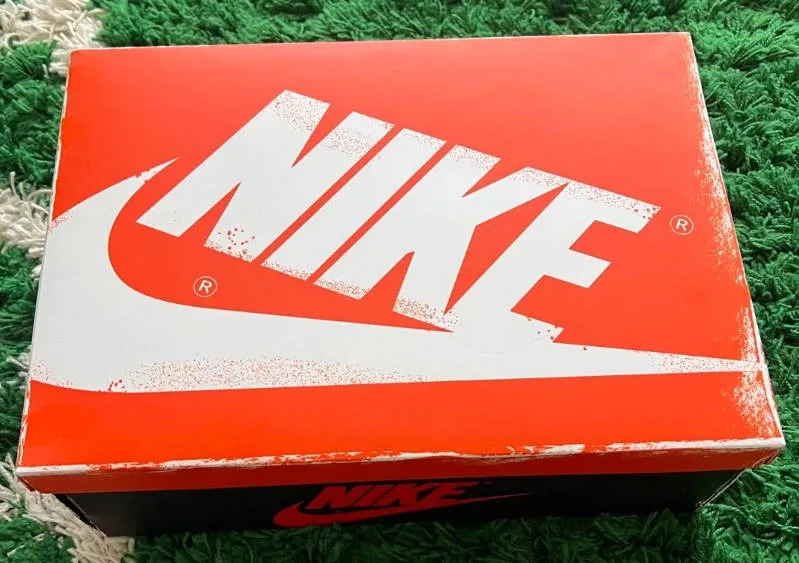
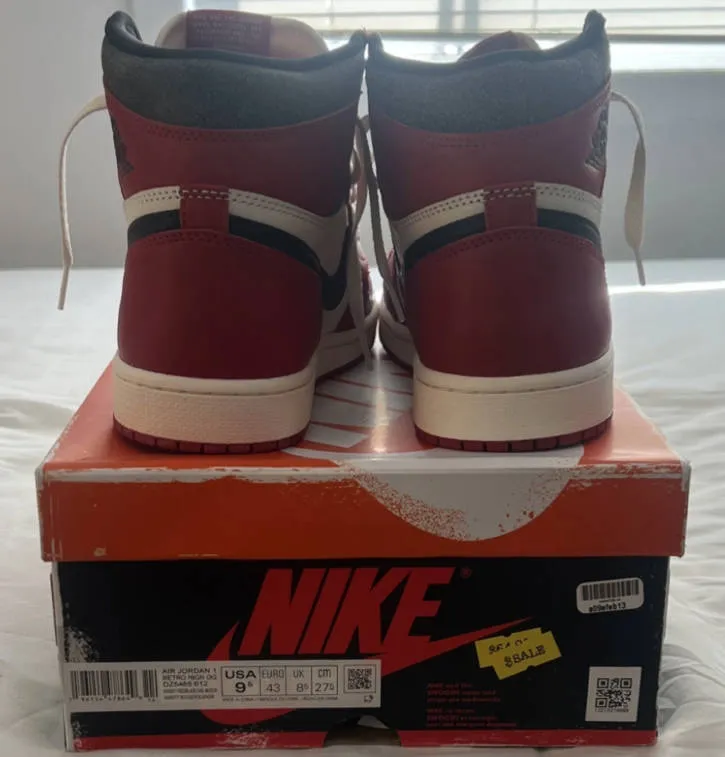
Key Packaging Details
A. Distressed Box Lid
✔️ Real:
-
Black-and-red mismatch lid design
-
Vintage wear effect
-
Clean printing quality
❌ Fake:
-
Incorrect red shade
-
Artificial distressing
-
Cheap cardboard feel
B. Receipt-Style Paper
✔️ Real:
-
Vintage receipt-inspired wrapping paper
-
Sharp print details
-
Consistent aging tone
❌ Fake:
-
Blurry text
-
Thin paper quality
-
Incorrect fonts
C. Box Label
✔️ Real:
-
Correct SKU formatting
-
Precise font spacing
-
Clean barcode print
❌ Fake:
-
Bold or distorted fonts
-
Misaligned label
-
Incorrect production codes
⚠️ Fake factories increasingly copy packaging well, so never rely on the box alone.
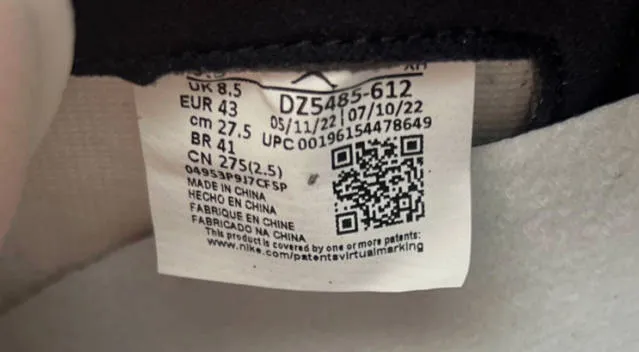
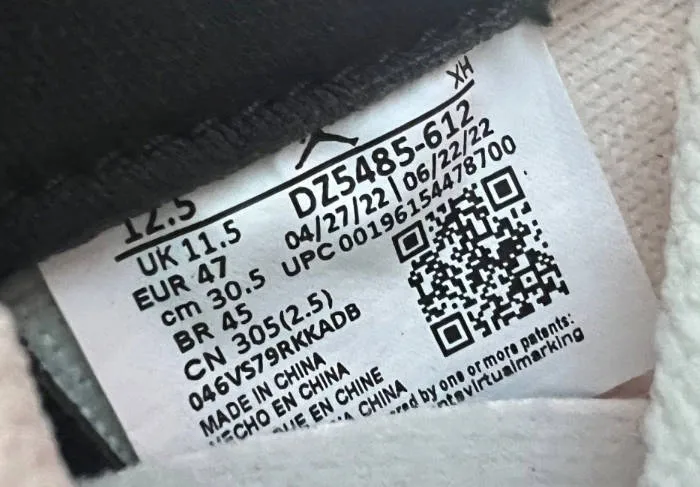
9. Interior Size Tag
The interior label remains one of the most reliable authentication checkpoints.
What to Check
A. Font Consistency
✔️ Real:
-
Sharp text
-
Even spacing
-
Clean production lines
❌ Fake:
-
Blurry printing
-
Uneven text alignment
-
Thick fonts
B. SKU Code
Authentic Lost and Found pairs use:
DZ5485-612
✔️ Real:
-
SKU matches box label
-
Clean formatting
-
Proper spacing
❌ Fake:
-
Missing SKU
-
Incorrect code
-
Formatting inconsistencies
📌 Always compare the box label and interior tag together.
10. Overall Shape & Build Quality
Authentic AJ1 Chicago Lost and Found pairs maintain the classic Jordan 1 proportions.
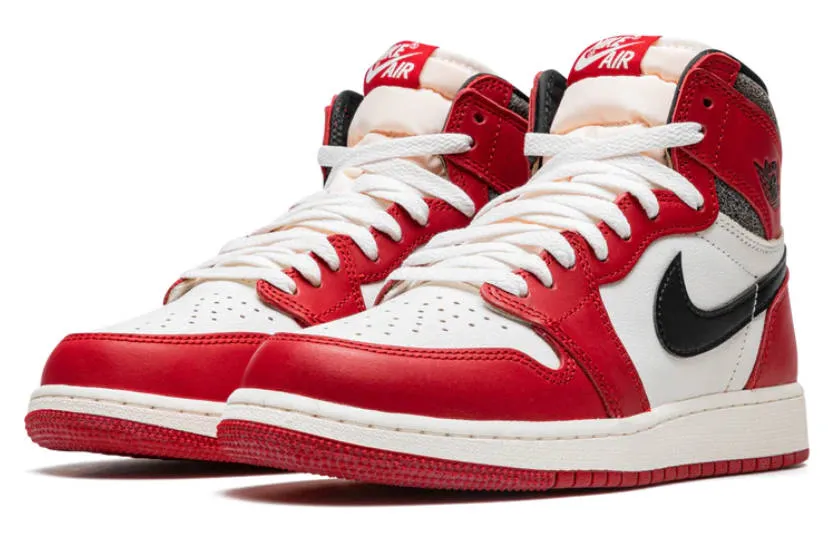
✔️ Real:
-
Slim ankle structure
-
Balanced panel cuts
-
Consistent leather grain
-
Strong heel support
❌ Fake:
-
Chunky silhouette
-
Uneven leather panels
-
Weak structure
-
Poor shape retention
🧠 Pro Tips for Buyers
When Shopping Online
-
Ask for close-up photos of:
✧ Wings logo
✧ Size tag
✧ Toe box
✧ Box label
✧ Cracked collar leather
-
Avoid listings using only stock images
-
Compare seller photos with verified retail references
-
Be cautious of prices far below market value
When Buying In Person
-
Feel the leather texture
-
Check the collar cracking under light
-
Inspect symmetry between both shoes
-
Smell the materials (fake pairs often have strong chemical odors)
❓ FAQ: AJ1 Chicago Lost and Found Authentication
Q1. Are fake Lost and Found pairs getting harder to spot?
Yes. Modern replicas are significantly more accurate than older counterfeit sneakers. Some fake pairs now replicate packaging and aging effects surprisingly well.
However, most still fail in:
-
Shape accuracy
-
Leather texture
-
Wings logo precision
-
Midsole coloring
Q2. Is the cracked collar leather supposed to look identical on every pair?
No. Authentic pairs can vary slightly because the cracking effect is intentionally irregular.
But authentic cracking still appears natural and refined—not overly dramatic.
Q3. Can replicas have the correct SKU code?
Yes. Many fake pairs copy authentic SKU numbers.
That's why SKU alone is never enough for authentication.
Q4. Does the box guarantee authenticity?
No.
Many counterfeit sellers now produce highly convincing boxes and wrapping paper. Always authenticate the shoes themselves.
Q5. Is resale price a reliable authenticity indicator?
Not always.
Some counterfeit sellers intentionally price fake pairs close to market value to appear legitimate.
Q6. Which area is hardest for fake factories to replicate?
Usually:
-
Overall shape
-
Leather quality
-
Wings logo embossing
-
Toe box proportions
These details require higher manufacturing precision.
📝 Final Thoughts
The Air Jordan 1 Chicago Lost and Found is one of the most desirable Jordan releases in recent years—which also makes it one of the most heavily counterfeited.
While fake pairs continue improving, most still struggle to perfectly replicate the craftsmanship and proportions of authentic pairs.
If you remember just three things:
✔️ Check the toe box shape
✔️ Inspect the cracked collar leather
✔️ Verify the Wings logo embossing
—you'll avoid the majority of counterfeit pairs immediately.
For expensive resale purchases, never rely on a single detail alone. The safest authentication method is combining multiple checkpoints together.
A real pair usually feels consistent in every category.
Fake pairs often look convincing at first glance—but fall apart once you inspect the finer details carefully.